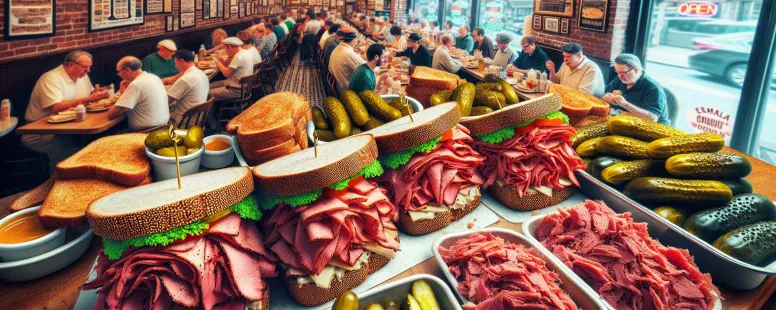
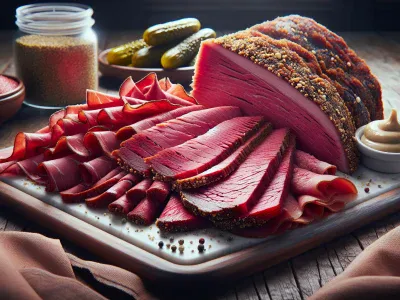
Picture the smoky aroma of freshly sliced deli meats curling through the air as you stand in line, stomach rumbling, confronted by a choice that’s divided sandwich lovers for generations. Pastrami or corned beef? Both boast a rich, savory history and a melt-in-your-mouth texture, yet each brings its own secret to the table. You might think they’re interchangeable, but there’s a hidden world of flavor and tradition beneath their peppered crusts.
Picture biting into a thick, juicy sandwich—do you crave the spicy warmth of pastrami or the salty tang of corned beef? Unraveling the difference isn’t just about taste. It’s about discovering what makes each bite unique, from the way they’re crafted to the stories they tell. Choosing between them means unlocking a new level of appreciation for classic deli fare and maybe even surprising your taste buds with something unexpected.
What Is Pastrami?
You encounter pastrami in iconic New York delis, stacked high on rye with its smoky aroma and peppered crust telegraphing centuries of tradition. Pastrami brings together brisket or navel cut, spice, smoke, and time—each slice layers the lore of immigrant kitchens with the anticipation of first bite.
Origins and History
You trace pastrami’s roots back to the Eastern European Jewish communities in Romania, where goose or mutton stood as the original base (Katz’s Delicatessen, 2023). Immigrants arriving in the United States, mainly at the turn of the 20th century, swapped in beef brisket for economic and practical reasons. New York embraced the new pastrami, combining Romanian preparation with American abundance—you’ll find legends like Sussman Volk serving it on Bowery streets in 1888. Did you ever think a brisket could migrate and transform, becoming a city’s culinary landmark? The tradition continues as old-world recipes pepper modern delis, each vying for the perfect balance of spice and tenderness.
Preparation and Seasoning
You notice pastrami’s multisensory preparation—curing, seasoning, smoking, and steaming. Butchers start by brining the beef in a saltwater bath with sugar and specific pink curing salt, which preserves color and ward off bacteria. After about 5–10 days, they dry the meat and coat it in a coarse rub of black pepper, coriander, garlic, and sometimes mustard seed. Smoking over hardwood infuses the beef with a woodsy flavor, a signature you can spot from the smoky ring just beneath the crust. Steaming after smoking tenderizes the slices, rendering fat and enhancing juiciness. Have you wondered why pastrami feels so different from corned beef on your palate? That gentle, final steam unlocks the slightly fibrous tenderness and folds of flavor you might describe as smoky, peppery, and—if you believe deli lore—addictive. Some butchers get impatient and skips the steaming, but that shortcut leaves you missing the iconic mouthfeel.
What Is Corned Beef?
Corned beef stands as a deli classic, rich with tradition and layered flavors, tempting taste buds everywhere from St. Patrick’s Day dinners to bustling Jewish delis. Some say it’s just brisket—yet, as you dig deeper, the story’s far juicier.
Origins and History
Corned beef comes from brisket, which is a tough cut—picture a thick slab, laced with fat, that demanded patience from early cooks. In 17th-century Ireland, industrious farmers preserved beef with large-grained “corns” of salt, sparking trade routes that spread to England and beyond. By the late 1800s, Irish immigrants landed in North America, swapping native salt pork for corned beef, since pork wasn’t as plentiful in New York neighborhoods. The result? Corned beef swiftly became a staple in Jewish delis, adopted by Irish Americans hungry for a taste of home. Iconic dishes, like the corned beef on rye or the Reuben sandwich, were born in this melting pot.
Preparation and Curing Process
Corned beef starts not with smoke, but with brine. Artisans submerge brisket in a spicy, salty bath, usually for 5-10 days—though longer cures can deepen flavors. This mixture blends peppercorns, cloves, mustard seed, and bay leaf, among other pickling spices. During curing, sodium nitrite gives the meat its trademark vivid pink hue and guards against spoilage (USDA backs this method for food safety). After the brining marathon, you simmer the brisket gently, drawing out fat and infusing each bite with subtle spice. No smoking or pepper crust here—just the honest, beefy tang and fork-tender texture.
Deli owners might argue about slicing thickness or secret blends. Some will even claim boiling times separate good corned beef from great. Which story rings truest for you, if you ever tasted both a homemade version and a thick-cut deli slice? The debate’s as lively as any city street corner.
Key Differences Between Pastrami and Corned Beef
You see pastrami and corned beef on a deli menu—maybe you even wonder if there’s real difference. The answer runs deeper than salt and spice. Unique traditions, flavors, and stories shape each bite, influencing your deli order whether you’re craving smoky heat or beefy simplicity.
Cut of Meat Used
Both pastrami and corned beef start with beef, usually brisket—but they’re not always twins on the butcher’s counter. Pastrami sometimes uses navel, a fattier cut from the lower belly (think New York’s Katz’s Delicatessen, where juicy pastrami practically drips from rye sandwiches). Corned beef almost always uses brisket flat, which yields uniform slices and gentle chew. When you bite into a melt-in-your-mouth pastrami stack, you’re tasting fat marbling and old-world tradition, while leaner corned beef gives you a straight shot of classic, meaty flavor.
Spices and Flavor Profile
You taste pastrami, and you notice a cosmic clash of pepper, coriander, garlic, and smoke—its spice rub almost creates a crusty jacket around the meat. Corned beef, on the other hand, keeps it simple: bay leaf, mustard, allspice, and peppercorns (sometimes a pinch of clove or juniper). If pastrami is an orchestra playing bold jazz, then corned beef is a reliable marching band—briny, bright, but never showy.
Meat
Primary Spices
Example Taste Notes
Pastrami
Black pepper, coriander, garlic, paprika
Smoky, peppery, complex
Corned beef
Bay leaf, mustard, allspice, peppercorn
Salty, savory, gently spiced
Cooking Methods
Both meats cure in brine but diverge right after. Pastrami leaves its brine, gets a thick spice rub, then heads to a smoker (think billowing wood smoke at a bustling deli counter). After smoke, pastrami steams until tender—steaming is the final puzzle piece, softening any bite into pure velvet. Corned beef skips the smoker, instead it typically simmers for hours in water (sometimes with cabbage or potatoes) until it falls apart at the poke of a fork. Try both side by side, and you’ll know: one’s smoky theater, the other’s home-cooked warmth.
Typical Serving Styles
Every deli has an opinion about how these meats belong on the plate. Pastrami reaches its peak stacked high on rye, with spicy brown mustard dripping down the sides—sometimes, you’ll find it crowned with crunchy pickles. In classic delis like New York’s Carnegie, servers pile pastrami so tall; some say it’s confidence food. Corned beef often joins Swiss cheese and sauerkraut in a Reuben, or pairs with rye and slaw for a classic lunch (Irish-Americans add cabbage in a cozy nod to history). Have you noticed how each meat draws its own loyal fans, or how some argue over which makes a better hash on Sunday mornings?
If you enjoy the distinct notes of pepper and smoke, you’ll lean pastrami. Prefer straightforward beef flavor and a more delicate spice? Corned beef lets those gentle notes shimmer through. Every order becomes a taste of tradition—every bite, a small step through history.
Which One Should You Choose?
Making a decision between pastrami and corned beef anchors your deli experience in tradition, flavor, and technique. Both meats promise satisfaction, but each brings unique characteristics that can transform a sandwich from mere lunch to a story worth sharing.
Taste and Texture Preferences
Choosing between pastrami and corned beef usually comes down to taste buds and preferences. Pastrami offers a deep smoky flavor, punctuated by its peppery crust and coriander-laced exterior. Picture each bite—smoky aroma greets you, the black pepper brings gentle heat, and steam melds everything into buttery softness. Delis in New York, such as Katz’s Delicatessen, build legends on the robust profile of pastrami. In contrast, corned beef delivers a cleaner, brinier taste with top notes of beef and subtle spice. Think of classic Irish pubs or Jewish delis: you order corned beef on rye, and the beef slices fall apart tenderly, with salt and warm spice in the air.
Texture plays an equally pivotal role. Pastrami’s brisket, sometimes swapped with fattier navel cuts, gives a marbled, juicy chew—steaming guarantees that almost melt-in-your-mouth sensation. Conversely, corned beef’s simmer leads to a fork-tender bite, but with slightly more grain. For sandwiches packed high, like those at Carnegie Deli, the texture consistently shapes how the flavors unfold.
People often debate which texture really reigns supreme, but context is everything. If you prefer meats that awaken the senses with smoke and spice, pastrami dominates. When you lean towards mellow salt and classic beef without the smoke, corned beef rises above. It’s not just your lunch—it’s the narrative your palate craves.
Best Uses in Dishes
Both meats anchor legendary sandwiches, yet their culinary strengths diverge. Pastrami excels as the star on hot rye sandwiches, sometimes slathered with spicy brown mustard. New Yorker’s will wait in line for Katz’s hand-carved pastrami, layers glistening, juices soaking the rye. Pastrami also transforms hash, eggs, and even pizza—delis experiment, giving you creative spins that go beyond the basics.
Corned beef’s greatest fame emerges in the Reuben: layers of corned beef, Swiss cheese, sauerkraut, and thousand island dressing, all grilled golden on rye. Irish-American tables on St. Patrick’s Day serve steaming platters of corned beef, cabbage, and boiled potatoes, cementing its place in comfort food history. When diced into hash, it becomes the morning after hero—pan-fried until crispy, crowned with a poached egg.
Ask yourself: Do you crave the crunchy char of grilled pastrami, its spice lingering long after the last bite? Or the soft, salt-infused comfort that only classic corned beef can provide? Restaurants and home cooks continually innovate, blending the old-world recipes with modern twists. If you want nostalgic, lean on corned beef; if you chase adventure and layers of flavor, pastrami delivers.
Sandwich Type
Main Meat
Key Flavor Notes
Famous Venue Example
Classic Pastrami
Pastrami
Smoky, peppery, spiced
Katz’s Delicatessen (NY)
Reuben
Corned Beef
Briny, juicy, subtle spice
Carnegie Deli (NY)
For every order, your deli meat choice rewrites the story of a meal—sometimes you seek the comfort of what you know, other times you want to take a flavorful risk.
Conclusion
Whether you lean toward the smoky depth of pastrami or the savory simplicity of corned beef, your deli order becomes more than just a meal—it’s a celebration of heritage and flavor. Let your next sandwich be a chance to explore the history and craftsmanship behind these classics.
By understanding what sets each apart, you’ll find even more satisfaction in every bite. So the next time you’re at the deli counter, trust your taste buds and enjoy the story that comes with your choice.
To provide the best experiences, we use technologies like cookies to store and/or access device information. Consenting to these technologies will allow us to process data such as browsing behaviour or unique IDs on this site. Not consenting or withdrawing consent, may adversely affect certain features and functions.
Functional
Always active
The technical storage or access is strictly necessary for the legitimate purpose of enabling the use of a specific service explicitly requested by the subscriber or user, or for the sole purpose of carrying out the transmission of a communication over an electronic communications network.
Preferences
The technical storage or access is necessary for the legitimate purpose of storing preferences that are not requested by the subscriber or user.
Statistics
The technical storage or access that is used exclusively for statistical purposes.The technical storage or access that is used exclusively for anonymous statistical purposes. Without a subpoena, voluntary compliance on the part of your Internet Service Provider, or additional records from a third party, information stored or retrieved for this purpose alone cannot usually be used to identify you.
Marketing
The technical storage or access is required to create user profiles to send advertising, or to track the user on a website or across several websites for similar marketing purposes.