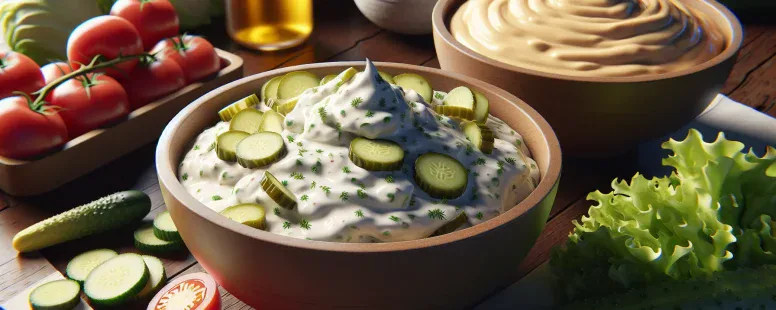
Picture this: a crisp wedge of iceberg lettuce glistens under the glow of a bustling diner, waiting for that perfect creamy drizzle. You reach for a bottle—Thousand Island or Russian? Both promise tangy sweetness with a hint of spice, yet their flavors dance to different tunes. why one dressing feels like a nostalgic picnic and the other packs a subtle punch? The secret lies in their origins, ingredients, and the way each transforms an ordinary salad or sandwich into something unforgettable. Unraveling the differences might just change the way you dress up your next meal, unlocking flavors you never knew you were missing.
Overview of Thousand Island and Russian Dressing
Thousand Island and Russian dressing both belong in the pantheon of iconic American condiments, they wear different histories on their sleeves. Thousand Island, with its blend of mayonnaise, ketchup, pickles, and sometimes chopped hard-boiled eggs, has a texture and flavor profile that sparks memories of classic diners or summer picnics. Picture biting into a towering Reuben and feeling that sweet tang—yes, that’s typically Thousand Island, though some places sneak in Russian instead just to see if you’ll notice.
Russian dressing, on the flipside, usually blends mayonnaise with ketchup or chili sauce, horseradish, and Worcestershire, delivering a subtle heat. You might’ve seen it lending bite to a corned beef sandwich or adding a zippy backbone to a chef’s salad. Food historians claim Russian dressing’s origins tie back to early 20th-century New Hampshire (Smithsonian Magazine), while Thousand Island’s roots point to the namesake region in upstate New York. Crazy, isn’t it, how a stretch of islands and a streak of Russian-inspired horseradish influenced millions of sandwiches coast-to-coast?
You’ll find these two dressings called out in every classic cookbook—like “The Joy of Cooking” or “Fannie Farmer”—but each family’s recipe is different. Some folks swear Thousand Island needs sweet pickle relish, others toss in olives. Russian? Some go heavy on the horseradish, others sneak in a dash of smoked paprika for complexity. why some delis choose Russian for their Reubens and others pick Thousand Island? Is it tradition, regional loyalty, or just a cook’s secret whim? Next time you taste that creamy-piquant burst, you might recall stories of immigrants crafting new sauces for a new world, each one swirled with memories, arguments, and local spice. So which will you reach for the next time the sandwich craving strikes—classic, chunky Thousand Island or peppery, sharp Russian? Real culinary adventurers don’t stick to one side of the dressing aisle.
Key Ingredients Comparison
Comparing Thousand Island to Russian dressing means looking closely at the primary components in your salad bowl. The unique flavor profiles start with their base elements, then branch off with signature additions that shape how you’ll taste them in each bite. If you’ve stared at two similar jars in your fridge and wondered, “What really sets these apart?”, you’re about to get answers backed by real recipes and culinary experts (Serious Eats, 2022).
Thousand Island Dressing Ingredients
Mayonnaise and ketchup anchor Thousand Island dressing, forming a smooth, creamy base. Into this blend, cooks whisk in sweet pickle relish or chopped pickles—think of the satisfying crunch you get biting into a classic club sandwich. Sometimes a hard-boiled egg gets mashed in, thickening the mix and rounding out the texture. Lemon juice or vinegar add gentle tang while finely diced onions and bell peppers provide extra bursts of sweetness and crunch.
Some regional variants include Worcestershire sauce or even a dash of hot sauce. The resulting condiment resembles a pink-orange mosaic, where creamy emulsion meets vegetal crunch—evoking childhood memories for many who dip French fries in it at diners across the US.
Russian Dressing Ingredients
Russian dressing, even though its name, keeps things simpler and spicier. Mayonnaise gets stirred together with ketchup or, in more traditional recipes, a robust chili sauce. Horseradish enters here, its unmistakable bite giving the dressing a firm handshake—think of the zing you feel biting into a Reuben sandwich that lingers longer than expected.
Worcestershire sauce and grated onions follow closely, giving the blend a briny savoriness. Some versions use paprika or pimentos. Unlike Thousand Island, you’d rarely find eggs or relish spoiling the spice parade. The flavor? Less sweet, more piquant, and undeniably bold.
If a diner offers you both on the table, try each and notice: Thousand Island feels like a picnic in a jar, Russian dressing like a tangy, peppery punch. Which do you reach for more often? That choice may tells something about how you seeks texture, sweetness, and fire in your food.
Flavor Profile and Texture Differences
Taste instantly reveals the divergent natures of Thousand Island and Russian dressings. Thousand Island tastes creamy, sweet, and tangy, with a noticeable crunch from chopped pickles and sometimes diced hard-boiled eggs. When you drizzle it on a wedge salad, it’s like summer memory blooming on your tongue—each bite tells a story of backyard barbecues and diner classics. Russian dressing, by contrast, brings a firmer attitude. It provides a spicier, sharper tang thanks to horseradish and Worcestershire sauce, sometimes packing mild heat which lingers just enough to keep you curious. Mayo and ketchup combine, but the absence of relish or egg leaves the texture smooth and the flavor bold, hitting your taste buds with a clean finish.
Can you picture the subtle interplay between sweet pickle relish and tart lemon juice in Thousand Island? It almost persuades your senses that you’re eating more than just salad. The creamy base allows each ingredient’s nuances to surface—sweetness, acidity, and, sometimes, a faint brininess if olives join the fold. Russian dressing, meanwhile, wears its robustness proudly. It often cuts through fatty meats on a Reuben sandwich, acting almost like a culinary referee, balancing richness with heat.
Some diners claimed Thousand Island brings childhood nostalgia, like the first time you discovered there’s more than one type of salad dressing (see The New York Times, 2022). Others argue Russian’s peppery undertones wake up their palates, especially when set against sharp Swiss cheese in a deli classic. If you favor crunch and layers, you’d gravitate toward Thousand Island. If clarity and depth moves you, Russian’s your pick, though debates rage on in delis across America.
Texture differences emerge with every forkful. Thousand Island—thicker and chunkier, pools on lettuce and clings to proteins, spreading memories and calories in equal measure. Russian—smoother, pours evenly, never weighs down greens, but instead lends an edge to every bite. Russian’s uniform texture keeps it versatile, whether tossed in potato salad or slathered on rye bread.
Ask yourself: Is it the creamy nostalgia or the spicy sharpness that calls your name? Choosing your favorite isn’t just about taste; it’s about which story you want your meal to tell. For now, maybe your fridge can keep a bottle of each.
Common Uses in Food
You spot Thousand Island dressing, nestled beside crisp lettuce on a classic wedge salad at diners across the US. Restaurant menus offer this creamy staple for burgers; think of juicy beef patties smothered with its signature pink sauce—McDonald’s Big Mac “special sauce” echoes this iconic flavor blend, which the brand confirm include pickles and relish (McDonald’s, 2024). Chefs in delis, spread Thousand Island on Reuben sandwiches, layering corned beef, Swiss, and sauerkraut between soft rye bread. Picnic tables groan under bowls of potato salad and deviled eggs, both brightened by a spoonful of this sweet-dill concoction. When someone asks what secret makes your seafood taste tempting, you could say, “It’s the Thousand Island, with its tart pickles and creamy mouthfeel that coats shrimp or crab.”
Russian dressing makes a bolder entrance. You’ll find its tangy-heat slathered on pastrami sandwiches in New York delicatessens; the zing from horseradish and Worcestershire sauce slices through fatty cuts, building contrast and depth (Serious Eats, 2023). You catch chefs whisking it into classic chef’s salads, where the sharpness elevates hard-boiled eggs and savory deli meats. Some bistros even drizzle Russian dressing over roasted potatoes, letting the sauce’s peppery warmth fuse with caramelized edges. When faced with a platter of cold roast beef, what if you try Russian’s spice on the side instead of steak sauce—would it changes your mind about condiments forever?
Hospitality traditions evolve. Thousand Island’s popularity on burgers and salads shows how nostalgic tastes persist, while Russian dressing’s sharper punch attracts adventurous eaters craving novelty. Both dressings sit in home refrigerators, ready for new experiments—maybe that’s where your next signature dish gets born. Which flavor best tells your story, and which dish can you reinvent tonight?
Nutritional Differences
Thousand Island and Russian dressing don’t just tease your taste buds—they also diverge in what they deliver to your plate, nutritionally speaking. You’ve probably never paused during a backyard picnic to ponder which classic condiment—slathered onto your burger—contains more sugar or fat, but your body might notice even if you don’t.
Both dressings use mayonnaise as a foundational base, which cranks up total calories and fat content. Thousand Island usually get’s noticably sweeter, thanks to the sweet pickle relish and sometimes sugar, offering around 110 calories and 11 grams of fat per two-tablespoon serving (USDA, 2023). Russian dressing, with Worcestershire and chili sauce leading the charge, typically clocks in close, but often leans spicier than sweet, coming in at approximately 120 calories, 12 grams of fat, and less sugar by about 1–2 grams per serving.
Here’s a quick comparison table for context:
Dressing
Calories (2 tbsp)
Fat (g)
Sugar (g)
Cholesterol (mg)
Main flavor drivers
Thousand Island
110
11
5
10
Pickle relish, ketchup
Russian
120
12
3
11
Horseradish, chili sauce
If you count macros, you’ll spot Thousand Island dressing frequently containing more added sugar while Russian dressing offers a sharper, slightly saltier character—thanks to horseradish and Worcestershire (Cleveland Clinic, 2022). That extra sweetness in Thousand Island nudges its carb count higher—often surprising for those who expect savory from salad toppings. why a classic Reuben can feel heavier than a pastrami-on-rye with Russian? The proteins in the mayonnaise and the fats from the eggs and oil hitch a ride onto every forkful. Thousand Island’s nurture comes from eggs or extra mayo, whereas Russian’s fire comes from zesty horseradish. Restaurants rarely advertise these hidden nutrition facts—leaving you to uncover the trade-offs bite by bite.
Think about your intentions next time you’re drizzling salad or smearing sauce onto a sandwich. A little label reading (or homemade batch control) can transform what was once a nostalgic craving into an intentional dietary choice. Is it the extra sweetness and creaminess that draws you into Thousand Island, or the bolder bite of Russian that makes you feel adventurous?
You decide—not every condiments is just a topping, sometimes it’s a reflection of your priorities, or maybe just a whim.
Which One Should You Choose?
Picture standing at a backyard grill, burger buns in hand, wondering which condiment—Thousand Island or Russian dressing—will make your meal unforgettable. Both options offer the creamy comfort of mayonnaise, but they diverge at the crossroads of nostalgia and spice. Thousand Island whispers of summer’s lazy afternoons, its sweet pickle relish and chopped eggs reminiscent of tiny treasures buried in creamy sands. You might recall diners where waitresses poured that salmon-pink sauce over crisp iceberg lettuce, each bite coating your tongue with a tangy sweetness that lingers longer than the memory of fireflies.
Russian dressing tells a sharper tale. It’s for those who crave a little drama at the table—horseradish’s subtle heat nudging your senses, Worcestershire sauce cutting through the fat of a Reuben or pastrami sandwich with a precision like a cold New England wind. Its roots in early 20th-century New Hampshire reveal a penchant for boldness, the same kind a chef exhibits by adding just a bit too much chili sauce to the bowl, only to find the result even more addictive.
If your palate veers toward tradition, Thousand Island often pairs beautifully with old-school classics. A wedge salad, a potato salad at a Fourth of July picnic, or a burger that tastes like home. Some people stir it into cold pasta—try it on roasted salmon for an unexpected twist—or dip crunchy crinkle fries into its tangy sweetness. Consumer Reports notes its popularity in family-friendly fare, cementing its place at nostalgic tables.
If you seek adventure on your plate, Russian dressing is the map to explore. Try it slathered on a toasted rye sandwich brimming with corned beef, or drizzle it over roasted fingerling potatoes for a spicy depth. Home cooks who appreciate a bit of spice will find its profile more nuanced than Thousand Island—less sweet, more edge (as documented in Serious Eats’ dressing guide). Russian dressing has snuck onto chef’s salads in downtown bistros, waiting for someone bold enough to swap it in for blue cheese.
Perhaps you’re counting macros, tracking sodium, or just craving flavor. Thousand Island’s sweetness can sometimes tip your daily carbs; Russian dressing amps the heat, often with more sodium and a bolder bite. The choice hinges on what you want that meal to say—comfort’s lullaby, or the zap of a spicy refrain. One isn’t better than the other, they’re two distinct dialects in the language of food.
So the next time you face the condiment conundrum, ask yourself: Do you want to taste the warm embrace of familiar flavors, or let your taste buds take the risk? Try tasting both on a plain cracker—see which story you want to tell at your table today. Both dressings promise more than flavor; they invite you to relive memories or create new culinary notes worth savoring.
Conclusion
Choosing between Thousand Island and Russian dressing really comes down to what you’re craving and how adventurous you feel in the kitchen. Both offer distinct flavors that can elevate your favorite meals in different ways.
Don’t hesitate to try both and see which one fits your taste or the dish you’re preparing. You might even discover a new favorite way to enjoy salads, sandwiches, or snacks. Let your palate guide you and have fun exploring the possibilities these classic dressings bring to your table.
To provide the best experiences, we use technologies like cookies to store and/or access device information. Consenting to these technologies will allow us to process data such as browsing behaviour or unique IDs on this site. Not consenting or withdrawing consent, may adversely affect certain features and functions.
Functional
Always active
The technical storage or access is strictly necessary for the legitimate purpose of enabling the use of a specific service explicitly requested by the subscriber or user, or for the sole purpose of carrying out the transmission of a communication over an electronic communications network.
Preferences
The technical storage or access is necessary for the legitimate purpose of storing preferences that are not requested by the subscriber or user.
Statistics
The technical storage or access that is used exclusively for statistical purposes.The technical storage or access that is used exclusively for anonymous statistical purposes. Without a subpoena, voluntary compliance on the part of your Internet Service Provider, or additional records from a third party, information stored or retrieved for this purpose alone cannot usually be used to identify you.
Marketing
The technical storage or access is required to create user profiles to send advertising, or to track the user on a website or across several websites for similar marketing purposes.