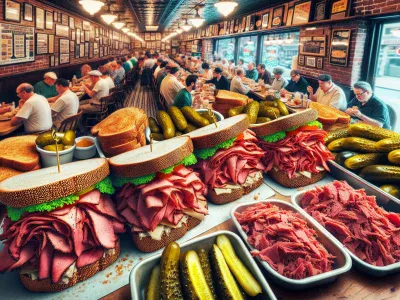
Picture yourself in a bustling deli where the aroma of spices and slow-cooked meat fills the air. You scan the menu and spot two classics—corned beef and pastrami. Both promise a savory bite, yet their flavors, textures, and even their histories are worlds apart. what truly separates these legendary sandwiches beyond the rye bread and tangy mustard?
Unraveling the difference between corned beef and pastrami isn’t just about taste—it’s about discovering hidden stories and surprising benefits. From unique spices that awaken your senses to the unexpected ways each meat can elevate your meals, understanding this delicious rivalry could change the way you order lunch forever. Get ready to explore the subtle details that make each one unforgettable.
Understanding Corned Beef and Pastrami
Corned beef and pastrami connect diners to age-old food traditions, each bite wrapped in layers of history and flavor. Recognizing their differences—across preparation, cultural roots, and culinary roles—adds new dimension to familiar deli sandwiches.
Origins and History
Corned beef traces it’s roots to Ireland and Eastern Europe, where salt-cured brisket eased scarcity by lasting months. Jewish immigrants in the US adopted this preservation method, with corned beef featuring in delis and St. Patrick’s Day feasts since the 19th century. Pastrami, by contrast, began in Romania and the Ottoman Empire, with shepherds smoking beef for portability. When Romanian Jews arrived in New York, they adapted pastrama into pastrami, using beef navel, black pepper, coriander, and smoking for flavor and texture. Katz’s Delicatessen in Manhattan claims to have sold pastrami on rye since 1888—does that make you wonder who’s first to crave it?
Popular Uses in Cuisine
Corned beef appears most often in sandwiches, hash, and classic holiday plates like corned beef and cabbage. Deli menus usually stack it high on rye with mustard, though Reuben sandwiches (corned beef, Swiss, sauerkraut, Russian dressing on grilled rye) take the spotlight in American diners. Pastrami, with it’s robust, smoky profile, dominates NYC delis. Slices pile into hot pastrami sandwiches, sometimes swapped into a Rachel or Montreal smoked meat for a regional twist. Chefs might toss diced pastrami in omelets, or even layer it with eggs benedict for a bold brunch. Does the rich peppery crust of pastrami intrigue your taste buds, or maybe you picture the salty pink corned beef with crispy potatoes? Both meats keep evolving as culinary icons—each bite tells a story, inviting you to explore deeper.
Preparation and Processing
Preparation and processing sharply sets corned beef apart from pastrami, where every step etches the character of each deli icon. How does brisket, salt, and spice become something worthy of a legendary sandwich? This journey shapes flavor, aroma, and texture, making each bite a testament to tradition and technique.
Brining and Seasoning
Brining and seasoning methods for corned beef and pastrami diverge at the very beginning. Corned beef usually starts with beef brisket, then submerges it in a salt-heavy brine mixed with pink curing salt (sodium nitrite), black peppercorns, bay leaves, cloves, and sugar. This mixture infuses the beef with tender juiciness and a light herbal tang. Pastrami, while it sometimes begins with brisket, frequently uses navel or deckle cuts. It soaks in a slightly sweeter brine laced with garlic and coriander, then gets coated in a thick, spicy rub—think black pepper, crushed coriander seeds, allspice, paprika, and sometimes a smoky halo from a hint of hickory.
Ever wondered why deli pastrami has that peppery bark, while corned beef comes out blushing pink and aromatic? This contrast stems from these unique spice rituals. According to the USDA Fact Sheet on Curing Foods, the process creates not just flavor, but safer, longer-lasting meats.
Cooking Methods
Cooking methods next add layers to the flavor and texture of both meats. Corned beef typically simmers slowly in water, sometimes with cabbage, carrots, and potatoes floating nearby. This boiling method, gentle and constant, keeps the meat soft and flaky, easy to slice or pull apart in a classic Reuben.
Pastrami departs from this path. After brining and rubbing, it gets smoked over woods like cherry or oak, which locks in moisture and cloaks the meat with a smoky exterior. Then, a steam bath finishes it off, rendering layers of beef both juicy and robust—perfect for a stacked Carnegie Deli creation.
Culinary authorities like America’s Test Kitchen highlight how the smoking stage is what gives pastrami its unique taste and chewy bark, a texture you won’t find in corned beef. You ever notice how pastrami crackles under your teeth, while corned beef just melts? That’s the joint effect of spice, smoke, and steam, a trilogy written in beef and time.
Flavor, Texture, and Appearance
Corned beef and pastrami grab your attention the moment you slice them open, each building flavor, texture, and appearance from tradition and technique. Walk into any NYC deli and compare corned beef’s pale pink interior with pastrami’s spice-crusted bark—the differences couldn’t be more clear.
Taste Profiles
Corned beef tastes mild, salty, and just a bit tangy. Most diners note a gentle herbal kick, thanks to pickling spices like coriander and bay leaf (Smithsonian Magazine). Pastrami, on the other hand, boasts boldness. Layers of black pepper, crushed coriander, and smoked paprika, often form a robust crust, lending it a smoky, piquant taste that lingers. Take one bite, you’ll notice the pastrami’s brine sweetness balances out that fiery aftertaste. Jewish delis in Brooklyn, for example Katz’s Delicatessen, layer rye bread high with pastrami: here the pepper hits first, the smoke second, and the meat finishes tender.
Think of corned beef as mellow and welcoming, like a well-worn sweater your grandmother gave you. Pastrami is a leather jacket—smoky, spicy, and attention-grabbing. Ask yourself which sandwich tells your story: comfort or adventure?
Visual and Textural Differences
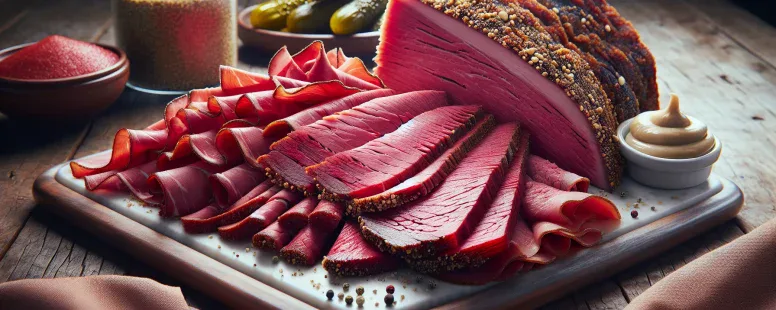
Corned beef slices easily, yielding a rosy, marbled surface that glistens with moisture. The texture runs soft and almost silky, breaking apart with a gentle tug. Compare that with pastrami’s assertive look: a deep pink core wrapped in a charcoal-black rim, thanks to the spice rub and smoke. Bite into pastrami and you’ll meet resistance; it tears in chewy shards, with fat pockets melting on your tongue.
If you line up slices side by side, the corned beef quietly fits in with mashed potatoes or cabbage in Reuben and hash. Pastrami dares you to feature it—its vivid appearance makes every sandwich dramatic. These meats are both brisket-based, but through technique—like boiling for corned beef or smoking for pastrami—they land at opposite ends of the deli spectrum.
Ever wondered why pastrami edges sometimes glisten dark as licorice? That’s the smoke ring, a visible relic of hours in the smoker. Corned beef can’t fake that—its simmered softness refuses char or bark, instead showcasing tenderness.
Meat Type
Flavor Profile
Visual Traits
Texture
Corned Beef
Mild, salty, herbal (coriander, bay leaf)
Pink, marbled, moist
Soft, tender, falls apart
Pastrami
Spicy, peppery, smoky, brined sweet
Pink interior, black outer crust, marbling
Chewy, slightly firm, melty fat
Stand in line at your favorite deli, you’ll know exactly what the cook’s handing you, just from the look and feel. Which story catches your appetite—the pink brisket draped in gentle comfort or the bold, bark-clad champion?
Nutritional Comparison
Nutritional values often shape your deli meat decisions—sometimes without even realizing it. Corned beef and pastrami, though visually similar, diverge dramatically on the plate and on your health journey. Picture this: you’re standing in a classic New York delicatessen, debating which sandwich to order. That moment becomes a crossroad not just of flavor but of nutrition—each slice telling a story that stretches from bustling streets in Bucharest to festive homes in Dublin.
Corned beef usually comes from brisket, known for its rich marbling and higher fat content. Pastrami, classically cut from the navel end or brisket too, gets its signature character from its bold spice coat and smoky finish. When you bite into a towering Reuben or a pepper-crusted pastrami on rye, what are you really consuming? Think about protein, sodium, saturated fat, and calories—entities that both empower and complicate your daily intake.
Experts at the USDA report the following typical nutritional values for 100 grams of each:
Deli Meat
Calories
Protein (g)
Saturated Fat (g)
Sodium (mg)
Corned Beef
251
27
6
973
Pastrami
147
20
2
973
You notice, instantly, that corned beef packs more calories and saturated fat, a likely result of brisket’s heavy marbling. Pastrami’s lower calorie and fat count might surprise you, considering that smoky bark—almost as if the meat is wearing a culinary disguise, promising boldness while keeping things a little lighter. But that’s only half the story. Both meats, sharing similar sodium levels, challenge anyone monitoring blood pressure or salt intake. Does your heart crave flavor, or does it consciously flinch at the numbers?
Recall that day at Katz’s Delicatessen, where the line snakes down Houston Street and anticipation fills the air. Someone asks, “Is pastrami healthier than corned beef?”—and for many, the answer hides in portion size and preparation. Serving sizes balloon during celebrations like St. Patrick’s Day, driving up sodium and calorie intake almost invisibly. The dietary consequences don’t always match the perceived indulgence.
Nutritional choices around deli meats transcend hard data. Some seek higher protein, others cherish tradition, while many simply want a meal that fits their lifestyle. Consumption frequency, overall diet balance, and even sandwich toppings—each shapes the health impact of your order. So, if you order corned beef for iron-rich breakfast hash or pastrami as a leaner lunch, you join generations negotiating the crossroad between taste and wellness, tradition and calories.
Would your next order change if you knew which sandwich fuels endurance or which boosts sodium intake without warning? The answer might live not only in statistics, but in your willingness to ask deeper questions—about what you eat, and why you choose it, right there in the deli’s neon-lit glow.
Key Differences Between Corned Beef and Pastrami
Texture and flavor set corned beef and pastrami apart in every bite. You bite into corned beef, tenderness and a soft chew greet you, mirroring slow-cooked stews from rustic Irish kitchens. Pastrami, on the other hand, challenges your senses—each slice packs spicy heat, smoke, and a pepper-laced crust that lingers, as if you’re tasting a New York deli’s storied past. Does your tongue crave silkiness or adventure?
Preparation methods anchor these meats in culinary tradition. Corned beef travels through a brine of salt, pink curing salts, and pickling spices—coriander, mustard seeds, and bay leaves, for instance—soaking up a bright, herbal tang (Serious Eats). Pastrami, though, walks a harder path. After brining, it dons a bold coat of black pepper, coriander, and sometimes garlic before a slow smoke bath. Even a single absent spice rewrites the flavor narrative.
Judging by nutrition, your meal becomes a negotiation. A 100g serving of corned beef (USDA) houses about 250 calories and 15g fat, where pastrami hovers near 140 calories and 7g fat per the same size. Did you picture the “healthier” sandwich pick would have come battered in pepper rather than gentle salt? Consider sodium, too—each option can climb above 900mg per serving, challenging your daily limits.
Meat Type
Calories (per 100g)
Total Fat (g)
Sodium (mg)
Corned Beef
250
15
~960
Pastrami
140
7
~920
Visual cues will guide your sandwich choice even before the first bite. Corned beef shimmers with pink marbling, inviting your fork to part the fibers like unraveling a velvet ribbon. Pastrami shows off: black-spiced edges, a crimson core, and a bark that grabs attention even from across a deli counter. Which scene feels like your lunch?
Cultural symbolism breathes life into every order. St. Patrick’s Day crowds celebrate corned beef, showering it with cabbage and stories of old Irish feasts. Pastrami sandwiches, crowned high in Manhattan, carry echoes of Jewish deli lore—didn’t your last visit to Katz’s Deli end with you marveling at a stack as tall as your hand?
Some diners defend one over the other, arguing that corned beef—unadorned and soothing—offers comfort you can’t find in pastrami’s edge. Others say pastrami’s intense spices and smoke make it king, trumping corned beef’s mildness. In the end, is it about texture, flavor, history—or the thrill of trying something unexpected?
Curiosity could guide your next deli order. What’ll you discover if you let your taste wander a new path?
Conclusion
When you step up to the deli counter next time you’ll know exactly what sets corned beef and pastrami apart. Whether you crave the classic comfort of corned beef or the bold punch of pastrami your newfound knowledge lets you order with confidence.
Embrace the flavors and traditions behind each meat and don’t be afraid to mix things up. Your next sandwich could be a whole new experience just waiting to happen.
To provide the best experiences, we use technologies like cookies to store and/or access device information. Consenting to these technologies will allow us to process data such as browsing behaviour or unique IDs on this site. Not consenting or withdrawing consent, may adversely affect certain features and functions.
Functional
Always active
The technical storage or access is strictly necessary for the legitimate purpose of enabling the use of a specific service explicitly requested by the subscriber or user, or for the sole purpose of carrying out the transmission of a communication over an electronic communications network.
Preferences
The technical storage or access is necessary for the legitimate purpose of storing preferences that are not requested by the subscriber or user.
Statistics
The technical storage or access that is used exclusively for statistical purposes.The technical storage or access that is used exclusively for anonymous statistical purposes. Without a subpoena, voluntary compliance on the part of your Internet Service Provider, or additional records from a third party, information stored or retrieved for this purpose alone cannot usually be used to identify you.
Marketing
The technical storage or access is required to create user profiles to send advertising, or to track the user on a website or across several websites for similar marketing purposes.