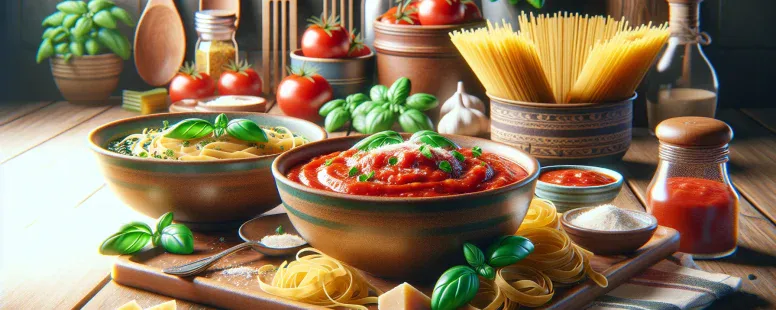
Picture yourself swirling a fork through a steaming plate of spaghetti as the aroma of simmered tomatoes and herbs fills the air. You dip your bread into a glossy red sauce and wonder—what makes this taste so distinct? Is it pasta sauce or marinara gracing your table tonight?
You might think all red sauces are created equal but there’s a world of subtle differences hiding in every spoonful. Unlocking the secrets between pasta sauce and marinara could transform the way you cook and savor Italian dishes. Discover how choosing the right sauce can elevate your meals and surprise your taste buds with flavors you never expected.
Understanding the Basics: Pasta Sauce vs Marinara
Picture yourself swirling spaghetti on your fork, red sauce glistening in candlelight as laughter echoes through the kitchen. That sauce—what do you call it? Is it pasta sauce, or marinara? You might wonder if they’re the same, or if one brings more drama to your dish than the other. Ask an Italian grandmother, and she’ll tell you, “Marinara’s not just another pasta sauce—it’s tradition, simplicity, passion in a pot.” In contrast, chefs in New York’s Little Italy pile on herbs, veggies, even meat, transforming their pasta sauce into a hearty symphony.
Pasta sauce covers a wide spectrum of tomato-based blends—think Bolognese, arrabbiata, puttanesca (Serious Eats, 2023). These sauces can simmer for hours and often embraces onions, garlics, basil, and sometimes ground beef or sausage to create robust layers of flavor. While a jarred pasta sauce in your grocery aisle might promise “classic,” expect a medley of tastes, aromas, and semantic entities—from extra-virgin olive oil to crushed tomatoes and dried oregano.
Marinara, on the other hand, offers a streamlined and vivid profile. Traditionally, it’s just olive oil, garlic, tomatoes, and salt—sometimes basil. Quick to cook, usually under 30 minutes, marinara celebrated in Naples for topping pizza or as dip for mozzarella sticks. Think of marinara like a jazz solo—free-spirited, light, and fresh. If you’re rushing home after work, marinara’s brisk tempo fits right in, giving your weekday dinner a dash of Italian authenticity without the weight of a full symphony.
One question to ponder: Can you use marinara as a pasta sauce? Technically yes, but the semantic field shifts. The taste will be lighter, the meal less filling. Picture layering a baked ziti with just marinara—would your guests miss the richness of meat and wine simmered into a classic tomato sauce? By exploring both, you open up choices: go bold with a chunky, meaty ragu, or let pasta shimmer under a light, zesty marinara.
Stories interweave in kitchens across the world. Your neighbor might recall her grandmother simmering Sicilian sugo for three hours, filling the house with the sweetness of fennel. Another friend might praise the quick tangy kick of marinara he learned to make during college nights in Rome. These narratives reveal nuances; neither sauce rules the table. Choices depend on tradition, craving, or even time.
So, next time you ladle sauce onto pasta, which flavor story will you tell? Are you ready to take a side—or will you stir up both marinara and pasta sauce, letting each bring a facet to your Italian cooking repertoire?
Key Ingredients and Flavor Profiles
Exploring the key ingredients and flavor profiles of pasta sauce and marinara helps you understand their unique character in Italian cooking. Each sauce carries its signature blend of elements, such as fresh herbs or rich aromatics, that shapes your dining experience.
Common Ingredients in Pasta Sauce
Tomatoes form the base for pasta sauces, whether you’re cooking a hearty Bolognese or a spicy arrabbiata. Most recipes use onions, garlic, and olive oil as an aromatic starting point. Many robust pasta sauces include ground beef, pork, or Italian sausage, like in ragù or meat sauce, thickening the texture and deepening the umami. Some versions blend in carrots, celery, or bell peppers—mirepoix elements that add sweetness and complexity.
Cream, milk, or cheese can transform tomato-based pasta sauces into creamy variations, as seen in vodka sauce or alla panna. Italian seasoning blends, such as oregano, basil, and thyme, intensify the flavor profile, while red pepper flakes deliver a fiery punch in spicy varieties. Though jarred pasta sauces on grocery shelves (e.g., Barilla Tomato & Basil or Rao’s Arrabbiata) often contain preservatives and added sugars, homemade sauces let you control every ingredient for fresher results.
Essential Components of Marinara
Marinara sauce combines pantry staples into a bright, straightforward sauce. You’ll always find olive oil, garlic, crushed or plum tomatoes, and a pinch of salt as the backbone of any true marinara recipe. Occasionally, a few basil leaves or sprigs of parsley infuse herbal notes without overpowering the clean tomato flavor.
Cooks sometimes toss in a pinch of red pepper flakes for subtle heat, but anchovies, meats, and cream don’t belong in classic marinara—these would muddy its lightness. In an old Neapolitan kitchen, you’d simmer marinara for just 20-30 minutes, never hours, so the tomatoes remain tangy and fresh.
Ask yourself, does your sauce sing with brightness or linger with savory complexity? Marinara invites tomatoes to be the stars, while pasta sauces craft a deeper chorus of flavors with diverse supporting ingredients. Use these details to inspire your next meal—each sauce can tell a different story on your plate.
Cooking Methods and Preparation Time
Cooking methods for pasta sauce and marinara differ in complexity, ingredients, and duration, impacting taste and texture. Preparation time often influences your choice, especially on busy evenings or for special occasions.
How Pasta Sauce Is Made
Pasta sauce, including Bolognese or arrabbiata, usually involves several stages. You start by heating olive oil and sautéing onions, garlic, or celery to build depth. Next, you might add carrots, bell peppers, or fennel, layering more flavors—consider hearty favorites like sausage or ground beef for meat-based sauces.
Simmering occurs slowly, with sauces like Bolognese sometimes bubbling for two hours. Tomato paste, crushed tomatoes, and red wine deepen the blend. Fresh basil, oregano, or thyme join later, letting the aroma intensify as the sauce thickens. Once finished, pasta sauce has a rich, velvety feel due to long simmering and the gradual integration of vegetables and spices.
If you compare, jarred sauces cut down on cooking, but they tend to miss the robust complexity of your homemade version. Many chefs (see Marcella Hazan’s classic techniques) treat cooking time as the secret ingredient, coaxing umami from every morsel.
Preparing Traditional Marinara
Marinara, the quick canvas of Italian kitchens, shines with speed and simplicity. You heat olive oil, add a tumble of chopped garlic, then stir in crushed tomatoes and a sprinkle of salt within five minutes. Sometimes you’ll throw in a handful of basil or a pinch of chili flakes—nothing more.
Simmering lasts 20 to 30 minutes. During this time, the sauce transforms but keeps its bright tomato flavor. There’s no need to babysit the pot; you just stir occasionally, letting the aroma fill your kitchen.
Classic marinara never features meat or cream. It’s a minimalist’s dream, often made on a whim with pantry staples. That freshness and rapid cooking let it pair perfectly with spaghetti or eggplant parmesan.
Here’s a quick comparison of prep and cooking times:
Sauce Type
Typical Prep Time
Simmering Time
Main Ingredients
Pasta Sauce
15-30 min
1-3 hr
Tomatoes, onions, meats, herbs
Marinara
5-10 min
20-30 min
Tomatoes, garlic, olive oil, basil
Next time, ask yourself—are you craving the comfort of hours enveloped in aroma, or the joy of a bright, quick sauce dancing atop your favorite noodles? Either choice, your kitchen tells a story with every simmered or hurried batch.
Typical Uses in Italian Cuisine
You discover difference between pasta sauce and marinara most in classic Italian dishes. Both sauces share roots in Italian tradition, but each brings unique qualities to your table.
When to Use Pasta Sauce
Use pasta sauce when you want richness, heartiness, and a comforting meal. Lasagna, baked ziti, and spaghetti Bolognese all benefit from thick, slow-simmered sauces thickened with ground meats, mushrooms, or cream. You pour a deep, savory ragù over tagliatelle for a meal that warms your entire kitchen. If your family celebrates Sunday dinners, maybe you recall Nonna letting her tomato sauce bubble for hours, filling the house with the scent of basil and garlic. Complex sauces pair well with sturdy pasta shapes like rigatoni and penne. According to La Cucina Italiana, layered pasta dishes depend on robust sauces for texture and depth. Choosing pasta sauce invites you to experiment—do you add Italian sausage? Sauté onions longer? Every batch tells a new story.
Best Dishes for Marinara
Choose marinara for lighter fare and quick meals. Classic examples include spaghetti al pomodoro, eggplant Parmesan, and pizza Margherita. Because marinara’s bright tomato flavor comes from fast cooking, you pour it over angel hair or spread it onto a pizza base, noticing how it lifts mozzarella with delicate acidity. In Naples, chefs ladle marinara onto pasta in seafood dishes like spaghetti alle vongole, keeping the focus on briny clams. Rushed weeknights transform with a simple bowl of penne tossed in fresh marinara. Is fresher, simpler always better? Authentic Italian cookbooks suggest marinara sauce matches best with light cheeses, vegetables, or seafood—never overwhelms, always complements. Some say marinara captures summer, even in the coldest winter, through pure tomato flavor.
Nutritional Differences
Jump into nutritional differences and you’ll quickly spot how pasta sauce and marinara create different stories on your plate and in your body. Pasta sauce often delivers a robust mix of ingredients—think ground beef, heavy cream, wine, and grated cheeses—each one contributing unique calories, fats, and proteins. Marinara, with its minimalist Italian charm, keep things light, making it the breeze-and-sunshine cousin to it’s fuller-bodied relative. Does that jar on your store shelf with “four cheese” or “meat lovers” on the label add excitement or a hidden calorie punch?
Consider a ½ cup serving. According to USDA data, marinara typically holds 70 calories, 2.5g fat, and 5g sugar, while classic meat or cream-based pasta sauces can leap to 120-180 calories, with up to 9g fat and 8g sugar (USDA FoodData Central). Parmesan swirled in, or sausage simmered long, nudges nutrition data in unexpected directions.
Sauce Type
Calories (per ½ cup)
Fat (g)
Sugar (g)
Protein (g)
Marinara
70
2.5
5
2
Meat Pasta Sauce
150
7
6
7
Creamy Pasta Sauce
180
9
8
4
Vegetarians might love marinara’s simplicity, but those seeking a protein boost will chase after meat-laden pasta sauces. Athletes, weight-watchers, and foodies all confront these numbers. Try imagining how a handful of fresh basil, a drizzle of olive oil, and a sprinkle of Parmesan can tilt nutritional values as dramatically as a sea breeze sweeps through a Tuscan vineyard.
Do you reach for hearty sauces after a long day, searching for comfort, or does the zesty lightness of marinara call out when you need something easy? Experts at Healthline advise anyone with sodium sensitivity to check labels—creamy and meat-based sauces, jarred for convenience, often creep high with salt and preservatives.
Flavor might delight the senses, but ingredient lists and nutrition labels quietly shape your experience. Ponder the next time you twirl your fork: Are you craving warmth and indulgence, or clarity and wit? Every sauce, like every dinner guest, brings a different story, a different energy, and a unique impact on your plate.
Which One Should You Choose?
You face a classic question at your own kitchen crossroads: pasta sauce or marinara? Maybe you’ve stood before your pantry, spoon in one hand, fresh spaghetti in the other, wondering which jar’s story matches your evening’s craving. Picture, it’s a cool evening, and you want comfort—a hearty, slow-simmered Bolognese sauce (pasta sauce) could wrap your pasta in warmth like a blanket, thick with ground beef, tomatoes, and red wine. But if sunlight seeps through your window and you’re after something light, then marinara—simple, zesty, and quick—may sing your name.
Surprisingly, Italian grandmothers (“nonnas”) in Naples passes down their marinara secrets with pride, favoring it for pizza bases and seafood linguine because it let the freshness shine. In contrast, trattoria chefs in Bologna might argue passionately for the complexity of ragù, layering flavor upon flavor over hours. Which tradition speaks to you depends less on rules and more on narrative—do you want the comfort of a family gathering, or the rush of a quick midday meal?
Here’s a breakdown for your own decision tree:
Consider Occasion: If you entertain guests or mark a special event like Sunday suppers, robust pasta sauces with mushroom, cream, or spicy sausage impress and satisfy. For weeknight meals or kids’ lunches, marinara offers speed and a lighter taste, helping you enjoy without feeling weighed down later.
Analyze Preferences: If you desire a protein boost after a workout, meat-based pasta sauces energize your plate, delivering iron and B vitamins (USDA, 2022). When you crave simplicity and want to savor juicy tomatoes, choose marinara. It’s vegetarian, gluten-free, and doesn’t compete with fresh toppings like basil or mozzarella.
Watch Nutrition: Table below shows how calories and ingredients stack up. For calorie-conscious eaters, marinara offers a lighter profile, while richer sauces can fit higher-energy diets or indulgent occasions.
Sauce Type
Typical Calories (½ cup)
Fat (g)
Protein (g)
Primary Uses
Marinara
70
2.5
2
Pizza, spaghetti, seafood pasta
Meat/Cream Pasta Sauce
120-180
5-9
5-10
Lasagna, baked ziti, hearty dishes
Vegetable Pasta Sauce
90
3
3
Primavera, lighter pasta meals
Have you noticed the aroma differences? Marinara often bursts with garlic and fresh basil, while a hearty pasta sauce may hides nutmeg and wine beneath layers. Some chefs call marinara a “stage,” letting your other ingredients dance, while pasta sauces are a “main act,” setting the evening’s theme. What kind of orchestra do you want on your dinner plate?
Think about dietary needs. If sodium lurks as your concern, jarred sauces sometimes contains 400 to 600 mg per serving (FDA, 2023). Homemade marinara allows you to control salt levels and sources, enhancing both health and flavor.
If you scroll food forums or Reddit threads, you’ll find stories of last-minute marinara saving weeknights, or grand sauce experiments gone epically delicious—or sometimes disastrous! One home cook replaced ground beef with lentils, discovering a new family favorite, while another’s first try at marinara ended with sauce splatter but rave reviews.
Would you stick to family tradition, or rewrite your own? Both marinara and pasta sauce offer alleys for creativity and nostalgia. Next time you choose, ask yourself: are you craving a “hug” from your meal, or just a cheerful “hello” from every fresh bite? Go ahead—let your mood and taste buds do the choosing.
Conclusion
Choosing between pasta sauce and marinara gives you the freedom to experiment and discover new favorites in your kitchen. Your decision can be guided by the flavors you crave, the time you have, or the traditions you want to honor.
Let your next meal reflect your mood and taste. Whether you’re after something light and fresh or rich and hearty, both sauces offer a chance to elevate your Italian dishes and make every bite memorable.
To provide the best experiences, we use technologies like cookies to store and/or access device information. Consenting to these technologies will allow us to process data such as browsing behaviour or unique IDs on this site. Not consenting or withdrawing consent, may adversely affect certain features and functions.
Functional
Always active
The technical storage or access is strictly necessary for the legitimate purpose of enabling the use of a specific service explicitly requested by the subscriber or user, or for the sole purpose of carrying out the transmission of a communication over an electronic communications network.
Preferences
The technical storage or access is necessary for the legitimate purpose of storing preferences that are not requested by the subscriber or user.
Statistics
The technical storage or access that is used exclusively for statistical purposes.The technical storage or access that is used exclusively for anonymous statistical purposes. Without a subpoena, voluntary compliance on the part of your Internet Service Provider, or additional records from a third party, information stored or retrieved for this purpose alone cannot usually be used to identify you.
Marketing
The technical storage or access is required to create user profiles to send advertising, or to track the user on a website or across several websites for similar marketing purposes.