Best Substitute for Meat Protein
Did you know that nearly 40 percent of people worldwide are cutting back on meat for health or environmental reasons?
Imagine discovering a substitute that transforms your meal into a symphony of flavors and textures, like a hidden treasure waiting to be uncovered. Choosing the right meat protein replacement can turn everyday dishes into vibrant, nourishing experiences.
From the creamy richness of soy-based options to the hearty bite of legumes and grains, each has its own story to tell. Surprisingly, some of these plant-based wonders can boost your energy levels more effectively than traditional meat.
Whether you’re seeking a healthier lifestyle or a more sustainable planet, exploring these alternatives is like opening a door to a new world of culinary possibilities.
Why Switch to Meat Protein Substitutes?
Switching to meat protein substitutes means replacing meat with plant-based or lab-grown options. These alternatives often have benefits that go beyond just taste.
First, they are usually healthier. Meat substitutes tend to have less saturated fat and cholesterol, which can help lower the risk of heart disease. For example, brands like Beyond Meat and Impossible Foods make products that taste similar to beef but with fewer unhealthy fats. Some people worry that eating too much meat can lead to health problems, so plant-based options can be a better choice for their health.
Second, choosing meat substitutes is better for animals. Many of these products come from plants and don’t involve killing animals. If you care about animal rights, switching can help reduce animal suffering. Imagine farms where animals are raised just for meat—many people find that upsetting. By eating plant-based, you can feel good about not supporting those practices.
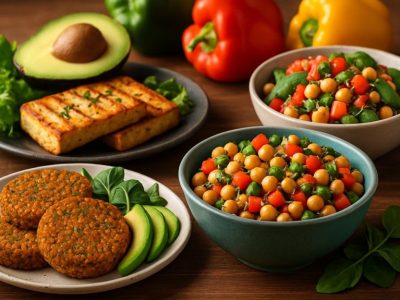
Third, meat substitutes can expand your cooking options. You can create burgers, tacos, or stir-fries with new flavors. For example, trying a spicy chickpea burger or a tofu scramble can make your meals more interesting. This encourages culinary creativity and helps you enjoy meals in new ways.
Fourth, making the switch helps the environment. Producing plant-based foods usually uses less water, land, and energy. It also produces less pollution. For example, a study from the University of Oxford shows that eating less meat can cut your carbon footprint significantly. This is good for the planet, especially with climate change becoming a serious issue.
However, some people face challenges when switching. Plant-based options can be more expensive or hard to find in some areas. Also, not everyone enjoys the taste or texture of substitutes. Some critics say that processed plant-based foods can be high in sodium or additives, so it’s best to choose whole, natural options when possible.
Two viewpoints exist. One says that replacing meat is great for health and the environment, but others worry about how processed some substitutes are. It’s smart to read labels and choose whole foods like beans, lentils, and vegetables as well.
Comparing Protein Content in Meat Protein Substitutes
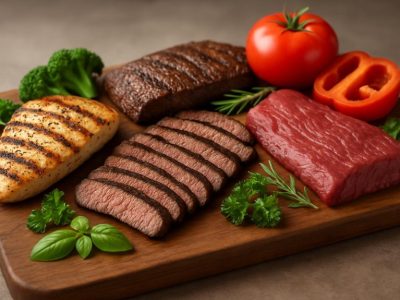
Protein content in meat substitutes varies a lot, so it’s good to know what to look for. The main thing is to compare how much protein they have and how easily your body can use it. Some options like soy and pea protein have protein levels similar to real meat and are easy to digest. That means your body can absorb most of the protein they offer. Other plant foods, like certain grains or vegetables, have less protein and are harder for your body to absorb well. Mixing different plant proteins can make up for lower amounts and improve the overall quality of the protein you get.
For example, if you pick a soy burger, it probably has as much protein as a beef patty. But if you choose a grain-based substitute, like some veggie burgers made from oats or rice, they might not give you as much protein. Keep in mind, some brands like Beyond Meat or Impossible Foods focus on high-protein plant options, but always check the nutrition label.
There are two sides to consider. Some say plant-based proteins are just as good as meat if you choose the right ones and prepare them well. Others warn that many plant options lack essential amino acids or aren’t absorbed as efficiently. So, to get enough protein, it’s smart to combine different plant foods or choose products that are fortified.
In the end, many meat substitutes can give you enough protein if you read labels carefully and plan your meals. But don’t rely solely on one type. Think of it like building a house – you need a mix of strong materials to make sure it’s solid.
Top Legumes as Meat Protein Substitutes
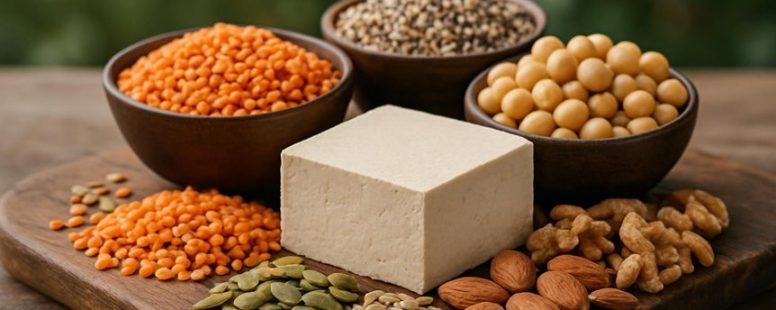
Legumes are a top choice when you want a plant-based protein that can replace meat. They are rich in protein, fiber, and minerals like iron and magnesium. Some popular legumes include lentils, chickpeas, and black beans. These foods are versatile and can be used in many recipes, from soups to salads.
Lentils are small and cook quickly. They are high in protein and fiber, making them a filling option. Chickpeas, also called garbanzo beans, are famous for dishes like hummus and falafel. Black beans are common in Latin American dishes and are packed with nutrients.
Some people prefer legumes because they are cheaper than meat and better for the environment. However, they might not satisfy everyone’s protein needs the same way meat does. Also, some people find beans cause gas or bloating.
Nutritional Benefits of Legumes
Legumes are a great source of plant-based protein. They are easy to cook and provide many nutrients your body needs. When prepared correctly, they become easier to digest and help build muscles. Unlike some plant foods, legumes have a good balance of amino acids, fiber, and vitamins. There are many types of legumes like beans, lentils, and chickpeas, so you can try different flavors and textures while eating healthy.
Here’s what makes legumes stand out:
- They help repair muscles because of their high-quality protein.
- Their fiber helps keep your digestion regular and gives you steady energy.
- They are full of vitamins and minerals that boost your immune system and keep you healthy.
Some people worry that legumes can cause bloating or gas. That’s true if you eat too much or don’t prepare them right. But cooking them well and eating in moderation can help avoid these problems. Also, while legumes are healthy, they may not have all the nutrients that meat provides, so it’s good to eat a variety of foods.
In the end, legumes are a smart choice if you want a filling, nutritious meat alternative. They can be part of a balanced diet, but remember that no single food can do everything. Always try to eat a mix of different healthy foods for the best benefits.
Popular Legume Varieties
Legumes are a great source of plant-based protein and are often used as meat substitutes. Some of the most popular types are lentils, chickpeas, black beans, and kidney beans. Each one has its own texture and flavor, which makes them good choices for different recipes.
Lentils are small and cook quickly. They soak up spices well, so they work great in stews or veggie burgers. Chickpeas are firm and hearty, perfect for roasting or blending into hummus. Black beans and kidney beans keep their shape well, making them good for chili or casseroles.
To cook beans properly, it’s best to soak them first. Soaking helps reduce cooking time and makes them easier to digest. After soaking, just boil them until soft. This simple step makes a big difference in how they turn out.
Some people worry about beans causing stomach troubles. Soaking and cooking them thoroughly can help. But keep in mind that beans may not be as filling as meat for everyone, and some might find they don’t taste exactly like meat. Still, they are a healthy, affordable option for adding protein to your meals.
Are legumes the right choice for you? They can be a good meat alternative, but it’s smart to try different types and see what you like best. Also, check labels on canned beans for added salt or preservatives. Cooking beans yourself is often healthier and cheaper. So next time you want a meatless meal, consider these versatile legumes.
Using Tofu and Tempeh as Meat Protein Substitutes
Tofu and tempeh are popular plant-based proteins used as alternatives to meat. Tofu is made from soybeans and comes in different textures like silken, soft, firm, and extra firm. Silken tofu is smooth and great for smoothies or desserts, while extra firm works well for stir-fries or grilling. Tempeh is made from fermented soybeans and has a nutty flavor with a firm, chewy texture. It works well in sandwiches, salads, or sautéed dishes.
Both tofu and tempeh absorb flavors easily, making them flexible for many recipes. For example, marinating tofu in soy sauce or tempeh in spices can turn bland blocks into tasty bites. They are also high in protein, which is important if you’re trying to eat less meat but still need enough protein for your body.
Some people worry that tofu and tempeh might not taste good on their own. That’s true—they need seasoning or sauces to bring out their best flavors. Also, some worry about soy allergies or GMOs in soy products. To avoid these, look for organic brands or labeled non-GMO tofu and tempeh.
There are two sides to consider. Some folks say tofu and tempeh are healthy and help cut down on meat intake. Others argue that they might contain additives or be heavily processed, which could be less healthy. Plus, not everyone enjoys the taste or texture, so trying different brands or recipes is key.
If you want to add more plant-based proteins to your meals, tofu and tempeh are good options. Just remember, they’re not magic solutions—they need proper preparation and seasoning to taste great. Would you try them in your next meal? Or do you still prefer other protein sources?
Seitan: The Wheat-Based Meat Protein Substitute
Seitan is a plant-based protein made from wheat gluten. It’s a popular meat substitute because it’s high in protein and can be cooked in many ways. If you want to get the best results when preparing seitan, here are some simple tips and methods.
First, to cook seitan well, start by mixing wheat gluten with water or broth until it forms a dough. Then, knead it for a few minutes until it becomes smooth. This step helps develop the chewy texture that makes seitan so similar to meat.
Next, shape your seitan into cutlets, strips, or chunks depending on what dish you want to make. To add flavor, simmer it in a broth with soy sauce, garlic, and spices for about 30 minutes. This makes it tastier and gives it a nice meaty flavor.
You can also customize seitan by adding ingredients like turmeric for color or nutritional yeast for extra flavor. For example, some people like to marinate seitan in barbecue sauce before baking it, which gives it a smoky taste. Remember, seitan can get dense if overcooked, so keep an eye on the simmering time.
Some cooks prefer frying seitan after boiling, which creates a crispy outside. Others like to bake it for a healthier option. Both methods work, but each gives a different texture.
A quick warning: while seitan is high in protein, it’s not suitable for people with gluten allergies or sensitivities. Also, if you’re new to cooking with seitan, it can be tricky to get the texture just right. Practice makes perfect.
In short, seitan is a flexible and tasty meat substitute. It’s best when you knead it well, simmer in flavorful broth, and experiment with different seasonings and cooking styles. With a little practice, you can turn it into a delicious part of your plant-based meals.
Seitan Nutritional Profile
Seitan is a popular meat substitute made from wheat gluten. It is known for being high in protein and low in fat. Many people choose seitan because it can replace meat in recipes and is easy to prepare.
Compared to other plant-based options like tempeh, seitan has a dense, chewy texture that feels similar to meat. Tempeh, made from fermented soybeans, has more flavor and is higher in fiber, but seitan often tastes milder and absorbs flavors well. Some people like seitan because it cooks quickly and can be shaped into different forms, making it versatile for many dishes.
Seitan’s nutrition makes it a healthy choice for those looking to support muscle growth or reduce fat intake. It contains lots of protein, very little carbohydrates, and no cholesterol. That means it is good for heart health. However, it is not suitable for everyone. People with gluten allergies or celiac disease should avoid it because it is made from wheat gluten.
One reason some choose seitan is because it is more environmentally friendly than raising animals for meat. Growing wheat takes less land and uses fewer resources. Plus, seitan can be stored easily in the fridge or freezer, so you can make meals ahead of time.
But there are some downsides. Seitan can be bland on its own, so you need to add spices or sauces to make it tasty. Also, not everyone likes its chewy texture. Some people find it too dense or rubbery.
In the end, seitan is a good plant-based protein option if you like wheat gluten and want a meat-like texture. Just remember, if you have gluten issues, look for other options. It can be a healthy, sustainable choice, but you might need to experiment to find how you like to cook it best.
Cooking Tips And Techniques
Seitan is a popular plant-based protein that looks and feels like meat. To get the best texture, you need to use the right cooking methods. For example, simmering in broth can make seitan tender, while baking or pan-frying can give it a firmer, meatier bite. Doing a little prep work helps too. Lightly kneading the dough or letting it rest for 20 minutes can make it less chewy.
Seasoning is key. Using soy sauce, garlic, and smoked paprika adds a rich flavor before cooking. If you want to change things up, you can swap wheat gluten with other plant proteins or add mushrooms for more moisture. These small changes keep seitan interesting and versatile for many recipes.
Some people like seitan because it’s a good protein source, but it can be tricky to get just right. Experimenting with different cooking techniques and seasonings will help you find what works best for you. Remember, seitan can be chewy or tender depending on how you prepare it, so don’t be afraid to try different methods.
Will it always turn out perfect? No. Sometimes it’s easy to overcook or underseason it. Still, with practice, you can make seitan taste great and have fun customizing it. Have you ever tried cooking seitan in a slow cooker or grilling it? Those are other ways to mix things up too.
Flavor Variations And Uses
Seitan is a plant-based protein made from wheat gluten. It has a neutral taste, which makes it a blank slate for flavor. You can change its flavor easily by using different cooking methods and seasonings. Here’s how to get the most out of seitan:
First, marinate it in soy sauce, garlic, and smoked paprika. This gives it a smoky, savory taste that many people enjoy. Next, braise seitan with herbs and vegetable broth. This slow cooking adds a rich flavor and makes it more tender. Finally, grill or pan-fry seitan for a crispy outside. This method gives it a texture similar to grilled meat.
Some people like to experiment with flavors. For example, you might try a spicy stir-fry by adding chili paste or hot sauce. Or, make a hearty sandwich filling by mixing seitan with barbecue sauce and mustard. Keep in mind, seitan can be salty, so watch the amount of soy sauce or seasoning you add.
While seitan is very versatile, it does have limitations. It can be high in gluten, so people with gluten sensitivities should avoid it. Also, some might find its texture too rubbery if overcooked. To get the best flavor, follow recipes carefully and taste as you go.
In short, seitan is a blank canvas that can be flavored in many ways. Whether you want it smoky, spicy, or crispy, experimenting with different cooking techniques can make it a tasty part of your meals.
Health and Environmental Benefits of Plant-Based Meat Analogs
Plant-based meat analogs are foods that taste and feel like real meat but are made from plants. They are a good choice if you want a healthier and more eco-friendly diet. These products often have less saturated fat and no cholesterol, which helps keep your heart healthy. Some popular brands include Beyond Meat and Impossible Foods.
People choose plant-based meats because they help the environment. For example, eating less animal meat can lower greenhouse gases and protect forests. Animal farming uses a lot of land and water and causes pollution. Switching to plant-based options can reduce these problems. But, it’s worth noting that some plant-based meats are highly processed and might have added ingredients. So, reading labels is a good idea.
On the other hand, not everyone finds plant-based meats exactly like real meat. Some brands might not taste as good or have a different texture. They may also be more expensive than regular meat. Plus, some people worry about the additives used in these products. So, while they can be a healthier and greener choice, they are not perfect for everyone.
In the end, switching to plant-based meat can be a simple way to eat healthier and help the environment. But it’s good to consider both the benefits and the limits before making it a regular part of your diet. Do you think these foods could work for you? Would you miss the taste of real meat?
Nuts and Seeds as Protein Boosters With Meat Substitutes
Nuts and seeds are great sources of protein, especially when you want to add more without relying only on meat substitutes. They are easy to use and can make meals more tasty and nutritious. You might spread almond butter on toast or mix peanut butter into sauces. Pumpkin seeds and sunflower seeds are crunchy toppings that boost protein in salads or grain bowls.
Here’s why nuts and seeds are useful:
- They contain important amino acids that help complete plant-based proteins.
- Their healthy fats give you steady energy and help you feel full longer.
- They add crunch and flavor, making your meals more enjoyable.
Some people worry about eating too many nuts and seeds because they are high in calories. While they are healthy, eating them in moderation is better if you’re watching your weight. Also, some people have allergies to nuts or seeds, so always check before adding them to your meals.
If you want to include more nuts and seeds in your diet, try these steps: First, pick your favorite—almonds, walnuts, pumpkin seeds, or sunflower seeds. Next, add them to salads, yogurt, or oatmeal. You can also blend nuts into smoothies or spread nut butters on bread. It’s simple and quick!
How to Cook With Meat Protein Substitutes
Meat protein substitutes are a good option for those who want to eat less meat or try new flavors. They are made from different ingredients like soy, nuts, or wheat. To get the best results, it helps to know how to cook them right.
First, try different cooking methods to see what you like. Sautéing makes them crispy on the outside, while baking makes them soft and tender inside. Grilling is also great for a smoky flavor. For example, soy-based substitutes like tofu or tempeh work well with sautéing or grilling. Nut-based options, like almond or cashew meat, taste good when baked with spices.
Next, think about sauces. A thick tomato sauce pairs nicely with soy-based substitutes, giving a rich flavor. Creamy mushroom sauce can make nut-based options taste even better. It’s best to add sauces near the end of cooking so they don’t overpower the subtle flavors of the meat substitute.
Some people warn that cooking times can vary a lot depending on the type of substitute. Overcooking can make them dry, while undercooking can leave them mushy. Also, not all substitutes hold up well to grilling or baking, so it’s good to read instructions or try small batches first.
A few tips to keep in mind: experiment with different methods, adjust cooking times, and try different sauces. With practice, you’ll find the best way to cook your favorite meat substitutes. They can be just as satisfying and versatile as real meat, and they might surprise you with how many tasty meals you can create.
Combining Protein Sources for Balanced Nutrition
Combining different plant-based proteins helps you get all the amino acids your body needs. These amino acids are the building blocks of protein. If you only eat one kind of plant protein, like beans, you might miss some important amino acids. But if you mix foods like beans and rice or hummus and whole wheat pita, your meals can be complete and full of flavor.
For example, a bowl of black beans with rice gives you all the protein your body needs in one meal. Or try hummus with whole wheat pita bread for a tasty snack that also covers your protein needs. Some people wonder if these combos really work. The answer is yes, they do. Many nutritionists say that combining plant proteins helps make sure you get enough amino acids, especially if you don’t eat animal products.
But there are some limits. If you only eat plant proteins and don’t plan your meals, you might still miss some nutrients. Also, some plant proteins are harder to digest than animal proteins. That’s why it’s good to eat a variety of foods.
On the other hand, some folks prefer to eat complete plant proteins, like soy or quinoa, which already have all amino acids. These can be easier options if you want to keep meals simple. But they can be more expensive or harder to find in some grocery stores.
Complementary Protein Pairings
A quick answer is that combining plant-based proteins helps you get all the essential amino acids your body needs. Many plants don’t have every amino acid in the right amounts, so eating a variety of foods together can make a complete protein. For example, beans and rice are a popular pair because beans are low in methionine but high in lysine, while rice has the opposite. When you eat both, your body gets a balanced mix of amino acids.
Here are some simple steps to make the most of complementary proteins:
- Pick two plant foods that have different amino acid profiles. Good pairings include beans with grains, peanut butter with bread, or lentils with quinoa.
- Include these foods in your meals regularly. You don’t have to eat them at the exact same time, but having them in the same day helps.
- Mix and match to keep your meals interesting. Try black beans with corn tortillas or chickpeas with couscous.
Some people say you need to combine proteins in the same meal every time. While it used to be common advice, experts now say it’s okay if your meals are spaced out during the day. Your body can store amino acids and use them later.
However, there are a few warnings. Relying only on plant proteins can make it tricky to get enough of certain amino acids if your diet isn’t varied. Sometimes, you might need to eat larger portions or include fortified foods or supplements. Always check with a nutritionist if you’re unsure.
People have different opinions on how important perfect combinations are. Some say it’s a simple way to improve your diet, while others think it’s overhyped. Either way, eating a variety of plant foods is generally healthier and more satisfying.
Plant-Based Protein Combinations
Plant-based proteins can be combined to make meals that give you all the amino acids your body needs. Amino acids are the building blocks of protein, and different plant foods have different types. When you eat a mix, like rice and beans, you get all the essential amino acids in one meal. Neither rice nor beans alone has all of them, but together they do. This is similar to how meat naturally has all amino acids.
Mixing grains, legumes, nuts, and seeds helps make your meals more complete and tasty. For example, adding nuts or seeds to a salad with chickpeas makes it richer in protein. Some people worry that plant-based diets don’t give enough protein, but combining these foods can fix that.
However, there are some limits. Not all plant combinations give you enough protein if you don’t eat enough overall. Also, some people find it hard to plan meals with the right mix, especially if they don’t know which foods to combine.
In the end, combining different plant proteins is a good way to get all the amino acids you need without eating animal products. It’s like putting puzzle pieces together to complete the full picture. Do you wonder how to make these combos more exciting? Try adding spicy salsa or your favorite herbs to make plant-based meals more flavorful and fun.
Finding Quality Meat Protein Substitutes to Buy
What are the best meat protein substitutes? The answer depends on what you’re looking for. To find the top options, compare these key points:
First, look for substitutes that provide complete proteins. This means they have all the essential amino acids your body needs. Some brands like Beyond Meat and Impossible Foods use ingredients like soy and pea protein that are good sources of complete proteins. These can help you meet your dietary needs without meat.
Next, check the ingredients list. Choose products with fewer additives and preservatives. A cleaner, more natural taste often comes from simpler ingredients. For example, some mushroom-based substitutes or chickpea options have fewer artificial fillers. These tend to taste better and are healthier.
Finally, consider texture and flavor. Some brands use new ingredients like pea, soy, or mushroom proteins to mimic real meat better. For example, MorningStar Farms offers plant-based products that have a meaty texture. Trying different brands will help you find one that matches your taste buds.
Be aware that some substitutes are highly processed, which may reduce their health benefits. Also, not all products have complete proteins or taste great. It’s worth experimenting with different options to see what works for you. Remember, no substitute is perfect, so balance your choices with a variety of whole foods.

- Best Qhd Ips Monitor - October 5, 2026
- The Best Cyberflix Alternative for Streaming Movies - October 4, 2026
- 7 Free Alternatives to Mobbin for UI/UX Design - October 4, 2026
by Ellie B, Site Owner / Publisher