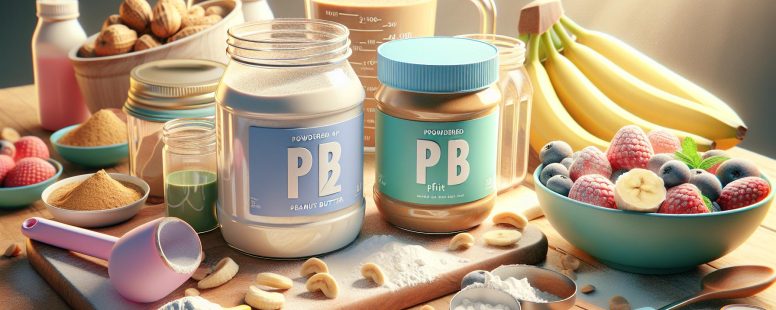
Picture transforming your favorite peanut butter recipes with all the flavor but a fraction of the guilt. Powdered peanut butter has taken the health world by storm, and two names often stand out: PB2 and PBfit. While they might seem interchangeable at first glance, these popular options have unique qualities that set them apart.
Whether you’re blending a smoothie, baking protein-packed treats, or simply looking for a lighter alternative to traditional peanut butter, understanding the differences between PB2 and PBfit can help you make the perfect choice for your lifestyle. From taste profiles to nutritional benefits, there’s more than meets the eye in this nutty showdown.
Overview Of PB2 And PBFit
PB2 and PBfit are popular powdered peanut butter products known for their distinct nutritional profiles and versatile uses. Understanding their unique characteristics helps you make informed choices based on taste, health goals, and personal preferences.
What Is PB2?
PB2 is a powdered peanut butter developed by Bell Plantation. It’s created by pressing roasted peanuts to remove most of the oil, leaving a fine powder with reduced fat content. Mixing it with water creates a smooth peanut butter spread.
The product contains 90% less fat than traditional peanut butter while maintaining a rich flavor. A typical serving (13g) has 60 calories, 1.5g fat, 5g protein, and 1g sugar. The simple ingredient list often includes roasted peanuts, sugar, and salt.
PB2 also offers flavored varieties like chocolate or vanilla to appeal to different tastes.
What Is PBFit?
PBFit is another leading brand of powdered peanut butter produced by BetterBody Foods. Like PB2, it’s made by removing oils from roasted peanuts but includes coconut palm sugar for sweetness and a small amount of salt.
Each serving (16g) provides 70 calories, 2g fat, 8g protein, and 3g sugar—slightly higher in protein compared to PB2 but also containing more sugars per serving size.
This product caters to those seeking an organic option as it includes certified organic ingredients in select versions like Organic PBFit Powdered Peanut Butter.
Both brands offer convenient alternatives for enhancing smoothies or recipes while reducing calorie intake associated with regular peanut butter consumption.
Key Ingredients Comparison
Understanding the key ingredients in PB2 and PBFit clarifies their nutritional differences and impact on flavor. Both brands use roasted peanuts as a base but include unique components that set them apart.
Ingredients In PB2
PB2 primarily contains roasted peanuts, sugar, and salt. The brand focuses on simplicity by using minimal additives to retain a classic peanut butter taste. For example, the chocolate-flavored variety adds cocoa powder while keeping other elements consistent. With no artificial preservatives or fillers, the formula aligns with clean-label preferences.
The reduced fat content comes from pressing peanuts to remove most of their oils before processing them into powder form. This approach maintains protein levels (5g per serving) while significantly lowering fat (1.5g per serving). PB2’s vanilla variants also incorporate natural flavors without increasing caloric values.
Ingredients In PBFit
PBFit includes roasted peanuts, coconut palm sugar, and salt as its primary ingredients. Coconut palm sugar replaces traditional white sugar for a slightly caramelized sweetness and lower glycemic index compared to refined sugars. It contributes to PBFit’s higher sugar content (3g per serving).
Organic varieties feature USDA-certified organic ingredients free from synthetic pesticides or fertilizers, enhancing appeal for health-conscious consumers. The brand retains more peanut oil during production than PB2 does, resulting in 2g of fat and 8g protein per serving—a balance catering to those prioritizing satiety over calorie reduction.
Nutritional Differences Between PB2 And PBFit
Powdered peanut butter offers a lower-calorie alternative to traditional spreads, but PB2 and PBFit differ in key nutritional aspects. Comparing their calorie, protein, sugar, and fat content helps identify which suits your dietary goals better.
Calorie And Protein Content
PB2 contains 60 calories and 5g of protein per 13g serving. Its lower calorie count supports weight-conscious diets while providing moderate protein levels for muscle maintenance. For example, blending PB2 into a smoothie adds nutty flavor without significantly increasing caloric intake.
PBFit delivers 70 calories and 8g of protein in the same serving size. The higher protein makes it ideal for those focused on post-workout recovery or building muscle mass. If you prefer richer formulations with more substantial macronutrient support, PBFit might match your needs better.
Sugar And Fat Content
PB2 includes just 1g of sugar and 1.5g of fat per serving. With minimal added sugars like cane sugar, it’s tailored for individuals monitoring blood glucose levels or reducing sweetener consumption.
PBFit has slightly more sugar at 3g due to coconut palm sugar’s inclusion, offering a natural caramelized sweetness that enhances taste profiles in recipes like baked goods or oatmeal bowls. Its fat content stands at 2g per serving; this slight increase reflects retained peanut oils for improved texture and satiety.
Both options cater to different dietary preferences—PB2 focuses on leaner nutritional values while PBFit emphasizes flavor balance with modestly increased fats and sugars from sourced ingredients.
Texture And Flavor Comparison
When comparing PB2 and PBfit, texture and flavor are crucial aspects to consider. These qualities determine how each product complements various recipes or serves as a standalone treat.
Texture Differences
PB2 has a fine, powdery consistency that blends smoothly when mixed with water or other liquids. It creates a creamy texture resembling traditional peanut butter but lacks noticeable graininess. This makes it ideal for baking applications like cookies or pancakes where a uniform texture is necessary.
PBFit, on the other hand, feels slightly coarser due to its retention of more peanut oil during production. This characteristic contributes to a thicker consistency once rehydrated, offering a richer mouthfeel in smoothies or spreads. If you’re seeking a closer match to regular peanut butter’s dense texture, PBFit might be the preferred choice.
Flavor Profiles
PB2 delivers a mild yet authentic roasted peanut taste with minimal sweetness. Its subdued flavor works well in savory dishes like peanut sauces or marinades without overpowering other ingredients. The chocolate and vanilla varieties add versatility by providing subtle hints of added flavors without excessive sugar content.
PBFit introduces an enhanced sweetness from coconut palm sugar, imparting caramel-like undertones that elevate its overall flavor profile. This added sweetness pairs excellently with breakfast items such as oatmeal or yogurt parfaits. While PBFit’s richness enhances dessert recipes, it may not suit those prioritizing pure peanut flavor over sweetened options.
Usage And Versatility
PB2 and PBfit offer versatile applications, catering to different dietary preferences and culinary needs. Their powdered form provides convenience for enhancing recipes or creating low-calorie peanut butter spreads.
How PB2 Is Commonly Used
PB2 works well in smoothies, baked goods, and savory dishes. Its fine powder dissolves quickly in liquids, making it ideal for protein shakes or smoothie bowls. For example, you can blend 2 tablespoons of PB2 with frozen bananas and almond milk to create a creamy, peanut-flavored smoothie.
Bakers often incorporate PB2 into recipes like cookies or muffins due to its mild roasted flavor that complements other ingredients without overpowering them. In sauces or marinades, PB2 adds a subtle nutty taste without the heaviness of traditional peanut butter.
How PBFit Is Commonly Used
PBFit shines in breakfast items, desserts, and thicker spreads. The coarser texture enhances pancakes or waffles when mixed into batters or drizzled as a reconstituted topping. Stirring PBFit into oatmeal introduces sweetness from coconut palm sugar while boosting protein content.
Its richer consistency makes it suitable for energy bites or no-bake bars; combining PBFit with oats and honey creates an easy snack option. Also, PBFit’s caramelized sweetness pairs well with chocolate-based desserts like brownies or mousse for added depth of flavor.
Both products adapt seamlessly into diverse recipes while offering unique advantages based on their textures and taste profiles.
Price And Availability
PB2 and PBfit differ in pricing and market availability, influenced by production costs, packaging, and distribution strategies. PB2 generally has a lower price point for similar package sizes compared to PBfit. A 16-ounce jar of PB2 costs around $7-$9 in most retail outlets, while the same size of PBFit ranges from $8-$10.
Both products are widely available online and in physical stores. You can find them at major retailers like Walmart or Target, as well as on e-commerce platforms such as Amazon. But, regional differences may affect stock levels; some areas might favor one brand due to local demand or distributor partnerships.
PB2 offers more flavored options like chocolate or vanilla that appeal to diverse consumer tastes but may have limited availability in certain regions. On the other hand, PBFit’s organic variants cater specifically to health-conscious buyers seeking non-GMO alternatives; these tend to be priced slightly higher than their regular counterparts.
Conclusion
Choosing between PB2 and PBFit eventually comes down to your personal preferences and dietary goals. Whether you prioritize lower calories, higher protein, or specific flavor profiles, both options offer unique benefits that can elevate your recipes. By understanding the key differences in taste, texture, and nutritional content, you’re better equipped to select the powdered peanut butter that fits seamlessly into your lifestyle.
Whichever brand you choose, PB2 and PBFit are versatile additions to smoothies, baked goods, and snacks. Their ability to provide rich peanut butter flavor with fewer calories ensures they’re a smart choice for health-conscious individuals looking to enjoy their favorite spreads guilt-free.
To provide the best experiences, we use technologies like cookies to store and/or access device information. Consenting to these technologies will allow us to process data such as browsing behaviour or unique IDs on this site. Not consenting or withdrawing consent, may adversely affect certain features and functions.
Functional
Always active
The technical storage or access is strictly necessary for the legitimate purpose of enabling the use of a specific service explicitly requested by the subscriber or user, or for the sole purpose of carrying out the transmission of a communication over an electronic communications network.
Preferences
The technical storage or access is necessary for the legitimate purpose of storing preferences that are not requested by the subscriber or user.
Statistics
The technical storage or access that is used exclusively for statistical purposes.The technical storage or access that is used exclusively for anonymous statistical purposes. Without a subpoena, voluntary compliance on the part of your Internet Service Provider, or additional records from a third party, information stored or retrieved for this purpose alone cannot usually be used to identify you.
Marketing
The technical storage or access is required to create user profiles to send advertising, or to track the user on a website or across several websites for similar marketing purposes.