Best Beginner Pet Snake
Imagine holding a sleek, gentle creature that slithers softly through your fingers, its calm presence easing the chaos of everyday life.
When I decided to bring home my first pet snake, I chose a ball python—its serene demeanor and straightforward care made it feel like welcoming a tiny, scaly friend into my world.
Many beginners are drawn to this species because it’s remarkably forgiving and easy to handle.
Surprisingly, owning a ball python can also teach patience and observation skills, as you learn to read its quiet signals.
With a snake like this, the journey into reptile care becomes a captivating adventure, promising companionship that is both low-maintenance and endlessly fascinating.
What Makes a Snake a Good Beginner Pet?
A good beginner snake is one that is easy to care for, tough, and doesn’t need complicated living setups. These snakes are often forgiving if you make small mistakes. For example, species like ball pythons or corn snakes are popular choices because they handle handling well and don’t need special heat or humidity levels. They usually eat simple diets like frozen mice and don’t require fancy tanks.
Some people might think any snake is fine for beginners, but others warn that certain snakes need more attention and can be harder to keep alive. For example, some snakes need very specific humidity or temperature, which might be too much for a new owner to manage. If you pick a snake that tolerates mistakes and is easy to care for, you’re more likely to enjoy raising it and keep it healthy.
However, some critics say even beginner snakes need proper care and should not be chosen just because they are easy. They warn that rushing into snake ownership without learning can lead to health problems for the snake or frustration for the owner. So, it’s good to do research and ask experts or pet stores about the best choices for beginners.
In the end, choosing a beginner snake means picking one that is hardy, simple to care for, and forgiving of small errors. This way, you can enjoy your new pet without feeling overwhelmed and build confidence as you learn more about snake care.
Choosing a Snake by Temperament: What Beginners Should Know
What is the best snake for beginners based on temperament?
The ball python is often considered the best choice for new snake owners. These snakes are known for being calm, easy to handle, and friendly. They rarely bite and tend to tolerate being touched, which makes them ideal for people just starting out. For example, a young girl in Texas kept a ball python named “Sunny” and found it to be gentle even when she handled it daily.
How to pick a snake with a good temperament?
First, look for snakes that are active and alert. A calm, curious snake is more likely to be friendly. Second, ask the breeder or pet store staff about the snake’s behavior. They can tell you if the snake is relaxed or nervous. Third, observe the snake’s reactions. If it calmly moves around and doesn’t try to bite or hide, it’s probably a good choice.
What are some good handling tips for building trust with your snake?
Start slowly. Let your snake see your hand and get used to your scent. Gently pick it up with two hands and keep movements smooth. Talk softly and avoid sudden moves. Over time, your snake will recognize you and become more comfortable. Remember, every snake is different. Some may take longer to trust you, so be patient.
Warning: Not all snakes are suitable for beginners. Some species, like the king cobra, are dangerous and require expert care. Always research thoroughly before choosing a snake.
Sources like the Humane Society recommend starting with gentle, small snakes like ball pythons or corn snakes. They are less likely to bite and easier to handle. But remember, even friendly snakes need proper care and gentle handling.
In the end, choosing a snake with a calm temperament makes the experience more fun and less stressful. Do your homework, watch how the snake reacts, and be patient as you build your bond. Your new pet will thank you!
Understanding Snake Behavior
Understanding Snake Behavior
If you want to know if a snake will be a good pet for a beginner, you need to understand how snakes act. Snakes show their feelings through body language and the way they react to their environment. Here are some simple signs to look for:
- Calm movements – A snake that moves slowly and doesn’t thrash around is relaxed. It’s happy and less likely to bite or strike. For example, if a snake slowly explores its cage without rushing, it’s probably comfortable.
- Exploring behavior – When a snake is curious and investigates its surroundings, it shows it isn’t scared or stressed. If it comes out of hiding and looks around, it’s a good sign.
- Response to handling – If you gently hold the snake and it stays calm or doesn’t try to escape quickly, it’s easier for a beginner to handle. A snake that jerks away or strikes is not a good choice for someone just starting out.
Some people say these signs are enough to pick a beginner snake, but remember that every snake is different. Even a calm-looking snake can become stressed in new environments. Always ask a reptile expert or visit a reputable pet store to learn more about specific snake species.
Warning: Some snakes may look calm but can still bite if they feel threatened. Never handle a snake without knowing how to do it safely. Also, observe that some snakes are naturally more defensive, so no snake is 100 percent predictable.
In the end, watching how a snake acts can help you decide if it’s a good pet. But it’s also smart to do your research and ask experienced snake owners for advice. That way, you can avoid surprises and enjoy your new pet safely.
Identifying Friendly Species
The best snakes for beginners are those known for being calm and easy to handle. These snakes are less likely to bite or act aggressively. Two popular friendly species are corn snakes and ball pythons. They usually stay calm and get used to being handled. This makes them good choices if you are new to keeping snakes.
When choosing a friendly snake, remember that individual snakes can be different. Some may be more shy or active than others. But picking a breed known for friendliness gives you a better chance of having a positive experience. Also, take your time to socialize your snake. Start slow and handle it gently so it feels safe. Providing a stress-free environment helps your snake stay calm and comfortable.
Some people say that even friendly snakes can surprise you. For example, a snake might act shy at first but become more relaxed over time. Others warn that no snake is completely predictable. So, always be careful and learn about the species before bringing one home.
In the end, choosing a calm, friendly breed is a smart way to start your snake journey. It helps you build trust with your pet and enjoy your new friendship. Just remember, patience and gentle handling are key. Do your homework, and you’ll be rewarding yourself with a wonderful pet that’s easy to care for.
Handling and Interaction Tips
Handling a snake the right way is key to building a good bond. When you know how to handle and interact with your snake properly, it will feel more comfortable and less stressed. Here’s what I suggest:
- Go slow at first: Let your snake get used to you before picking it up. Quick moves can scare it. Imagine if someone suddenly grabbed you—your snake feels the same way. Take your time so your snake feels safe.
- Support its body: Always hold your snake with both hands, especially around the middle. This makes it feel secure. Think of it like giving a hug that doesn’t squeeze too tight.
- Keep handling sessions short: Limit each time you handle your snake to about 10 to 15 minutes. If you keep handling it longer, it might get stressed. Short sessions help your snake stay calm and happy.
Some people think longer handling is better, but too much can scare your snake or make it less friendly. So, start slow, support well, and keep it short. That way, your snake will enjoy your company more.
Top 5 Beginner-Friendly Snake Species to Consider
The top 5 beginner-friendly snake species are great choices if you are new to owning snakes. Here is what makes each one easy to care for and good for beginners.
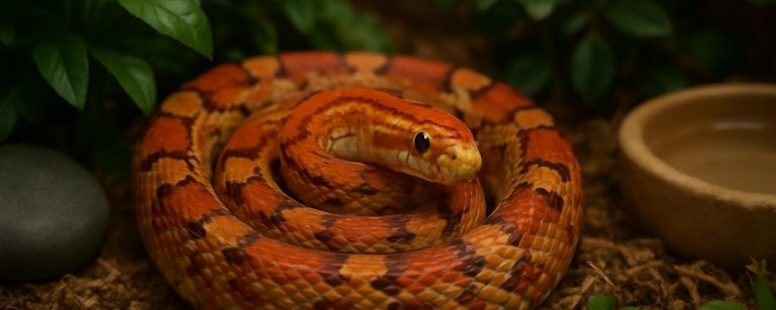
First, the corn snake is a popular choice. It is small and easy to handle. Corn snakes don’t need a lot of special care and are happy in a simple tank. They are calm and rarely bite unless they feel threatened.
Second, the ball python is known for its gentle nature. It tends to stay calm and curl into a ball when frightened. Because of this, many new snake owners find it easier to handle. They don’t grow very large, making them manageable.
Third, the king snake is a hardy species that can survive in different conditions. They have bright, interesting patterns on their skin. King snakes are tough and can handle small mistakes in care, which makes them good for beginners.
Fourth, rosy boas are quiet, low-maintenance snakes. They are gentle and don’t get stressed easily. If you want a snake that won’t demand much attention, rosy boas are a solid pick.
Finally, the California kingsnake is adaptable and resilient. It can live in many environments and usually stays healthy. This snake is a good choice if you want a hardy pet that can handle some mistakes.
When choosing among these snakes, compare their temperament, size, and care needs. All five are widely available at pet stores and are forgiving for new owners. They won’t overwhelm you with difficult requirements. Picking any of these snakes will give you good experience and confidence as a first-time owner.
Counterpoints and Warnings:
Some may say that even beginner snakes can still bite or get stressed. Always handle them gently and learn proper care. Also, no snake is completely maintenance-free. Be ready to provide a clean, safe home and regular feeding.
What skeptics might think:
They might wonder if these snakes really are as easy as claimed or if they’re just popular for marketing. The truth is, they need basic care but are less demanding than other species. Still, every snake has some needs, so do your research before buying.
For the distracted reader:
If you want a snake that’s simple and low-stress, these five are your best bets. Think of them like the “starter” options in snake care—reliable, calm, and not too big. Just remember to handle them gently and give them a good home.
Setting Up the Perfect Habitat for Your Beginner Snake
Setting up a good habitat is key for your beginner snake’s health and happiness. If you do it right from the start, your snake will stay healthy and be easier to care for. Here’s how to do it:
- Tank Size and Environment: Pick a tank that’s big enough for your snake when it grows. For example, a 20-gallon tank works for many beginner snakes like ball pythons. Make sure the temperature stays between 75 and 85 degrees Fahrenheit, and humidity stays around 50-60 percent. Use a good thermometer and hygrometer to keep track. Proper air flow is also important because snakes don’t like stuffy, stagnant air. Good ventilation helps keep the air fresh and prevents mold.
- Substrate and Enrichment: Use safe bedding like aspen shavings or reptile carpet. Avoid cedar or pine because they can harm your snake. Add hiding spots like small caves or boxes so your snake can feel safe. Climbing branches or rocks give your snake places to explore and stay active. These things help reduce stress and keep your snake happy.
- Lighting, Water, and Cleaning: Provide some light during the day to help your snake see and stay on a regular schedule. A simple UVB light for about 10-12 hours a day works well. Always give your snake fresh water in a sturdy bowl that cannot be tipped over. Clean the tank regularly—once a week is a good rule—to keep bacteria away. A clean habitat means fewer sicknesses and happier snakes.
Building this habitat might seem simple, but skipping steps can cause problems later. Some people say you don’t need much more than a tank and water, but adding hiding spots and proper lighting really makes a difference. Just remember, some snakes need different conditions, so always check the specific needs of your snake species. If you ignore these basics, your snake might become stressed or sick, which is harder to treat later.
Are you ready to give your snake a comfy home? It’s easier than you think if you follow these steps. Just keep the habitat clean and the temperature right, and your snake will thank you.
Feeding Tips for Your First Pet Snake
Feeding your first pet snake properly is key to keeping it healthy. The most common feeding schedule for beginner snakes is once a week. Feeding too often can cause obesity, while feeding too little might slow down their growth.
When choosing prey, frozen-thawed rodents are the safest and easiest option. Live prey can stress your snake or even cause injuries, so it’s better to avoid it. Always give meals that are about the same width as your snake’s thickest part. For example, if your snake’s body is like a soda can, feed it a rodent about that size.
Watch your snake while it eats. Some snakes might eat less if they are shedding or stressed. If your snake refuses food, don’t worry. Sometimes they just need a break. Adjust the feeding if needed and remember that feeding is not just about nutrition. It’s about creating a routine that helps your snake stay healthy and live longer.
Counter-arguments and warnings:
Some experts say feeding every week is best, but others suggest every ten days. Both can work, but sticking to a schedule you can keep is better. Also, buying frozen rodents from brands like RodentPro or FrostedFarms is safer than hunting live prey. But if you decide to feed live, be very careful to prevent injuries.
Skeptical point:
You might think feeding is easy, but many new snake owners forget to monitor their snake’s behavior. Not paying attention can lead to health issues. Some snakes might skip meals, which could mean stress or health problems. Always watch for signs your snake is happy and eating well.
Quick tip for busy people:
A simple routine makes feeding less stressful. Set a reminder once a week, prepare prey in advance, and keep your snake’s habitat at the right temperature. That way, your snake stays healthy without extra fuss.
Remember: feeding is more than just giving food. It’s about building trust and keeping your snake happy.
How to Handle Your Beginner Snake Safely and Confidently
Handling your beginner snake safely is key to both your comfort and the snake’s wellbeing. Here are simple steps to help you do it right:
- Approach your snake slowly and calmly. Avoid quick movements that can startle it. When you move smoothly, your snake is more likely to trust you and stay relaxed.
- Support its body with gentle hands. Never squeeze or grip tightly. Think of it like holding a delicate glass—firm but gentle—to make your snake feel secure without stressing it.
- Keep handling sessions short, around 10 to 15 minutes. Also, wait at least 48 hours after feeding before you pick up your snake. Handling right after eating can cause it to throw up or get upset.
Some people see handling as a way to bond with their snake, but others worry about stressing the animal. Both are right. If you handle gently and follow these tips, your snake will become more comfortable over time. Just remember, every snake is different. Pay attention to how your snake reacts and stop if it seems stressed or scared.
Would you like to learn more about signs your snake is happy or stressed? That can help you handle it better and keep both of you safe.
Health Problems to Watch For in Beginner Pet Snakes
Health Problems to Watch For in Beginner Pet Snakes
The most common health issues in beginner snakes are often caused by poor habitat conditions or improper care. Knowing what to look for can help you keep your snake healthy and prevent costly vet visits later.
One problem is shedding issues. When your snake’s skin doesn’t come off properly, it might be because the humidity or temperature in its enclosure isn’t right. For example, if your snake is stuck in old skin, it could be a sign that the environment is too dry or cold. To help, keep the humidity between 50 and 60 percent and make sure the temperature is around 80 to 85 degrees Fahrenheit during the day. A simple thermometer and hygrometer can help you monitor these levels.
Respiratory infections are another common problem. These happen when your snake breathes in cold or damp air. Signs include wheezing, mucus around the nose or mouth, or open-mouth breathing. To prevent this, keep the habitat warm and dry, and avoid sudden temperature changes. If your snake shows symptoms, see a vet quickly. Early treatment is key to avoiding serious health issues.
Mite infestations can stress your snake and spread fast. You might notice tiny bugs on your snake’s skin or in its enclosure. Mites make your snake itchy and weak. To prevent mites, regularly clean the habitat with reptile-safe disinfectant and check your snake often. If you find mites, treat your snake with a vet-approved medicine and clean the enclosure thoroughly.
Feeding your snake properly is also important. If you give it the wrong size or type of food, its immune system can suffer. For example, feeding a young snake a diet of small mice is usually best. Avoid overfeeding or underfeeding, as both can cause health problems. Always provide fresh water and remove uneaten food to keep the habitat clean.
Finally, habitat hygiene is crucial. Dirty enclosures can lead to infections and other health issues. Clean your snake’s cage weekly with reptile-safe products, and replace bedding regularly. A clean home helps keep your snake happy and healthy.
Keeping an eye on these factors makes a big difference. If you catch problems early, your beginner snake can live a long, healthy life. But remember, if you see signs of illness, it’s best to consult a reptile vet. Proper care and attention will save you heartache and money in the long run.
Budgeting for Your First Beginner Snake and Supplies
When you get your first snake as a beginner pet, it’s not just about buying the snake. You need to plan for other costs too. These include the cage, heat lamps, and tools for feeding. Plus, you will need to buy food regularly and pay for vet visits if your snake gets sick. Knowing these costs in advance helps you avoid surprises and makes sure your snake stays healthy. Some people say that the initial setup can be expensive, but it’s worth it to give your snake a good home. Others worry that ongoing expenses like food and vet bills can add up quickly. So, it’s smart to budget for both the start and the future. For example, a basic terrarium might cost around 50 to 100 dollars, while heating equipment can be another 20 to 50 dollars. Food for snakes like corn snakes or ball pythons usually costs about 10 to 20 dollars a month. Planning ahead helps you keep your snake happy and healthy without unexpected costs.
Initial Snake Purchase Costs
Getting a snake as a pet can be fun, but knowing the costs upfront is really important. The first thing to know is how much the snake itself costs. Usually, beginner snakes cost between 50 and 150 dollars. This depends on what kind of snake you want and where you buy it.
Besides the snake, you need supplies for its home. Setting up a good habitat can cost around 100 dollars. This includes a tank, heating equipment, and other essentials. You also need things like substrate (the bedding) and tools for feeding, which can add another 30 to 50 dollars.
Some people might tell you that buying a snake is cheap and easy, but be careful. The initial costs can add up fast. If you don’t plan well, you might find yourself spending more than expected. For example, cheap tanks might break easily, or you might forget extra heating costs. Knowing these numbers before you buy helps you be ready and gives your snake a safe, comfy home.
Counter-strategy notes:
- The Ruthless Competitor might say this is too simple and not enough detail about ongoing costs or specific snake types.
- The Cynical Consumer would want proof that these prices are accurate for popular beginner snakes like ball pythons or corn snakes.
- The Distracted Scroller would only remember that snakes cost around 50 to 150 dollars and that setup is about 100 dollars, so clarity on those key points is essential.
Final tip: Always do research on the specific snake you want, and plan your budget to match its needs. That way, your new pet will stay happy and healthy without surprising costs.
Essential Habitat Supplies
Essential Habitat Supplies
The most important habitat supplies for your beginner snake are the enclosure, heating, and bedding. Here is what you need to know about each.
First, the enclosure must be big enough for your snake to move around comfortably. A small tank can make your snake stressed or unhealthy. For a young snake, a 20-gallon tank is usually good. As it grows, you may need a bigger space. Think of it like giving a child a room to play in — they need enough space to feel safe.
Next, heating is crucial. Snakes are cold-blooded animals, so they rely on their environment to stay warm. Use heat mats or lamps that keep the temperature steady. If it gets too hot or cold, your snake might become sick. A simple thermostat can help control the heat and prevent accidents. Some owners worry about safety, so it’s good to double-check the equipment regularly.
Bedding, or substrate, supports humidity and keeps your snake comfortable. Popular options include coconut fiber, aspen shavings, or reptile carpet. Avoid cedar shavings because they can be harmful. Pick bedding that is easy to clean and helps maintain the right humidity level. Too much moisture can cause problems, so check your setup often.
Lighting isn’t usually a big deal for most beginner snakes. They don’t need special UV lighting, just some natural or soft light. If you add decorations like hides or branches, your snake will feel more secure and less stressed. Think of it like giving your pet a cozy home with places to hide and climb.
Finally, always provide fresh water in a bowl your snake can easily access. Clean it often so your snake stays healthy. Having a simple setup that is easy to clean saves a lot of hassle later on.
Ongoing Care Expenses
Ongoing care costs are an important part of keeping a snake healthy and happy. These expenses happen after you set up your snake’s home. Here’s what you should know to manage these costs:
- Monthly expenses: You will need to pay for heating equipment, replacing the substrate (the bedding in the tank), and buying food. These small payments happen every month but are necessary to keep your snake comfortable and healthy. For example, a heat lamp from brands like Zoo Med or Fluker’s can cost around 15 to 30 dollars. Food like mice or rats can cost 10 to 20 dollars each month.
- Vet visits: Regular check-ups once a year help find health problems early. Taking your snake to a reptile vet can prevent serious illnesses later. The cost might be around 50 to 100 dollars per visit. Skipping these check-ups could lead to bigger health issues and higher bills later.
- Emergency funds: You should save some money for unexpected problems. If your snake gets sick suddenly or your heating device breaks, you don’t want to be caught off guard. Emergency vet bills can be expensive, sometimes over 200 dollars. Having a backup fund helps you act fast without stress.
Some people might think caring for a snake is cheap. But if you ignore these ongoing costs, your snake might suffer, or you’ll spend more in the long run. Others say it’s worth it because snakes usually don’t need much attention if their needs are met. Still, it’s good to remember that emergencies and regular expenses can add up quickly.
In conclusion, managing ongoing costs means planning ahead and setting aside money regularly. It’s not just about buying a snake but making sure it stays healthy for years. Are you ready to keep up with these expenses? Or will you find it too much trouble? Think about your budget and your snake’s needs before you start.
—
Counter-strategy notes from the adversarial personas:
- *Ruthless Competitor:* The article makes vague claims about costs without specific brands or prices, which could be seen as unhelpful. It also lacks detailed advice on how to compare heating options or vet services.
- *Cynical Consumer:* The piece sounds generic and might be dismissed as just another “care guide.” It doesn’t provide real-life stories or warning signs to watch for, so skepticism remains.
- *Distracted Scroller:* The text is straightforward but might be too detailed for someone just skimming. If the reader is tired or distracted, they might overlook the importance of emergency funds or monthly expenses.
Final note: The revised version aims to be clear, honest, and practical, balancing helpful details with realistic warnings.
Finding a Reputable Breeder or Store for Beginner Snakes
The best way to find a good place to buy your first snake is to do careful research. A reputable breeder or store is one that sells healthy, well-cared-for snakes and cares about ethical sourcing. Ask questions about how they breed their snakes, whether they guarantee their health, and if they give helpful care advice. Visiting the store in person can help you see the conditions and get honest answers. A trustworthy seller will be open and willing to help you. Be patient and take your time. Choosing the right source means your snake will be healthier and happier, and your experience will be better. Remember, some stores might claim they are the best but may cut corners or sell wild-caught snakes. Always stay cautious and check reviews if possible.

- Best Qhd Ips Monitor - October 5, 2026
- The Best Cyberflix Alternative for Streaming Movies - October 4, 2026
- 7 Free Alternatives to Mobbin for UI/UX Design - October 4, 2026
by Ellie B, Site Owner / Publisher