Akebia Vs. Passiflora
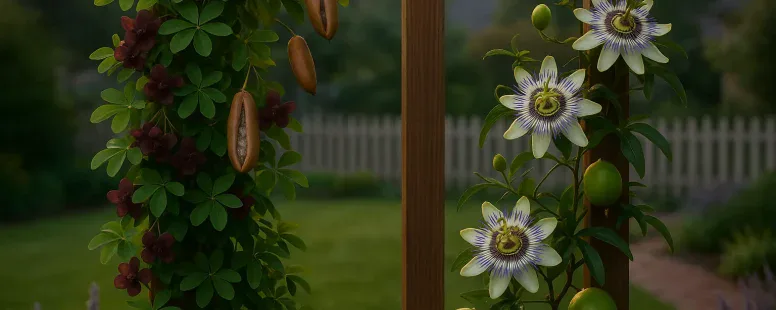
You can smell the garden before you see it: a sweet, almost tropical perfume drifting from a trellis at dusk. Two vines, one with chocolate-scented flowers and slim, sausage-like pods: the other with ornate, starburst blossoms and jelly-like pulp inside a round fruit, both promise drama on a fence. Akebia vs. Passiflora is a choice between sculptural foliage and flamboyant blooms, between edible curiosity and exotic show. This article gives a clear, practical comparison so you can match each vine to your climate, space, and appetite. Read on to find which will thrive on your trellis, which fruit you’ll taste, and where each plant fits best in a real garden.
Botanical Overview And Origins
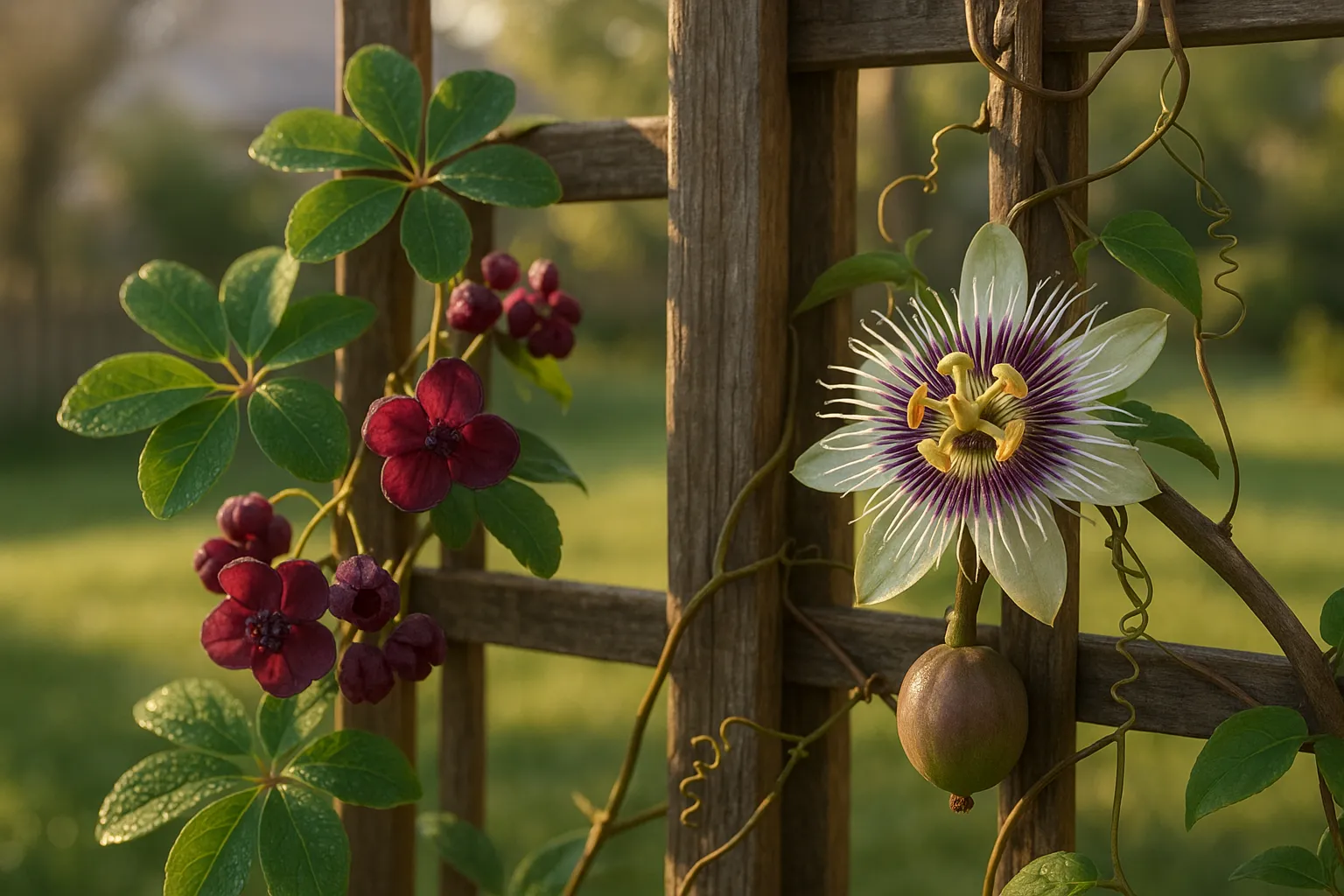
Fact: Akebia quinata and Passiflora spp. come from different plant families and different continents. Akebia quinata (common name: chocolate vine) belongs to the Lardizabalaceae family and originates in East Asia, Japan, China, and Korea. Passiflora includes around 500 species in the Passifloraceae family and is native mainly to the Americas, though some species and cultivars have spread worldwide.
Akebia displays palmately compound leaves with five leaflets and a climbing habit aided by twining stems. The flowers are small, usually maroon or purple in Akebia quinata, with a fragrance that many describe as chocolate or vanilla. The genus name Akebia links to historical Japanese uses and folklore.
Passiflora species range from woody vines to shrubby plants. Famous species include Passiflora edulis (purple passionfruit) and Passiflora caerulea (blue passionflower). Their flowers are complex: a corona of filaments, prominent stigmas, and often vivid colors that attract pollinators. Many Passiflora species produce fleshy fruit with sweet-tart pulp: some fruits are commercially important (e.g., Passiflora edulis) while others are mainly ornamental.
Context and use: The Royal Horticultural Society (RHS) notes Akebia for its ornamental foliage and scent. The USDA lists many Passiflora species with differing hardiness: some tolerate mild frost, others need tropical warmth. You should match species to your local climate and pollinators.
Quick Comparison: Growth Habit, Flowers, And Fruit
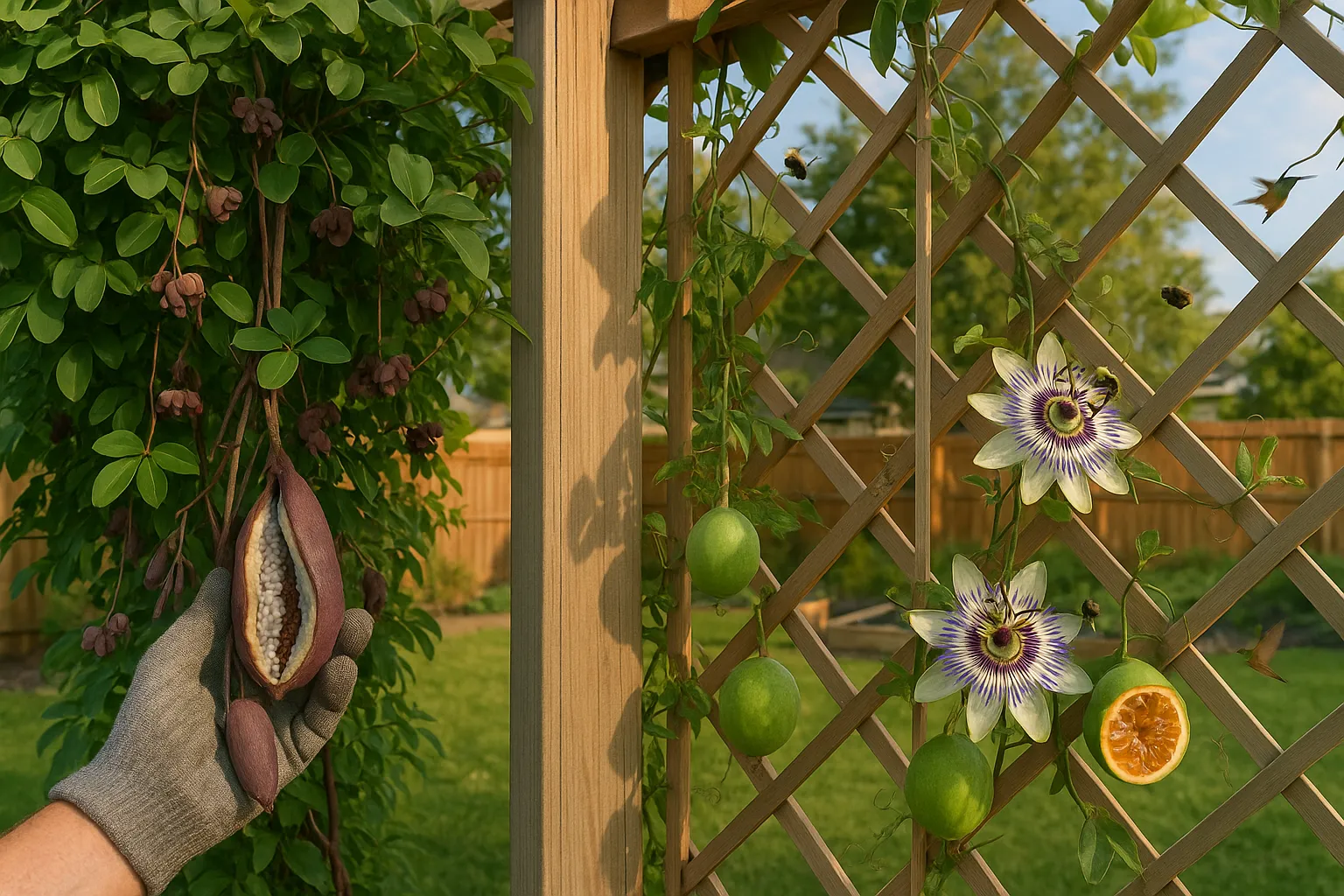
Fact: Akebia and Passiflora differ distinctly in habit, bloom structure, and fruit type. Below are direct, side-by-side comparisons to help you decide quickly.
Growth Habit And Size
Akebia: Akebia grows as a twining, semi-woody vine that can reach 20–40 feet (6–12 m) given strong support. It climbs by twining its stems around structures. Akebia often forms dense screens and can sucker from roots, especially in fertile soils. If you want a leafy privacy screen with minimal floral show, Akebia will deliver.
Passiflora: Many Passiflora species are vigorous climbers too, often reaching 10–30 feet (3–9 m). Some tropical species become woody and more shrub-like in warm climates. Passiflora tends to produce less dense leaf cover but more dramatic flowers. If you prefer showy blooms that stop people in their tracks, pick a Passiflora species such as P. caerulea or P. edulis.
Flower Structure, Bloom Time, And Fragrance
Akebia: Akebia flowers are cup-shaped and modest in size. They appear in spring and early summer and give off a sweet, chocolate-vanilla scent most noticeable on warm afternoons. The flowers are subtle visually but strong olfactorily, think scent-first, sight-second.
Passiflora: Passiflora flowers are botanical fireworks. They have a multi-layered structure with a prominent corona, five petals, and often contrasting colors. Bloom time varies: some species flower in spring through fall, while tropical species may bloom year-round. Fragrance varies widely: many are lightly scented, but the show is visual, intricate patterns, bold colors, and an architectural silhouette that draws pollinators like bees and hummingbirds.
Fruit Appearance, Edibility, And Harvesting
Akebia: Akebia produces elongated pods that split open when ripe to reveal white, sweet pulp around black seeds. The pulp is mildly flavored, some compare it to pear or lychee. Fruit is seasonal and generally small: you might harvest a few per vine. Note: not all gardeners find the taste compelling, but the pods are a curiosity and conversation piece.
Passiflora: Many Passiflora species produce round to ovoid fruits. Passiflora edulis yields classic passionfruit with aromatic, seedy pulp prized for juices and desserts. Passiflora caerulea fruit are larger and less sweet but still edible. Harvest when fruit changes color and yields slightly to pressure. Fruit production depends on pollination, some varieties need insects or hand pollination to set fruit in gardens.
Cultivation Requirements And Garden Performance
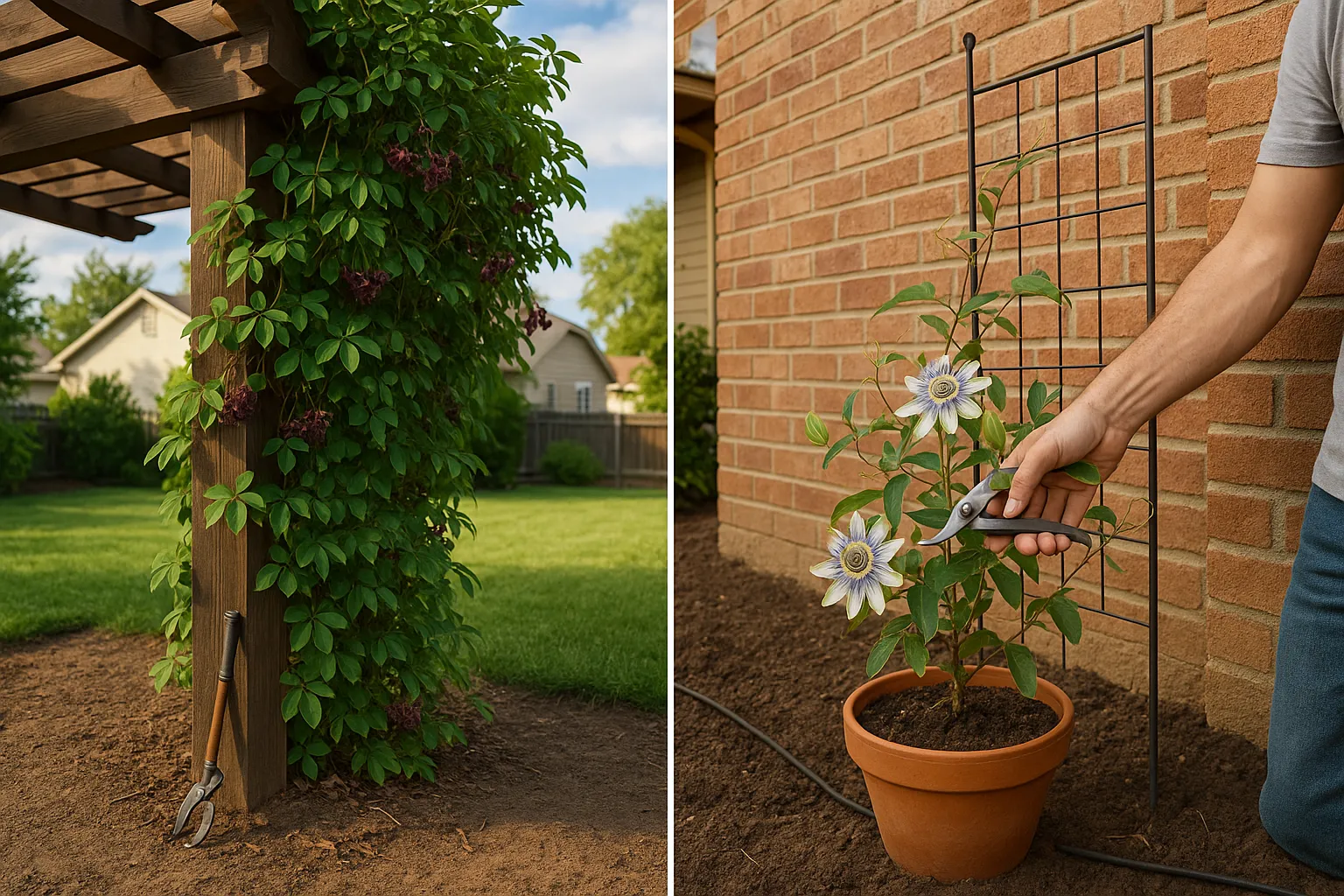
Fact: Both vines prefer support and good drainage, but their climate and pruning needs differ. Choose species that suit your USDA zone and garden microclimate.
Climate, Hardiness Zones, And Microclimate Needs
Akebia: Akebia quinata is hardy to about USDA zone 4–9, depending on cultivar. It tolerates cold winters and short freezes. Akebia thrives in temperate climates with distinct seasons. It tolerates partial shade and benefits from afternoon shade in hot, arid locations. The vine handles coastal wind better than many tropical vines.
Passiflora: Hardiness varies. Passiflora caerulea tolerates zones 6–10 and survives brief frosts: Passiflora edulis typically needs zones 9–11. Tropical species require warm, frost-free conditions. If you live in cooler zones, you can grow some Passiflora types in containers and move them indoors, or grow cold-hardy varieties like P. caerulea. Microclimate matters: a sheltered, south-facing wall helps fruit set and extends blooming.
Soil, Watering, Light, And Support Structures
Soil and Water: Both vines prefer well-drained soil. Akebia tolerates clay better than many tropical vines, but it prefers moderate moisture. Passiflora likes fertile, well-drained loam: consistent moisture encourages flowering and fruiting. Avoid waterlogged roots for either plant.
Light: Akebia performs well in full sun to part shade: in hot climates, part shade is kinder. Passiflora needs full sun for best flowering and fruit production, aim for at least six hours of direct sun.
Support: Stout trellises, arbors, fences, or pergolas work for both. Akebia uses twining stems and can smother thin structures, so give it strong support. Passiflora climbs by tendrils or twining petioles and appreciates open structures that show off its flowers. Regular pruning helps control size and directs energy into flowers and fruit.
Uses And Landscaping Applications
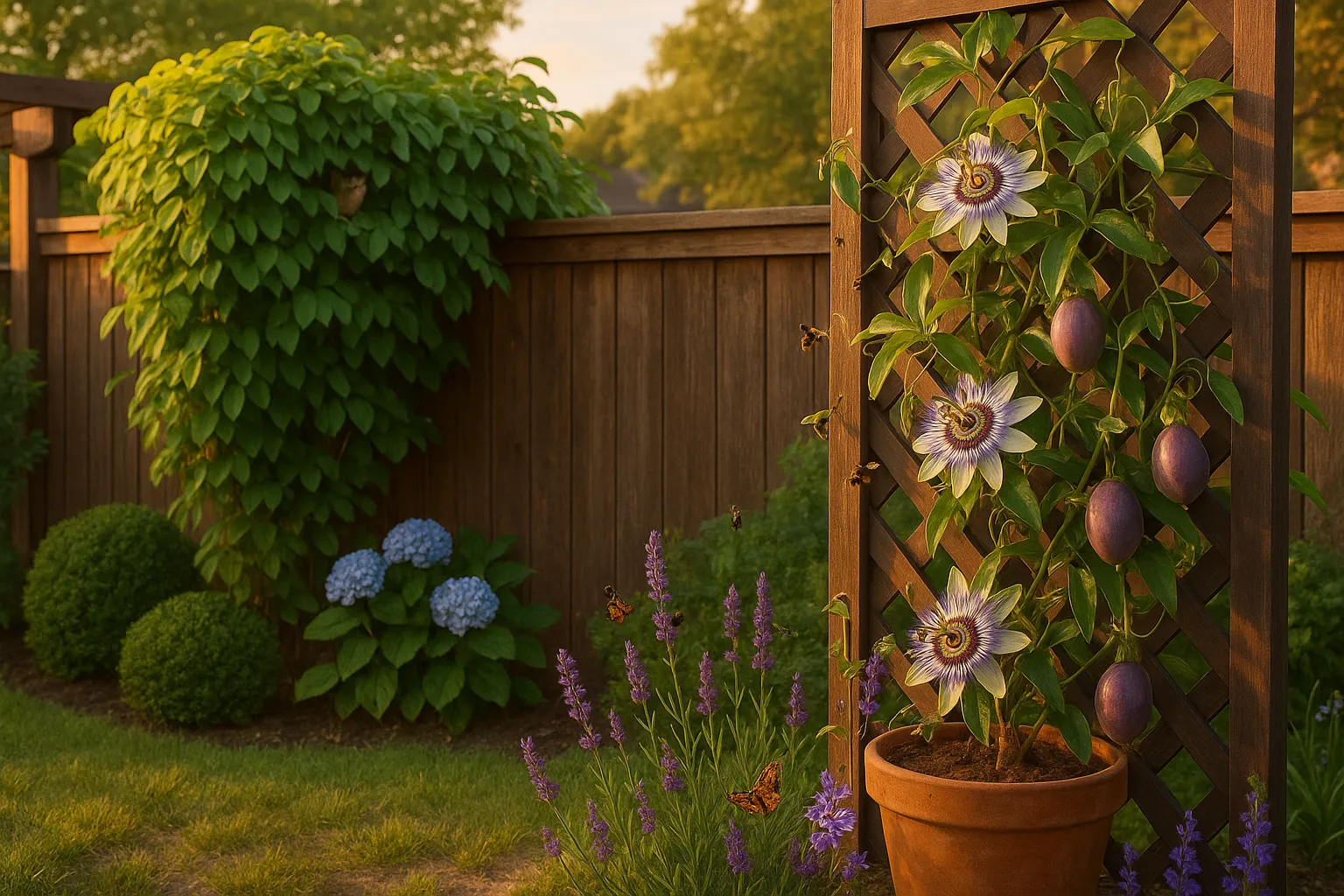
Fact: Akebia makes a dense privacy screen: Passiflora provides striking focal points and edible fruit. Choose based on the main landscape role you need.
Ornamental Screening: Use Akebia on fences, pergolas, or slope stabilization for a thick leaf cover that blocks views. Akebia’s five-leaflet foliage creates a soft, textured backdrop that works well with structural shrubs like boxwood (Buxus) or hydrangea (Hydrangea macrophylla).
Statement Planting: Use Passiflora where you want high visual impact, entryways, trellis near a patio, or a vertical accent. Its flowers reward visitors and photographers. Combine Passiflora with pollinator-friendly plantings such as lavender (Lavandula) and Salvia to encourage bees and butterflies.
Edible Gardens: If you want edible fruit, Passiflora edulis ranks higher for consistent, flavorful yields. Akebia fruit are edible but more novelty: they fit into experimental or forager-style gardens. For small-space edible gardening, grow Passiflora in a container with support and bring it indoors for winter if you’re marginally hardy.
Wildlife and Ecology: Passiflora species are host plants for butterfly larvae, notably Heliconius and some fritillaries in native ranges. Akebia flowers attract bees and some beetles: its dense growth can provide nesting shelter for small birds. Be mindful: in some regions Akebia behaves invasively and can outcompete native understory plants, check local extension recommendations.
Choosing Between Akebia And Passiflora: Practical Recommendations
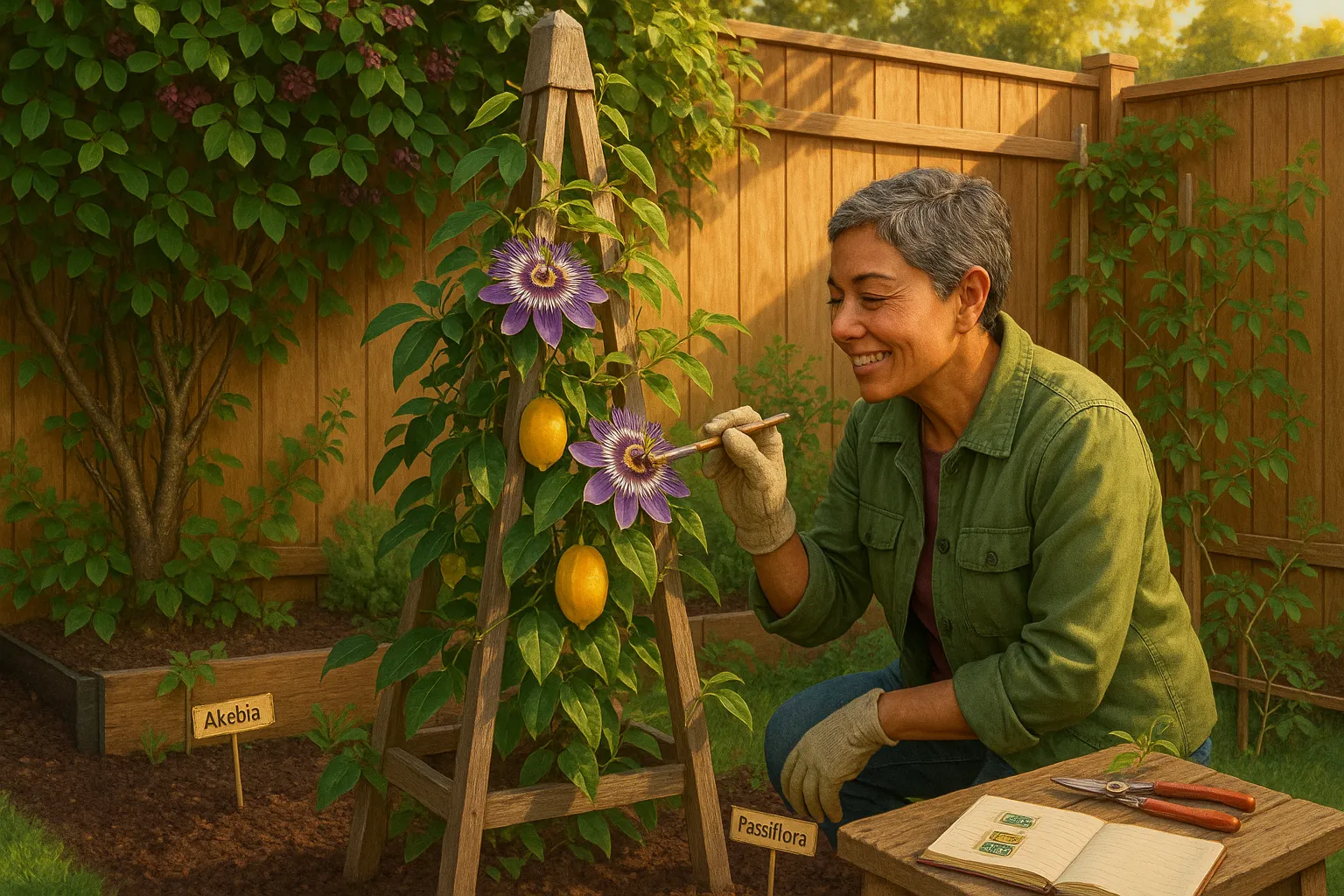
Fact: Your climate, desired effect, and appetite for maintenance determine the better choice. Answer three simple questions to choose.
- What is your USDA zone and frost risk? If you live in zones 4–8 and want a hardy vine, Akebia is safer. If you live in zones 9–11 or can protect plants, choose Passiflora for fruit and bold flowers.
- Do you want foliage screening or floral show? Choose Akebia for dense screens and scented but subtle flowers. Choose Passiflora for spectacular blooms and more obvious ornamental value.
- Do you want edible fruit to eat regularly? Choose Passiflora edulis or other fruiting species: they give reliable, tasty harvests if pollinated. Choose Akebia only if you want occasional novelty fruit and a strong leafy screen.
Practical tip: In temperate gardens, you can grow both. Train Akebia on a back fence and grow Passiflora in front on a separate trellis or obelisk. That layering gives year-round structure and seasonal flower highlights. If you worry about Akebia’s vigor, plant it in a raised bed or use root barriers. For Passiflora, choose self-fertile cultivars or plan to hand-pollinate in low-insect years.
Troubleshooting, Propagation, And Common Pests/Diseases
Fact: Both vines are generally resilient but have distinct pests and propagation methods. Know the weak points and typical fixes.
Propagation: Akebia roots readily from hardwood cuttings in late winter or from layered stems. It also spreads by suckers, so you can divide and replant. Passiflora propagates from seed (variable offspring) and softwood cuttings in spring/summer: many cultivars clone best from cuttings to preserve traits.
Pests and Diseases: Akebia rarely suffers severe pest pressure but can show scale, powdery mildew, and occasionally leaf spot in humid conditions. Passiflora commonly faces aphids, scale, spider mites, and root rot if overwatered. Both benefit from good air circulation and regular inspection.
Pollination and Fruit Set: Passiflora fruit set sometimes fails in cooler climates because native pollinators (like specific bees) are absent. You can hand-pollinate with a small brush if you want fruit. Akebia sets fruit more reliably where both male and female flowers occur (some cultivars are functionally unisexual), so cultivar selection matters.
Pruning and Control: Prune Akebia after flowering to keep it within bounds: cut back long, unruly shoots and remove suckers. Prune Passiflora after flowering to encourage new flowering shoots: remove weak wood. If you see aggressive spread from Akebia, root-prune or remove runners, otherwise it may smother smaller plants.
Real-world note: I once planted Akebia on a creek bank for erosion control: it held soil well but later required yearly pruning to keep the trail clear. I also hand-pollinated Passiflora edulis in a cool Seattle summer and collected a handful of excellent passionfruits, small work, big reward.
Warnings: Check local invasive species lists before planting Akebia: in some U.S. states and regions it naturalizes aggressively. For Passiflora, avoid planting non-native species that might escape into sensitive habitats.
If you need a direct recommendation: pick Akebia for hardy, fragrant screens and low fuss: pick Passiflora for dramatic blooms and edible passionfruit, but plan for pollination and warmer conditions if you want reliable fruit.

- Best Qhd Ips Monitor - October 5, 2026
- The Best Cyberflix Alternative for Streaming Movies - October 4, 2026
- 7 Free Alternatives to Mobbin for UI/UX Design - October 4, 2026
by Ellie B, Site Owner / Publisher