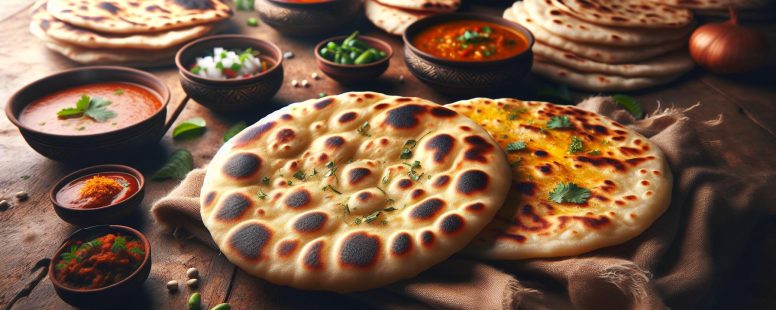
Picture the aroma of freshly baked bread wafting through the air, its soft texture paired perfectly with rich, flavorful curries. Indian cuisine, two names often steal the spotlight—kulcha and naan. At first glance, they might seem like close cousins on your plate, but their differences run deeper than you’d expect. what sets these two apart? From their preparation methods to the ingredients that shape their unique flavors and textures, kulcha and naan each bring something special to the table. Whether you’re a foodie exploring new tastes or just curious about your favorite restaurant order, understanding these distinctions adds an extra layer of appreciation for every bite.
What Is Kulcha?
Kulcha is a traditional Indian flatbread known for its soft texture and slightly tangy flavor. Originating from the Punjab region, it’s widely enjoyed with rich curries or spicy chutneys.
Ingredients Used In Kulcha
Kulcha uses all-purpose flour (maida) as its base ingredient, which gives it a soft yet dense texture. Other components include yogurt for fermentation, baking powder as a leavening agent, and salt to enhance flavor. Some recipes incorporate milk or ghee to add richness. Common toppings include sesame seeds and nigella seeds (kalonji), which provide an earthy aroma.
Preparation Method Of Kulcha
The preparation involves kneading the dough with yogurt until smooth. After resting for fermentation, small portions are rolled out into oval or round shapes. These are traditionally baked in tandoors but can also be cooked on stovetop tavas or ovens at home. The high heat creates air pockets, resulting in its characteristic fluffy layers.
Types Of Kulcha
Kulchas come in various forms based on fillings and toppings:
Amritsari Kulcha: Stuffed with mashed potatoes, spices like cumin and coriander, and occasionally paneer.
Plain Kulcha: Made without stuffing; topped with seeds or herbs.
Onion Kulcha: Filled with spiced onions for added crunch.
Paneer Kulcha: Features crumbled paneer mixed with green chilies and spices.
Regional variations may include unique ingredients such as fenugreek leaves or minced meat fillings to cater to diverse taste preferences.
What Is Naan?
Naan is a leavened flatbread widely popular in Indian cuisine and beyond. Known for its soft, chewy texture and slightly smoky flavor, naan often complements rich curries and grilled dishes.
Ingredients Used In Naan
Naan incorporates all-purpose flour (maida), yeast, yogurt, water, sugar, and salt. The yeast helps the dough rise, creating its airy structure. Yogurt adds tanginess while keeping the bread moist. Optional ingredients like milk or ghee enhance softness and richness.
Preparation Method Of Naan
The preparation of naan begins with kneading the dough until smooth. After resting to allow fermentation, it’s divided into portions and shaped into ovals or rounds. Traditionally cooked in a tandoor (clay oven) at high temperatures, naan develops charred spots that contribute to its unique taste. Home cooks often prepare it using stovetops or ovens as an alternative.
Types Of Naan
Naan comes in various types based on fillings or toppings:
Butter Naan: Brushed with melted butter after cooking.
Garlic Naan: Topped with minced garlic before baking.
Cheese Naan: Stuffed with cheese for added indulgence.
Peshawari Naan: Sweetened with nuts and dried fruits.
These variations showcase how naan can cater to different flavor preferences across regions.
Key Differences Between Kulcha And Naan
Although kulcha and naan share similarities as Indian flatbreads, their distinctions lie in ingredients, preparation methods, taste, texture, and serving styles. Understanding these differences enhances your appreciation for each bread’s unique qualities.
Differences In Ingredients
Kulcha uses all-purpose flour (maida), baking powder or soda for leavening, yogurt for tanginess, and optional milk or ghee to enrich the dough. It doesn’t require yeast. Variants such as Amritsari Kulcha include fillings like spiced potatoes or paneer.
Naan includes maida with yeast as a key ingredient to create its leavened structure. Yogurt adds softness and flavor, while sugar aids fermentation. Garlic Naan incorporates garlic paste; Peshawari Naan features sweet fillings like nuts and dried fruits.
Differences In Preparation
Kulcha is traditionally cooked on tavas (flat pans) or baked in tandoors after rolling into circles or ovals. The dough ferments briefly compared to naan. Home-cooked kulchas often skip ovens altogether.
Naan undergoes longer fermentation due to yeast-based dough. It’s stretched into shapes by hand before cooking directly on the hot walls of a tandoor at high temperatures. This process gives naan its charred spots.
Differences In Taste And Texture
Kulcha offers a soft yet slightly flaky texture with subtle tanginess from yogurt-based dough. Filled varieties have bursts of flavor depending on stuffing ingredients.
Naan provides a chewy consistency with smokey undertones from tandoor cooking. Butter Naan delivers buttery richness; Cheese Naan introduces gooey cheese layers enhancing its savory profile.
Differences In Usage And Serving
Kulcha pairs well with light curries like chole (spiced chickpeas) or raita due to its softer build that absorbs flavors effortlessly.
Conclusion
Whether you prefer the soft, tangy notes of kulcha or the chewy, smoky flavor of naan, both breads bring their own charm to the table. Exploring their unique qualities not only enhances your dining experience but also deepens your appreciation for the rich culinary traditions they represent. The next time you’re enjoying Indian cuisine, you’ll know exactly what sets these iconic flatbreads apart and which one pairs best with your favorite dishes.
To provide the best experiences, we use technologies like cookies to store and/or access device information. Consenting to these technologies will allow us to process data such as browsing behaviour or unique IDs on this site. Not consenting or withdrawing consent, may adversely affect certain features and functions.
Functional
Always active
The technical storage or access is strictly necessary for the legitimate purpose of enabling the use of a specific service explicitly requested by the subscriber or user, or for the sole purpose of carrying out the transmission of a communication over an electronic communications network.
Preferences
The technical storage or access is necessary for the legitimate purpose of storing preferences that are not requested by the subscriber or user.
Statistics
The technical storage or access that is used exclusively for statistical purposes.The technical storage or access that is used exclusively for anonymous statistical purposes. Without a subpoena, voluntary compliance on the part of your Internet Service Provider, or additional records from a third party, information stored or retrieved for this purpose alone cannot usually be used to identify you.
Marketing
The technical storage or access is required to create user profiles to send advertising, or to track the user on a website or across several websites for similar marketing purposes.