Choosing between a gerbil and a hamster is like picking between two tiny worlds waiting to be explored. Their diets offer a glimpse into their wild habitats and hint at the care they need in your home.
While both make charming companions with their curious eyes and twitching noses, their nutritional requirements are more diverse than they seem at first glance. Did you know that understanding these differences can turn your daily routine into a bonding adventure?
Dive into how their unique diets shape their personalities and your future together.
Gerbils vs. Hamsters: Which Small Pet Is Right for You?
Gerbils and hamsters are both popular small pets, but they are quite different in how they live and what they need. If you want a pet that breeds easily and eats mainly seeds and vegetables, a gerbil might be the right choice. Gerbils mostly eat seeds, grains, and vegetables, and it’s best to give them a diet that matches what they eat in the wild. They are active and social animals that enjoy running and digging.
Hamsters are different because they enjoy a mix of seeds, fruits, and proteins. They can store food in their cheeks, which can be interesting but also tricky when feeding them. Hamsters tend to be more solitary, and they usually do not breed as easily as gerbils. If you want a pet with less breeding activity and different diet needs, a hamster might be better for you.
Some people like gerbils because they breed quickly and don’t need much help to reproduce. Others prefer hamsters because they are more independent and have different food habits. But keep in mind that hamsters can be prone to obesity if overfed.
Both animals can make great pets, but it depends on what you are looking for. Do you want a pet that breeds often and needs a diet close to their natural food? Or do you want a more independent pet with unique feeding habits? Think about your lifestyle before choosing.
Key Differences Between Gerbils and Hamsters
Gerbils and hamsters are different animals with unique looks and habits. Knowing these differences can help you pick the right pet for your home. Let’s look at how their sizes, behavior, and homes are different.
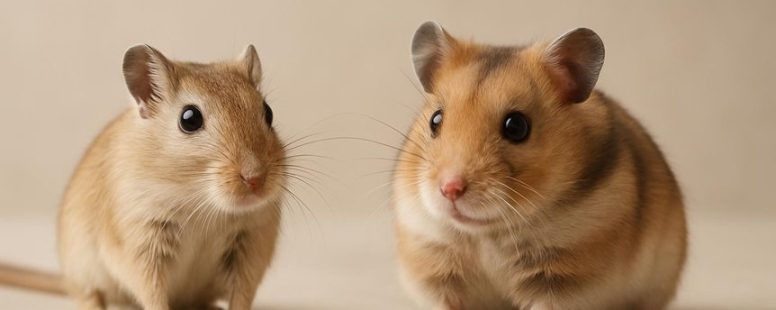
First, appearance. Gerbils are usually longer and have a slim body with a tail that looks almost like a rat’s tail. Hamsters are rounder and chubbier, with small tails that are hard to see. Gerbils grow about five to six inches long and are light and quick. Hamsters are about four inches long and tend to be more rounded and slower moving. If you want a pet that runs around a lot, a gerbil might be the better choice. If you prefer a calmer pet, a hamster could be better.
Second, behavior. Gerbils are very social animals. They like to live with other gerbils and are active during the day. Hamsters are more independent and usually prefer to be alone. They are mostly active at night and sleep during the day. Some people find hamsters easier to care for because they don’t need much company. But if you want a lively pet that enjoys playing with friends, a gerbil could be more fun.
Third, living needs. Gerbils need a bigger cage with plenty of space to dig and hide. They like a sandy area to dig in. Hamsters need a smaller cage but still need space to run and climb. They also like a wheel to exercise on. Both animals need their cages cleaned regularly to stay healthy. Keep in mind that gerbils are more active during the day, so their cage should be in a lively part of your house. Hamsters, being nocturnal, are more active at night and may be noisier then.
Distinct Physical Features
Gerbils and hamsters look similar, but their physical features can help you tell them apart. Gerbils have longer, thinner bodies with tails that are often as long as their bodies. Hamsters, on the other hand, are stockier with shorter tails.
Color also helps identify them. Hamsters come in many shades and patterns, like brown, black, or spotted. These colors can change a little depending on what they eat and their genes. Gerbils usually stay in plain colors like sandy or gray.
Their paws show more differences. Hamsters have bigger, stronger paws because they gnaw on things a lot. Gerbils have smaller, more delicate paws, which they use for digging. This makes sense because hamsters tend to chew and gnaw, while gerbils spend more time in burrows.
Knowing these features can help you figure out which pet you are looking at. Keep in mind, though, that some hamsters can look a little different, and sometimes gerbils might not match the typical description. So, it’s good to look at a few features together.
Unique Behavioral Traits
Gerbils and hamsters look similar, but they behave very differently. Gerbils are more social animals. They like to live with other gerbils and enjoy being in groups. If you keep a gerbil, it’s best to give it a friend or two so it feels happy. Hamsters, on the other hand, prefer to be alone. They are more solitary and do not like sharing their space.
When it comes to what they eat, gerbils like grains and seeds. They enjoy munching on sunflower seeds or oats. Hamsters also eat seeds but prefer vegetables too, like carrots or cucumbers. If you want to feed them right, know that gerbils may need more grains, while hamsters might enjoy a mix of seeds and veggies.
Another big difference is when they are active. Gerbils are active during the day, which makes them diurnal. They might run around in their cage in the afternoon or morning. Hamsters are most active at night, so they might run on their wheels in the dark. This means if you want to play with a hamster, it’s better in the evening.
Understanding these traits can help you decide which pet is better for you. For example, if you want a pet that you can see active during the day, a gerbil might be the best choice. If you prefer a pet that is more quiet during the day and active at night, a hamster could be better. Knowing how they behave helps make sure your pet is happy and comfortable.
Different Habitat Needs
Gerbils and hamsters have different habitat needs. Knowing what each animal requires helps you keep them healthy and happy. Gerbils like dry habitats with lots of space to dig and burrow. Their cages should have deep bedding and areas for digging. Hamsters prefer more enclosed spaces that have climbing options. They enjoy habitat decorations like tunnels and small hiding spots.
Here are some main differences:
Gerbils need a large cage that gets good airflow and low humidity.
Hamsters need places to hide and things to climb on.
Both animals do better in habitats that look like their natural homes, with the right decorations.
For example, if you have a gerbil, think of a desert environment with sandy bedding and plenty of space to dig. For a hamster, imagine a cozy burrow with tunnels and climbing toys to keep them busy.
Some people worry about keeping the wrong habitat for their pet. If you give a gerbil a humid or cramped cage, it can get sick. Similarly, a hamster in a boring or open cage might get stressed or bored. Always check what your pet prefers and adjust their habitat accordingly.
Remember that both animals need their habitats cleaned regularly and the right bedding material. This helps prevent illness and keeps your pet comfortable. By understanding these differences, you can create a space where your pet feels safe and content.
Where Do Gerbils and Hamsters Live? Habitat Needs Explained
Gerbils and hamsters come from different places in the wild, and this affects how we should set up their homes. Gerbils are from dry deserts with sandy ground, while hamsters come from grassy fields or deserts. Because of this, their cage needs and climate preferences are different.
Gerbils need a cage that has lots of space to run and dig. They like sandy or loose soil bedding so they can dig tunnels just like they do in the wild. A good cage for a gerbil should be long and wide, not just tall. They also like warm, dry conditions, so keep their cage away from drafts and high humidity. If it gets too humid or cold, they can get sick.
Hamsters enjoy a cozy cage with enough room for running wheels and hiding spots. They prefer softer bedding like wood shavings. Hamsters are more sensitive to heat and cold, so their cage should be kept at a steady room temperature. Unlike gerbils, hamsters don’t dig as much, but they still need space to explore and play.
Some people think bigger cages are always better, but this depends on the pet. For example, a small hamster might do fine in a smaller cage if it has enough toys and space to run. However, gerbils usually need more room because they are very active diggers.
Knowing where these animals come from helps us give them a good home. If you keep a gerbil in a humid, tall cage, it might not feel comfortable. On the other hand, a hamster kept in a cage that is too cold or too small might not stay healthy. So, understanding their natural habitat is key to caring for them right.
Natural Habitat Environments
Gerbils and hamsters live in very different natural environments, which shapes how they behave and what they need. Gerbils come from dry deserts. Because of this, they have special skills like digging tunnels and saving water. For example, gerbils can go without drinking water for a long time because they get moisture from the plants they eat and their body works hard to keep water inside. Hamsters, on the other hand, come from places like steppes and forests. These areas usually have more plants and water, so hamsters are used to having access to both.
Their environments also influence when they are active. Hamsters tend to be active at night. They hide during the day because it is hot and bright outside. Gerbils are more active during the day. They are built for running around in the sunlight and digging tunnels in the sand.
When it comes to their habitat needs, gerbils need dry, sandy places with lots of tunnels and burrows to hide in. Hamsters prefer areas with water and plants so they can eat fresh food and drink. Both animals have some ways to survive in water, but they do it differently. For example, some desert gerbils can survive in dry conditions without much water, while hamsters need more water and vegetation from their environment.
In short, the natural homes of gerbils and hamsters shape how they live, what they eat, and when they are active. Understanding these differences can help when taking care of them as pets or studying them in the wild.
Cage Requirements and Space
Cage size and space are very important for gerbils and hamsters. Gerbils need a bigger cage with good airflow. They love to dig and explore, so a large cage helps them stay happy and healthy. Hamsters, especially dwarf hamsters, do better in a cage with multiple levels that give them space to run and hide. Both animals need enough room to move around comfortably.
Food stations are also important. Each type of pet has its own preferred diet, so their cages should have the right food bowls or stations. Keeping their cages clean is key. Regular cleaning prevents bad smells and keeps them healthy. If cages get dirty, germs can grow and make your pets sick.
Gerbils do well with lots of space to dig and play, while hamsters need cozy, secure spots to rest and exercise. If you give them enough space and keep their homes clean, your pets will stay happy and healthy. Do you have a favorite pet you want to care for better? Making sure their cage is just right can make a big difference.
Climate and Temperature Needs
Gerbils and hamsters have different temperature needs to stay healthy. Gerbils prefer dry, warm environments similar to deserts. They do best when the temperature is steady and warm, with low humidity. If it gets too cold or too humid, they can become stressed or sick. For example, keeping a gerbil’s cage in a warm room without drafts helps them stay happy.
Hamsters like cooler, well-ventilated spaces. They do better in temperatures that are not too hot or cold. If it gets too warm, they can overheat, and if it’s too cold, they might slow down or become sick. A room with good air flow and a temperature between 65 and 75 degrees Fahrenheit works well for hamsters.
Both animals need a climate that is close to what they would have in nature. Gerbils live in deserts, so they need dry, warm conditions. Hamsters come from areas with cooler climates, so they do better in cooler spaces. When their environment matches their natural habitat, they are more likely to eat their favorite foods and behave normally.
Some people think keeping the right temperature is easy, but it can be tricky. Too much humidity can cause health problems in gerbils. Too much heat can make hamsters uncomfortable. Always check the temperature often and keep their cages away from direct sunlight or drafts. This way, they can stay healthy and active.
How Do Gerbils and Hamsters Behave in Their Cages?
Gerbils and hamsters behave quite differently in their cages. Gerbils are very active and social animals. They like to explore every corner and dig tunnels. Because of this, they need lots of space to burrow and move around. If they dig a lot, their cages might need cleaning more often, especially to remove the dirt and debris they kick up. Gerbils enjoy company, so they do better in cages with other gerbils, but this also means the cage needs regular care to keep everyone healthy.
Hamsters are more quiet and like to stay in one spot most of the time. They are mostly active at night and sleep during the day. Hamsters tend to hoard food in their cheeks, so you need to give them enough supplies to prevent scavenging. They usually prefer to be alone, so keeping them in separate cages is a good idea. Hamsters don’t dig as much, but their cages still need cleaning to keep them healthy. Some hamster owners say they can be less messy than gerbils, but all small pets need regular cage cleaning.
Knowing these behaviors helps pet owners give the best care for their gerbils and hamsters. For example, if you have a gerbil, make sure the cage is big enough for digging and socializing. If you have a hamster, provide quiet corners and enough food. Both animals need clean cages, but their habits decide how often cleaning is needed. Do you think a gerbil or a hamster fits your lifestyle better? Remember, observing your pet helps you learn what they need to stay happy and healthy.
Are Gerbils or Hamsters Easier for Beginners?
Gerbils or hamsters, which is easier for beginners? The answer depends on what you want in a pet and how much you are willing to learn about their needs.
Gerbils are generally easier for beginners because they are more social and active. They like to be around other gerbils and enjoy exploring. If you want a pet that interacts more, a gerbil might be the better choice. For example, they often run around in their cage and even come out to see you. But gerbils need a bigger cage and some toys to keep them busy.
Hamsters are easier because they are more independent and less active. They do not need to be around other hamsters and can live happily alone. Hamsters are usually less messy and require less interaction. However, they often have specific treats and feeding routines. For example, some hamster brands like Kaytee or Oxbow make special foods for them.
When it comes to care, hamsters may be a little simpler for first-time owners. They sleep most of the day and don’t need as much social time. Gerbils, on the other hand, require daily socializing and a clean cage. If you don’t have much time to spend with your pet, a hamster might be easier to manage.
Both animals can make good pets for beginners, but think about what kind of pet you prefer. Do you want a social buddy that keeps you company? Or do you want a low-maintenance pet that mostly stays in one place? Knowing these things can help you pick the right pet.
Caring for Your Gerbil or Hamster: What You Need to Know
Caring for a gerbil or hamster means knowing what they need to stay healthy and happy. Their diet is very important. Both animals need a mix of seeds, grains, and fresh vegetables. Never give sugary treats because they can cause health problems. Always make sure fresh water is available so your pet doesn’t get dehydrated.
Socialization is also key. Gerbils are social animals and do well in pairs or groups. They like to have friends to play with and cuddle. Hamsters, on the other hand, tend to prefer being alone. They can get stressed if they share their space with others. Spend time gently holding your pet so they learn to trust you. But always watch for signs they want to be left alone.
The cage you provide should be big and clean. Use bedding that lets them burrow and hide, like shredded paper or wood shavings. Regular cleaning helps prevent bad smells and keeps your pet healthy. If you don’t clean the cage often, your pet might get sick or the smell could bother your family.
Pros and Cons of Choosing a Gerbil or a Hamster
A gerbil is a small rodent that likes to live in groups, while a hamster is usually a solo pet. If you want a social animal to watch play with friends, a gerbil might be the best choice. Gerbils enjoy being in pairs or groups and can be fun to observe as they interact. They eat mostly seeds and grains and are most active in the evening. Some people find gerbils easier to handle because they tend to be more social, but they do need company to stay happy.
Hamsters are different. They prefer to live alone and can become territorial if kept with others. They are easier to care for by themselves and might be a good choice if you want a low-maintenance pet. Hamsters like fruits, vegetables, and grains in their diet. They are usually more active at night too, but they tend to be less social than gerbils. If you like having a pet that is more independent, a hamster might be the better option.
Choosing between a gerbil and a hamster depends on what kind of pet experience you want. Do you want a social animal that likes company, or do you prefer a pet that is happy alone? Both can be fun pets, but they need different kinds of care. Think about how much social interaction you want to give your pet and what kind of activity level you prefer.
Deciding Which Small Pet Fits Your Lifestyle
Choosing the best small pet depends on how well it fits your daily life and social habits. To find the right pet, think about their needs for food, health care, and companionship.
For example, hamsters are a good choice if you want a pet that requires little attention. They eat simple food like hamster pellets and usually stay healthy with fewer vet visits. Hamsters are also happy living alone, so they’re perfect if you have a busy schedule.
Gerbils are different. They are social animals that need company to stay happy. If you choose a gerbil, you should plan time for play and interaction each day. They also have specific health needs, which might mean more visits to the vet.
So, if you want a pet that is low-maintenance and can be left alone, a hamster might be best. But if you want a pet that enjoys company and you have time for daily care, a gerbil could be a better fit.
Tips for Introducing Your New Gerbil or Hamster to Its Home
Introducing a new gerbil or hamster to its home is an important step to help them feel safe and comfortable. The first thing to do is place the cage in a quiet spot. Make sure it is away from drafts and direct sunlight, so your pet isn’t startled or uncomfortable.
Next, let your pet explore their new space slowly. Start by opening the cage door and allowing them to come out at their own pace. This helps them get used to their environment without feeling overwhelmed. Adding toys like tunnels or small wheels can make the habitat more fun and help your pet stay active and happy.
Some people believe giving a buddy to your hamster or gerbil can calm their nerves. If you choose to do this, pick a same-species companion that’s friendly and healthy. Also, gentle human interaction can help your pet trust you more over time.
To help your pet settle in, keep the environment steady. Avoid moving the cage around too much or changing the setup suddenly. Pets can get stressed by sudden changes, so patience is key.
Here are a few tips to help your new pet feel at home:
Introduce new toys and habitat features slowly
Limit handling until your pet is comfortable
Keep the environment calm and quiet during the first days
To provide the best experiences, we use technologies like cookies to store and/or access device information. Consenting to these technologies will allow us to process data such as browsing behaviour or unique IDs on this site. Not consenting or withdrawing consent, may adversely affect certain features and functions.
Functional
Always active
The technical storage or access is strictly necessary for the legitimate purpose of enabling the use of a specific service explicitly requested by the subscriber or user, or for the sole purpose of carrying out the transmission of a communication over an electronic communications network.
Preferences
The technical storage or access is necessary for the legitimate purpose of storing preferences that are not requested by the subscriber or user.
Statistics
The technical storage or access that is used exclusively for statistical purposes.The technical storage or access that is used exclusively for anonymous statistical purposes. Without a subpoena, voluntary compliance on the part of your Internet Service Provider, or additional records from a third party, information stored or retrieved for this purpose alone cannot usually be used to identify you.
Marketing
The technical storage or access is required to create user profiles to send advertising, or to track the user on a website or across several websites for similar marketing purposes.