Best Alternative To Peace Lily
You can keep a lush, forgiving houseplant even if a Peace Lily isn’t right for your home. Many people choose an alternative because of pets, low light, inconsistent watering, or sensitivity to humidity. Picture a plant that forgives missed waterings, tolerates shade, and still looks elegant on a shelf, this article points you to those options. You’ll discover practical trade-offs, real-care steps, and which plant matches common living situations. Expect clear comparisons, honest mistakes people make, and actionable next steps you can use tonight.
Why Choose An Alternative To A Peace Lily
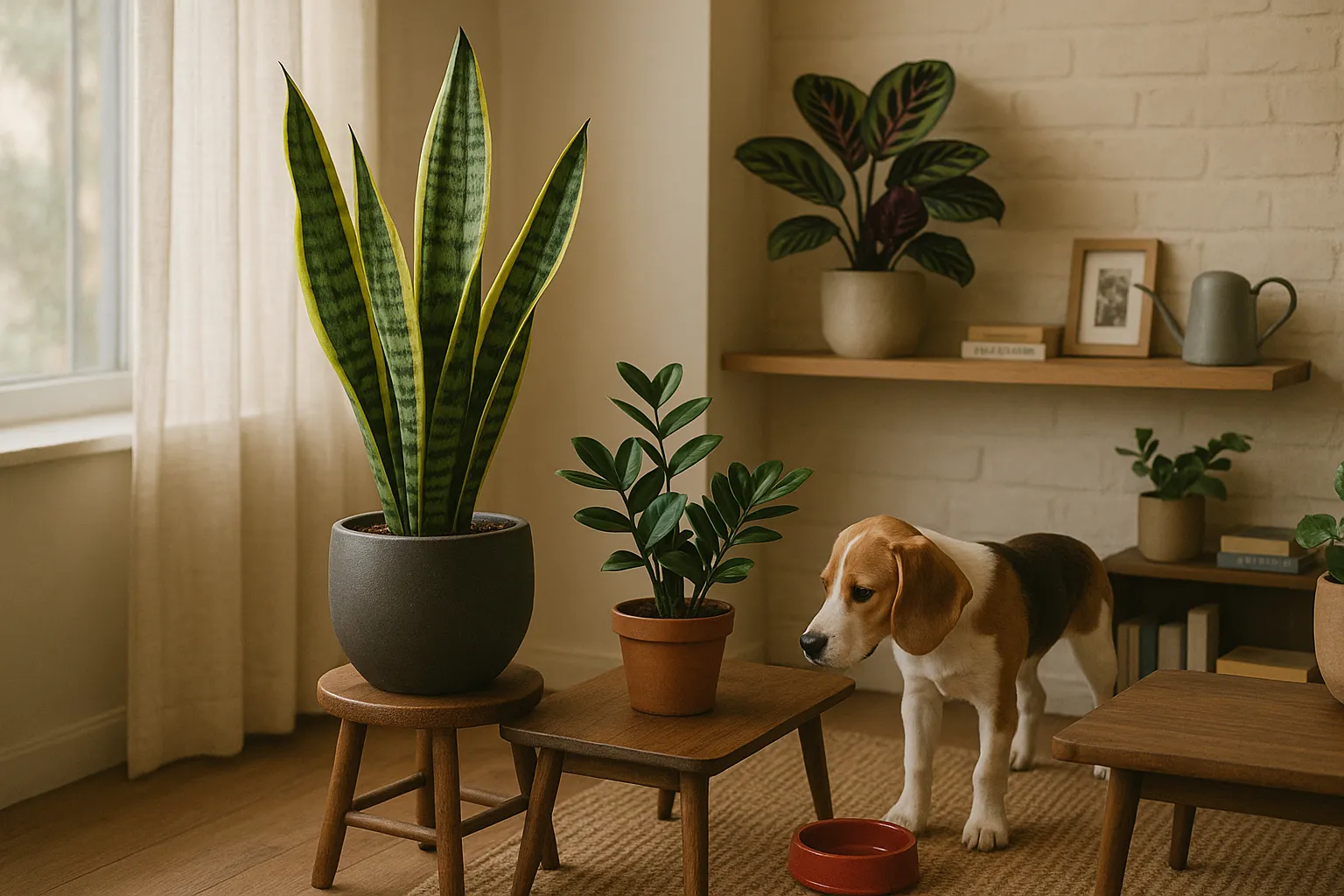
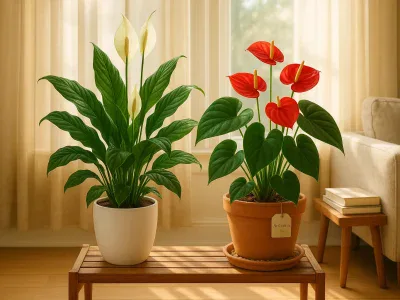
Fact: Many people replace a Peace Lily due to toxicity, watering demands, or lack of light. The Peace Lily (Spathiphyllum) is beautiful and blooms in low light, but it’s toxic to pets, likes steady moisture, and sometimes reacts badly to dry indoor air. If you have a curious dog, an irregular schedule, or a north-facing apartment, an alternative often fits better.
Context: Choose an alternative when your priorities are pet safety, low maintenance, or a different aesthetic. For example, you might want a plant that tolerates drought (so it survives long weekends), or one that thrives in very low light while staying non-toxic to cats. People also switch because they want less frequent repotting and slower growth.
Depth: Alternatives vary. Some, like Snake Plant and ZZ Plant, forgive neglect and handle low light. Others, like Calathea, offer dramatic leaf patterns but need higher humidity. Start by listing what you liked about the Peace Lily, shape, foliage color, bloom, and what frustrated you, tipping over, constant watering, or pet risk. That list becomes your decision map.
Top Alternatives To The Peace Lily
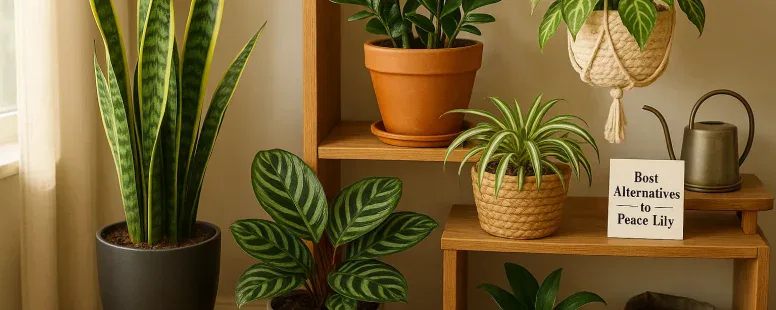
Fact: Several houseplants offer the look or low-light tolerance of a Peace Lily while addressing common downsides. Below are practical profiles that compare description, care, and the trade-offs.
Snake Plant (Sansevieria), Description, Care, Pros & Cons
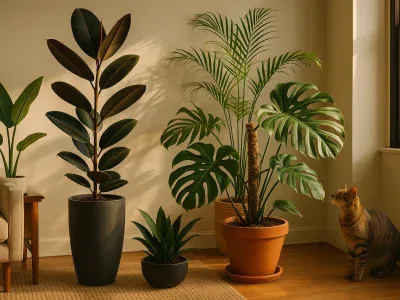
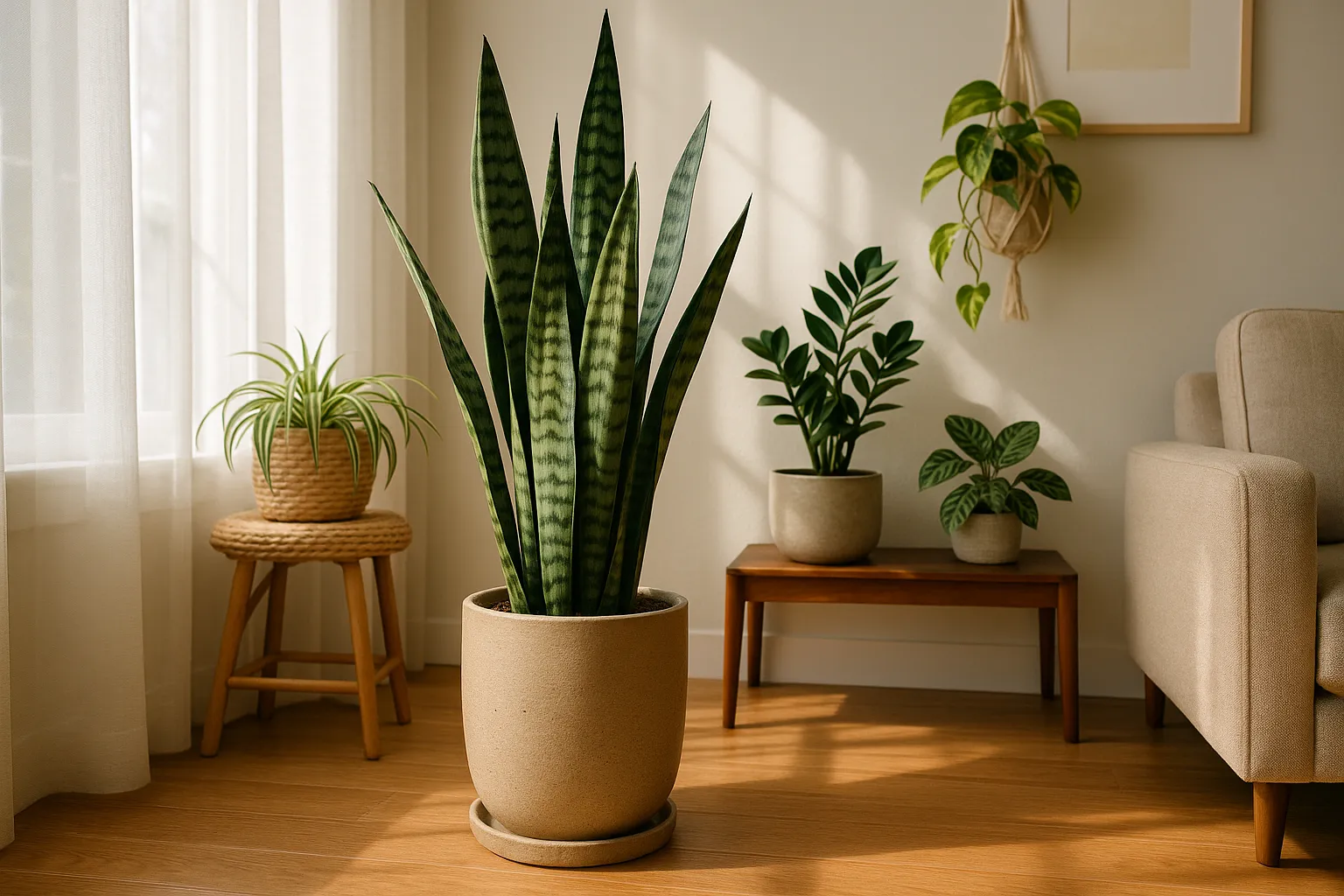
Description: Snake Plant (Dracaena trifasciata, formerly Sansevieria) has upright, sword-like leaves and a sculptural silhouette. It suits minimalist decor.
Care: It tolerates low light but prefers bright, indirect light. Water sparingly, every 2–6 weeks depending on season. Use well-draining soil and a pot with drainage.
Pros: Extremely drought-tolerant, pet-toxic to some degree (contains saponins), low repot frequency, near-indestructible.
Cons: Not pet-safe, slow to recover from overwatering, less leafy than a Peace Lily soft foliage.
ZZ Plant (Zamioculcas Zamiifolia), Description, Care, Pros & Cons
Description: ZZ Plant has glossy, waxy leaves on thick stems: it looks polished on a desk or entry table.
Care: ZZ tolerates low light and sporadic watering. Water only when soil dries out. It prefers average indoor temps and moderate humidity.
Pros: Very low maintenance, tolerates neglect, stylish sheen similar to Peace Lily foliage: stores water in rhizomes.
Cons: Toxic to pets and humans if ingested, can grow slowly and may flop if overwatered.
Philodendron (Heartleaf Or Similar), Description, Care, Pros & Cons
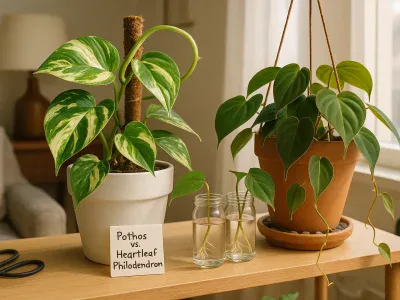
Description: Heartleaf Philodendron (Philodendron hederaceum) has trailing vines and soft, heart-shaped leaves.
Care: It prefers bright, indirect light but survives lower light. Water when the top 1–2 inches of soil dry. Use a lightweight, well-draining mix.
Pros: Pet-toxic to some extent, but often softer-looking and more forgiving with humidity than Peace Lily: great as a hanging plant.
Cons: Can become leggy without pruning, and some varieties are toxic to pets.
Pothos (Epipremnum Aureum), Description, Care, Pros & Cons
Description: Pothos has glossy, variegated leaves and vigorous trailing growth. Varieties include Golden, Marble Queen, and Neon.
Care: Thrives in low to bright indirect light. Water when topsoil dries. Easy to propagate from cuttings.
Pros: Very forgiving, fast-growing, and excellent for beginners: tolerates low light better than many.
Cons: Toxic to pets, can grow aggressively and need containment.
Cast Iron Plant (Aspidistra Elatior), Description, Care, Pros & Cons
Description: Cast Iron Plant has dark, arching leaves and a slow, steady habit. It looks solid in low-light corners.
Care: Survives very low light and neglect. Water when soil is nearly dry. It tolerates cooler indoor temperatures.
Pros: Extremely tough, pet-friendly (mildly toxic reports vary), minimal maintenance.
Cons: Slow growth, not showy blooms or variegation.
Spider Plant (Chlorophytum Comosum), Description, Care, Pros & Cons
Description: Spider Plant has arching striped leaves and produces baby plantlets on long stems.
Care: Prefers bright, indirect light but tolerates lower light. Keep soil evenly moist but not waterlogged.
Pros: Non-toxic to pets, great air-purifying qualities, easy propagation from plantlets.
Cons: Can brown at leaf tips from fluoride or hard water: likes regular watering.
Calathea Or Prayer Plant, Description, Care, Pros & Cons
Description: Calathea species (and related Marantas) have patterned leaves that fold at night like praying hands.
Care: They need medium to low indirect light, higher humidity, and consistent moisture without soggy soil.
Pros: Non-toxic to pets (many species), dramatic foliage that mimics the visual interest of Peace Lily blooms.
Cons: More demanding, sensitive to low humidity, fluoride in water, and inconsistent watering.
How To Choose The Right Peace Lily Alternative For Your Space
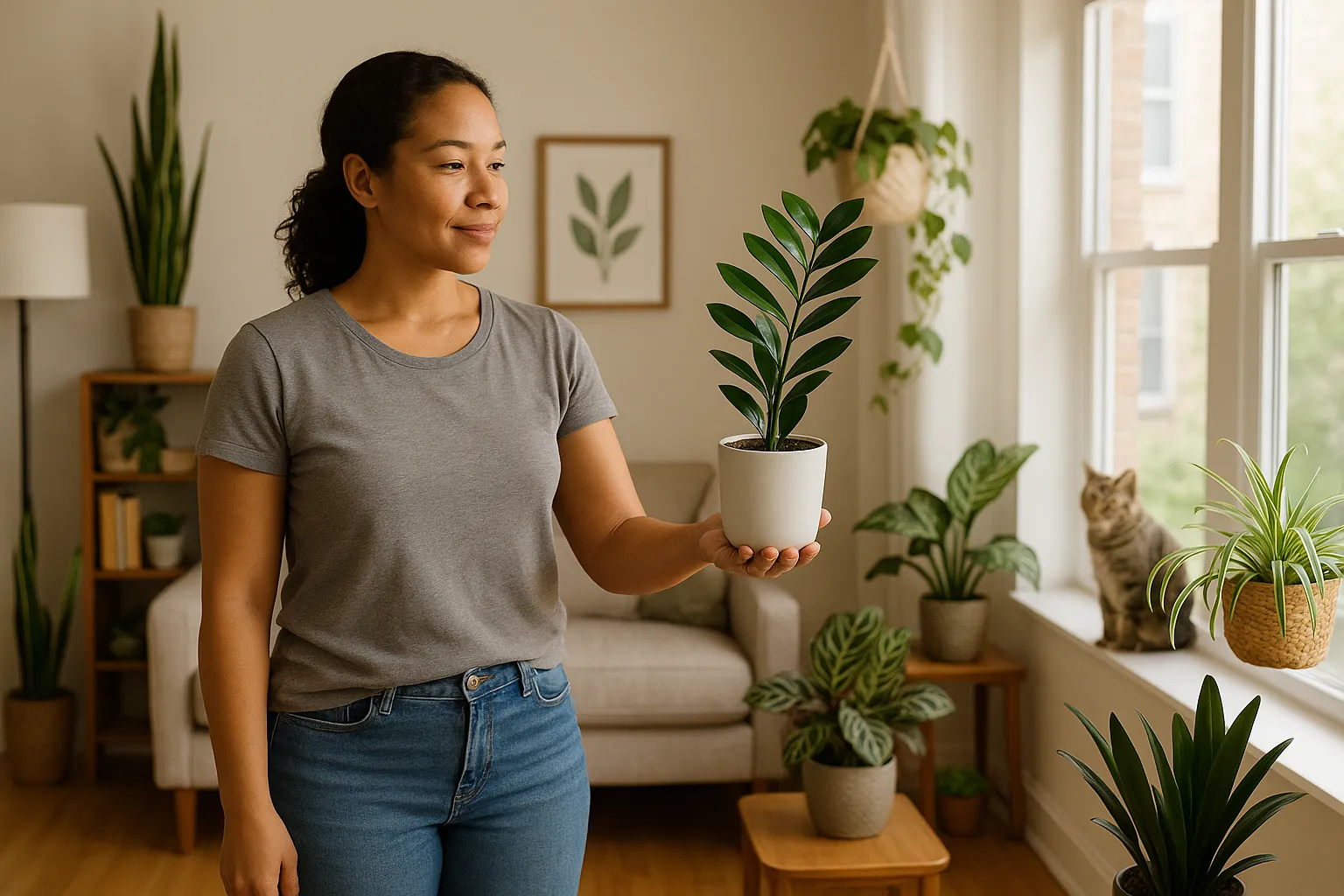
Fact: Choose by matching plant needs to your home conditions and lifestyle. This reduces stress for you and the plant.
Key Factors: Light, Watering, Space, And Pet Safety
Light: Assess the brightest and darkest spots where you plan to place a plant. Snake Plant and ZZ do well in low light: Calathea and many Philodendrons prefer moderate, indirect light.
Watering: Be honest about your schedule. If you forget water, pick ZZ or Snake Plant. If you water daily, choose Spider Plant or Calathea but watch humidity.
Space: Trailers like Pothos and Philodendron need vertical or hanging space. Upright plants like Cast Iron or Snake Plant work in tight corners.
Pet Safety: If you have pets, favor Spider Plant or Calathea. Avoid Pothos, Philodendron, ZZ, and Snake Plant if your pet chews plants.
Matching Aesthetic And Growth Habit To Your Home
Fact: Match growth habit to display plans. If you like a floor statement, choose Cast Iron or Snake Plant. If you want a hanging cascade, choose Pothos or Heartleaf Philodendron.
Depth: Consider leaf texture and color. Calathea brings bold patterns: ZZ adds a glossy modern look: Spider Plant brings airiness with plantlets. Think about how much pruning you enjoy. Fast growers like Pothos need regular shaping, slow growers like Cast Iron need less attention.
Practical tip: Photograph your space and hold a 6–8 inch plant in the frame before you buy. That quick visual test saves you from a mismatch.
Care Tips For A Smooth Transition From A Peace Lily
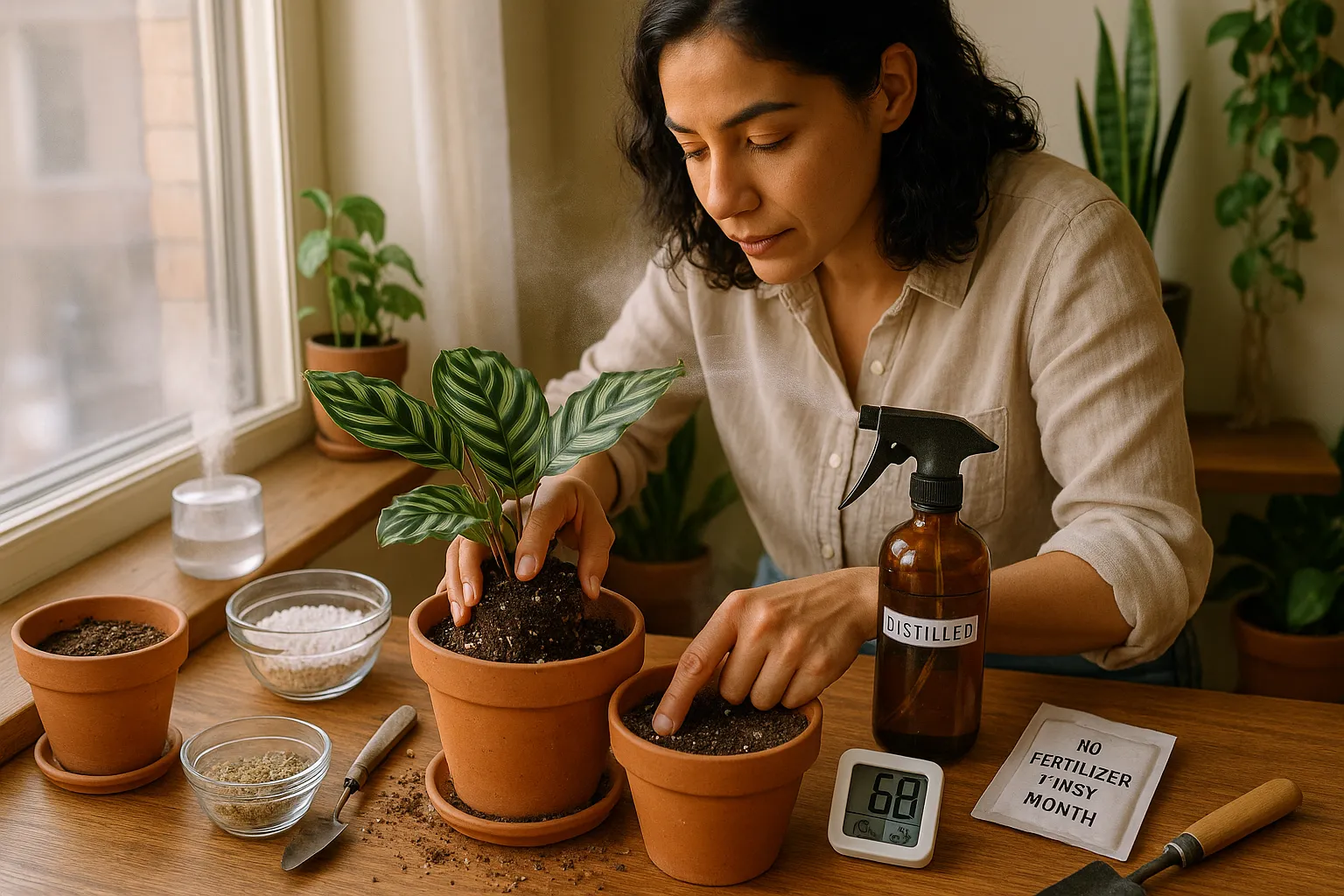
Fact: Switching plants needs small changes to potting and watering so the new plant settles quickly.
Potting, Soil, And Watering Adjustments
Potting: Use a pot with drainage. Peace Lilies like moisture-retentive mixes: many alternatives prefer a lighter, well-draining mix. For Snake Plant and ZZ, add perlite or coarse sand to your mix.
Soil: Match soil to species: airy mix for Philodendron and Pothos: peat-rich mix for Calathea: gritty mix for Cast Iron if your home is humid.
Watering: Change your routine. Move from weekly waterings (common for Peace Lily) to check-and-feel. Insert your finger 1–2 inches into soil: water only if it’s dry for drought-tolerant species. Water quality matters for sensitive plants, use filtered or distilled water for Calathea when possible.
Acclimating A New Plant To Your Home Environment
Fact: New plants need 1–3 weeks to acclimate. Reduce stress with gradual light and moisture changes.
Steps: Place the plant in bright, indirect light for the first few days even if it tolerates low light. Keep humidity stable and avoid drafts. Don’t fertilize for the first month. Monitor daily for the first 7–10 days, look for wilting or yellowing leaves and adjust placement or watering quickly.
Vulnerable moment: I once bought a Calathea and put it in a sunny window: its leaves curled within 48 hours. I moved it to a shaded spot and misted it: recovery came after two weeks. Small mistakes like this are fixable if you react fast.
Common Problems And Troubleshooting For Peace Lily Alternatives
Fact: The most frequent issues are overwatering, underwatering, pests, and light misplacement. Spotting the problem early saves the plant.
Leaf Yellowing, Droop, And Overwatering Symptoms
Symptoms: Yellow, soft leaves and a musty smell usually mean overwatering. Droop with dry, crispy leaf edges usually means underwatering. Slow yellowing and pale new growth point to low light.
Actions: For overwatering, remove the plant from its pot, check roots, and trim rotten roots. Repot in fresh, dry mix and reduce watering frequency. For underwatering, soak the pot in a basin for 10–20 minutes then drain and resume a regular but measured schedule. For low-light stress, move closer to indirect light.
Pest Prevention And Quick Treatments
Fact: Common pests include spider mites, scale, and mealybugs. They prefer stressed plants.
Prevention: Inspect new plants before bringing them indoors. Quarantine new purchases for two weeks. Keep leaves clean and maintain consistent care.
Quick treatments: Wipe leaves with a cotton swab dipped in isopropyl alcohol for mealybugs and scale. Use insecticidal soap or neem oil spray for spider mites: follow label directions. For heavy infestations, isolate and consider replacing the plant, sometimes prevention beats prolonged chemical treatments.
Warning: Some quick fixes sting, neem oil can burn sensitive leaves in direct sun, so always test a small area first.

- 10 Best iPod Alternatives to Buy in 2026 - October 1, 2026
- Free Alternative to Output Arcade - October 1, 2026
- Free Alternatives to Writerduet - September 30, 2026
by Ellie B, Site Owner / Publisher