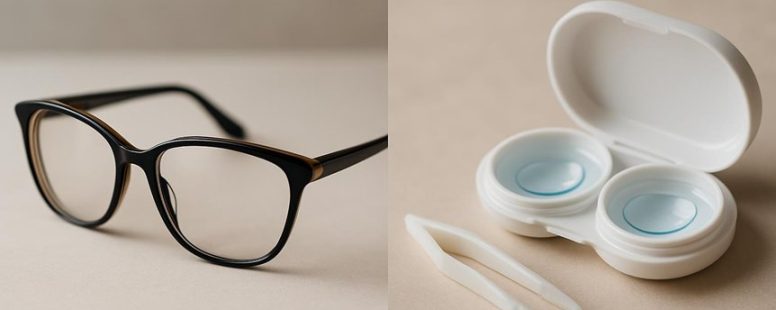
Choosing between glasses and contact lenses is like picking a secret weapon for your daily routine. Imagine slipping into a pair of contacts that feel almost invisible, giving you a natural, unobstructed view—like peering through a clear window into your world.
Or slipping on glasses that sit comfortably on your nose, offering durability and a shield of protection that you can adjust effortlessly. Each option carries its own hidden perks and pitfalls—glasses can feel like a stylish armor, yet sometimes shift unexpectedly.
Meanwhile, contacts demand careful upkeep but grant unmatched freedom. The real question is, which trade-off fits your life best?
How Glasses vs. Contacts Change Vision Quality
Glasses and contact lenses both help you see better, but they do it in different ways. Here’s how each changes what you see.
Glasses work by using lenses that are fixed in front of your eyes. They let you choose the right strength and add special coatings to reduce glare or improve clarity. Glasses give you a steady view, meaning the focus stays the same while you look around. This can feel more natural once you get used to them. But, because glasses sit away from your eyes, they can sometimes cause distortion or reflections. They are also easier to remove or clean.
Contacts sit directly on your eye, giving you a more natural view. They do not block your peripheral vision like glasses do and move with your eyes when you look around. This makes quick scene changes or sports easier. However, contacts need you to be careful with your eye health. They require proper cleaning and moisture because dry eyes can cause discomfort or blurry vision. Some people find inserting contacts tricky at first, but once you get used to it, they can feel more natural.
Both glasses and contacts correct vision, but they change what you see in different ways. Glasses provide a stable, fixed view, while contacts offer a more natural, flexible experience. Some people prefer glasses for their ease and durability. Others like contacts for their freedom and wider field of view. Think about your lifestyle and comfort when choosing which to use.
How They’re Maintained: Cleaning, Storage, and Care
Cleaning, storage, and care are key to keeping your glasses and contacts in good shape. Regular cleaning helps prevent dirt and germs from building up, while proper storage keeps your glasses safe from damage. Taking good care of your lenses and frames makes sure they stay clear and comfortable to wear for a long time.
For cleaning, use a gentle lens cleaner or a mixture of water and a drop of dish soap. Avoid using harsh chemicals or rough cloths because they can scratch your lenses. When cleaning glasses, hold them by the frame and gently wipe both sides of the lenses with a soft microfiber cloth. For contact lenses, always wash your hands first, then follow your eye care provider’s instructions for cleaning and disinfecting. Cleaning your contacts properly can prevent infections and keep your eyes healthy.
Storage is just as important as cleaning. Always keep glasses in a sturdy case when you are not wearing them. This helps protect them from drops, dust, and scratches. For contacts, store them in the recommended solution and never reuse old solution because it can cause infections. Some people like to keep their glasses in a specific spot, like a desk or bedside table, so they always know where they are.
Care tips also include handling your glasses gently. Avoid placing them face down on surfaces, which can cause scratches. When removing contacts, do it over a clean surface to prevent dirt from falling into your eyes. Remember, glasses and contacts both need regular checkups with an eye doctor to stay in good condition.
Some people may worry about how often to clean or replace their lenses. It’s best to follow the advice of your eye care provider. For example, some glasses frames last many years if taken care of, but lenses might need replacing if they get scratched or damaged. Contacts usually need replacement as per the schedule, whether daily, weekly, or monthly.
Cleaning Protocol Tips
Cleaning your contact lenses and glasses properly helps keep your eyes healthy and your vision clear. Here are simple steps to do it right every day.
First, wash your hands with soap, rinse them well, and dry with a lint-free towel. Clean hands prevent dirt and germs from getting on your lenses or glasses.
Next, use fresh lens-cleaning solution. Never reuse old solution because it can grow bacteria. If you wear soft contact lenses, gently rub them with your fingers as instructed by your eye doctor. Then, rinse again with the solution. This helps remove dirt and oils that can cause irritation. Avoid splashing water on your lenses since tap water can contain harmful bacteria.
After cleaning, place your lenses in a clean case filled with fresh solution. Do not put them in water or old solution. Make sure the case is also clean. Replace your contact lens case every three to six months to prevent germs from building up.
For glasses, wipe the lenses with a microfiber cloth. This removes smudges and keeps your glasses clear. Be gentle so you don’t scratch the lenses.
It’s also smart to keep good hygiene habits. For example, avoid touching your eyes after handling lenses to prevent dirt and germs from entering. And don’t forget to replace your contact lens case regularly.
Some people think cleaning is enough, but it’s also good to have routine eye checkups. Remember, being consistent is more important than cleaning very hard. Simple daily habits can help keep your eyes comfortable and healthy.
Storage and Care Essentials
Proper storage and care are key to keeping your glasses and contacts working well. Cleaning lenses and glasses carefully helps them last longer and stay comfortable. For contact lenses, rinse them with fresh solution, never use tap water, and avoid quick movements that could scratch or tear the lens. When cleaning glasses, gently wipe the frames and lenses to protect the coatings and frame design. Always dry your hands before touching your glasses or contacts to prevent smudges and dirt.
Storage also matters a lot. Keep glasses in a clean, well-ventilated case to prevent dust and dirt from settling. Use a portable case for contacts, and change the case every few months. Bacteria can grow in old cases, which might cause infections. Regularly check your glasses and contacts. Look at the hinges and nose pads for signs of wear, and make sure the lenses aren’t scratched or chipped. Following the instructions on your contact solution is also very important. Never mix different products because they might cause irritation.
Some people believe that rushing through cleaning or using any solution works fine. While that might be true sometimes, using the right steps and products helps protect your eye health. For example, using a gentle cleaner made for glasses, like LensCleans from Zeiss, can prevent damage. But always follow the directions on your contact solution, like Opti-Free, to avoid irritation or infection.
In the end, taking good care of your glasses and contacts keeps your vision clear and your eyes healthy. Small habits like cleaning gently and replacing cases can make a big difference. Do you clean your lenses every day? If not, dust and dirt could cause discomfort or damage over time. Proper care might seem simple, but it’s the best way to make your eyewear last longer.
Wearing Comfort: Fit, Tolerances, and Sensation
Wearing comfort for contact lenses is about fit, tolerances, and how the lens feels. A lens that sits well and moves smoothly with your eye reduces irritation and fatigue. Think about how a frame fits behind your ear—contact lenses need to align with the surface of your eye just right. When a lens is centered properly and moves as your eye blinks, it’s more comfortable because it causes less dryness and edge irritation.
Tolerances are key. If a lens is too tight, it can feel uncomfortable or cause redness. If it moves too much, it might feel gritty or cause dryness. You want a lens that stays in place but still moves naturally when you blink. Good design and surface treatments help with this by making sure the lens stays stable, retains moisture, and is easy to clean.
Your sensation also matters. If a lens feels scratchy or sits too tightly, you’ll notice right away. Some people prefer soft lenses because they feel gentle, while others might choose rigid gas-permeable lenses for sharper vision but may need to adjust to the feel. Different brands and coatings, like those from Acuvue or Air Optix, can make a big difference in comfort by reducing friction and helping with moisture.
Real-World Performance: Sports, Sleep, and Activities
Contact lenses are tested in real life, not just in clinics. They need to perform well during sports, sleep, and daily activities. For example, lenses that move with your eyes stay comfortable and clear, even during quick temperature changes or workouts. Some lenses are made with special tear-acting materials that help keep your eyes moist and your vision sharp when you sweat.
Most people don’t wear lenses at night. Sleeping with contacts can harm your eyes unless your eye doctor says it’s okay. Too little oxygen can cause damage or infections. So, if you want to wear your lenses overnight, check with your eye care professional first.
For everyday tasks like driving or reading, modern lenses give you clear vision without distraction. They help you focus on what you are doing, whether at work or playing sports. Choosing the right lenses and frames can also be a style statement. Some brands, like Acuvue or Air Optix, use special coatings to improve comfort and clarity. But keep in mind that even the best lenses have limits. If you wear contacts for a long time or during intense activity, your eyes might still get dry or irritated.
In short, contact lenses are designed to work outside the clinic. They’re built to stay comfortable, stay clear, and fit your lifestyle. Just remember to follow your doctor’s advice, especially about sleeping with contacts or sports use.
Durability and Longevity: Replacement Cycles and Reliability
Glasses and contacts differ a lot in how often you need to replace them. Glasses usually last for years if you take good care of them. You might need new glasses every two or three years, or even longer if your vision stays the same. On the other hand, contacts often need replacing every one to three months, depending on the type. Some daily contact lenses are thrown away after one day, while others last a week or a month.
Reliability is another key factor. Glasses tend to be more durable because they are made of sturdy materials like plastic or metal. But if they fall or get scratched, they might need fixing or replacing. Contacts are less likely to break since they are small and flexible, but they are more sensitive to how you handle them. Poor cleaning or overuse can cause infections or irritations.
For example, if you forget to clean your contacts properly, you might face eye infections that can be serious. Glasses don’t have that risk, but they can get scratched or bent if you sit on them or drop them.
Some people prefer glasses because they last longer and are easier to take care of. Others prefer contacts for convenience and better field of view. Both options have good points and limitations. Glasses can last years, but if you have a very active lifestyle or sports, contacts might be better. Just remember, contacts require good hygiene to stay safe.
Replacement Cadence Comparisons
Replacement cadence is about how often you need to change your glasses or contact lenses. It’s important because it affects how safe and effective your vision correction is over time. Glasses usually last longer, with frames and lenses needing replacement every one to two years. This depends on the style of the frame and whether you get special coatings on the lenses that protect against scratches or glare.
Contact lenses, on the other hand, need more frequent replacements. Some are designed for daily use and are thrown away every day. Others last one week or up to a month. These require you to plan ahead and keep good hygiene to avoid eye infections. The material of the lenses also matters because it affects how long they stay comfortable and safe to wear.
Frame design can also influence how often you need to replace your glasses. For example, trendy styles might go out of fashion faster, or frames can become loose or damaged. With contact lenses, if your eyes change or if the lenses start feeling uncomfortable, you might need to switch to a different type or brand.
Knowing how often you should replace your glasses or contacts helps you plan your budget and stay safe. For instance, waiting too long to replace scratched glasses can strain your eyes, and wearing old contact lenses can cause infections. Some optometrists suggest setting reminders or keeping a schedule to stay on top of replacements.
In short, glasses tend to last longer but still need updates every couple of years, while contact lenses require more regular planning. Both have pros and cons, so it’s good to understand these rhythms to keep your vision clear and safe.
Reliability Over Time
Reliability over time means how well your glasses or contacts stay good as you use them. Glasses last longer if their frames stay strong, the lenses keep their coatings, and the hinges don’t break. You might see wear from daily use and cleaning, especially after a year or two. For contacts, how long they last depends on the material, how well your tear film works with them, and how they are stored. New lens tech makes contacts more resistant to scratches and easier to clean, but you still need to replace lenses and frames when they wear out.
Think of glasses like a pair of sneakers. They might get scuffed or loose over months. Contacts are more like a pack of gum – they are used up and need replacing regularly. Proper care can make both last longer. Clean your glasses carefully and store contacts properly to avoid damage. But even with good care, it’s smart to replace glasses every one to two years and contacts as recommended by your eye doctor.
Some people worry about the cost of replacements, but ignoring wear can lead to eye discomfort or damage. For example, cracked frames can poke your eyes, and old lenses may blur your vision. Keep track of how long you’ve had your glasses or contacts. If you notice scratches, cracks, or discomfort, it’s time for a new pair.
Different brands like Ray-Ban and Essilor offer glasses with stronger frames and better coatings. For contacts, brands like Acuvue and Air Optix improve durability and comfort. No matter what you choose, regular replacements protect your eyes and make sure you see clearly. Remember, lasting performance depends on good care and replacing your eyewear when needed.
Cost of Ownership: Upfront, Maintenance, and Long-Term Value
Choosing between glasses and contact lenses mainly depends on how much they cost over time. To compare them fairly, look at three things: the initial price, how much you’ll spend on maintenance, and how long each option lasts.
Glasses are usually cheaper to buy at first. The price depends on the brand and style you pick. Popular brands like Ray-Ban or Oakley can cost more, while basic frames are less expensive. Contact lenses, on the other hand, need a fitting appointment at the eye doctor and a starter kit. These kits include lenses and solutions, which can add up quickly.
Ongoing costs are also different. Glasses need cleaning cloths, occasional repairs, or new frames if they break. Contact lenses require daily cleaning supplies, replacements, and solutions to keep your eyes healthy. If you lose a contact or your lenses get damaged, you’ll need to buy more.
Long-term value depends on how durable each option is. Glasses with sturdy frames can last several years, making them a good investment if you want something that stays the same for a while. Contacts need regular replacements, sometimes every day or every two weeks, which adds up over time.
Comfort and eye protection are also factors. Glasses protect your eyes from dust, wind, and sunlight, but they can fog up or slide down your nose. Contacts feel more natural and give a wider field of view, but they need careful hygiene to prevent eye infections.
People often choose based on style or practicality. Glasses can be a fashion statement, but they might cost more in the long run if you buy new pairs often. Contacts may seem cheaper at first but can become costly if you need frequent replacements or special solutions.
Style and Self-Expression: Frames, Color, and Confidence
Frames are more than just tools for seeing clearly. They are a way to show your style and confidence. When you pick frames, you’re making a fashion statement and sharing a bit about who you are. Choosing the right frames can say a lot about your personality, mood, and even your hobbies.
First, think about shapes. Classic shapes like round or rectangular frames give a timeless look. They work well for most face types and can make you seem polished and professional. If you want to stand out, try bold shapes or oversized frames that grab attention. For example, bright red or patterned frames can send a message that you’re confident and fun.
Next, consider color. The right color can influence how others see you and how you feel. Light colors like pastels give a soft, friendly vibe, while dark colors like black or navy feel more serious and mature. Bright colors can show energy and creativity, but be careful—sometimes bold colors might not match every outfit or occasion.
Size and proportion also matter. Frames that fit your face well will look better and feel more comfortable. If your face is small, tiny frames might be too overwhelming. If you have a big face, choose larger frames to balance your look. Finishes like matte or shiny can add a touch of elegance or fun, depending on what you want.
Comfort is key to confidence. If glasses pinch or slip, you might feel self-conscious. Make sure your frames sit comfortably and feel natural. When glasses fit well, you’re more likely to wear them confidently and enjoy wearing them every day.
Color isn’t just for looks. It can also affect your mood and how others perceive you. For example, wearing red frames might give off a bold, energetic vibe, while blue can be calming and trustworthy.
In the end, the frames you choose should match who you are. Whether you want to look professional, fun, or relaxed, your frames can help you express that. Remember, your glasses are part of your style — so pick ones that make you feel good and show your true self.
Travel and Convenience: Packing, Access, and Accessibility
Packing light is the best way to make travel easier, especially if you wear glasses or contacts. When you only bring what’s necessary, it’s less to carry and forget. For example, packing a small case with your glasses, a contact lens case, and some cleaning supplies can keep your sight clear without extra hassle. This makes it faster to get ready and reduces the risk of losing important items.
Access while traveling is also important. You want to be able to see well and take care of your eyes no matter where you are. Some places have better access to eye care products, like airports or large stores. Others, like remote areas, might not have everything you need. For example, if you forget your contact solution in a small town, it might take longer to find a replacement. It’s good to plan ahead and carry extra supplies or a backup pair of glasses.
Convenience is key when traveling. Wearing glasses can be easier in some places because you don’t need special solutions or cases. But contacts might give you a clearer view if you’re doing activities like hiking or swimming. Keep in mind, contacts need proper cleaning and storage, which might be harder on the go. Some people prefer glasses because they are simple and don’t require extra care when you’re busy exploring.
Both glasses and contacts have their strengths and limits. Glasses are easy to put on and take off, but they can slip or break. Contacts give a wider view and don’t fog up, but they need careful handling. Think about your trip and what will work best for your plans. For example, if you are going camping, glasses might be better because they are more durable. If you’re visiting a city for sightseeing, contacts can give a more natural look.
Packing Lightly Essentials
Packing light for glasses or contacts means bringing only what you need to see clearly and handle travel problems. The best way is to keep your kit simple and organized. Use a small clear case to hold backup lenses or a spare contact case. Add a tiny bottle of saline solution to clean your contacts. Your bag should also include travel essentials like a soft cloth for cleaning glasses, a lens solution that works for multiple purposes, and a small anti-fog spray to keep glasses clear in humid places.
For tools, pack a tiny screwdriver, extra cases for different altitudes, and a soft pouch to prevent scratches. Don’t overpack. Focus on items that serve more than one purpose, and keep easy-to-reach sections in your bag for sunglasses, backups, and instructions. This way, your packing stays light and simple, but you still have everything needed for a clear view while traveling.
Some travelers prefer carrying extra supplies just in case, but that can add unnecessary weight. If you pack smart, you can avoid clutter and stay prepared for common issues. Think about what you use daily and pick versatile items. For example, a small multi-use cleaner can replace several products.
In short, packing lightly for glasses or contacts means choosing essential, multi-use items and keeping them organized. It saves space and weight, making travel more comfortable. Would you rather carry a little extra just in case or stick to your basics? Both options have pros and cons, but a well-organized small kit often works best for quick trips.
Access While Traveling
Access during travel is about making your glasses or contacts easy to reach and see clearly, no matter where you are. This is especially helpful when you’re in a hurry or tired. To do this, pack smart. For glasses, put a sturdy case in an outer pocket of your bag and keep a microfiber cloth in your daypack. This way, you can quickly clean or put on your glasses when needed. For contacts, carry a spare pair and a small bottle of solution in a pocket or small pouch that you can reach without searching.
Travel accessories can make changing from glasses to contacts easier. For example, a small, clear bag can keep everything organized and easy to find. When packing, separate your daily outfits from backup clothes. Use labeled pouches so you know what is what, and clear bags make security checks faster.
Some people prefer glasses because they are simple and don’t need much care. Others like contacts for their convenience, especially during active trips. But contacts can cause dryness or irritation if not used properly, so always carry fresh solution and follow instructions.
With good packing and reliable items, you avoid sight troubles and stay focused on your trip. Think about what works best for you and plan ahead. Traveling can be easier when your sight tools are always ready.
Convenience Across Destinations
Having a good plan for your glasses or contacts makes traveling easier and less stressful. When you pack, include a small case for your glasses or contacts, extra lenses or a spare pair, and a little bottle of solution. For glasses, use a soft sleeve to protect them and a microfiber cloth to keep them clean and free of scratches. For contacts, prefilled travel sachets are a good choice because they are small and less messy.
It’s also smart to have backups packed in your carry-on bag and know where eye-care shops are in case you need help while abroad. While fashion might matter, comfort and reliability should come first. Newer lenses and travel cases are made to last longer and make switching easy. This way, you can focus on your trip instead of worrying about your eyewear.
Some people prefer glasses because they are simple and quick to use. Others like contacts for their convenience and clear vision without frames. Both choices have good points and some downsides. For example, glasses are easier to clean but can break if dropped. Contacts offer a wider field of view but require proper handling and cleaning.
Always think about what works best for you and your travels. Planning ahead means less stress when you are on the go. Whether you choose glasses or contacts, being prepared helps you enjoy your trip more.
Health, Hygiene, and Safety for Eyes
Taking care of your eyes is important for good vision and comfort. Here are simple tips for eye health, hygiene, and safety when using glasses or contact lenses.
Wash Hands Before Touching Your Eyes or Lenses
Always wash your hands with soap and water before touching your lenses, glasses, or eyes. Dirty hands can transfer dirt, germs, or oils that cause infections or irritation. Think of your hands as the keys to your eyes — clean keys keep your eyes safe.
Use Proper Solutions and Change Storage Cases Regularly
Use only the cleaning solutions recommended by your eye doctor for your contact lenses. Replacing your lens case every three months helps prevent bacteria buildup. Imagine your lens case like a small home that needs regular cleaning to stay safe.
Follow Replacement Schedules and Avoid Sleeping in Contacts
Wear your contact lenses only for the time your eye doctor advises. Do not sleep in contacts unless your doctor says it’s safe. Sleeping in lenses can reduce oxygen flow to your eyes and cause infections. Keep to your schedule to avoid problems.
Keep Water and Makeup Away from Your Eyes
Avoid putting tap water on your contact lenses because it can carry germs that cause eye infections. Also, keep cosmetics like mascara, eyeliner, or eye shadow away from your eye area. These can cause irritation or get into your eyes if not careful.
Watch for Signs of Eye Trouble and Get Help Quickly
If your eyes turn red, feel itchy, or you notice unusual discharge, don’t ignore these signs. They could mean an infection or allergy. Seek help from an eye doctor fast. Ignoring symptoms can lead to more serious issues.
Get Regular Eye Exams
Seeing your eye doctor regularly helps find problems early. They can check your vision and make sure your glasses or contacts are still right for you. Regular checkups keep your eyes healthy and comfortable.
Taking simple steps like these can protect your eyes every day. Do you remember the last time you cleaned your lens case or replaced your contact solution? Small habits make a big difference in keeping your eyes safe and healthy.
Making the Choice: A Practical Framework to Decide Between Glasses and Contacts
Choosing between glasses and contacts depends on what fits your life best. It’s not about finding the absolute “best” but about what works for you. Here are some simple steps to help you decide:
Think about where you spend most of your time and what you care about. Do you want quick and easy options, or do you prefer being fully immersed in activities? If you’re active in sports, contacts might be more practical. If you want something simple and low-maintenance, glasses could be better.
Check how comfortable each option feels for you. Some people find glasses heavy or uncomfortable after a long day, while contacts can cause dryness or irritation. If you have sensitive skin or eyes, talk to your eye doctor about what’s best.
Consider your style and how you want others to see you. Glasses come in many shapes and colors, making them a fashion statement. Contacts are invisible but might not add to your style in the same way. Think about what makes you feel confident.
Try both options if possible. Many eye care clinics allow you to test contacts for a few days or weeks. Ask your doctor for advice, and compare costs and how much effort each takes to keep clean.
If you want flexibility, switching between glasses and contacts might work best. If you prefer consistency, glasses can be more reliable. Both have their pros and cons, so think about what fits your lifestyle and comfort.
To provide the best experiences, we use technologies like cookies to store and/or access device information. Consenting to these technologies will allow us to process data such as browsing behaviour or unique IDs on this site. Not consenting or withdrawing consent, may adversely affect certain features and functions.
Functional
Always active
The technical storage or access is strictly necessary for the legitimate purpose of enabling the use of a specific service explicitly requested by the subscriber or user, or for the sole purpose of carrying out the transmission of a communication over an electronic communications network.
Preferences
The technical storage or access is necessary for the legitimate purpose of storing preferences that are not requested by the subscriber or user.
Statistics
The technical storage or access that is used exclusively for statistical purposes.The technical storage or access that is used exclusively for anonymous statistical purposes. Without a subpoena, voluntary compliance on the part of your Internet Service Provider, or additional records from a third party, information stored or retrieved for this purpose alone cannot usually be used to identify you.
Marketing
The technical storage or access is required to create user profiles to send advertising, or to track the user on a website or across several websites for similar marketing purposes.