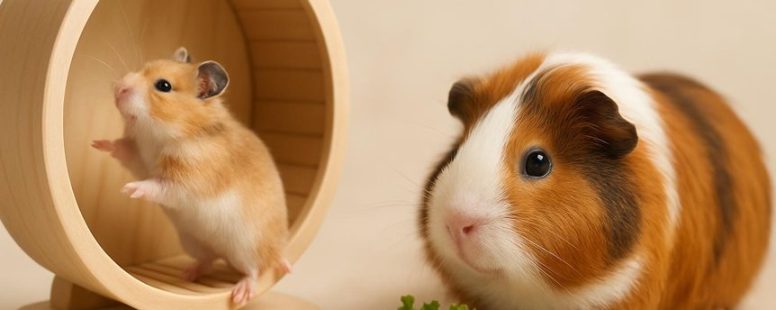
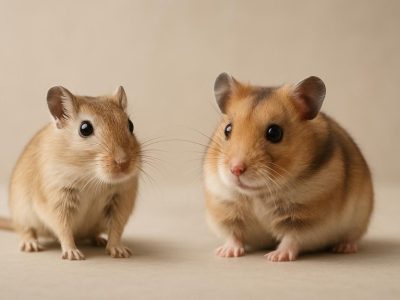
Imagine flicking on the lights to see a tiny hamster vanish into the shadows like a fleeting whisper, or observing a guinea pig peacefully grazing in the bright daylight. These small creatures reveal their true personalities through their daily routines and social cues, guiding us in how to care for them best.
Recognizing the subtle behavioral differences can turn pet-keeping into a harmonious dance, revealing surprising benefits such as enhanced well-being for your furry companion. Understanding their unique traits transforms the experience from mere care to a meaningful bond—making your pet’s happiness truly come alive.
How Do Hamsters and Guinea Pigs Behave in Their Natural Habitats?
Hamsters and guinea pigs act very differently in their natural homes. Hamsters are mostly lone animals. They like to stay alone and are very careful. They eat grains, seeds, and small bugs. Hamsters do not hunt or chase other animals. Instead, they hide quickly when they see danger. They are often found in dry places like deserts or steppes. Their quick hiding helps them stay safe from predators.
Guinea pigs, on the other hand, are social animals. They live in groups and stay close together. They eat grass, vegetables, and plants. Unlike hamsters, guinea pigs do not hide much. They feel safer when they are with others. They usually live in grassy areas, like fields or plains. Their social behavior helps protect them from predators.
Some people might wonder why hamsters are so secretive and guinea pigs are so friendly. It depends on where they live. Hamsters survive better alone because they have to find food in dry, open places where being alone is safer. Guinea pigs stay in groups because it helps them watch for danger in their grassy homes. Both animals behave differently because they have different ways of staying alive in the wild.
What Are Their Activity Levels and Sleep Patterns?
Hamsters and guinea pigs have different activity levels and sleep patterns. Hamsters are mainly active at night, so they spend most of their time running on wheels or exploring their cage when it’s dark. During the day, they sleep a lot, taking short naps here and there. Think of hamsters like tiny night owls. Guinea pigs, on the other hand, are active during the day. They are most lively in the morning and late afternoon, then sleep at night. They are more like daytime animals, similar to humans.
When it comes to what they eat, hamsters prefer high-energy foods like seeds and grains. These foods give them the boost they need for their bursts of activity at night. Guinea pigs like fresh hay and vegetables, which help them stay calm and active during the day.
Both animals clean themselves, but hamsters groom themselves often, using their paws to keep clean. Guinea pigs groom less and often rely on their environment to stay tidy. Remember, if you want a hamster or guinea pig as a pet, it helps to know when they are active and sleeping so you can play with them at the right times.
How Do Social Needs Differ Between Hamsters and Guinea Pigs?
Understanding the social needs of hamsters and guinea pigs helps owners give them the right environment.
Hamsters are mostly solitary animals. They prefer to live alone and do not need much social interaction. If you put two hamsters in the same cage, they might fight. So, it’s best to keep them separate unless you are sure they can share space peacefully. Hamsters Groom themselves often and do not require grooming from owners. They are opportunistic eaters, meaning they eat a variety of foods, but they do not need friends to eat with.
Guinea pigs are very social animals. They need friends to be happy and healthy. They often form strong bonds with their cagemates and should be kept in pairs or groups. Unlike hamsters, guinea pigs enjoy sharing their food. They need a diet high in vitamin C and fresh vegetables, like bell peppers and leafy greens, which they often share with their friends. Guinea pigs also need regular grooming, especially long-haired ones, to keep their coats clean and healthy.
Some people might think it’s okay to keep guinea pigs alone, but they can get lonely and stressed without company. Hamsters, on the other hand, can be lonely if left alone, but they do fine by themselves.
Knowing these social needs can help you decide the best environment for your pets. For example, if you have a hamster, it’s better to give it a spacious cage and keep it alone. For a guinea pig, a larger cage with a friend will make it happier. Both animals need love and attention, but their social needs are very different.
How Do They Show Affection and Respond to Handling?
Hamsters and guinea pigs show affection in different ways, and how they respond to being handled also varies. Knowing these differences helps you understand what your pets are trying to tell you.
Hamsters mainly show they trust you by grooming themselves or resting nearby. For example, if your hamster is grooming or sitting quietly near you, it means they feel safe. When you pick up a hamster, it might stay still and accept your touch quietly. But some hamsters may be shy and only tolerate handling, not enjoy it. They might wiggle or try to get away if they are uncomfortable.
Guinea pigs, on the other hand, often ask for attention. They nudge or make gentle sounds like squeaks to show they want to interact. When you hold a guinea pig, they generally enjoy it and may even nuzzle your hand or face. This is a sign they trust you and like being close.
Some people might think all small pets like to be handled the same way, but that’s not true. Hamsters usually prefer less handling and can become stressed if touched too much. Guinea pigs are more social and often thrive on being held and cuddled. However, both animals can feel scared if handled roughly or unexpectedly.
To show affection to hamsters, give them time to get used to you. Let them come to you and avoid grabbing them suddenly. For guinea pigs, gently lift them and speak softly to help them feel safe. Remember, each pet has its own personality. Some hamsters may enjoy more handling, while some guinea pigs prefer short cuddles. Watching their reactions can help you know what makes them happy.
Understanding these differences helps you build trust with your pets. It also prevents stress or discomfort for them. Whether you have a hamster or a guinea pig, paying attention to how they show love and how they respond to handling makes caring for them a more enjoyable experience.
Hamsters: Subtle Affection Signs
Hamsters show they like you through small actions that are easy to miss. These signs tell you your hamster feels safe and comfortable with you. One clear sign is nesting. If your hamster picks a spot near you to build a nest or settle into, it means it trusts you. Another sign is how your hamster acts when you handle it. If it stays calm and even comes to you on its own, it shows it feels relaxed around you and likes your company.
Hamsters don’t groom others like some animals, but they might groom themselves more when they are relaxed near you. These tiny behaviors, like nesting nearby and staying calm, are signs that your hamster is starting to like you and feels safe.
Some people may not notice these signs right away because they are small. Paying close attention to your hamster’s actions is the best way to see if it is forming a bond. Remember, every hamster is different. Some may show affection in different ways or take more time to trust you. It’s a good idea to be patient and gentle, so your hamster can build a strong friendship with you.
Guinea Pigs: Social Interaction Cues
Guinea pigs show they trust and feel safe around you through certain social cues. When they are happy and comfortable, they might groom each other or even lick you. This grooming is a sign they trust you a lot. Another way they show they are relaxed is by softly squeaking or nuzzling. If they feel safe, they may lean into your hand or rest peacefully in your lap.
Unlike hamsters, which are more territorial and may bite if they feel threatened, guinea pigs are more open to being handled gently. When you gently hold a guinea pig, they usually stay calm and may even lean on you. If they are uncomfortable, they might wiggle or try to get away.
Knowing these cues helps you understand when your guinea pig feels loved and secure. For example, if your guinea pig nuzzles you or squeaks softly, it’s a sign they trust you. But if they move away or seem nervous, it’s better to give them space. Paying attention to these signs can help build a stronger bond with your pet.
How Can You Recognize Stress or Happiness in Your Small Pet?
Recognizing whether your small pet is happy or stressed is key to keeping them healthy. The best way to tell is by watching how they act and what they do.
First, check their eating habits. Happy pets usually eat their favorite foods with no problem. If your pet suddenly stops eating or becomes picky, they might be stressed. For example, a rabbit who normally loves carrots might refuse them if feeling anxious. On the other hand, a stressed pet might eat less or too much, which can also be a sign of their discomfort.
Next, look at their grooming habits. A calm pet keeps up with regular grooming. But if they start neglecting their fur or over-grooming, it could be a sign of stress. For example, a hamster that usually grooms itself regularly might start pulling out fur if feeling scared or anxious. Some pets might hide when they are stressed, while others might become more active or agitated.
It is also good to notice their behavior when handled. For instance, guinea pigs that are happy will often enjoy being gently stroked or held. But if they squirm, hide, or bite, they might feel uneasy.
Some pet owners think that all stress signs are the same, but different animals show their feelings in different ways. For example, a stressed bird might puff up or stop singing, while a stressed fish might hide or swim erratically.
It’s helpful to watch your pet closely every day. If you see changes in their eating or grooming habits, or if they seem scared or agitated, they might be stressed. Creating a calm and safe environment helps keep pets happy.
How Do Hamsters and Guinea Pigs Communicate and Express Emotions?
Hamsters and guinea pigs tell us how they feel using sounds and body language. These signals help us know if they are happy, scared, or stressed. For example, a squeak or chatter often shows excitement or happiness. On the other hand, certain body movements can mean they are stressed or content. When you understand these signs, you can better care for your pets and respond to what they are trying to tell you. For example, a guinea pig might pop up and squeal when excited, while a hamster might freeze or hide if it feels scared. Knowing these signs helps you keep your pets happy and healthy.
Vocalization Styles and Sounds
Vocal sounds are a key way hamsters and guinea pigs talk to us, but their sounds are quite different. Hamsters make high-pitched squeaks and chirps. These sounds often mean they are excited or alert. Their sharp, loud noises are hard to miss and can signal they are feeling scared or curious. For example, if a hamster suddenly squeaks loudly when you open its cage, it might be surprised or nervous.
Guinea pigs, on the other hand, make softer sounds like gentle purring or squealing. These sounds usually show they are happy and relaxed. If a guinea pig is softly purring while being petted, it probably feels safe and content. But if it squeals loudly or makes a distressed noise, it might be upset or scared.
Here are some quick facts to help you understand their sounds better:
Hamsters’ high-frequency squeaks mean they are alert or possibly frightened.
Guinea pigs’ soft purring shows they are happy.
Sharp squeaks from hamsters can mean they are worried or uncomfortable.
Loud squeals from guinea pigs often mean they are upset or alarmed.
Knowing these differences can help you understand how your pets are feeling just by listening to their sounds. Remember, every animal has its own way of talking, so pay attention to the tone and pitch of their noises. This way, you can tell if they are happy, scared, or in need of comfort.
Body Language and Movements
Body language and movements are key ways hamsters and guinea pigs show how they feel. These small animals often give clues through their actions even before they make a sound.
Hamsters communicate mainly through their behaviors. For example, if a hamster is burrowing or exploring confidently, it usually feels safe and relaxed. But if it freezes or hides, it might be scared or stressed. Sometimes, a hamster pacing quickly shows it is upset or anxious. Watching these movements helps us know when they are comfortable or upset.
Guinea pigs use their body posture to show how they feel. If they stand tall, they might be trying to show dominance. If they flatten against the ground, they are submitting or feeling shy. Both hamsters and guinea pigs also use sounds, but their movements tell us a lot. For example, a guinea pig nibbling gently can mean it is curious or happy. In contrast, a hamster pacing fast might mean it’s worried or agitated.
Some pet owners might find it tricky to tell what their rodents are feeling. For example, a hamster hiding in its cage could be scared, but it could also just be resting. It is good to learn what different movements mean and watch for patterns over time. Paying attention to these small cues helps us understand their feelings and respond better.
Understanding body language in pets is useful, but remember that each animal is different. Some hamsters or guinea pigs might show their feelings in unique ways. So, it is always best to observe carefully and be patient.
What Are Common Behavioral Challenges, and How Can You Address Them?
Understanding common behavioral challenges is important to keep your small pet happy and healthy. Hamsters and guinea pigs can show signs of stress or discomfort through their actions. Knowing what to look for can help you fix problems early.
Eating habits: If your pet is eating less or only nibbling on certain foods, it might mean they are not feeling well. For example, a hamster that usually eats a lot but suddenly stops could have health issues. Watching their eating helps catch problems early.
Grooming: Pets that don’t groom themselves properly might develop skin problems or mats. Guinea pigs, in particular, need regular brushing to stay clean. If you see your guinea pig with matted fur or skin irritation, it’s time to help them with grooming.
Activity levels: Notice if your pet seems very tired or unusually hyper. A hamster that sleeps all day and then suddenly becomes very active at night might be stressed or ill. Keeping an eye on their energy can warn you about possible health issues.
Social behavior: Look for signs of aggression or withdrawal. If your hamster bites more than usual or your guinea pig avoids interaction, something might be bothering them. Sometimes, changes in their environment or social setup cause these behaviors.
To handle these issues, give your pets patience and care. Sometimes, changing their environment or routine can make a big difference. For example, offering more hiding spots can reduce stress for hamsters. Remember, small pets need love and attention just like bigger animals. Recognizing and acting on these signs can help your pet stay happy and healthy.
How Can You Create a Habitat That Supports Their Natural Behaviors?
Creating a habitat that supports your small pet’s natural behaviors is very important for their health and happiness. First, understanding their diet helps you choose the right food. For example, hamsters like grains and seeds, while guinea pigs need fresh vegetables and hay. Providing the right food encourages natural foraging and grazing habits.
Next, design their space with enough room for movement. Include hiding spots and toys so they can explore and feel safe. For example, a hamster might enjoy tunnels, and a guinea pig might like a cozy hideaway. This helps them behave naturally, like burrowing or exploring.
Grooming routines are also key. Giving hamsters a sand bath helps keep their fur clean. For guinea pigs, smooth surfaces make cleaning easier and help prevent injuries. Plus, these routines keep your pet comfortable and reduce stress.
Which Small Pet Fits Your Lifestyle Based on Behavior and Needs?
Choosing the right small pet depends on your lifestyle and what behaviors you can handle. Here are some facts to help you decide based on their needs.
If you want a pet that doesn’t need much care or grooming, a hamster is a good choice. Hamsters only need regular cleaning of their cages and don’t require daily grooming. They are active at night, so they are quiet during the day. This makes them perfect if you sleep during the day or have a busy schedule.
If you enjoy spending time with your pet and don’t mind daily grooming, guinea pigs are a great pick. They love social interaction and need regular brushing to stay clean. Guinea pigs also need a diet rich in vitamin C, like fresh bell peppers or strawberries. They are friendly and enjoy being held, making them good companions for kids.
For busy people, hamsters can be ideal because they are mostly active at night. You can play with them after work or school, and they won’t mind if you are busy during the day. However, they are nocturnal, so they sleep during the day, which might be a problem if you want a pet to play with in daylight hours.
When choosing a pet, think about what they eat and how much grooming they need. Some pets, like guinea pigs, require special foods and daily care, while others, like hamsters, are easier to care for but are active at night. Knowing what each pet needs can help you find the best match for your lifestyle.
To provide the best experiences, we use technologies like cookies to store and/or access device information. Consenting to these technologies will allow us to process data such as browsing behaviour or unique IDs on this site. Not consenting or withdrawing consent, may adversely affect certain features and functions.
Functional
Always active
The technical storage or access is strictly necessary for the legitimate purpose of enabling the use of a specific service explicitly requested by the subscriber or user, or for the sole purpose of carrying out the transmission of a communication over an electronic communications network.
Preferences
The technical storage or access is necessary for the legitimate purpose of storing preferences that are not requested by the subscriber or user.
Statistics
The technical storage or access that is used exclusively for statistical purposes.The technical storage or access that is used exclusively for anonymous statistical purposes. Without a subpoena, voluntary compliance on the part of your Internet Service Provider, or additional records from a third party, information stored or retrieved for this purpose alone cannot usually be used to identify you.
Marketing
The technical storage or access is required to create user profiles to send advertising, or to track the user on a website or across several websites for similar marketing purposes.