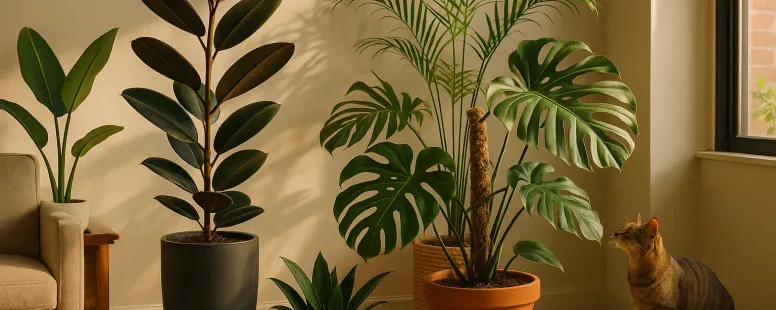
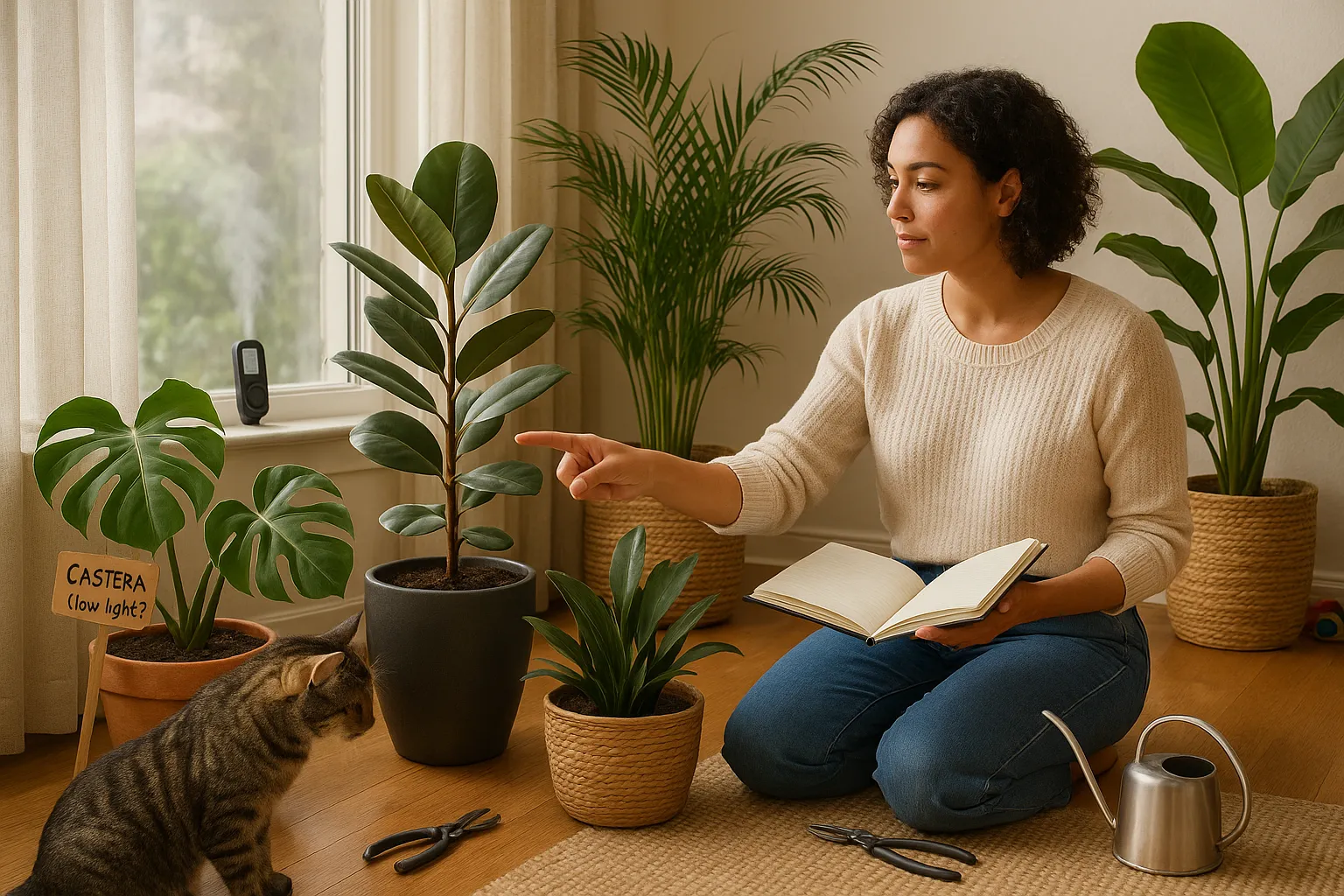
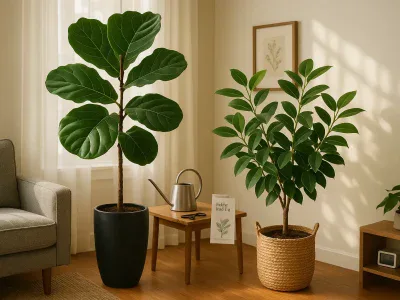
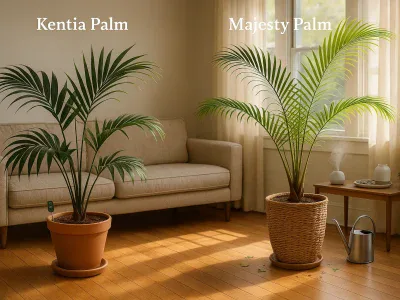
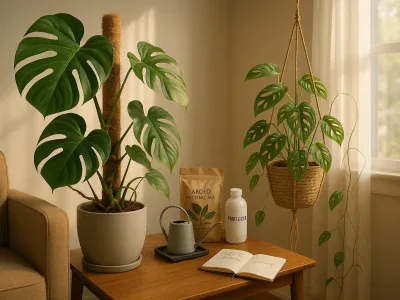
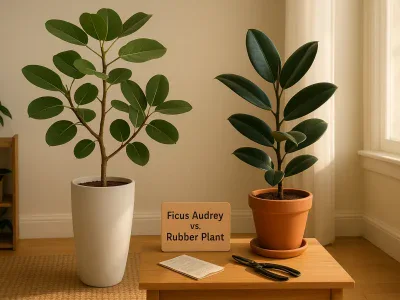
The rubber plant, monstera, or kentia palm can give you the same dramatic punch as a fiddle leaf fig without the fuss. You want a large, sculptural houseplant that fills a corner, frames a sofa, or crowns a tall pot, but you also want something that tolerates imperfect light, missed waterings, or curious pets. This article shows clear, practical alternatives that match the fiddle leaf fig’s look and presence while being easier to keep healthy. Expect honest trade-offs, brand examples (like Costa Farms and The Sill), and care options that fit real life, not a plant-care fantasy.
Why People Look For A Fiddle Leaf Fig Alternative
Fact: Many people drop the fiddle leaf fig because it is picky about light, watering, and pests. You like the fiddle leaf fig for its large, glossy leaves and upright habit. But it demands bright, steady light, careful watering, and regular cleaning. That makes it a poor fit if you travel, forget to water, or keep pets.
People report problems with root rot, brown spots, and scale insects on Ficus lyrata in online forums and on Instagram comments. The Royal Horticultural Society lists Ficus species as needing bright light and consistent moisture, conditions many apartments do not provide. You may also worry about pet safety: the ASPCA classifies many ficus species as toxic to cats and dogs, which pushes owners to look elsewhere.
Anecdote: I bought a fiddle leaf fig from a big-box nursery (not The Sill) and watched leaves drop the first winter when my apartment heating dried the air. I switched after learning that similar-looking plants tolerate lower light and less fuss. That change saved me time and disappointment, and I still get the sculptural effect I wanted.
Key Criteria For Choosing The Right Alternative
Fact: Match the alternative to your light, space, and life rhythm first. Choose plants by clear, practical criteria so you get results.
Light tolerance: Pick species that thrive in the exact light you have. South-facing windows allow for Bird of Paradise or Monstera: north-facing spots favor Cast Iron Plant or Kentia Palm.
Size and growth habit: Decide if you want vertical presence (Rubber Plant, Bird of Paradise) or spread and texture (Monstera).
Maintenance needs: Some plants forgive missed waterings (Cast Iron Plant, Rubber Plant) while others need regular feeding (Bird of Paradise).
Toxicity and pets: If you have cats or dogs, note that Monstera and Dieffenbachia are toxic: Cast Iron Plant (Aspidistra) is safer.
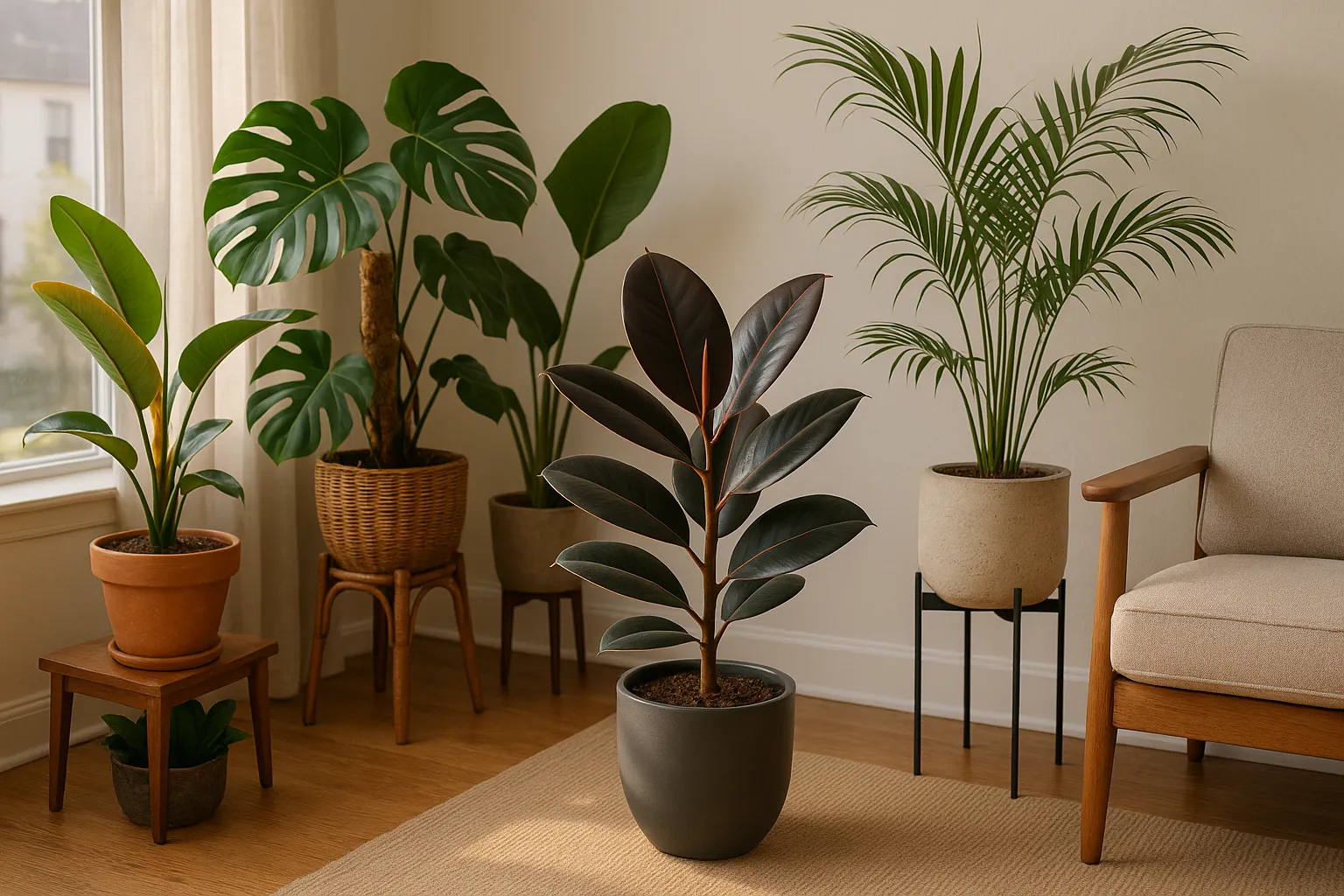
Aesthetic fit: Consider leaf shape, color, and how the plant layers with furniture. Rubber plants give glossy, elliptical leaves similar to fiddle leaf figs. Monstera offers fenestrated, dramatic leaves for a tropical vibe.
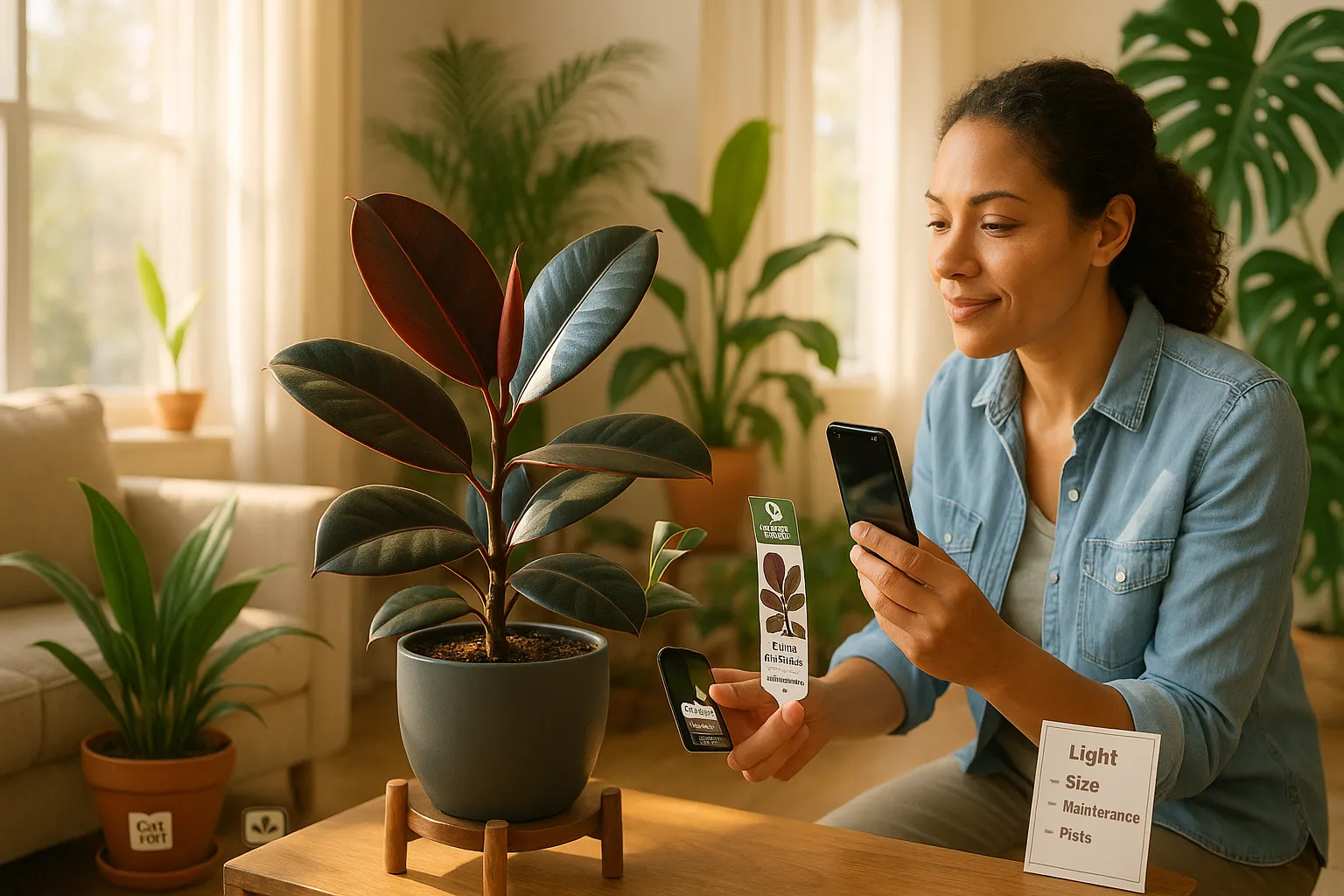
Practical tip: Use brand-labeled plants from retailers like Costa Farms or local grower shops because they often provide varieties selected for hardiness. Ask the nursery for the plant’s cultivar name: some rubber plant cultivars (Ficus elastica ‘Burgundy’, ‘Ruby’) handle lower light better.
Top Alternatives To The Fiddle Leaf Fig
Fact: Several species replicate the fiddle leaf fig’s visual impact while offering easier care. Below are five reliable choices with what to expect and when to pick each.
Rubber Plant (Ficus Elastica): A Similar Look With Easier Care
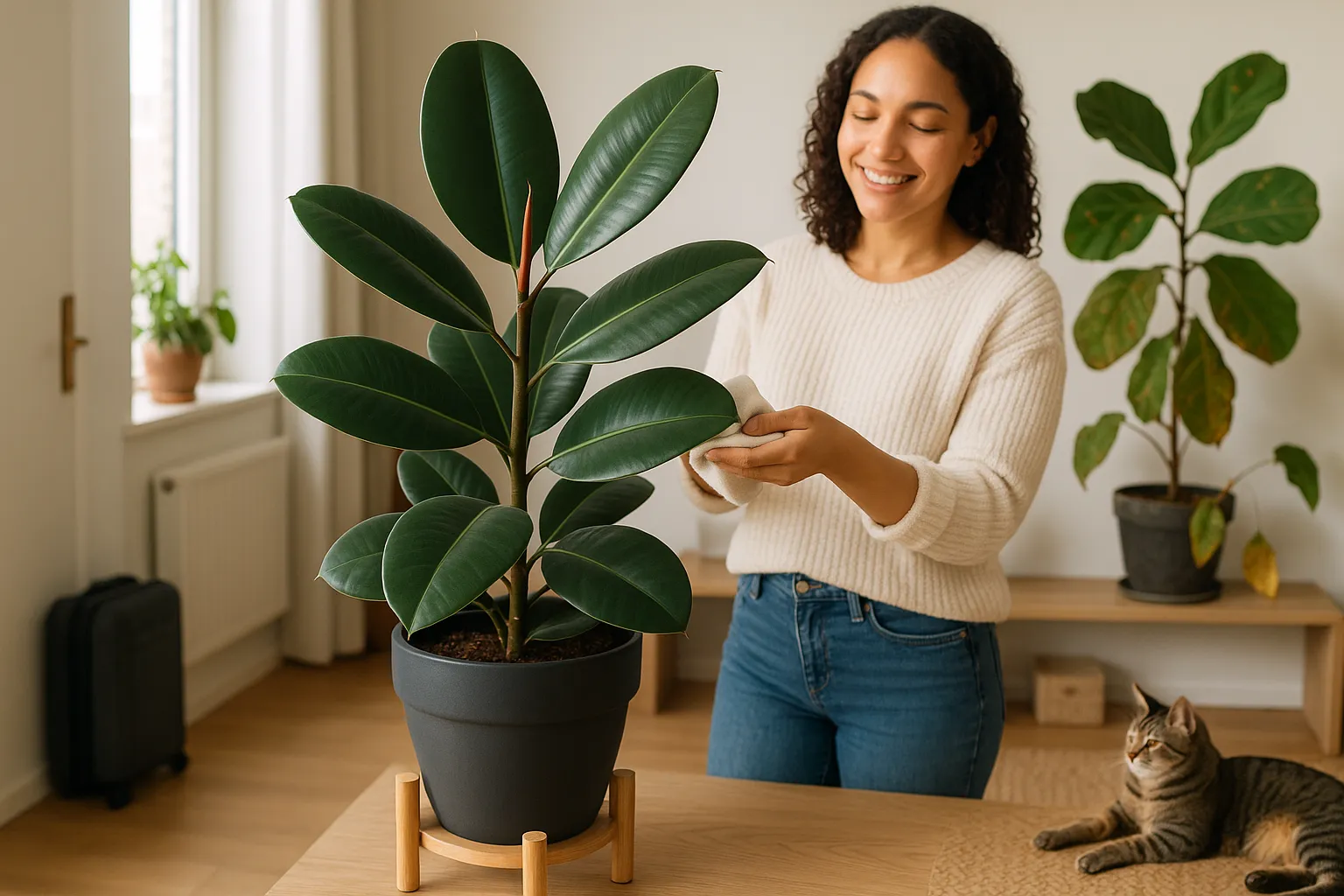
The rubber plant gives you large, glossy leaves and an upright trunk like a fiddle leaf fig, but it tolerates moderate light and occasional neglect. Brands such as The Sill sell compact rubber plants for apartments. Rubber plants like ‘Burgundy’ show deep color that catches light. Expectations: bright, indirect light for best color: water when top 1–2 inches of soil dry. Downsides: can grow tall quickly and is mildly toxic to pets, so place high or out of reach.
Monstera Deliciosa: Bold Leaves And Tropical Appeal
Monstera offers dramatic, split leaves that create a strong visual statement. It is forgiving in medium to bright indirect light and handles variable humidity. Monstera climbs if you provide a moss pole (try a 3–4 ft pole from Espoma or local garden center). Expectations: regular watering but not waterlogged soil, training or staking for vertical form. Downsides: toxic to pets and produces aerial roots that may be messy.
Kentia Palm: Elegant, Airy Statement For Low Light Spaces
Kentia palm (Howea forsteriana) thrives in lower light than a fiddle leaf fig and gives a graceful, architectural shape. It fits hallways and dim living rooms. Expectations: slow growth, humidity helps but not required, and low fertilizer needs. Downsides: slower to fill space, you must be patient. Kentia is a common selection at boutique plant shops and hotels for that calm look.
Bird Of Paradise: Dramatic, Architectural Foliage For Bright Rooms
Bird of Paradise (Strelitzia reginae) produces large, paddle-like leaves that rival the fiddle leaf fig in drama. It demands bright light and rewards you with stronger growth and occasional flowers. Expectations: bright sun or a south-facing window, larger pots, and active feeding during spring-summer. Downsides: not suited to low light and can be heavy when mature.
Cast Iron Plant: Low-Maintenance, Pet-Safe Foliage Option
The Cast Iron Plant (Aspidistra elatior) tolerates very low light, temperature swings, and irregular watering. It’s ideal for busy households and pet-friendly homes. Expectations: slow grower, small glossy leaves rather than large paddles: place in shade or behind furniture. Downsides: it won’t replace the fiddle leaf fig’s scale, but it provides reliable green and quiet presence.
How To Match An Alternative To Your Home And Routine
Fact: You should match plant traits to your specific home conditions and schedule. Start with the simplest questions: how much light you have, if pets roam, and how often you’ll water.
Light, Space, And Humidity Considerations
Answer: Measure light by watching sun patterns for a day. If your space gets direct sun for several hours, pick Bird of Paradise or Monstera. If you have filtered or low light, choose Kentia or Cast Iron Plant. Humidity matters: Monstera and Bird of Paradise like higher humidity: use a humidifier or group plants together. If you heat your home heavily in winter, select forgiving species like Rubber Plant.
Pet Safety, Toxicity, And Household Factors
Answer: Check ASPCA listings or nursery tags for toxicity. If you have curious cats or dogs, lean toward Cast Iron Plant or certain Kentia varieties that are lower risk. Place toxic plants out of reach and use deterrents, bitter sprays or tall stands. Also factor in kids: avoid plants with pointy or sap-filled leaves in play areas.
Maintenance Level And Styling Goals
Answer: Decide how much time you will spend on care. If you want minimal maintenance, pick Cast Iron Plant or Kentia. If you enjoy pruning, grooming, and occasional repotting, Monstera and Rubber Plant reward effort with faster, dramatic growth. Styling note: use tall, narrow pots for upright plants and wider, shallow pots for spreading habits. Choose pot color and texture to match your decor, matte ceramic for modern rooms, wicker or rattan for boho spaces.
Practical Care Tips To Make Your Alternative Look Like A Statement Plant
Fact: Good soil, correct watering, and occasional grooming make any of these alternatives look like a design-forward specimen.
Watering, Soil, And Potting Best Practices
Use well-draining potting mixes designed for houseplants. For Rubber Plant and Monstera, mix in perlite and orchid bark to improve airflow. Water when the top inch of soil dries for medium-light plants: allow 1–2 inches dry for low-light species. Always use a pot with drainage and lift the pot off a saucer to avoid sitting water. Repot every 12–24 months into a pot 1–2 inches larger: root-bound plants may show slower growth.
Pruning, Cleaning Leaves, And Shaping For Size
Wipe leaves monthly with a damp cloth to remove dust and improve photosynthesis. Prune to remove brown or damaged leaves at the base: for Monstera, cut aerial roots you don’t want and train stems to a pole. Rubber plants respond to heading cuts, cut just above a node to encourage branching. These simple actions keep the plant sculptural and camera-ready.
Pest Prevention, Fertilizing, And Seasonal Care
Inspect for pests like spider mites, scale, and mealybugs every few weeks. Treat early with insecticidal soap or neem oil (brands: Bonide or Safer Brand work well). Fertilize during the growing season with a balanced houseplant fertilizer (e.g., 10-10-10 or a water-soluble formula from Miracle-Gro) at half strength every 4–6 weeks. In winter, reduce watering and stop feeding. Be honest: I once overfed a Bird of Paradise and burned new leaf edges, slow feeding is safer.
Practical warning: Don’t place plants in drafty spots near vents. Sudden temperature swings cause leaf drop. If you travel, set up a neighbor or a timed drip to avoid extended drought.
To provide the best experiences, we use technologies like cookies to store and/or access device information. Consenting to these technologies will allow us to process data such as browsing behaviour or unique IDs on this site. Not consenting or withdrawing consent, may adversely affect certain features and functions.
Functional
Always active
The technical storage or access is strictly necessary for the legitimate purpose of enabling the use of a specific service explicitly requested by the subscriber or user, or for the sole purpose of carrying out the transmission of a communication over an electronic communications network.
Preferences
The technical storage or access is necessary for the legitimate purpose of storing preferences that are not requested by the subscriber or user.
Statistics
The technical storage or access that is used exclusively for statistical purposes.The technical storage or access that is used exclusively for anonymous statistical purposes. Without a subpoena, voluntary compliance on the part of your Internet Service Provider, or additional records from a third party, information stored or retrieved for this purpose alone cannot usually be used to identify you.
Marketing
The technical storage or access is required to create user profiles to send advertising, or to track the user on a website or across several websites for similar marketing purposes.