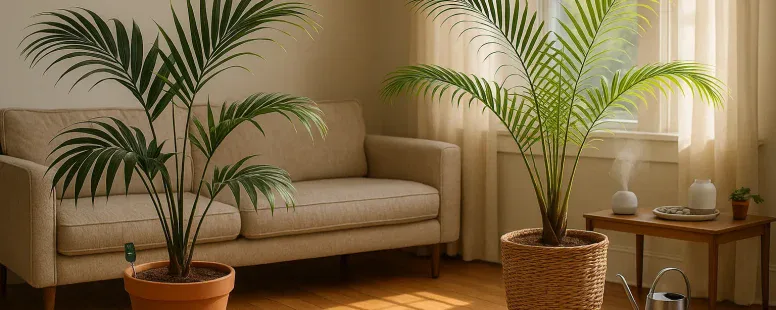
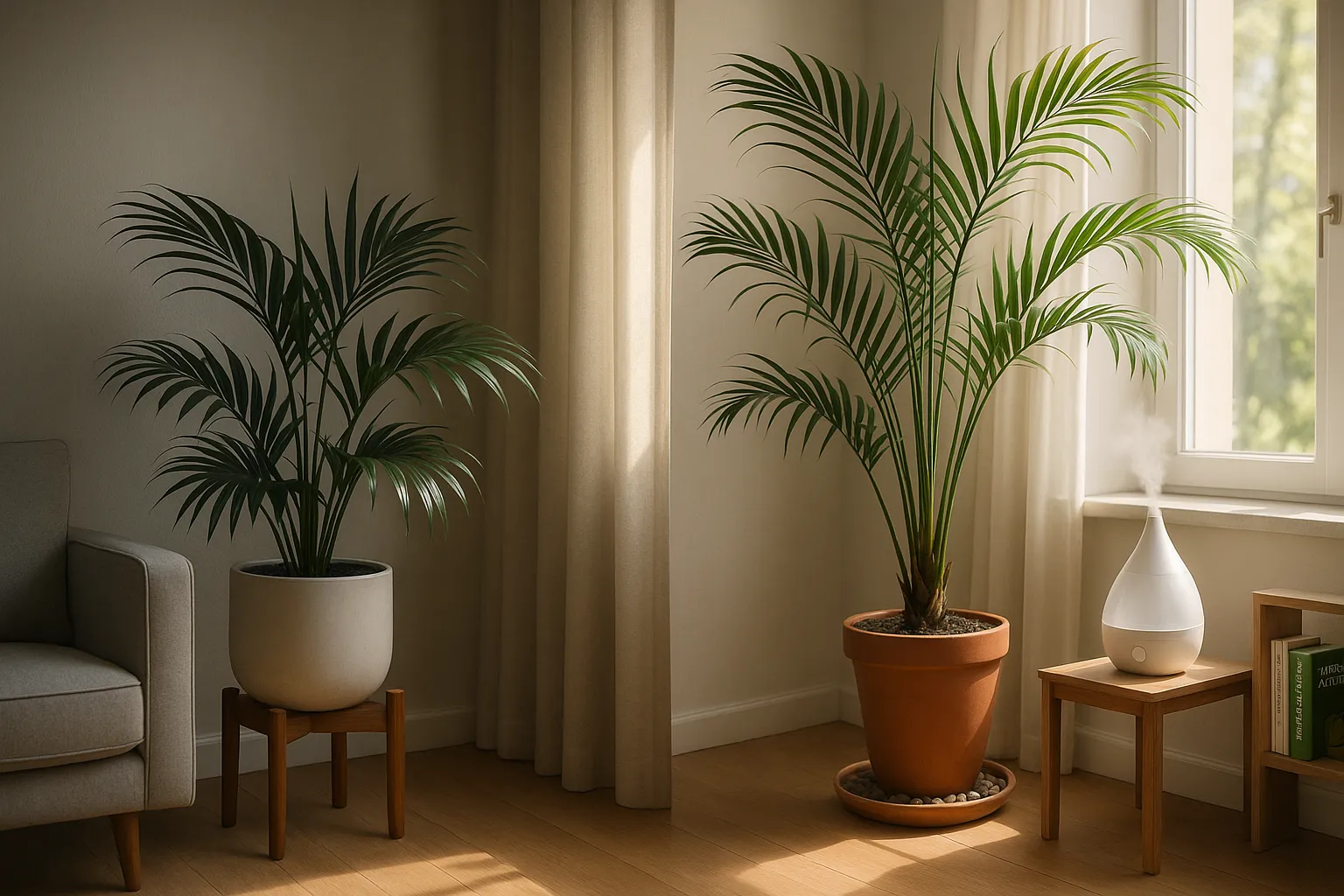
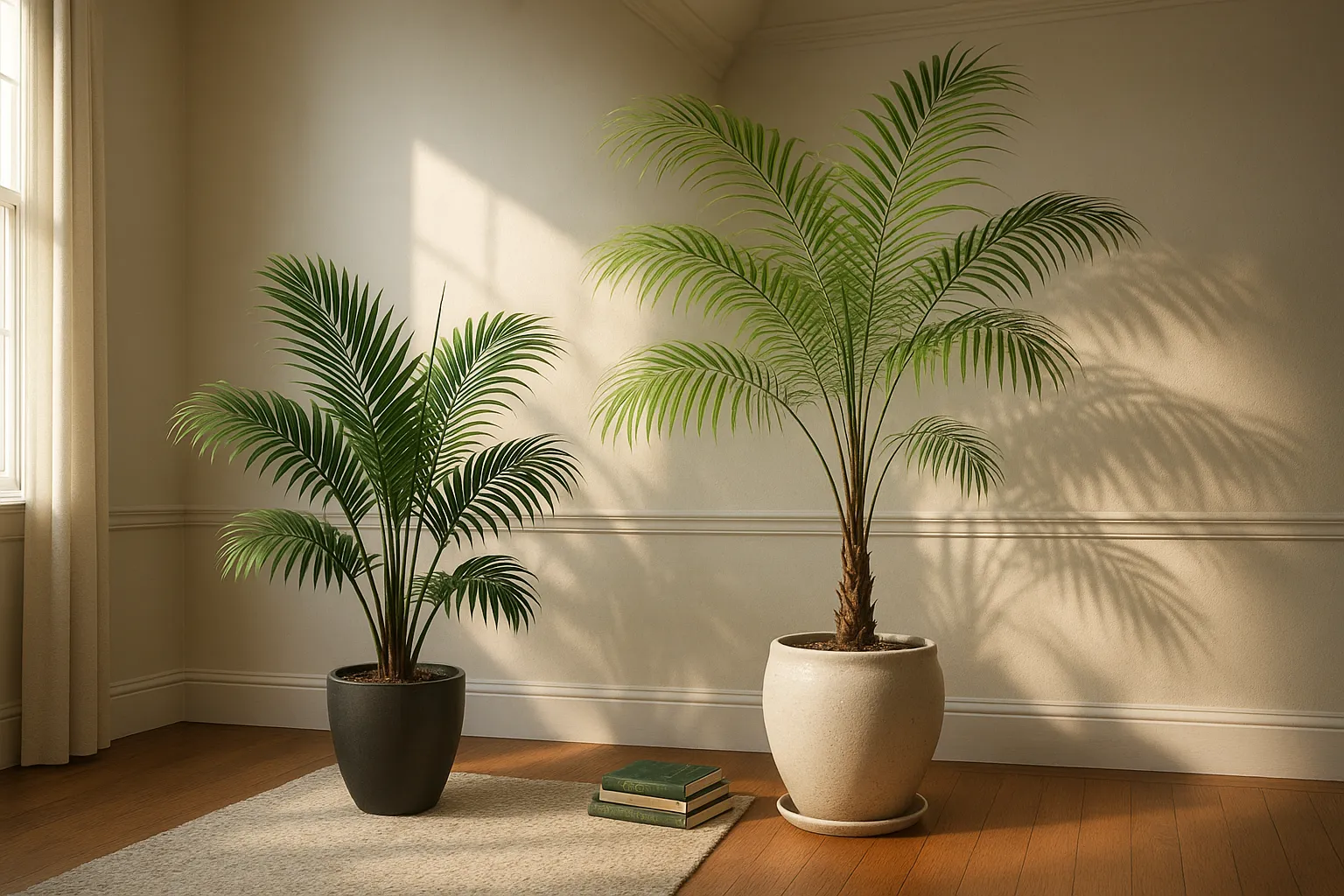
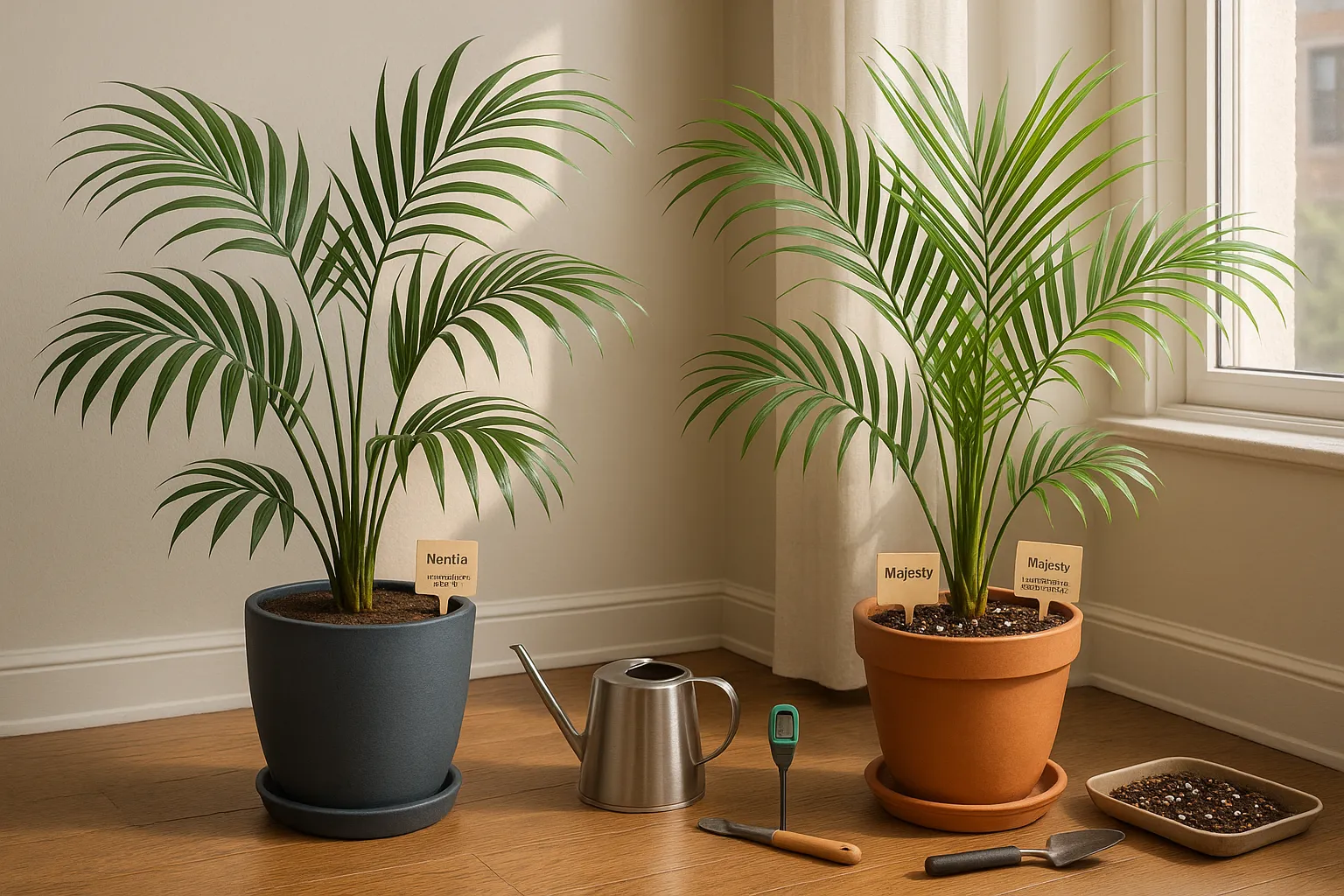
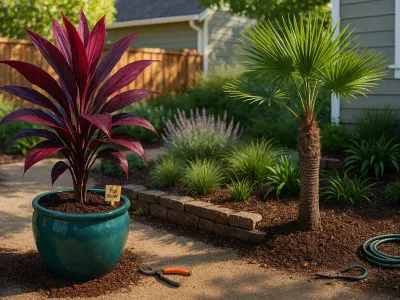
You can bring a slice of coastal shade into your living room with either a Kentia or a Majesty palm, but they feel very different underfoot. One suggests quiet, slow-growing grace like a vintage seaside hotel: the other screams tropical drama with feathery fronds that catch light and drop occasional confetti on your floor. Choosing between them matters: their light needs, watering habits, and size decide whether your plant will thrive or sulk. In the sections below you’ll find clear, practical contrasts and sensory details to help pick the right palm for your space.
Quick Comparison At A Glance
Fact: Kentia (Howea forsteriana) tolerates lower light and slower care: Majesty (Ravenea rivularis) needs brighter light and more humidity. Kentia delivers slow steady growth, dark glossy pinnate leaves, and patience. Majesty offers rapid upright growth, arching feather-like fronds, and theatrical presence.
Size: Kentia stays smaller indoors: Majesty often becomes much taller.
Light: Kentia prefers bright indirect to low light: Majesty prefers bright indirect to some direct sun.
Humidity: Kentia is forgiving: Majesty prefers high humidity.
Named entities: Howea forsteriana (Kentia), Ravenea rivularis (Majesty), Royal Horticultural Society (RHS) guidance supports Kentia’s reputation as tolerant. These quick contrasts help you match plant traits to your room and routine.
Appearance And Growth Habit
Fact: The two palms offer distinct silhouettes and growth patterns that shape interior style.
Size And Growth Rate
Kentia grows slowly. Indoors it often tops out around 6–10 feet over many years. Majesty grows faster and may reach 10–12 feet in a few seasons if light, water, and humidity favor it. If your ceiling is low, Kentia fits more easily. If you want vertical drama and have high ceilings, Majesty earns the spot. Consider that Majesty sometimes needs more frequent repotting because of faster root expansion.
Leaf Shape, Texture, And Visual Appeal
Kentia has long, drooping pinnate leaves. The leaflets are sturdy and darker green: they fold slightly and shed less debris. Majesty has more delicate, feathery fronds: the leaflets are finer, lighter green, and they flutter a little with air. Visual effect: Kentia creates calm, structured green: Majesty creates movement and a tropical vibe that can be noisy if you mind dropped leaflets.
Lifespan And Long-Term Development
Fact: Both palms can live decades indoors with proper care. Kentia’s slow pace often means fewer mistakes impact its long-term health. Majesty rewards attentive owners with faster growth but will show stress sooner if you under-serve it. The RHS and several botanical collections record Howea living in homes for 40+ years: Ravenea can match that with steady care, but you’ll need to be more proactive.
Light, Water, And Soil Requirements
Fact: Light and water are the major decision points: soil and drainage are straightforward for both.
Light Tolerance And Placement Indoors
Kentia tolerates low to bright indirect light. Place it near north or east windows, or a few feet back from a west window where light is filtered. Majesty needs bright indirect light and benefits from some morning sun: a bright east window or a few feet from a south-facing window works best. If Majesty sits in dim light, leaves will yellow and the crown may thin. If your room lacks light, choose Kentia.
Watering Frequency And Signs Of Stress
Kentia prefers a moderate schedule: water when the top 1–2 inches of soil dry. It tolerates skipped waterings. Majesty demands more consistency: water before the top inch dries but avoid waterlogging. Signs of underwatering: brown leaf tips for both: Majesty shows it faster. Signs of overwatering: yellowing leaves and soft stems: Majesty is more prone to root rot under poor drainage.
Soil Type, Drainage, And Repotting Tips
Use a free-draining potting mix with peat, pine bark, and perlite for both. Kentia tolerates denser mixes better: Majesty benefits from lighter mixes that dry a bit between waterings. Both need pots with drainage holes. Repot every 2–4 years for Majesty and every 3–6 years for Kentia, depending on rootbound signs. When repotting, keep root disturbance minimal: palms dislike heavy root pruning.
Temperature, Humidity, And Climate Tolerance
Fact: Temperature moderate ranges suit both, but Majesty needs higher humidity to look its best.
Ideal Temperature Range And Cold Tolerance
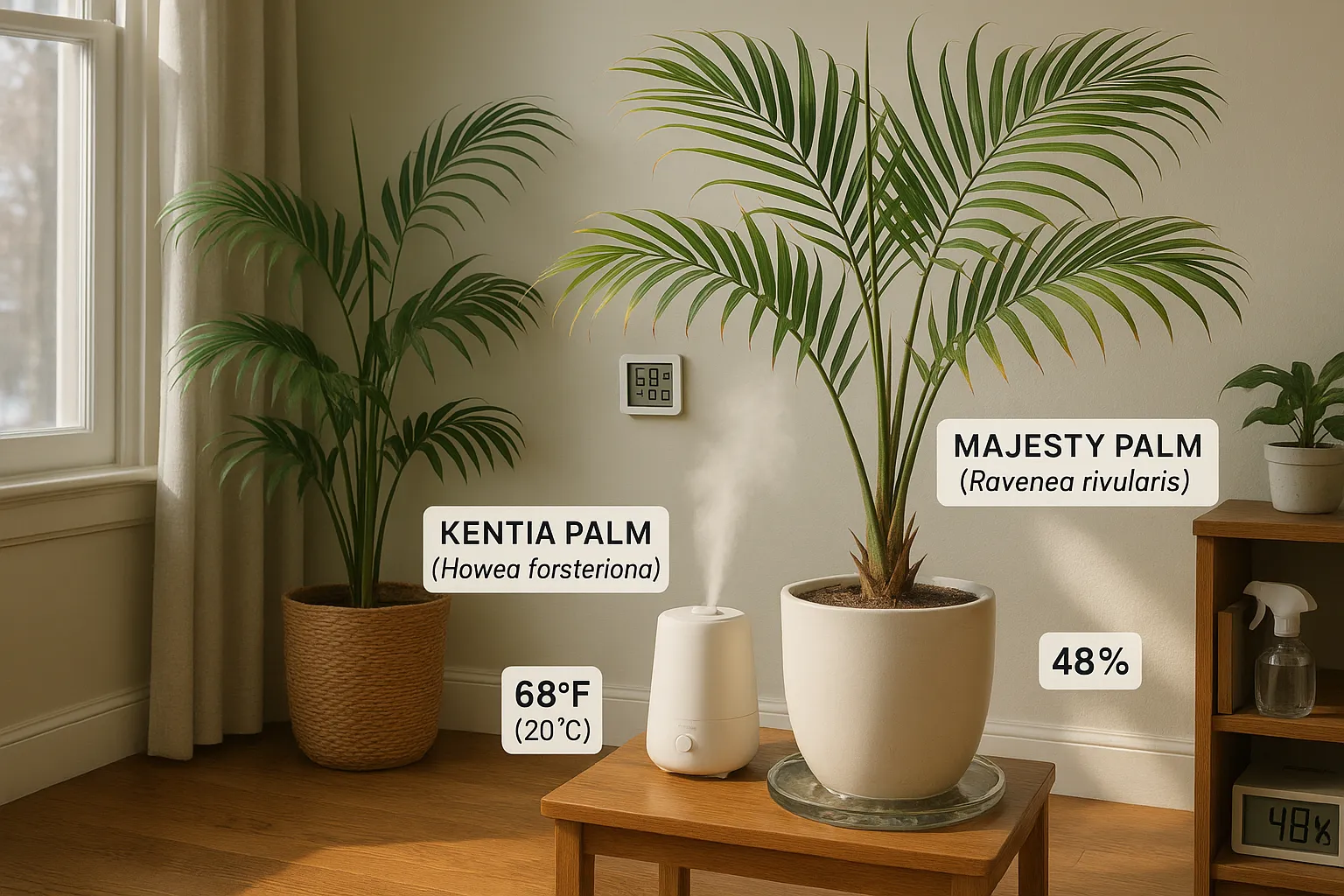
Both palms prefer indoor temperatures between 65–80°F (18–27°C). Kentia tolerates brief dips to around 50°F (10°C) without major harm. Majesty is less cold-tolerant and should not be exposed to temperatures below 55°F (13°C) for long. If you live in a cooler climate, Kentia is safer near drafty windows or during winter heating cycles.
Humidity Needs And Affordable Ways To Meet Them
Kentia is forgiving with household humidity (30–50%). Majesty prefers 50–60% to avoid brown tips and crisping. Affordable ways to raise humidity: group plants together, use pebble trays with water under pots, or run a small ultrasonic humidifier. Misting helps for short-term relief but won’t maintain levels on its own. Give Majesty a daily mist in dry winter months, or set it near a bathroom with a window if light permits.
Pest, Disease, And Maintenance Considerations
Fact: Both palms face similar pests but respond differently to stress: Majesty often shows problems earlier.
Common Pests And How Each Palm Responds
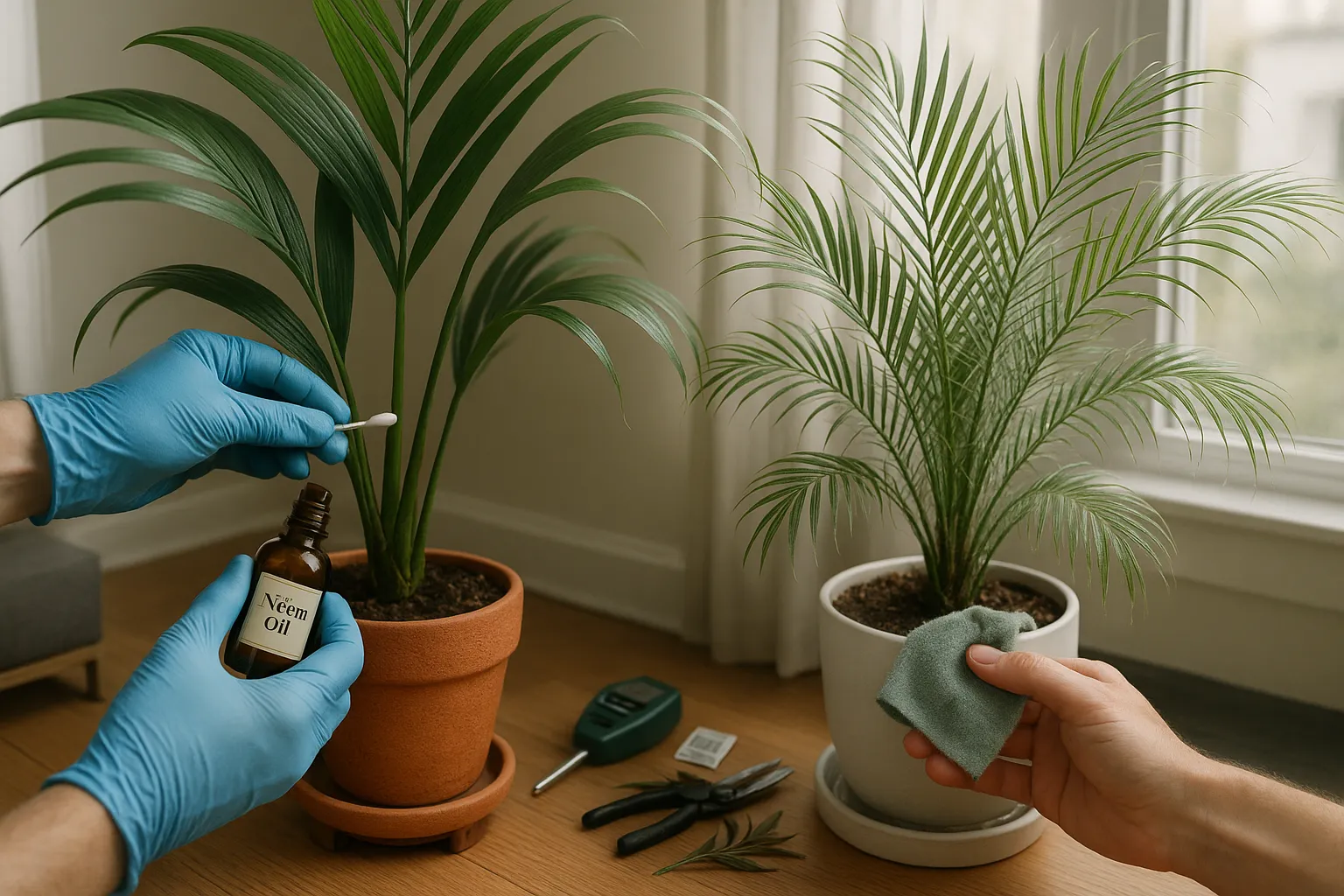
Scale, spider mites, and mealybugs are common. Kentia’s tougher leaf texture hides pests less often, so you may spot infestations sooner. Majesty’s delicate fronds show mite damage quickly as fine webbing and browning. Treat pests with insecticidal soap or neem oil. For heavy scale, use a cotton bud with isopropyl alcohol. Inspect new plants from retailers like The Sill or Home Depot before bringing them indoors.
Disease Risks, Root Health, And Prevention
Root rot from overwatering ranks highest. Majesty is more sensitive to poor drainage and compacted soil. Keep soil slightly open, and avoid letting pots sit in saucers full of water. If you see soft crowns or an off smell from soil, test roots: healthy roots are firm and white: rotten roots are brown/black and mushy. Re-pot and trim rotten roots promptly, and correct watering thereafter.
Pruning, Cleaning, And Routine Care Tasks
Prune only fully dead fronds: live fronds fuel growth. Clean leaves with a soft damp cloth to remove dust and improve photosynthesis. Rotate your palm a quarter turn monthly so growth stays even toward the light source. Fertilize lightly in spring and summer with a balanced houseplant fertilizer, Majesty benefits from slightly more frequent feeding than Kentia.
Practical Factors For Buyers And Caregivers
Fact: Practical constraints like space, budget, and time will decide which palm fits your life.
Space, Pot Size, And Placement Scenarios
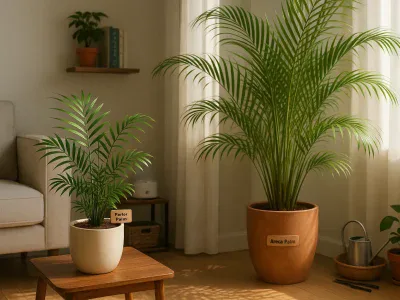
If you have a compact apartment or low ceilings, choose Kentia in a 10–14″ pot and plan for slow vertical growth. If you own a townhouse with 12-foot ceilings or a large sunroom, Majesty in a 16–20″ decorative pot makes a statement. Place Majesty where you can water consistently, near a sink or where a plant sitter can help when you travel.
Propagation, Availability, And Cost Expectations
Kentia is slower to propagate: it’s commonly sold as established specimens rather than nursery-grown pups. Majesty produces seeds and sometimes offshoots in outdoor climates: indoor propagation is trickier. Availability: both appear at specialty shops like Plant Delights, The Sill, and major retailers, but vet source quality. Price: expect to pay more for larger Majesty specimens due to rapid height and demand: Kentia often costs more per inch because of its slow growth and longevity.
Which Palm Is Best For Different Houseplant Owners
You are a busy person with low-light rooms and sporadic watering? Choose Kentia. You enjoy active plant care, can provide bright light and humidity, and want fast impact? Choose Majesty. If you have pets, note that both palms are generally non-toxic, but check specific vet guidelines for your species and breed just to be safe.
Final Decision Checklist: Choosing Between Kentia And Majesty
Fact: Match the palm to your light, humidity, space, and patience levels using this checklist.
Budget and availability: Want a slow grower that ages gracefully? Kentia. Want quick visual impact and don’t mind extra care? Majesty.
Actionable next steps: visit a local nursery like The Sill or your independent garden center, inspect crowns and roots, ask for the plant’s history, and choose the specimen that shows firm, healthy roots and clean fronds. Take a photo of your intended spot: compare plant placement and light across the day. If you’re unsure, start with a Kentia, the margin for error is wider, and you’ll still have an elegant palm for years to come.
To provide the best experiences, we use technologies like cookies to store and/or access device information. Consenting to these technologies will allow us to process data such as browsing behaviour or unique IDs on this site. Not consenting or withdrawing consent, may adversely affect certain features and functions.
Functional
Always active
The technical storage or access is strictly necessary for the legitimate purpose of enabling the use of a specific service explicitly requested by the subscriber or user, or for the sole purpose of carrying out the transmission of a communication over an electronic communications network.
Preferences
The technical storage or access is necessary for the legitimate purpose of storing preferences that are not requested by the subscriber or user.
Statistics
The technical storage or access that is used exclusively for statistical purposes.The technical storage or access that is used exclusively for anonymous statistical purposes. Without a subpoena, voluntary compliance on the part of your Internet Service Provider, or additional records from a third party, information stored or retrieved for this purpose alone cannot usually be used to identify you.
Marketing
The technical storage or access is required to create user profiles to send advertising, or to track the user on a website or across several websites for similar marketing purposes.