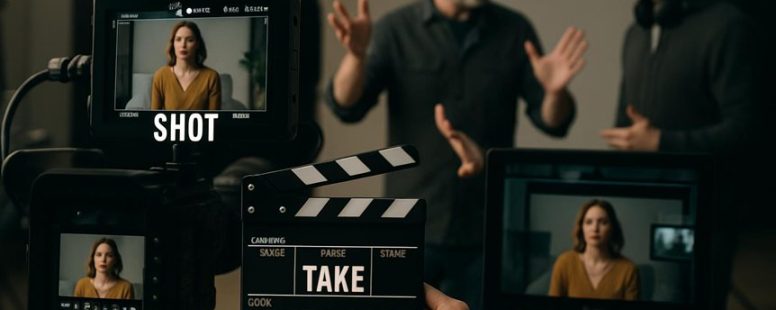
Imagine sitting in a film theater, eyes glued to the screen, caught in a moment that feels both seamless and alive. What if I told you that behind every captivating scene lies a subtle but vital difference between a shot and a take?
This distinction is like the secret thread weaving the tapestry of storytelling, shaping how scenes breathe and stories unfold. Understanding it can unlock a hidden layer of cinematic magic—an advantage that elevates your appreciation from casual viewer to film aficionado.
Dive in, and discover how tiny technical choices ripple into the powerful stories we love.
What Are Shots and Takes in Filmmaking?
A shot is a single piece of filming that shows a specific part of a scene. It starts when the camera begins recording and stops when it ends. Lighting is very important here because it helps set the mood and shows the emotions of the characters. For example, bright light can make a scene feel happy, while shadows can make it feel scary.
A take is one version of a shot. Sometimes, filmmakers film many takes of the same shot to make sure it looks good. Each take might have slight differences in how the actors perform or how the camera moves. Sound also matters because different takes might have different background noises or voice levels. Directors choose the best take to include in the final movie.
Knowing the difference between a shot and a take helps you understand how movies are made. They build the story scene by scene, shot by shot, and take by take. Sometimes, a director might do many takes to get the perfect scene. Other times, they might use just one shot if it works well.
For example, if a character is running across a field, the director might film several takes from different angles. Some might be from far away, and others close-up. Each shot captures a part of the scene, and each take is a version of that shot. All these pieces come together to tell the story clearly and effectively.
How Many Takes Does a Scene Usually Require?
A scene usually needs about 3 to 5 takes to get it right. But this can change depending on what the filmmakers need. Sometimes, they shoot more takes if the scene is complicated or if the lighting and sound are tricky. For example, if the lighting changes or there’s background noise, they might need extra takes to fix those issues.
Lighting plays a big role because it needs to stay consistent. If the light shifts, the scene might look different, so they shoot more takes to make sure everything matches. Sound is also important. Actors need to speak clearly, and background sounds should be just right. If there’s too much noise or muffled dialogue, they will do more takes until it sounds perfect.
Filmmakers also shoot different angles of the same scene. This helps editors choose the best shots later. They try to find a good balance between shooting enough takes to get the best performance and not wasting time. Shooting too many takes can slow down the production and cost more money.
Some scenes, like those with special effects or complex camera movements, might need even more takes. So, while most scenes need 3 to 5 takes, some can take many more. It all depends on what the director and crew need to make the scene look and sound perfect.
How Do Directors Choose Which Shots to Use?
Choosing the right shots is all about what will look best on screen. The main goal is to pick shots that help tell the story clearly and make viewers feel something. Directors think about how each shot looks and how it fits with what comes before and after. They want each shot to guide the viewer’s eyes and set the right mood.
To do this, they follow a few steps. First, they look at the scene and decide what story they want to tell. Then, they think about what kind of shot will work best. For example, a close-up can show a character’s feelings, while a wide shot shows the setting. They also check the lighting and camera angles to make sure everything looks good and matches the scene’s tone.
Some directors choose shots based on emotional impact. If they want the audience to feel worried, they might use a shaky camera or a dark, shadowy shot. If they want happiness, they might use bright lighting and wide-open spaces. It’s like choosing the right tools for a job — each shot has a purpose.
However, there are some limits. Sometimes, a shot might look great but doesn’t match the story or feels out of place. Or, technical problems like bad lighting or shaky footage can ruin the scene. So, directors also have to think about how well the shot works technically and if it keeps the story flowing smoothly.
In the end, choosing shots is about balancing what looks good, what feels right emotionally, and what helps tell the story best. It’s a mix of art and craft, and every director has their own style. For example, Steven Spielberg is known for using wide shots to show the big picture, while Quentin Tarantino often uses close-ups to highlight characters’ reactions. Both methods work, but they serve different storytelling goals.
Visual Composition and Framing
What is visual composition and framing in filmmaking? It is how directors choose what the camera shows to tell the story. They decide where to place people and objects in the shot, how close or far away they are, and how the scene looks overall. These choices help show the viewer what to focus on and set the mood of the scene.
To do this well, directors think about a few key things. First, framing can show relationships or feelings of loneliness. For example, putting a character in the center of the shot might show they are important, while placing someone at the edge can suggest they are isolated. Second, lighting creates the scene’s mood. Bright lights can make a scene cheerful, while shadows and dim lighting add tension or mystery. Third, the type of shot matters. Close-ups show a character’s emotions, making the viewer feel connected, while wide shots show the bigger picture and environment.
Choosing the right shots also involves how sound and lighting work together. Good sound can make a scene more emotional, like a soft background song during a sad moment. Lighting techniques, such as backlighting or colored lights, add to the atmosphere and make scenes more memorable.
Some directors prefer simple shots that focus on one thing, while others use complex camera angles to create a sense of chaos or excitement. For example, in a tense chase scene, quick cuts and close-ups can build excitement. In contrast, a quiet moment might use a wide shot to show the setting and the characters’ distance.
In the end, a director’s goal is to pick shots that tell the story clearly and make the audience feel what the characters feel. Different choices can change how we see the story, so it is like painting with a camera to create a mood and focus. Some people might think certain shots are better for building tension, while others believe they should be used sparingly to avoid confusing viewers. So, choosing the right shot is both an art and a skill that shapes the story we see on screen.
Emotional Impact and Tone
Shots in movies are chosen carefully because they have a big effect on how viewers feel and the overall mood of a scene. A shot is a single piece of film, and the way it is filmed can change how we see the story. For example, close-up shots focus on a character’s face and can make us feel more connected to their emotions, like fear or happiness. Wide shots show more of the surroundings and can make us feel like the character is small or alone, or that the scene is grand.
Directors decide which shots to use to make sure the story feels right. Every shot is chosen on purpose to help tell the story better. They think about how the colors, angles, and distance all work together to make us feel certain emotions, such as tension, joy, or sadness. For example, a shaky camera might create a sense of chaos, while a steady shot might make a scene feel calm.
Some people say that choosing the right shot can make a movie more powerful and help the audience feel more connected to the characters. Others warn that if shots are not chosen carefully, they might confuse viewers or take away from the story. For instance, a confusing camera angle might make it hard to understand what is happening.
Technical Quality and Continuity
Technical quality and continuity are key parts of making a movie look good. They help ensure that each shot fits smoothly into the scene so viewers do not get confused or distracted.
First, filmmakers pay close attention to lighting. For example, if a scene shows a sunny afternoon, the next shot should also have bright light. This makes the scene look natural. If the lighting suddenly changes to a dark room, it can confuse viewers unless there is a clear reason for the change.
Second, sound continuity is just as important. The background sounds, like birds or traffic, should stay consistent. If a character is talking in a quiet room, and then suddenly loud background noise appears without explanation, it can pull viewers out of the story. Matching dialogue and ambient sounds helps keep the scene believable.
When choosing shots, directors think about three main things. First, they check if the lighting matches previous shots. Second, they make sure the sounds stay consistent. Third, they consider how each shot adds to the rhythm and energy of the scene. Sometimes, a quick shot can create excitement, while a longer shot can build tension.
Some filmmakers use special tools like lighting rigs or sound editing software to help with this. However, even with the best tools, mistakes happen. For example, if a crew forgets to turn off a lamp, the lighting may change unexpectedly. That can ruin the flow of a scene. So, careful planning and double-checking are very important.
Why Do Filmmakers Record Multiple Takes?
Filmmakers record multiple takes to make sure each scene looks and feels just right. The main reason is that different takes let actors and directors try out different ways of performing or filming a scene. For example, changing the camera angle or adjusting the lighting can make a character’s emotions clearer or set a specific mood. Sometimes, a scene may need several tries to get the best shot that matches the story’s tone.
Filming many takes also helps fix small problems, like technical glitches or small mistakes in acting. If something doesn’t look or sound right in one take, filmmakers can choose a better version later. Having many options gives editors more choices to make the scene more exciting or emotionally true.
Some people say recording multiple takes can take more time and cost more money. But others believe it’s worth it because it helps create a polished, professional look. Overall, recording multiple takes is a common practice that helps filmmakers produce scenes that are visually appealing and emotionally powerful.
How Do Shots and Takes Impact Editing and Style?
Shots and takes are the building blocks of a film. They are the images and performances captured during filming. These choices have a big impact on how easy it is for editors to put the story together and keep the look consistent. For example, a wide shot shows more of the scene, giving editors more room to cut and arrange scenes. Close-ups focus on a character’s face and help show emotion. Different shots help set the pace and mood of the film.
Multiple takes mean filming the same scene several times. This gives editors options to pick the best performance or fix mistakes. Imagine a actor flubbing a line — having extra takes means they can choose the one where they sound most natural. But taking many shots and takes can also slow down production and increase costs.
Some filmmakers prefer shooting many takes to get the perfect performance, while others keep it simple to save time. For example, Quentin Tarantino often films many takes to capture raw energy, while others like Steven Spielberg prefer fewer takes for efficiency. Both ways have their pros and cons.
In the end, how shots and takes are captured shapes the film’s style and flow. Good choices can make the story clearer and more engaging. But it’s also important to balance quality with time and budget limits.
Editing Flexibility and Choices
Understanding how shots and takes affect editing is key because they shape the film’s pace, mood, and style. Shots and takes are the raw footage filmmakers record, and they give editors different options for cutting scenes. For example, a well-lit take with good acting can be used in a fast scene like a chase or a slow, quiet moment. The choice of sound in each take also matters, as it can make scenes feel more connected or emotional.
Having more takes means editors have more choices. They can pick the best performance or sound, which helps control the mood and timing. Different shots and takes also influence how scenes are cut to make them feel faster or slower. For example, quick cuts between close-ups can create excitement, while longer shots can make a scene feel calmer. Lighting and sound in each take help set the style and mood of the film. For instance, bright lighting can make a scene feel happy, while dark shadows can make it feel scary.
Some filmmakers prefer to shoot many takes to have more options, but this can take more time and resources. Others might shoot fewer takes to save time but risk missing the perfect shot. Both methods have pros and cons, so filmmakers need to decide what works best for their project.
In short, shots and takes are tools for editors to craft the story’s pacing and tone. More takes give more choices, but they also require more work. Knowing how to use these options well can make a big difference in how a film feels to viewers.
Stylistic Consistency and Flow
Shots and takes are the building blocks of a film’s visual language. They directly affect how consistent and smooth the film feels. When a director picks certain takes, they help shape the overall look of the film. For example, choosing takes with similar lighting and colors makes scenes feel connected. This keeps the film looking unified and professional. If lighting or colors change too much between shots, it can make the story feel disjointed.
Sound design is another important part. When sound matches specific takes, it influences how fast the story feels and how emotional the audience gets. Well-planned sequences of shots and takes help transitions feel natural. This makes editing easier and the film flow better. On the other hand, inconsistent choices can pull viewers out of the story and make the film seem less polished.
Common Mistakes When Confusing Shots and Takes
Shots and takes are basic parts of filmmaking, but many people get confused between them. Understanding the difference helps avoid mistakes that can make editing harder or ruin the story. A shot is one continuous piece of filming, while a take is a single attempt at filming that shot. For example, if a scene is filmed twice because the actor forgets their line, those are two different takes of the same shot.
One big mistake is not labeling or keeping track of each shot and take. If you don’t know which shot is which, it can be hard to match lighting or sound later. Imagine trying to put together a puzzle when pieces are mixed up—that’s what happens when shots and takes get mixed up. For example, confusing a close-up shot with a different take can cause lighting to look different, making the scene look odd.
Filmmakers should record multiple takes for different reasons. For example, if the actor moves slightly or the lighting changes, having extra takes helps pick the best one. Not noting these differences in the script or shot list can cause confusion during editing. This can lead to scenes that jump or feel disjointed.
Lighting and sound can also change subtly between takes. Ignoring these small differences can make the final film seem inconsistent. A good rule is to double-check each take and label them clearly. This makes editing easier and helps tell the story smoothly.
Some filmmakers believe that organization is not so important, but it really helps. Clear notes and labels save time and prevent mistakes. Think of it like a sports team’s playbook—if everyone knows their role and the plan, the game runs better.
Tips for Managing Shots and Takes During Filming
Managing shots and takes during filming is about staying organized and communicating well. First, plan your lighting setups before shooting begins. This helps avoid delays if adjustments are needed. Make sure actors know their blocking, which means where they should stand and when they should move. Clear instructions mean fewer retakes and smoother filming.
Keep a detailed shot list during filming. This list helps you track what has been shot and what still needs to be done. Also, take notes on each take so you can pick the best performances later. If you change the lighting or actor blocking during the shoot, it can take extra time. So, try to get it right the first time.
Good communication with the crew is key. Share your plans and notes so everyone is on the same page. This prevents confusion and keeps the filming steady. Staying organized saves time, reduces mistakes, and helps you focus on getting great performances. Some directors prefer to film everything in one go, while others make adjustments as they go. Both ways can work, but knowing when to change things is important.
Why Understanding Shots and Takes Improves Your Film Appreciation
Understanding shots and takes helps you see how movies are made and why they feel the way they do. A shot is a single piece of film recorded without stopping, like a camera’s snapshot. A take is each time they film a scene, which can be many times. Knowing this makes watching movies more interesting because you notice the choices behind the scenes.
Different shots tell stories visually and make you feel certain emotions. For example, a close-up of a character’s face can show their feelings clearly, while a wide shot shows the setting around them. Recognizing these helps you see how filmmakers tell stories without words.
Multiple takes let actors improve their performances. Sometimes, actors need a few tries to get a scene just right. For example, Tom Hanks might do several takes to get the perfect line delivery. Watching this can help you see how actors work hard to make scenes believable.
Directors decide how scenes are edited after filming. The way they cut between shots and takes shapes the final scene you see on screen. For example, quick cuts can create excitement, while slow transitions make things feel calm or tense. Understanding this can make you appreciate the craft behind editing.
Some people think knowing about shots and takes makes watching movies more fun, but others worry it might spoil the magic. If you focus too much on the technical side, you might miss the story or emotion. But if you want to learn how movies work, understanding these parts can make your movie nights more interesting.
To provide the best experiences, we use technologies like cookies to store and/or access device information. Consenting to these technologies will allow us to process data such as browsing behaviour or unique IDs on this site. Not consenting or withdrawing consent, may adversely affect certain features and functions.
Functional
Always active
The technical storage or access is strictly necessary for the legitimate purpose of enabling the use of a specific service explicitly requested by the subscriber or user, or for the sole purpose of carrying out the transmission of a communication over an electronic communications network.
Preferences
The technical storage or access is necessary for the legitimate purpose of storing preferences that are not requested by the subscriber or user.
Statistics
The technical storage or access that is used exclusively for statistical purposes.The technical storage or access that is used exclusively for anonymous statistical purposes. Without a subpoena, voluntary compliance on the part of your Internet Service Provider, or additional records from a third party, information stored or retrieved for this purpose alone cannot usually be used to identify you.
Marketing
The technical storage or access is required to create user profiles to send advertising, or to track the user on a website or across several websites for similar marketing purposes.