Best Substitute For Butter In Baking
Butter changes the way a bake looks, feels, and tastes. If you need a swap, because of diet, pantry gaps, or an experiment, you can match many of butter’s functions with smart choices. The best substitute for butter in baking depends on what you bake and which property of butter you must replace: solid fat for flakiness, liquid fat for tenderness, or flavor for richness. This guide gives clear rules, real-world examples, and recipe-specific advice so you can pick a substitute that keeps your cookies crisp, cakes moist, or pie crust flaky. Read on to learn which swaps work, when they fail, and how to fix common problems fast.
How Butter Substitutes Affect Baking Results
Fact: A substitute changes texture, flavor, and behavior in the oven. When you replace butter you alter fat type, water content, and melting point. Those three variables drive how a batter or dough acts.
Texture Changes: Tenderness, Flakiness, And Crumb
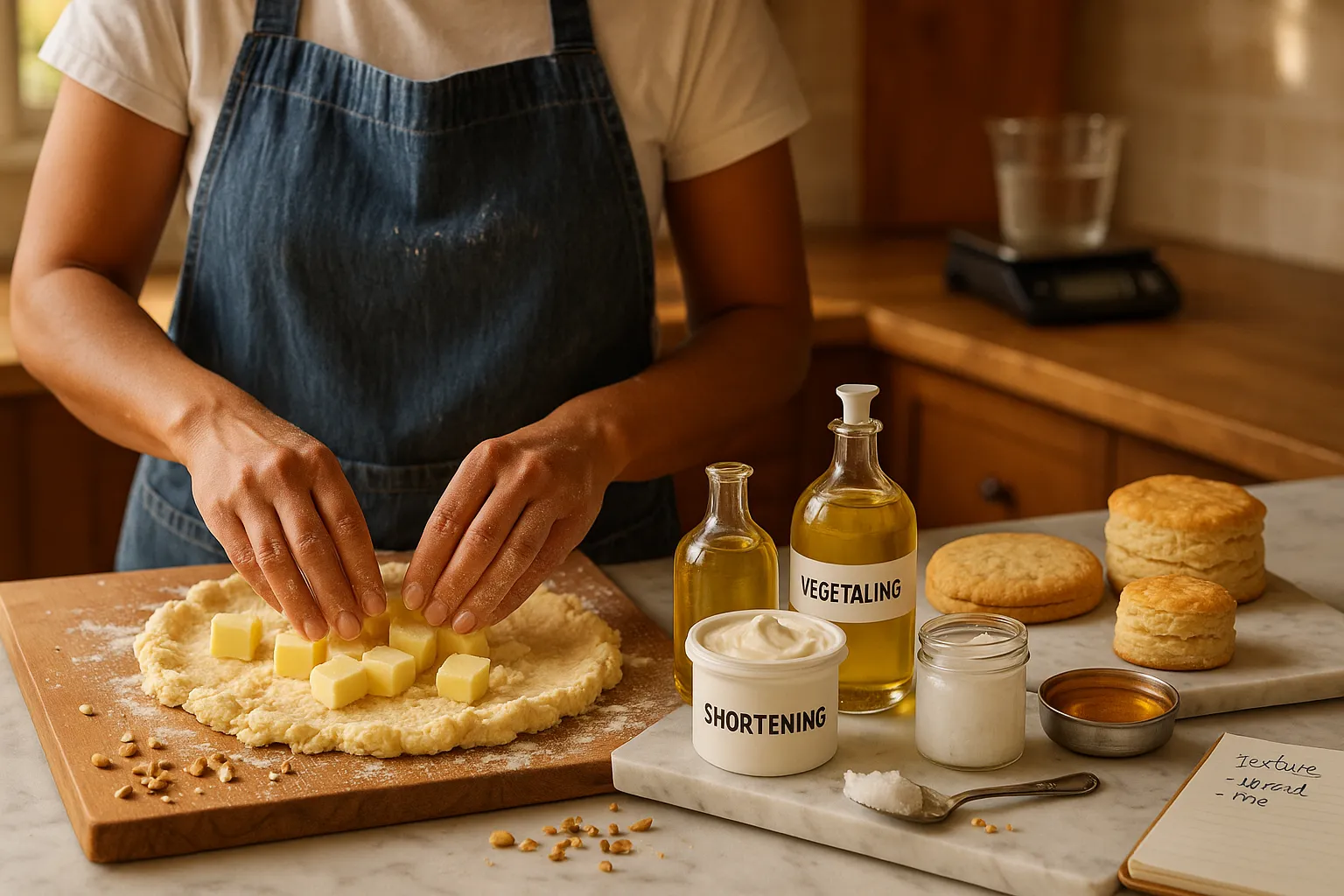
Solid fats create layers. Butter contains about 80% fat and 20% water. That water turns to steam during baking and creates lift and tiny pockets in crusts and biscuits. Replace butter with a liquid oil and you lose those pockets: you gain tenderness and a tighter crumb. Replace butter with shortening and you keep flakiness, because shortening stays solid longer in the oven. Use clear examples: King Arthur pie recipes rely on cold butter cubes for flakiness: if you use vegetable shortening you’ll still get layers but less butter flavor.
Flavor And Browning Differences
Butter browns and adds a toasty, nutty note because of milk solids and lactose. Plant oils lack those milk solids, so your bakes may be paler and less complex. Coconut oil can give a coconut hint: olive oil adds fruitiness in small amounts: nut butters add depth and savory-sweet notes. If you want browned flavor without butter, toast nuts, use browned flour, or add a small amount of ghee, it keeps the milk solids but is more stable, though not dairy-free.
Moisture, Spread, And Structure Impacts
Butter’s water content helps steam and leavens. Liquid oils increase spread in cookies and yield softer centers. Dairy substitutes like yogurt add acidity and can tenderize gluten for softer cakes. When structure matters, like in puff pastry, you need a solid fat substitute with similar melting behavior (shortening, laminated vegan butter from brands like Earth Balance, or specialized block margarines). Expect differences: cookies may spread more, cakes may rise slightly less, and crusts may be less flaky when you swap carelessly.
General Substitution Rules And Ratios
Fact: Use equal fat mass or adjust liquids to match recipes. You can swap by weight or by careful volume conversion: weight is more reliable.
Volume And Weight Conversions
Rule: 1 cup butter = 8 oz by weight = 227 grams: most oils measure by volume: 3/4 cup oil = 1 cup butter. For accuracy use this conversion: replace 1 cup (227 g) butter with 3/4 cup (177 ml) oil. If a recipe lists grams, match grams not cups. Brands like Bob’s Red Mill list precise weights for flours, use a scale to keep ratios right.
Adjusting For Liquid Content And Sweetness
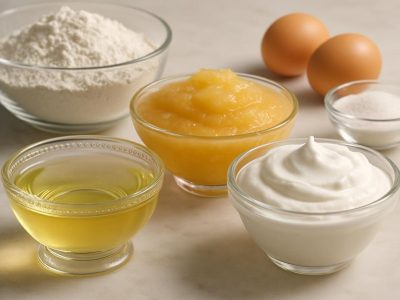
Fact: Butter contains water: oils don’t. If you swap oil for butter, reduce other liquids slightly. A practical tweak: when replacing 1 cup butter with 3/4 cup oil, reduce recipe liquid (milk, water) by about 2 tablespoons. If you use applesauce or purée, deduct sugar or liquid because these add water and sweetness. For example, swapping 1/2 cup applesauce for 1/2 cup butter often needs less added sugar and a 1–2 tablespoon cut in other liquids.
Temperature And Mixing Method Considerations
Fact: Texture depends on fat temperature. Creaming butter with sugar traps air and helps rise. Oils can’t be creamed the same way. If a recipe relies on creaming (like many cookies and cakes), use a solid substitute (margarine or coconut oil chilled) or use different mixing steps: mix oil with sugar until even, but expect a denser crumb. For laminated dough, keep fats cold and handle quickly. If you use spreadable plant-based butter, chill it before cutting into flour.
Top Substitutes: When To Use Each One
Fact: Each substitute excels in specific roles. Match the substitute to the bake’s priority: flavor, texture, or dietary need.
Vegetable Oils (Canola, Avocado, Olive), Uses And Ratios
Use: Cakes, quick breads, muffins, some cookies. Ratio: 3/4 cup oil for 1 cup butter. Canola is neutral: avocado oil is neutral with a higher smoke point: light olive oil works in rustic cakes but avoid strong extra-virgin in delicate sweets. Example: King Arthur suggests canola for moist banana bread. Note: cookies may spread more with oil.
Coconut Oil, Solid-Fat Replacement Tips
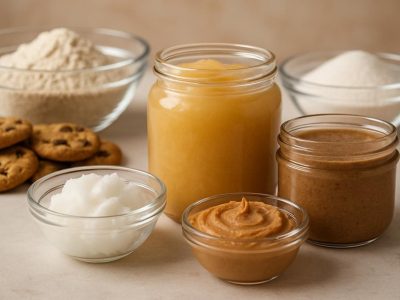
Use: Cookies, brownies, quick breads. Ratio: 1:1 by volume if coconut oil is solid at room temperature. Choose refined coconut oil for neutral taste: use virgin for coconut flavor. Chill dough for reduced spread. Coconut oil firms up in cool temps and mimics butter’s solidity, but it melts faster than butter so texture can differ.
Applesauce And Fruit Purées, For Moist, Lower-Fat Bakes
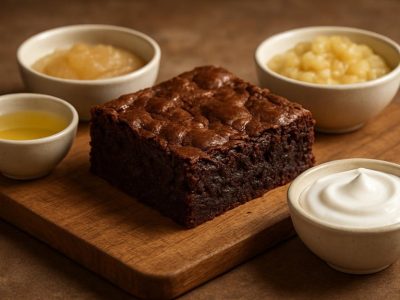
Use: Muffins, quick breads, some cakes. Ratio: Replace up to half the fat: full 1:1 substitution may lead to dense texture. Applesauce adds moisture and reduces fat and calories. Brand notes: use unsweetened applesauce or homemade to control sugar. Expect softer crumb and less browning.
Mashed Banana, Flavorful Moisture For Quick Breads And Muffins
Use: Banana bread, muffins. Ratio: Replace up to 1:1 in many quick-bread recipes. Bananas add sweetness and moisture and create a tender crumb. They also add strong banana flavor and darken the bake.
Yogurt, Sour Cream, And Buttermilk, Tenderizing And Moisture
Use: Cakes and quick breads that need lift and acidity. Ratio: Replace part of the butter or liquid: often replace 1/4–1/2 cup of butter with 1/4–1/2 cup yogurt and reduce other liquids. These dairy options add tang, improve crumb, and react with baking soda for rise. Use Dannon plain yogurt or local cultured buttermilk for reliable results.
Margarine And Plant-Based Spreads, 1:1 Butter Alternatives
Use: Most bakes where butter appears as a fat and flavor source. Ratio: 1:1. Choose a block margarine or a baking-specific vegan butter (e.g., Earth Balance Baking Sticks) for best structure. Note: some spreads contain more water: check packaging and use slightly less if watery.
Shortening, For Flakiness And Higher Structure In Pastry
Use: Pie crusts, biscuits, puff pastry. Ratio: 1:1 by volume. Shortening lacks water so crusts brown less and taste neutral. For best flavor, use half butter + half shortening when you want flakiness and some butter taste.
Nut Butters And Tahini, Flavor-Forward Swap Options
Use: Bars, some cookies, savory bakes. Ratio: Typically 3/4–1:1 depending on density. Nut butters add protein and flavor: they can make batters dense and may require a bit more leavening. Use tahini in sesame cookies or nut butter in peanut-butter based squares. Watch for allergies.
Choosing The Right Substitute By Recipe Type
Fact: Recipe type determines which property of butter matters most. Pick substitutes based on spread, lift, or flakiness needs.
Cookies And Bars: Spread, Crispness, And Chew
For crisp cookies choose butter or chilled solid substitutes. For chewy or cake-like cookies use oil or applesauce. If you want less spread, chill dough or add a tablespoon of flour. Example: using coconut oil in chocolate chip cookies yields a softer, more tender center: margarine gives similar spread to butter but less flavor.
Cakes And Cupcakes: Crumb, Rise, And Moisture
Cakes need aeration. If recipe asks to cream butter and sugar, replace with block margarine for closest result. Use oil for very moist, dense cakes (like olive oil cake). Add an extra egg white or a tablespoon more baking powder if you replace large amounts of butter with purées to preserve rise.
Quick Breads, Muffins, And Pancakes: Bulk Moisture Swaps
These are forgiving. Use applesauce, mashed banana, or oil to cut fat and boost moisture. For pancakes, oil works fine and improves browning. When you use fruit purées reduce sugar a bit if the fruit is sweet.
Pastries, Pie Crusts, And Biscuits: Fat Solidness And Flakiness
Use solid fats: butter, shortening, or chilled coconut oil. For best flavor, use a mix: half butter + half shortening or a vegan butter with high fat content. Keep ingredients cold, handle less, and use a metal cutter. This preserves lamination and creates flake.
Flavor, Dietary, And Allergy Considerations
Fact: Dietary needs often drive the substitute choice. Match allergen safety, calories, and taste to your goals.
Dairy-Free, Vegan, And Plant-Based Choices
Use: Margarine labeled dairy-free, coconut oil, vegetable oils, or commercial vegan butter like Earth Balance. Check labels for casein or whey. For vegan baked goods consider aquafaba (chickpea brine) as an egg white substitute and refined coconut oil for neutral fat.
Low-Fat And Reduced-Calorie Options
Use: Unsweetened applesauce or puréed fruit. These lower fat but add moisture. Expect a denser result and shorter shelf life. You may need to add a teaspoon of oil or a small egg to improve mouthfeel.
Nut-Free Alternatives And Cross-Contact Risks
Use: Oils, applesauce, or dairy substitutes instead of nut butters. Beware: nut flours and nut butters often cause cross-contact in shared facilities. If you need commercial nut-free assurance, pick brands that state “nut-free” on the label or use seeds like sunflower seed butter, but note cross-contact risk.
Practical Tips, Troubleshooting, And Baking Day Checklist
Fact: Troubleshooting focuses on moisture balance, spread, and flavor compensation. Keep a short checklist and you can adjust mid-bake.
How To Compensate For Excess Moisture Or Density
If a bake is too wet after using a purée, add 1–2 tablespoons of flour or a tablespoon of starch (cornstarch) and re-bake or extend bake time slightly. If crumb is dense after oil swap, increase baking powder by 1/4 teaspoon per cup of flour, or separate egg whites and beat to add air. For soggy bottoms reduce added liquids by 1–2 tablespoons next time.
Browning, Spread Control, And Oven Temperature Tweaks
If browning is weak with oil or applesauce, increase oven temp by 10–15°F and watch closely to avoid overbrowning. To control spread when using oils, chill the dough for 30–60 minutes or add 1–2 tablespoons extra flour. If coconut oil causes rapid spread, use the solid form and chill.
Storage, Freezing, And Reheating Notes For Substituted Bakes
Fact: Substituted bakes often change shelf life. Low-fat, fruit-purée bakes stale faster and may need refrigeration. Oil-based cakes store well at room temp but can become oily on top: cool completely before wrapping. For freezing, wrap tightly and thaw at room temp: reheating at low oven heat (250–300°F) refreshes texture. Note: vegan spreads sometimes separate when frozen: stir or rework before using.
Practical checklist for bake day:
- Weigh ingredients, not cup-guess. Scale matters.
- Match fat by role: solid for flake, liquid for tenderness.
- Chill dough or fat when spread matters.
- Reduce liquids when using purees or oil.
- Taste and tweak: add a pinch more salt or a teaspoon of vanilla to compensate for lost butter flavor.
Try one substitution at a time so you can learn its effect. You’ll find the best substitute for butter in baking by testing and adjusting: soon you’ll know which swap saves the day without ruining your bake.

- Equitybee Competitors - October 17, 2026
- Nutanix Competitors - October 16, 2026
- Best Alternative for Hdfc Infinia Credit Card - October 16, 2026
by Ellie B, Site Owner / Publisher