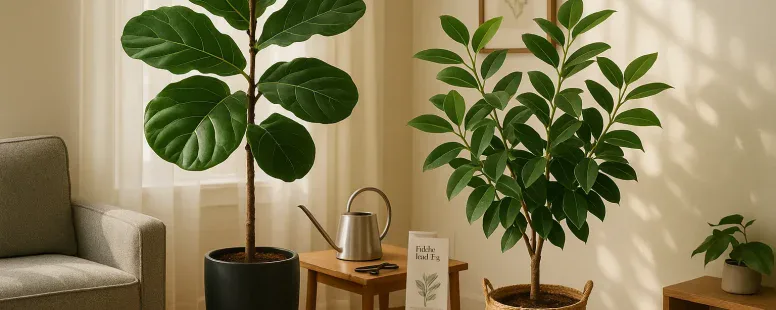
Fiddle Leaf Fig Vs. Ficus Audrey: Which Is Right For Your Home?
You can get a dramatic indoor tree that anchors a living room, but which one fits your routine and space? Fiddle leaf fig (Ficus lyrata) and Ficus Audrey (Ficus benghalensis ‘Audrey’) both offer glossy, sculptural leaves and room-filling presence. Yet they differ in leaf shape, light needs, tolerance for mistakes, and how they respond to pruning. This comparison will reveal the practical differences, common problems, and real-world buying tips so you can pick the plant you’ll keep alive and love.
At-A-Glance Comparison And Key Differences
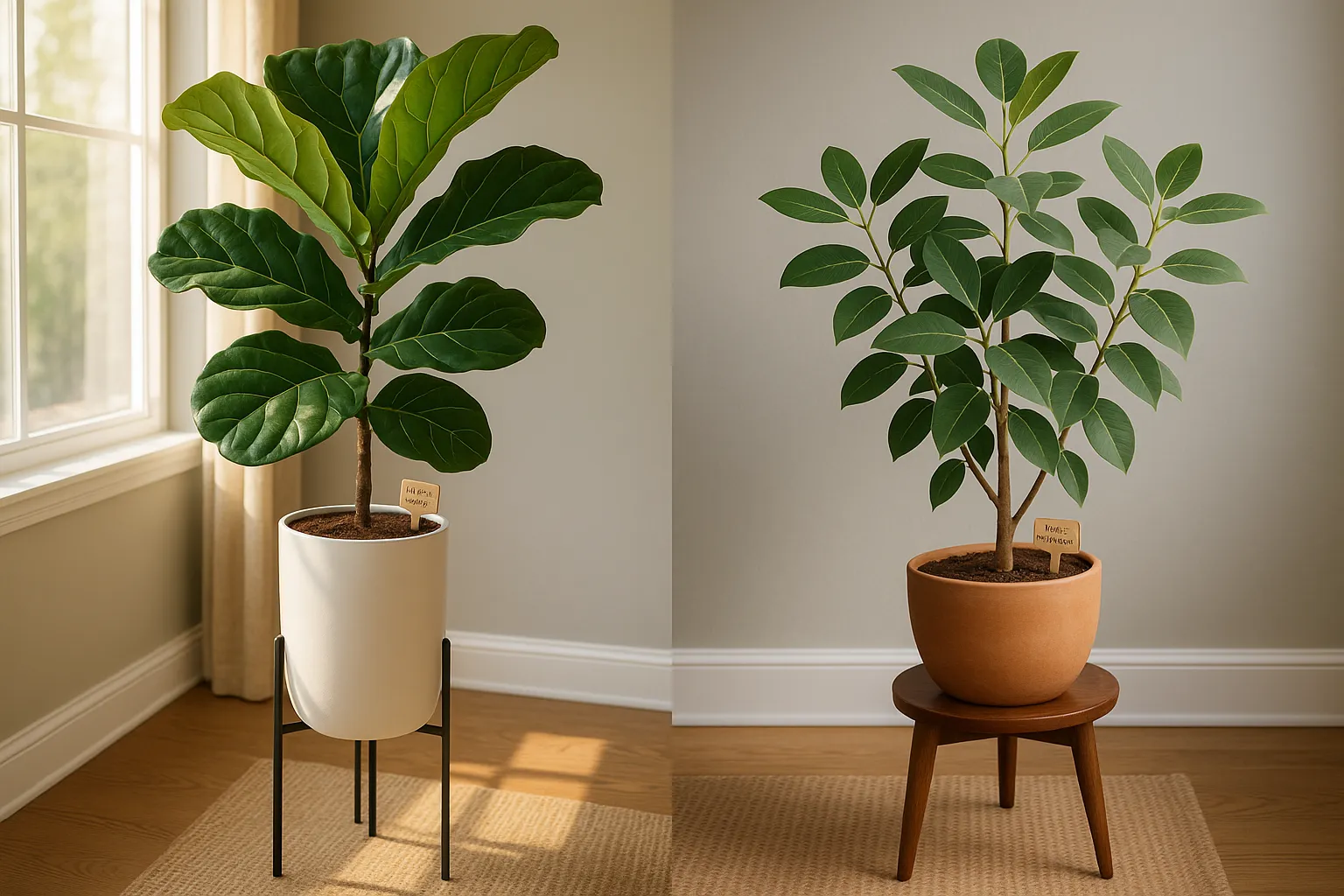
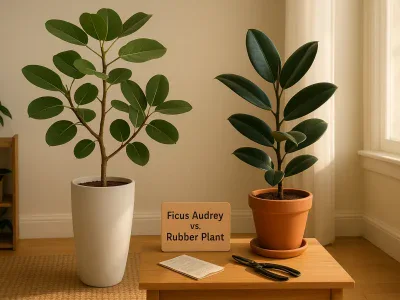
Fact: Fiddle leaf fig has larger, violin-shaped leaves and needs brighter light: Ficus Audrey has thinner, matte leaves, tolerates lower light, and is more forgiving.
Quick side-by-side:
- Fiddle Leaf Fig (Ficus lyrata): Large, leathery leaves up to 12–18 inches, dramatic silhouette, prefers bright indirect light, sensitive to drafts and overwatering, commonly sold by The Sill and Costa Farms.
- Ficus Audrey (Ficus benghalensis ‘Audrey’): Narrower, fuzzy-matte leaves 3–6 inches long, steadier growth in moderate light, more tolerant of lower humidity and occasional neglect.
Key decision points for you: If you want a showpiece and you have a bright spot and steady care routine, fiddle leaf fig rewards you with impact. If you want a polite, less fussy tree that still reads like a statement, Ficus Audrey gives that with fewer tantrums.
Why this matters: choosing by look alone sets up many owners for failure. Match the plant’s light and watering needs to your schedule and the room’s conditions first.
Appearance, Size, And Growth Habit
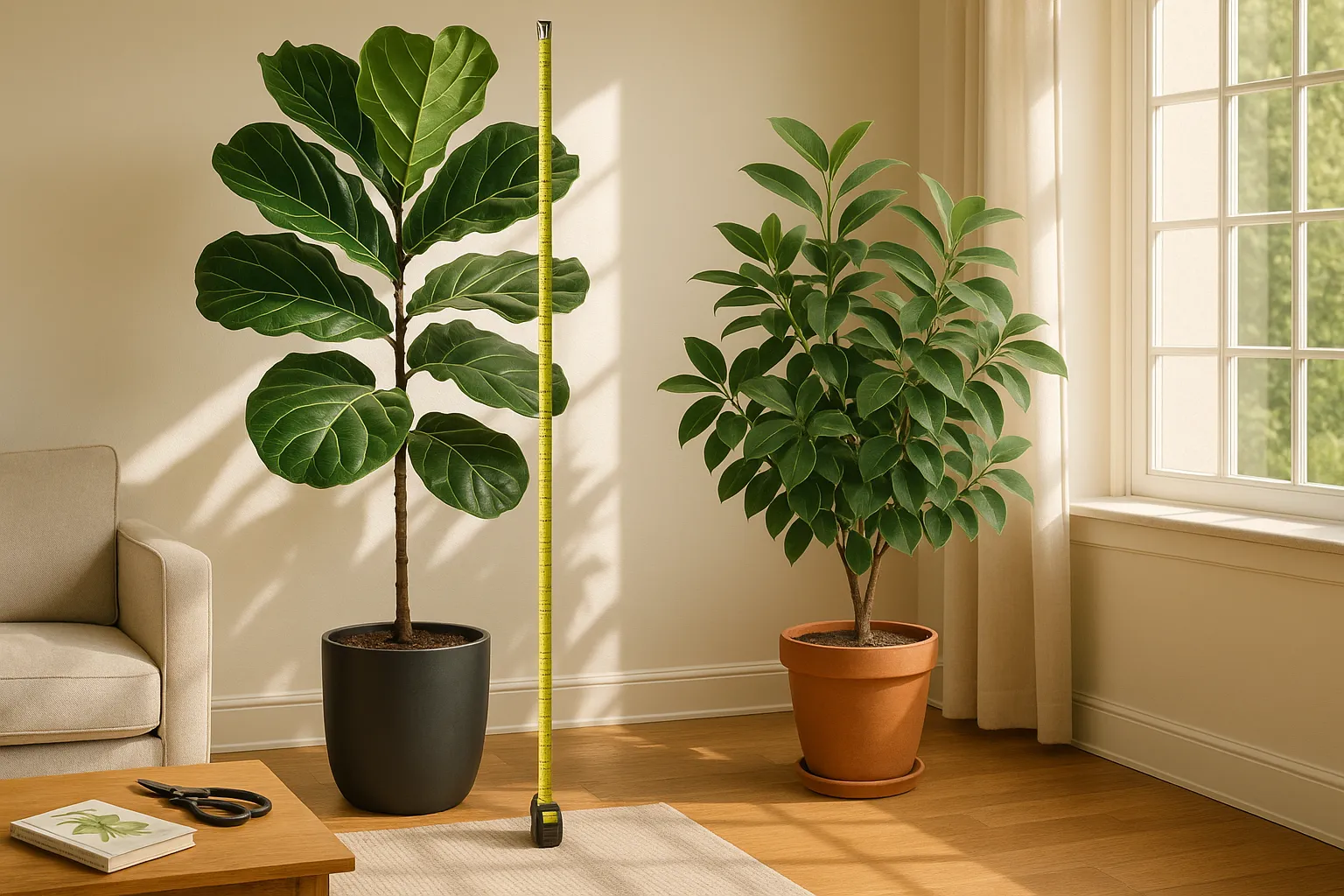
Fact: The two species differ visibly in leaf geometry and branching, which affects styling choices and pruning.
Leaf Shape, Color, And Texture
Fiddle leaf fig leaf: broad, violin-shaped, glossy surface, deep green with prominent veins. You notice it from across a room. The auditory quality is waxy and reflective, it plays with light.
Ficus Audrey leaf: lanceolate to elliptical, thinner, and a soft matte finish with tiny hairs (pubescence) that mute reflections. Color leans toward warm, mid-green. The leaf edges are smoother and less sculpted than fiddle leaf fig leaves.
Typical Mature Size Indoors
Fiddle leaf fig: commonly reaches 6–10 feet indoors when given high light and pruning: some reach 12 feet in very tall spaces.
Ficus Audrey: typically 4–8 feet indoors, with a fuller branching habit that creates a softer canopy. Audrey often fits rooms with standard 8–9 foot ceilings more comfortably.
Growth Rate And Pruning Needs
Fact: Fiddle leaf fig grows faster in bright light but shows stress quickly if care slips: Ficus Audrey grows steady and tolerates heavier pruning.
Fiddle leaf figs respond well to upward pruning and single-trunk training: you’re likely to stake and shape them. They shed lower leaves when light is poor.
Ficus Audreys branch more readily: you can cut back larger sections and expect bushier regrowth. If you make a pruning mistake, Audrey usually recovers faster.
Personal note: I once bought a 4-foot fiddle leaf fig and watched it drop lower leaves for three months after a winter move, that taught me to factor shipping and acclimation into expectations.
Care Requirements: Light, Water, Soil, And Feeding
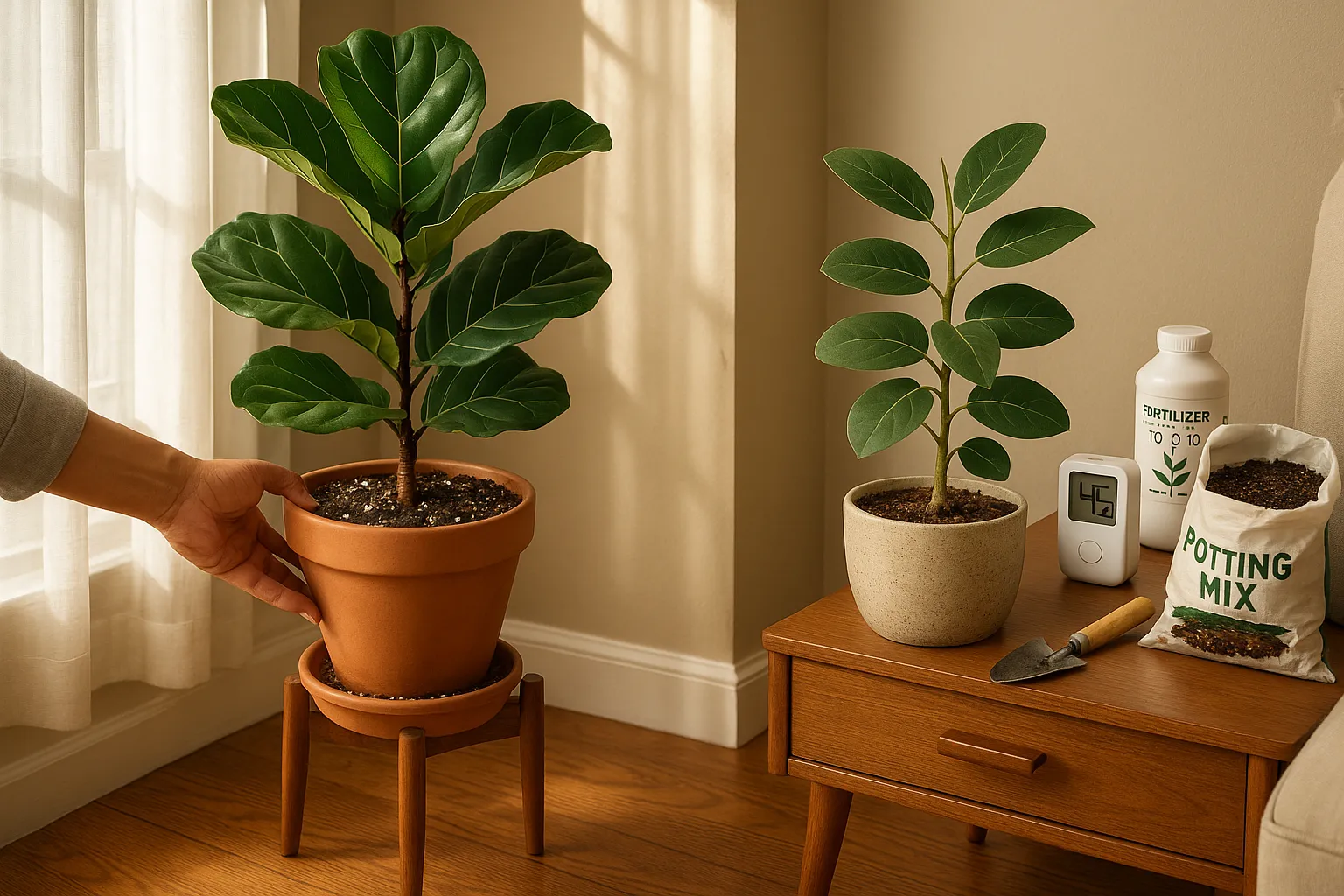
Fact: Light is the single biggest care difference, fiddle leaf figs need brighter, more consistent light than Ficus Audreys.
Light And Location Preferences
Fiddle leaf fig: place near an east- or south-facing window with bright, indirect light. Too little light causes leggy growth and leaf drop. Use sheer curtains if direct sun burns the leaves.
Ficus Audrey: tolerates bright indirect to moderate light and can survive in north-facing spots with some supplemental light. It suits bedrooms or offices with filtered daylight.
How to map light: stand in a room at midday and observe where light is strongest for several hours. Put fiddle leaf figs where that band lasts longest: put Audreys where it dips to moderate.
Watering, Humidity, And Soil Drainage
Fact: Both species need well-draining soil and avoid standing water, but fiddle leaf figs are less tolerant of overwatering.
- Use a peat-based potting mix with perlite or pine bark for drainage.
- Water when the top 1–2 inches of soil are dry for fiddle leaf figs: let the top 2–3 inches dry for Audreys.
- Both like humidity above 40% but Audrey tolerates lower humidity better.
A practical test: lift the pot after watering to learn its typical weight when moist vs dry. That simple habit prevents many watering mistakes.
Fertilizing And Seasonal Care
Fact: Feed during the spring-summer growth months: hold back in fall and winter.
- Use a balanced 10-10-10 or similar houseplant fertilizer at half strength every 4–6 weeks during growth.
- Fiddle leaf figs respond to modest feeding with fuller leaves but avoid over-fertilizing, which causes brown leaf tips.
- Repot every 2–3 years for vigorous plants, or when roots show at the pot surface.
Common Problems, Pests, And Troubleshooting
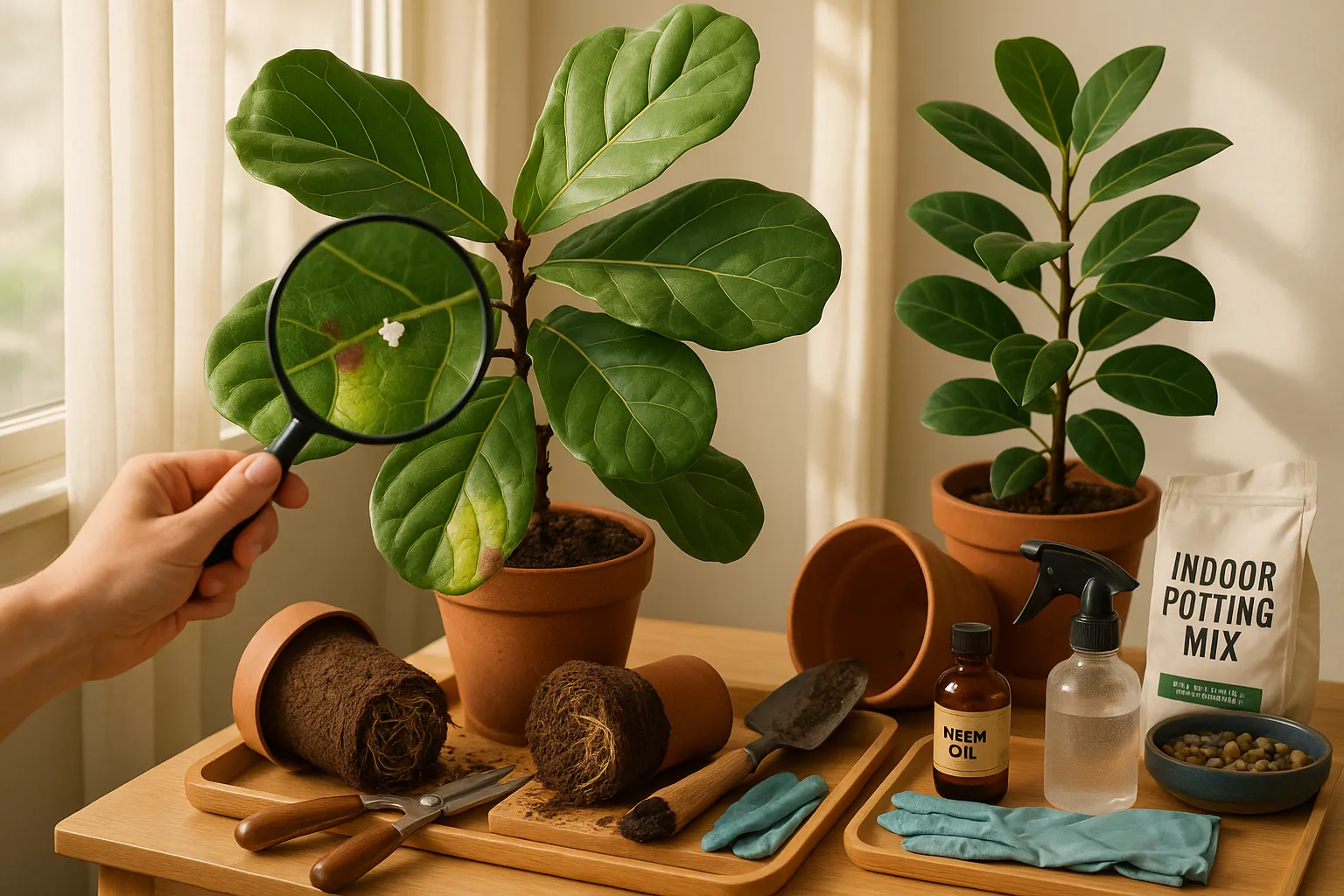
Fact: Leaf browning, drop, and pests are the three most common issues: the cause often traces back to light or water.
Common Diseases And Leaf Issues (Brown Spots, Drop, Yellowing)
Brown spots: usually from overwatering or fungal infection: cut away affected tissue and improve drainage.
Leaf drop: common in fiddle leaf figs after moves, drafts, or sudden light changes. Give the plant time and steady conditions: don’t overreact by overwatering.
Yellowing: often from poor drainage or nutrient imbalance. Test soil moisture and adjust feeding.
Honest moment: I kept watering a sad fiddle leaf fig because yellowing looked like thirst: it was root rot. I lost three lower leaves before I repotted. You will make similar mistakes, they teach you fast.
Pests And How To Treat Them (Scale, Mealybugs, Spider Mites)
Fact: Scale and mealybugs prefer fiddle leaf figs, while spider mites appear in dry, warm homes on both species.
- Inspect undersides of leaves and leaf axils regularly.
- Treat scale/mealybugs with manual removal and horticultural oil or insecticidal soap: repeat treatments across 2–3 weeks.
- For spider mites, raise humidity and use miticide or neem oil: reapply as directed.
When To Repot Or Rescue A Struggling Plant
Fact: Repot when roots circle the pot or root ball is heavy with roots: rescue when persistent decline follows obvious cultural causes.
Signs to repot: roots at drainage holes, slow drainage, or rapid drying because the plant is root-bound.
Rescue steps: examine roots for rot, trim black mushy roots, repot into fresh, well-draining soil, and place in bright, stable light. Be patient: recovery can take months.
Practical Considerations: Placement, Styling, And Safety
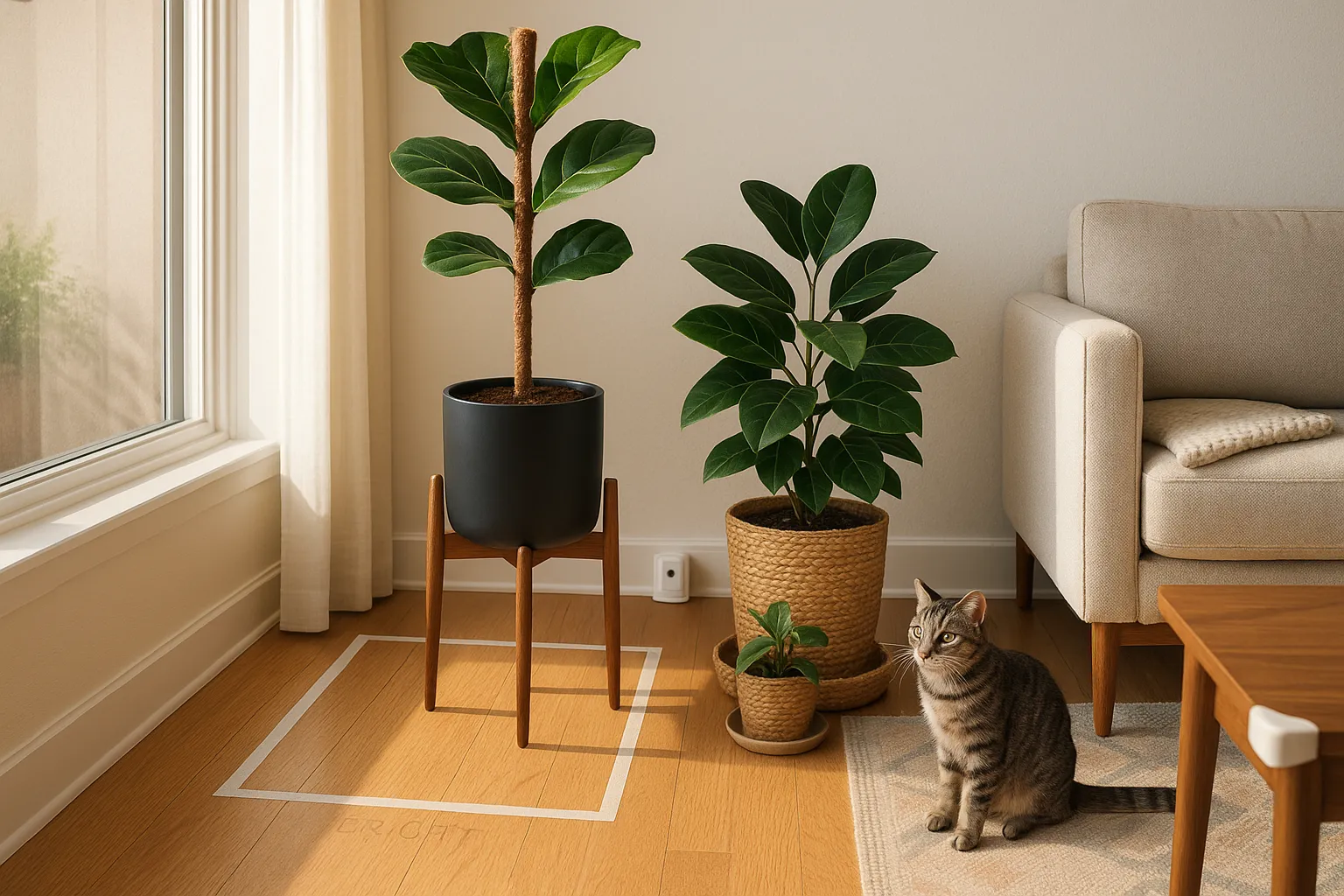
Fact: Placement affects plant health and styling: both species are toxic if ingested so place accordingly.
Indoor Placement And Light Mapping For Rooms
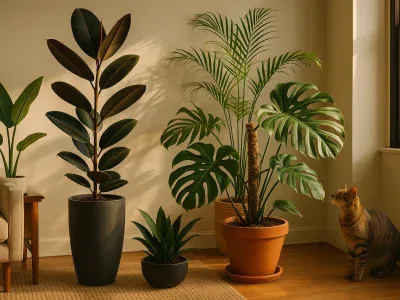
Place fiddle leaf figs in the brightest zone of a living room, near a large window but away from cold drafts from doors. Place Audreys in living rooms, large bedrooms, or offices where light is moderate.
Light mapping tactic: mark floor spots with painter’s tape during different times of day to see how long each receives bright light. This simple map prevents guesswork.
Decor And Styling Tips For Each Species
Fiddle leaf fig: pairs well with minimal, mid-century furniture and tall planters that emphasize the trunk. Use a decorative stake or moss pole for stability if you train it upright.
Ficus Audrey: pairs with woven baskets, mid-height ceramic pots, and layered plant groups because its branching blends with other foliage. It fits casual, eclectic, and Scandinavian rooms.
Child And Pet Safety Considerations
Fact: Both are mildly to moderately toxic (contain ficin): ingestion causes drooling, vomiting, or mouth irritation in pets and children.
Keep plants out of reach, use hanging shelves or tall stands, and consult your vet or Poison Control if ingestion occurs. If you have curious pets, consider deterrents like citrus sprays or motion-activated devices to protect both plant and pet.
Buying, Cost, And Propagation Basics
Fact: Both species are widely available: price varies with size and source.
How To Choose A Healthy Specimen At The Nursery
Look for: firm, undamaged leaves: no sticky residue (a sign of pests): consistent soil moisture (not waterlogged): and a sturdy trunk. For fiddle leaf figs, check lower leaves for earlier drop which suggests stress. For Audreys, check branching, even branching indicates good shaping.
Ask the nursery about recent treatment history (pest sprays, repotting) and whether they ship plants indoors during extreme temperatures. Big retailers like Home Depot, Lowe’s, and specialty sellers like The Sill or Bloomscape will often list care notes.
Typical Price Ranges And Size Options
Fact: Small starter plants cost less: large specimens command premium prices.
- 4–6 inch starter pots: $20–$40 (both species)
- 1–3 foot nursery specimens: $50–$150
- Large, trained 4–8 foot specimens: $200–$600+, depending on rarity and retailer
Prices vary by region, season, and seller, expect to pay more for well-shaped, single-trunk fiddle leaf figs.
Propagation Methods And Ease Of Rooting
Fact: Both propagate from stem cuttings: Audrey roots more readily in water or soil than fiddle leaf fig.
- Fiddle leaf fig: take a 4–6 inch stem cutting with a node, root in water or soil: success improves with bottom heat and humidity.
- Ficus Audrey: root cuttings in water quickly and slip them into potting mix once roots form.
Propagation tip: use a clean, sharp tool and a rooting hormone to increase success. Mistakes happen, I’ve lost cuttings to mold because I kept them too wet at first, so don’t over-saturate the medium.

- The Top GT86 Alternatives for Sports Car Enthusiasts - September 16, 2026
- Vitamix Product Comparison: Which Blender Should You Buy? - September 15, 2026
- MGS6 Competitors: Top Stealth & Action Games - September 15, 2026
by Ellie B, Site Owner / Publisher