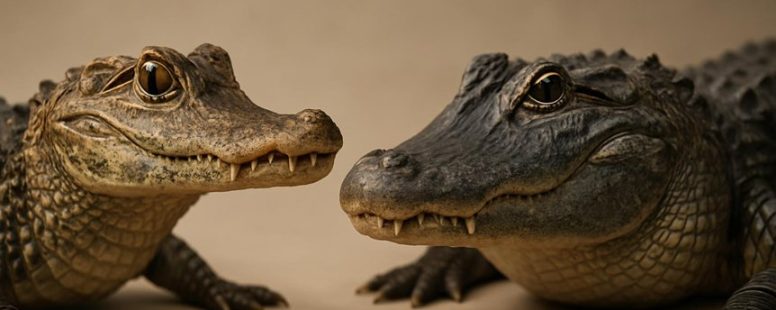
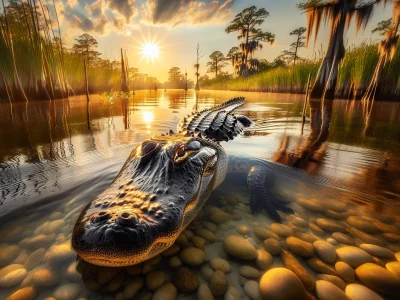
Imagine strolling along a murky riverbank and catching a glimpse of a shadow lurking beneath the surface. Without relying on what they eat, can you tell if it’s a caiman or an alligator? Their subtle differences are like hidden clues waiting to be uncovered—clues that reveal more than size or habitat.
These creatures are masters of disguise, blending seamlessly into their surroundings, yet their physical features and behaviors tell a different story. Knowing how to tell them apart not only sharpens your knowledge but unlocks a fascinating world of adaptation and survival.
Discovering these details can turn an ordinary wildlife encounter into an enlightening adventure—one where every glance reveals nature’s cleverest secrets.
How to Tell Caimans From Alligators by Appearance and Habitat
Caimans and alligators are similar, but you can tell them apart by their look and where they live. Caimans usually have a more heavily armored body with bony ridges above their eyes. Alligators have a broader, U-shaped snout that is easier to see. These differences help you distinguish between the two reptiles.
Their habitats also differ. Caimans mostly live in freshwater areas in South America. Alligators are found in wetlands in southeastern United States. Because of where they live, they hunt different kinds of prey and use different hunting methods. For example, caimans are more aggressive and can adapt to many aquatic places. Alligators prefer calmer waters and tend to be less aggressive.
Knowing these clues makes it easier to tell caimans from alligators. If you see one, look at its body armor and snout shape. Also, think about where you are — in South America or the southeastern US. Both ways can help you figure out which reptile you are seeing. Just remember, sometimes they look alike, so it helps to check all the clues together.
What Do Caimans Eat in the Wild? Key Dietary Habits
Caimans eat mainly fish, amphibians, and small mammals in the wild. These are their most common prey. When they are young, caimans eat more often because they need more energy to grow. As they get bigger, they eat less often but take bigger prey. Their diet changes as they grow older, shifting from small animals to larger ones. For example, a young caiman might catch tiny fish or insects, while an adult might hunt bigger fish or even small birds. Some people warn that if a caiman is kept as a pet, its diet needs to change with age, or it might not get the nutrients it needs. While fish and amphibians are safe prey for wild caimans, feeding them inappropriate food can cause health problems. So, in the wild, caimans are skilled hunters that adapt what they eat based on their size and age.
Common Prey Items
Caimans are predators that eat many different animals. Their main food includes fish, crustaceans like crabs, and small mammals such as rodents. The type of prey they hunt depends on where they live and how big they are. They often change what they eat based on what’s available in their area. Sometimes, they will also catch birds or reptiles if they get the chance. Knowing what caimans eat helps us understand how they fit into their environment and how they survive.
During breeding season, male caimans make loud sounds to find mates and defend their territory. These sounds are different from what alligators make. This shows each species has its own way of talking. The sounds can also affect what they eat because they might be more focused on defending themselves or finding a mate. Their choice of prey is very important for their health and survival. If you want to know what they eat, remember that they usually go after prey that is easy to catch and common in their area.
Some people think caimans are picky, but they really just eat what they can catch easily. Others say they are smart hunters who adapt to their surroundings. However, it’s also true that if food is scarce, they might have a harder time finding enough to eat. This is why their diet can change a lot depending on how much food is around.
Feeding Frequency Patterns
Caimans do not eat every day. Instead, they go several days between meals. This feeding pattern helps them save energy and stay safe during hunts. When they do eat, they consume enough food to meet their needs. This way, they get the nutrients they need without overloading their digestive system.
Caimans usually hunt prey that is easy to handle and has little or no toxins. Eating toxic prey can cause health problems because toxins can interfere with digestion and nutrient absorption. By choosing safe prey, caimans make sure their bodies can process the food well.
Their feeding habits also help prevent problems like indigestion or injury from eating too much at once. Waiting between meals allows their bodies to digest fully and stay healthy. This balance between eating and resting is key for caimans to survive in the wild.
Some experts say that this pattern makes sense because food is not always easy to find in the wild. Others warn that if prey becomes scarce, caimans might need to eat more often to stay healthy. Overall, their feeding habits are a smart way to conserve energy and avoid danger during hunting.
Dietary Variations By Age
Caimans change what they eat as they grow. When they are young, they mainly eat small fish, insects, and invertebrates. These foods are easy for them to catch and give them the energy they need to grow quickly. As they get older, caimans start eating bigger prey. They might go after frogs, birds, or small mammals. This change helps them get the nutrients they need to stay healthy as they grow larger.
Why do they change their diet? Juvenile caimans need a lot of protein to grow strong. Eating small animals helps them get enough nutrients. Adult caimans can handle bigger prey because their bodies are bigger and stronger. Eating a variety of foods helps prevent nutritional problems that could happen if they only ate one thing.
Some people wonder if eating bigger prey is dangerous. It can be, because larger animals can fight back or be harder to catch. But it also helps caimans stay healthy by giving them the right nutrients at different stages of life.
How Alligators Feed: Typical Prey and Hunting Strategies
Alligators are fierce hunters that eat mainly fish, turtles, birds, and small mammals. They are good at catching their prey because they wait quietly and then strike quickly when something comes close.
Their strong jaws and sharp teeth help them grab and crush their food. Alligators often stay still in the water, using a tactic called ambush hunting. They hide just below the surface, waiting for prey to swim within reach. When it happens, they suddenly lunge forward with their head and snap their jaws shut.
Sometimes, alligators move their heads up and down or side to side to improve their chances of catching something. These movements help them target fast-moving animals or those hiding behind plants.
Alligators are well adapted for hunting in freshwater places like lakes and swamps. Their special body parts and hunting styles make them successful predators. Still, they do have some limits. For example, large prey like adult turtles or birds can be harder to catch, and their ambush method works best when prey is close by.
Knowing how alligators feed shows us how their bodies and habits help them survive. They are built to be patient and quick, which makes them top predators in their environment.
Using Diet and Physical Features to Identify Caiman Species
Caiman species can be told apart by looking at their physical features and what they eat. Their diets influence how they look, making it easier to tell which species is which. For example, some caimans have wider, stronger skulls that help them crush hard prey like turtles. Others have narrower snouts that are better for catching fish.
You should also look at their scales and skin patterns. Some species have bony crests or ridges along their backs, which are good clues. For instance, the spectacled caiman has a distinct ridge on its head, while the broad-snouted caiman has a wider, more rounded face.
Their diets match their physical traits. Species with sharp teeth and powerful jaws often eat larger or tougher prey. Those with slender snouts usually feed on smaller fish. By observing these features carefully, you can identify caiman species more accurately.
Some people find it helpful to compare skull shapes, snout lengths, and scale patterns side by side. But keep in mind, some species may look similar, and size or appearance can vary within a species. So, using multiple features at once makes identification better.
Knowing what caimans eat and how they look helps scientists and wildlife enthusiasts tell them apart. Still, always be careful when handling wild animals or making identifications, because some features can be tricky to see clearly.
How Diet Influences Alligator Behavior and Habitat Choices
The diet of an alligator affects where it chooses to live and how it behaves. Alligators eat different kinds of prey, and this influences their habitat. For example, if an alligator eats mainly fish, it will stay close to water bodies like lakes and rivers. On the other hand, if it eats larger animals like turtles or small mammals, it might be found in bigger swamps or marshes.
Their eating habits also change how active they are. When food is easy to find, alligators tend to be more active and hunt more often. If food is scarce, they may become more cautious and spend more time resting. Some experts say that this behavior helps alligators survive in tough times. But others warn that changing food sources due to pollution or habitat loss can make alligators less healthy and more aggressive.
In short, what alligators eat is a big part of why they live in certain areas and how they act. Different foods can lead to different habits, and understanding this can help protect these animals better.
Diet Determines Habitat Range
Alligators’ diet determines where they live and how they behave. Their food choices affect their movement and the areas they hunt in. When prey size changes, alligators adjust their territory to find the right food. For example, if they need bigger prey, they might move to new places with larger animals. Smaller prey keeps them in smaller, steady habitats. This relationship helps alligators find food more easily and stay safe.
Some people believe that alligators always stay close to the same places, while others think they move a lot to find better food. If prey is hard to find, alligators might travel farther to find enough to eat. But moving too much can be risky because they need safety and water.
Knowing what kind of prey is available and how big it is can help us guess where alligators will go. If prey populations change or prey gets bigger or smaller, alligators might change their homes. For example, during droughts or floods, prey can move or disappear, making alligators change their habits.
In short, what alligators eat and how they hunt shapes their homes and how far they travel. Both their diet and the environment play a role in their survival.
Feeding Patterns Affect Behavior
Alligators’ feeding habits directly affect where they live and how they act. Their diet shapes their behavior and the places they choose to stay. For example, alligators that mostly eat fish tend to stay near water with lots of fish. They are more active in warmer months when fish are easy to catch.
Their eating habits also change how aggressive they are. A well-fed alligator might be calmer and less likely to defend its territory. But if they don’t find enough food, they can become more aggressive to protect their food sources. This means what they eat influences how they move around and interact with others.
Some people believe that alligators that eat a variety of animals may be more adaptable to different habitats. Others think that sticking to a specific diet makes them more vulnerable if that food becomes scarce.
In short, how alligators eat affects where they live, how they behave, and how they react to changes in their environment. Understanding this helps us know why they choose certain habitats and how they survive during different seasons.
Comparing Caiman and Alligator Prey Preferences and Hunting Tactics
Caimans and alligators are both big predators in their homes, but they hunt and choose food differently. Caimans mainly eat small animals like fish, insects, and frogs. They usually avoid larger prey that might have poison or toxins. Alligators, on the other hand, hunt bigger animals such as mammals and birds. They can change their diet depending on what’s available during different seasons.
Caimans usually wait quietly near water to catch their prey. They hide and then strike quickly when something comes close. This is called ambush hunting. Alligators often hunt actively. They may chase after animals, even over short distances. During certain times of the year, both animals change their hunting habits because different prey become easier or harder to find.
Some experts say caimans stay small prey because they want to avoid dangerous, toxic animals. Others believe alligators are better hunters because they go after bigger, more challenging prey. But both animals need to adapt depending on what food is around. For example, if fish are scarce, a caiman might go after insects instead. If mammals are plentiful, an alligator might switch to hunting them.
While caimans and alligators are both successful predators, their choices show how animals can survive in different ways. Their hunting styles and prey preferences help them stay alive in their habitats. However, their hunting methods have limits. Caimans might not be able to catch larger animals, and alligators can sometimes miss fast-moving prey. Both need to read their environment well to succeed.
How Diet Shapes the Physical Features of Caimans and Alligators
Diet plays a big role in shaping the body features of caimans and alligators. What they eat directly affects how strong their skulls are, how big their jaws grow, and how their bodies develop. For example, if they eat prey with toxins, they might develop ways to better handle or reduce those toxins. On the other hand, if they don’t get enough nutrients like calcium or vitamins, their bones can become weak or their growth may slow down. This can make them look different and affect how well they can hunt. Their diet also influences their teeth and muscle size. For instance, a diet rich in fish helps develop sharp teeth, which are important for catching prey. Some people think that changes in what they eat over time have helped them adapt to different environments. But, if they don’t get enough good food, their health can suffer. Understanding how diet affects their bodies helps explain why caimans and alligators look different depending on what food is available and how healthy that food is.
Why Knowing Their Diets Matters for Conservation and Safety
Knowing what caimans and alligators eat is very important for their safety and for saving them. Their diets tell us what foods they need to stay healthy. If they eat harmful toxins or don’t get enough nutrients, they can get sick or weak. For example, if they eat too many fish with chemicals, those poisons can build up in their bodies and cause health problems. On the other hand, if they don’t find enough prey, they can become weak and struggle to survive.
Understanding what they eat also helps protect their homes. If we know the kinds of animals they hunt, we can make sure these prey stay abundant. This stops overhunting of key species and keeps the balance in their environment. For example, if too many fish are taken from a pond, caimans might not get enough food, which could hurt their population.
Knowing their eating habits also helps keep humans safe. When we learn what they usually eat, we can avoid places where they might attack if they are hungry or feel threatened. This information can guide people to stay away from dangerous areas or set up warnings.
There are two sides to this. Some argue that studying caiman diets can help protect them and prevent dangerous encounters. Others say that it’s hard to know exactly what they eat all the time, and their diets can change with seasons or habitat changes. So, while it’s helpful to understand their eating habits, we should also remember that nature can be unpredictable.
Practical Tips for Recognizing Caiman and Alligator Diets in Nature
Caimans and alligators eat different foods in their natural homes, and you can tell what they eat by looking for some clues. Caimans usually stay close to thick vegetation and catch fish and small crustaceans. Alligators, on the other hand, are more likely to hunt in open waters and eat bigger prey like fish and small mammals.
During caiman breeding seasons, their diets change. They eat more protein-rich prey, such as fish and small mammals, to help with reproduction. If you see remains of fish or tiny animals near a caiman, it probably ate them recently. Alligators often move from one place to another, and their hunting habits change during these times. When they are migrating, they tend to hunt more actively and eat more because they need energy.
Watching how they feed can also tell you what they eat. Look for bite marks on carcasses or leftover prey. If a crocodile has a lot of fish scales or small bones around it, that is a sign of what it has been eating. Sometimes, you might see a caiman with a fish caught in its jaws or small mammals nearby.
Keep in mind that caimans and alligators have different habitats and hunting styles. Caimans stay near dense plants and shallow waters, making them good at catching fish and crustaceans. Alligators like to explore open waters and tend to hunt larger animals.
Knowing these habits can help you understand their role in the environment. But remember, they are wild animals, and their diets can change based on what’s available. Sometimes, they might eat things that are unusual for them if food is scarce.
In short, by observing where they are and what they leave behind, you can get a good idea of what caimans and alligators are eating in the wild.
To provide the best experiences, we use technologies like cookies to store and/or access device information. Consenting to these technologies will allow us to process data such as browsing behaviour or unique IDs on this site. Not consenting or withdrawing consent, may adversely affect certain features and functions.
Functional
Always active
The technical storage or access is strictly necessary for the legitimate purpose of enabling the use of a specific service explicitly requested by the subscriber or user, or for the sole purpose of carrying out the transmission of a communication over an electronic communications network.
Preferences
The technical storage or access is necessary for the legitimate purpose of storing preferences that are not requested by the subscriber or user.
Statistics
The technical storage or access that is used exclusively for statistical purposes.The technical storage or access that is used exclusively for anonymous statistical purposes. Without a subpoena, voluntary compliance on the part of your Internet Service Provider, or additional records from a third party, information stored or retrieved for this purpose alone cannot usually be used to identify you.
Marketing
The technical storage or access is required to create user profiles to send advertising, or to track the user on a website or across several websites for similar marketing purposes.