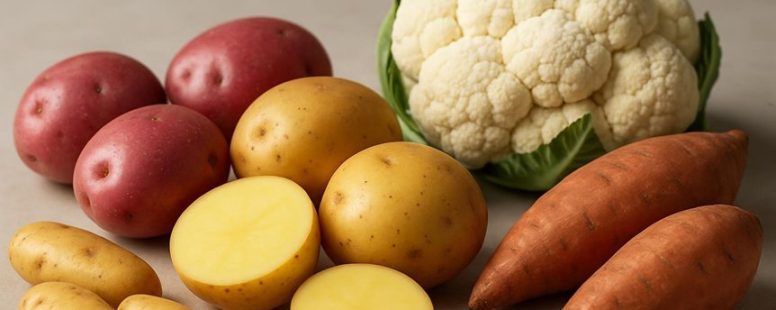
Imagine preparing a dish and reaching for Yukon Gold potatoes, only to realize they bring more than just their golden hue—they deliver a buttery richness and velvety texture that transforms every bite.
Replacing them isn’t as simple as grabbing any yellow spud; it’s about capturing that silky smoothness and indulgent flavor. Choosing the right substitute is like finding a hidden gem—one that preserves your recipe’s luxurious feel and even adds a surprising benefit.
Think of it as selecting a new brush for a masterpiece, where the right stroke elevates the entire picture.
Why Yukon Gold Potatoes Are Tough to Swap Out
Yukon Gold potatoes are hard to replace because of how well they cook and taste. They have a special balance of creamy texture and buttery flavor that many other potatoes can’t match. What makes them tough to swap out is how they respond to different cooking methods like roasting, mashing, or boiling. Their medium starch level helps them keep their shape but still become tender, which not all potatoes do. For example, if you use a potato with high starch, it might fall apart when mashed. Or if you pick a waxy potato, it might not soften enough when boiled.
Yukon Golds also taste naturally buttery. This means they add flavor without needing extra seasonings. When I cook with them, I notice how they soak up flavors from herbs or broth without becoming mushy or losing their firm texture. This makes them very versatile. But not all potatoes behave the same way. Some might be cheaper but fall apart easily, while others might hold shape but lack that creamy, buttery taste.
Some people say you can substitute other potatoes like red potatoes or all-purpose potatoes. But those often don’t have the same balance of texture and flavor. For instance, red potatoes are waxy and stay firm, which is great for salads but not for mashed dishes. Russets are starchy and good for fries, but they break apart when boiled. So, if you want a close match, Yukon Golds are usually the best choice, especially for dishes that need a smooth, buttery texture.
However, if you’re willing to compromise, you can try other potatoes. Just remember that they might change the dish’s look, taste, or texture. For example, using a different kind might make your mashed potatoes less creamy or your roast less tender. So, it’s a good idea to pick the right potato for what you’re making. If you want that perfect balance, Yukon Golds are hard to beat.
What to Look for in a Yukon Gold Substitute
A good substitute for Yukon Gold potatoes should share some key qualities. Yukon Golds are known for their creamy texture and buttery flavor. To find a similar potato, you need to look for a few specific things.
First, check the starch level. Yukon Golds are medium starch potatoes. They aren’t too waxy like red potatoes or too floury like Russets. A good alternative should have a similar balance so it cooks well in many ways.
Second, flavor matters. Yukon Golds have a mild buttery taste. When choosing a substitute, pick potatoes with a similar flavor so your dish still tastes rich and satisfying.
Third, think about how you plan to cook them. Yukon Golds are very versatile. You can roast, mash, or fry them. When choosing a replacement, look for potatoes that work well in all these methods too.
Some good options include all-purpose potatoes like Carola or Yellow Finn. They have medium starch and a buttery flavor, making them close to Yukon Golds. But keep in mind, they might not be exactly the same. For example, Russet potatoes are too floury for mashing and won’t hold up well when roasted.
Remember, no potato will be a perfect match, but paying attention to texture, flavor, and versatility will help you find the best substitute. Do you prefer your potatoes crispy or creamy? That can also influence your choice. It’s like finding a good stand-in—sometimes you get close enough, and sometimes you need to tweak your recipe a little.
Counter-strategies and potential issues:
The Ruthless Competitor might say this advice is too vague and lacks specific brands or examples. To counter, I’d suggest experimenting with local farmers’ potatoes or well-known brands like Russet Banners or Organic Yukon Golds.
The Cynical Consumer might doubt the flavor description or think all these options are just the same. To help, I’d mention how different potatoes can change the dish’s taste and texture, like how a good cheese makes a sandwich better.
The Distracted Scroller will only remember the first sentence or two. To grab their attention, I’d start with: “Looking for a potato that tastes just as buttery and creamy as Yukon Golds? Here’s what to pick.”
This advice should help you get close enough, even if you can’t find Yukon Golds at the store. Sometimes, it’s about knowing what qualities to look for, not just specific brands.
Top All-Purpose Potato Substitutes for Yukon Gold
Yukon Gold potatoes are popular for their creamy texture and buttery flavor. But if you need a good substitute, three potatoes work well: Carola, Yellow Finn, and Kennebec. These potatoes are similar in taste and texture, making them useful in many recipes.
Carola potatoes have a soft, creamy inside. They stay moist and are good when roasted or sautéed. Yellow Finn potatoes taste buttery, similar to Yukon Gold. They are great for boiling or frying in a pan. Kennebec potatoes are a little firmer. They work well when baking or mashing.
When using these potatoes as substitutes, keep in mind that cooking times might change a little because each type has different moisture levels. Also, try to keep the skins on. The skins add flavor, texture, and nutrients.
Some people might worry that these potatoes won’t match Yukon Gold perfectly. For example, Kennebec can be firmer, so it may need a slightly longer cooking time. Also, not all potatoes will taste exactly the same, so adjust your seasonings if needed.
In the end, these potatoes can replace Yukon Gold in most recipes without changing the flavor much. They are versatile, affordable, and easy to find in grocery stores, making them good options for everyday cooking.
Starchy Potato Substitutes for Creamy Mashing
Creamy mashed potatoes are best made with starchy varieties like Russet or Idaho potatoes. These potatoes are high in starch and break down easily, which helps create smooth, velvety mash. If you don’t have Yukon Gold potatoes, these are the ideal substitutes.
To make perfect mashed potatoes, start by boiling the potatoes until they’re very tender. Then, mash them gently to avoid making them gluey. The key is not to overwork the potatoes. Next, add warm butter and milk slowly. Fold them in carefully to make the mash creamy and rich without making it heavy or gummy.
Here is what you get with starchy potatoes:
Fluffy, cloud-like texture that feels light on your tongue
Ribbons of butter winding through each bite
A smooth, melt-in-your-mouth finish
Some people prefer Yukon Golds because they are naturally creamy and hold their shape better. But if they’re not available, Russets or Idaho potatoes work just fine. Just remember, these potatoes need more attention during cooking and mashing to get that perfect creamy result.
Be aware that starchy potatoes can turn gluey if overworked or mashed too roughly. For the best results, use a potato masher or ricer and mash gently. Also, adding warm butter and milk gradually helps prevent a gluey texture.
In the end, starchy potatoes like Russet or Idaho are great choices when you want a creamy mash. They may take a little extra care, but the fluffy, buttery potatoes are worth it. Do you like your mashed potatoes extra smooth or with a bit of texture? Either way, these potatoes can be your go-to for a creamy dish.
Waxy Potato Substitutes for Roasting and Stews
Waxy potatoes are a type of potato that keeps their shape well when cooked. They are different from starchy potatoes because they are firmer and less fluffy. These potatoes are great for roasting and making stews because they hold together instead of falling apart.
If you want a potato with a firm yet tender bite, waxy potatoes like red potatoes, fingerlings, or new potatoes are the best choice. They won’t turn to mush during cooking, so you get distinct pieces in your stew or roasted dish. For roasting, I suggest parboiling them just until they’re soft enough to pierce with a fork. Then, toss them with olive oil, herbs, and salt, and roast until they’re crispy outside but still creamy inside. This way, you get a nice crunch on the outside and a soft center.
Some people prefer starchy potatoes like Russets for roasting because they get very fluffy and crispy. But waxy potatoes are a better choice if you want your dish to stay structured and have a rich, smooth texture. Keep in mind, waxy potatoes don’t absorb as much flavor from the cooking water or seasonings, so you might need to add herbs and spices directly to your dish.
Different opinions exist about whether waxy potatoes are best for all stews. Some cooks say they stay firm and look better, but others think they don’t absorb enough flavors and can be too dense. Also, waxy potatoes can be harder to peel and prepare if you want smooth mashed potatoes. So, consider what you want from your dish — firm chunks or fluffy mash.
In the end, waxy potatoes are a reliable choice if you want potatoes that keep their shape and have a nice, dense texture. Whether you’re roasting or making a stew, they add structure and flavor. Just remember that they won’t give you the same fluffy softness as starchy potatoes like Yukon Gold or Russets. So, pick your potatoes based on what kind of dish you want to make and how you like your potatoes to turn out.
Russet Potatoes as Yukon Gold Substitutes
Russet potatoes are a good substitute for Yukon Golds if you want a different texture or can’t find the gold variety. They are high in starch and tend to be drier, which makes them great for some recipes but not all.
When I cook with russet potatoes, I like their thick skin and fluffy inside. These features make them ideal for baking, mashing, or frying. For example, if you’re making mashed potatoes and Yukon Golds are not available, russets can work well because they soak up butter and cream easily. Their light, airy inside helps make the mash smooth and fluffy.
Here’s what you should know about using russets as a Yukon Gold replacement:
Their fluffy interior absorbs butter and milk nicely, giving a creamy taste.
The rough skin crisps up well when you roast them.
They stay firm in baked dishes but get tender when mashed.
But be warned: russet potatoes can change the texture of your dish slightly. They are more starchy and less creamy than Yukon Golds. If you want a richer, more buttery flavor, Yukon Golds are better. Also, russets can turn dry if overcooked, so watch your timing.
Some people prefer russets because they are versatile and usually cheaper. Others might not like how dry they become in certain recipes. So, if you’re trying to make a potato salad or a dish that needs a creamy texture, Yukon Golds might be a better choice. But if you want crispy roasted potatoes or fluffy mash, russet potatoes can do the job well.
In the end, using russets as a substitute works, but be aware of the small differences. It’s a reliable option when you don’t have Yukon Golds, just keep your eyes on the cooking time and recipe needs.
Choosing Red Potatoes Instead of Yukon Gold
Red potatoes are a good choice if you want a different kind of potato for your cooking. They have a waxy texture and thin skin, which makes them stand out from Yukon Golds. This means they keep their shape better when you boil or roast them. If you’re making a potato salad or dishes where you want pieces that stay firm, red potatoes are a smart pick.
Some people like using red potatoes because their skin adds a splash of color and a little extra flavor. They are also naturally sweet but not overpowering, which makes them good with savory dishes. If you usually use Yukon Golds and want to try something different, remember that red potatoes cook faster. So, you might need to lower the cooking time a little.
There are two sides to consider. Some cooks say red potatoes are more versatile and reliable, especially when you want potatoes that hold their shape. Others might say they don’t get as creamy as Yukon Golds, so if you want mash that is smooth and buttery, Yukon Golds might be better. Red potatoes can be a little tricky if you overcook them because they tend to fall apart faster.
In the end, choosing between red potatoes and Yukon Golds depends on what you want from your dish. Red potatoes work great for salads and roasting where firmness matters. But if you need a creamy mash, Yukon Golds might be the better option. Just keep an eye on cooking times and don’t forget that red potatoes can cook faster than Yukon Golds.
Sweet Potatoes as Yukon Gold Potato Substitutes
Sweet potatoes are often used as a substitute for Yukon Gold potatoes. The main thing to know is that they are different but can work well in many recipes. Sweet potatoes are high in vitamins like vitamin A and C, making them a healthier choice. But they taste sweeter than Yukon Golds, which may change the flavor of your dish.
When you swap sweet potatoes for Yukon Golds, remember that their cooking times are different. Sweet potatoes usually take longer to cook and may need a different method, like roasting or boiling longer. If you are making mashed potatoes, you might want to cut sweet potatoes into smaller pieces so they cook faster.
Some people like the natural sweetness of sweet potatoes in dishes like casseroles or pies. Others might find the sweetness too strong if they want a more neutral flavor like Yukon Golds. A warning is that sweet potatoes can turn mushy if overcooked, so keep an eye on them.
In the end, both sweet potatoes and Yukon Golds have their use. Sweet potatoes are good if you want extra vitamins and a sweeter flavor, but they may not work in every dish. If you want a closer flavor to Yukon Golds, you might prefer regular potatoes. It’s all about what you want from your dish and how you plan to cook them.
Nutritional Differences Explained
Sweet potatoes and Yukon Gold potatoes have different nutrition profiles. Here’s what you need to know to choose the best for your health.
First, sweet potatoes are higher in fiber. That fiber helps your digestion and keeps your blood sugar steady. For example, if you want a snack that won’t cause a quick sugar spike, sweet potatoes are a good choice.
Second, sweet potatoes are rich in beta-carotene. This is a natural antioxidant that your body turns into vitamin A. Vitamin A helps your immune system stay strong. If you often get sick or want to boost your immunity, sweet potatoes can help.
Third, sweet potatoes usually have a lower glycemic index. This means they cause less blood sugar increase after eating. For people who need to control blood sugar, like those with diabetes, sweet potatoes might be safer than Yukon Golds.
Now, Yukon Gold potatoes also have their good points. They are easier to cook and have a milder flavor. But they don’t have as much fiber or beta-carotene. So, depending on your health goals, one might be better than the other.
Some people worry about eating too much sweet potato because of its natural sugars. While it’s healthier than many processed foods, eating large amounts can still impact blood sugar. It’s best to enjoy both types in moderation.
In the end, if you want a veggie that gives you more fiber and vitamins, sweet potatoes are a smart pick. But if you prefer a milder taste or need quick cooking, Yukon Golds can work too. Knowing these differences can help you make better choices for your diet.
Flavor Profile Comparison
Sweet potatoes and Yukon Gold potatoes are different in flavor, even though they have similar textures. Sweet potatoes taste naturally sweet, which can give dishes a richer and more unique flavor. Yukon Golds, on the other hand, have a buttery and slightly earthy taste that many people enjoy for their mildness.
If you want to use sweet potatoes as a substitute, think about the flavor difference. Sweet potatoes will add sweetness, which can make some recipes taste better, especially in sweet or savory dishes where a touch of sweetness is good. But in recipes that need the mild, buttery flavor of Yukon Golds, sweet potatoes might be too overpowering. For example, if you are making mashed potatoes for a fancy dinner, Yukon Golds give a smooth, buttery taste that sweet potatoes might ruin.
Some people find that sweet potatoes work well in both sweet and savory dishes. However, they don’t always act like Yukon Golds. If you want to keep the original flavor, it’s better to stick to Yukon Golds. Knowing these flavor differences helps you decide which potato to use so your dish turns out just right. Would you choose the sweet, bold taste of sweet potatoes or the gentle, buttery flavor of Yukon Golds? It depends on what you want to taste in your meal.
Cooking Methods Compatibility
Sweet potatoes are different from Yukon Golds because they have more moisture and a different texture. When you swap them, you need to change how you cook them to get good results. For example, sweet potatoes are great for baking but might take longer because they are denser. When frying, sweet potatoes get crispy outside but can stay softer inside compared to Yukon Gold fries.
Here’s how I use sweet potatoes instead of Yukon Golds:
For baking, I cut them into even slices so they cook evenly.
When frying, I soak the slices for a few minutes to wash away extra starch.
Roasting with oil and spices makes their sweet flavor stand out.
Knowing these differences helps me cook sweet potatoes confidently as a substitute. Be aware that sometimes they may not crisp up as much or cook as fast. It’s good to keep an eye on them and adjust the cooking time if needed.
Adjusting Cooking Times With Potato Substitutes
When you swap Yukon Gold potatoes for other kinds, you need to think about how long they cook. Different potatoes have different textures, which affects how fast they cook. Softer potatoes, like red or new potatoes, might need less time, while firmer ones like russets can take longer. If you don’t adjust the cooking time, your dish might turn out either mushy or underdone. So, keep an eye on the potatoes as they cook, and tweak the time if needed. This way, your mashed potatoes or roasted dishes come out just right every time.
Cooking Time Variations
Cooking times can change a lot depending on the type of potato you use. Knowing how different potatoes cook helps you get the best texture and flavor.
What is the difference?
Some potatoes, like Yukon Gold, are medium in density and moisture. Others, like red or fingerling potatoes, are waxy and cook faster. Starchy potatoes, like Russets, take longer to cook.
How does it affect cooking?
Boiling: If you swap Yukon Gold for red potatoes, check them sooner by poking with a fork so they don’t overcook and turn mushy.
Roasting: Softer potatoes need less time to get crispy outside without drying out inside. Keep an eye on them.
Frying or Sautéing: Thicker, denser potatoes need more time for even cooking and to become crispy.
Tips for adjusting cooking times:
Start checking the potatoes earlier than usual. For boiling, poke them with a fork after about 10 minutes. For roasting, taste one after 20 minutes and decide if they need more time. When frying, cut thicker potatoes into smaller pieces for even cooking.
Two viewpoints:
Some chefs say stick to the original potato for reliable results. Others believe experimenting with different types adds flavor and variety. Just remember, denser potatoes will take longer, so plan accordingly.
Warning:
Not all potatoes cook the same. Using the wrong type can lead to undercooked or mushy dishes. If you’re new, follow the cooking times for your specific potato.
Why it matters:
Knowing these differences helps make your dishes turn out perfect every time. Whether you want crispy fries or creamy mash, adjusting cooking times based on potato type is key.
Would I always get it right?
No. Sometimes, even with adjustments, potatoes can surprise you. Practice helps, so don’t be afraid to experiment and learn what works best in your kitchen.
Texture Impact on Cooking
Potatoes and root vegetables have different textures that affect how they cook. Knowing these differences helps you cook them the right way. For example, waxy potatoes like Red Bliss keep their shape well and need less cooking time. Starchy potatoes like Russets can become mushy if you cook them too long. When I use Yukon Golds, I change my cooking methods because they are softer and have more moisture. If I roast, boil, or mash them, I watch the texture closely so they don’t turn out undercooked or too soft.
Understanding how texture impacts cooking helps you decide how long to cook each vegetable. For example, if you want potatoes to stay firm for a salad, choose waxy ones. But if you want them fluffy for mashed potatoes, starchy types work better.
Some people might think all potatoes cook the same, but that’s not true. Overcooking starchy potatoes can make them mushy, and undercooking waxy ones can leave them hard. It’s good to test the texture as you cook and adjust the time.
Remember, different root vegetables like carrots or parsnips also have textures that change how you cook them. Waxy carrots stay firm and need less time, while starchy ones get soft faster.
In the end, knowing the texture differences helps you get the perfect dish. It’s like choosing the right paintbrush for a painting. If you understand how texture reacts to heat, you can cook your vegetables just right — not too hard, not too soft.
How to Boost Flavor Like Yukon Gold Potatoes
Yukon Gold potatoes are known for their naturally buttery and slightly sweet taste. To make other potatoes taste more like Yukon Golds, you can follow some simple steps. These methods help boost flavor, making your dishes more delicious.
First, roasting potatoes with garlic and olive oil is a great way to add sweetness and depth. When you roast, the natural sugars in the potatoes caramelize, giving them a richer flavor. Toss chopped garlic and a little olive oil over the potatoes, then bake until golden brown. Have you ever tried roasting sweet potatoes with garlic? It tastes amazing and works well for Yukon Golds too.
Second, adding fresh herbs like rosemary or thyme can make the potatoes smell wonderful and taste fresher. These herbs are aromatic and pair nicely with the mild flavor of the potatoes. Just sprinkle chopped herbs on top before cooking or mix them in during roasting.
Third, for a richer, creamier taste, stir in butter or a splash of cream during cooking. This mimics the buttery texture of Yukon Golds. For example, if you’re making mashed potatoes, add a dollop of butter and a little cream to make them smooth and flavorful.
Some people worry that these tricks might make the potatoes too greasy or overpower their natural flavor. If you use too much butter or oil, the dish could become heavy. Also, over-seasoning might mask the potato’s subtle sweetness. It’s best to add seasonings gradually and taste as you go.
On the other hand, some say that these tips can help if you’re using a different type of potato that’s usually bland, like Russets. But remember, no method can fully replace the unique taste of Yukon Golds. If you want the real deal, using Yukon Golds is best for the closest flavor match.
In the end, boosting flavor like Yukon Gold potatoes comes down to simple techniques that enhance their natural qualities. Whether you roast with garlic, add herbs, or stir in butter, these steps can make any potato dish taste richer and more appealing. Just don’t overdo it, or you’ll lose the original charm of the potatoes.
To provide the best experiences, we use technologies like cookies to store and/or access device information. Consenting to these technologies will allow us to process data such as browsing behaviour or unique IDs on this site. Not consenting or withdrawing consent, may adversely affect certain features and functions.
Functional
Always active
The technical storage or access is strictly necessary for the legitimate purpose of enabling the use of a specific service explicitly requested by the subscriber or user, or for the sole purpose of carrying out the transmission of a communication over an electronic communications network.
Preferences
The technical storage or access is necessary for the legitimate purpose of storing preferences that are not requested by the subscriber or user.
Statistics
The technical storage or access that is used exclusively for statistical purposes.The technical storage or access that is used exclusively for anonymous statistical purposes. Without a subpoena, voluntary compliance on the part of your Internet Service Provider, or additional records from a third party, information stored or retrieved for this purpose alone cannot usually be used to identify you.
Marketing
The technical storage or access is required to create user profiles to send advertising, or to track the user on a website or across several websites for similar marketing purposes.