Your recipe’s almost perfect—the aroma fills the kitchen, and your taste buds are ready for a symphony of flavors. But then it hits you: you’re out of Italian seasoning. That little jar packed with Mediterranean magic seems irreplaceable, doesn’t it? Don’t worry; your dish isn’t doomed.
What if you could recreate that signature blend using ingredients already in your pantry? With just a few simple swaps, you can capture the essence of Italian seasoning without missing a beat. Whether you’re whipping up pasta sauce or seasoning roasted veggies, there’s always a way to bring those bold, herbaceous notes back into your cooking.
What Is Italian Seasoning?
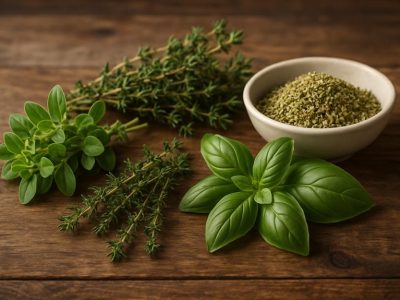
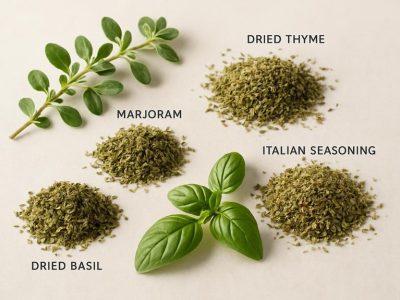
Italian seasoning is a blend of dried herbs that captures the essence of classic Italian flavors. It commonly includes basil, oregano, thyme, rosemary, and marjoram—herbs that are staples in Mediterranean cooking. Some variations may also include garlic powder or sage to deepen the flavor profile.
This seasoning mix aims to provide a convenient way to add complexity and balance to dishes without needing multiple individual spices. It’s versatile enough for pasta sauces, marinades, soups, or roasted vegetables. By combining aromatic and earthy herbs like oregano and rosemary with sweeter notes from basil and marjoram, it enhances both savory and subtly sweet recipes effortlessly.
While not traditionally used in Italy itself (where fresh herbs are often preferred), this blend became popular in American kitchens for its practical application in recipes inspired by Italian cuisine.
Why You Might Need A Substitute For Italian Seasoning
Running out of Italian seasoning can happen unexpectedly, especially when you’re in the middle of preparing a dish. Whether you’re making pasta sauce, pizza dough, or roasted chicken, the absence of this blend might seem like a setback. But, using individual herbs or alternative mixes can replicate its flavor profile.
Dietary restrictions might also prompt you to seek substitutes. If you’re avoiding specific ingredients due to allergies or preferences, creating your own blend ensures control over what goes into your food. This flexibility allows customization while retaining those familiar herbaceous flavors.
Access to pre-made Italian seasoning isn’t always guaranteed. Certain regions or stores may not stock it consistently, and online delivery times could disrupt immediate cooking plans. In such cases, relying on pantry staples like basil and oregano offers an easy solution.
Experimentation is another reason for substitution. Homemade blends let you adjust proportions or introduce new elements like garlic powder or fennel seeds for unique twists on classic recipes. These changes enhance creativity in the kitchen without compromising taste quality.
Best Substitutes For Italian Seasoning
Running out of Italian seasoning doesn’t mean compromising your dish’s flavor. Several easy substitutes replicate its essence, whether you’re making pasta, soup, or roasted vegetables.
Homemade Italian Seasoning Mix
Creating a homemade mix delivers control over flavors and freshness. Combine 1 tbsp each of dried basil and oregano with 2 tsp thyme and rosemary. Add 1 tsp marjoram for depth. If desired, sprinkle in garlic powder or fennel seeds for customization.
For example, if using this blend in marinades, balance the herbs by increasing rosemary slightly for a woodsy aroma. Adjust proportions based on personal taste to match the recipe’s requirements.
Individual Herbs As Substitutes
Using individual herbs works when you don’t have all components of Italian seasoning. Focus on key elements like:
Basil: Adds sweet, peppery notes; ideal for tomato-based dishes.
Oregano: Earthy and robust; complements meat sauces.
Thyme: Mildly minty; enhances subtle soups or stews.
Rosemary: Pungent and pine-like; perfect for roasted vegetables.
Marjoram: Delicate citrus undertone; suitable for dressings.
Combine two or three from these options to mimic the blend’s complexity without losing its signature profile.
Premade Herb Blends
Certain premade blends can substitute effectively:
Blend
Flavor Profile
Suggested Use
Herbes de Provence
Includes lavender; floral
Roasted meats or potatoes
Greek Seasoning
Lemon-forward with dill
Grilled fish or salads
Pizza Seasoning
Garlic-heavy with basil
Pasta sauces
Choose a blend aligning closely with your dish’s intended flavor profile. Taste before adding to ensure compatibility since salt levels may vary across brands.
Tips For Substituting Italian Seasoning
Combine Common Pantry Herbs
Use dried basil, oregano, thyme, and rosemary to recreate the base flavors of Italian seasoning. Add marjoram if available for an authentic touch. For example, mix 1 teaspoon each of these herbs to substitute 1 tablespoon of Italian seasoning.
Incorporate Additional Elements
Enhance your blend with garlic powder or crushed red pepper flakes for extra depth or a hint of spice. This customization works well in pasta sauces or marinades where bold flavors are desired.
Adjust Proportions for Balance
If one herb dominates your dish’s flavor profile, reduce its quantity and increase others like thyme or oregano to achieve harmony. For instance, in roasted vegetables, balancing stronger herbs like rosemary is crucial.
Use Premade Blends Judiciously
Substitute with Herbes de Provence, Greek seasoning, or pizza seasoning if you’re short on time but check labels for salt content first to avoid over-salting dishes such as soups or stews.
Experiment With Fresh Herbs
Fresh parsley, basil leaves, and sprigs of thyme can be chopped finely and added later in cooking for vibrant flavors; fresh substitutes suit light recipes like salads best.
Taste Test Frequently
After adding any substitute blend or individual herb combination into your recipe taste periodically while simmering sauces or baking casseroles to ensure the desired flavor intensity matches expectations without overpowering other ingredients’ natural profiles.
Store Leftovers Properly
When To Use A Substitute For Italian Seasoning
A substitute for Italian seasoning becomes necessary when you’re in the middle of a recipe and realize it’s missing from your pantry. This often happens during busy cooking sessions, especially with dishes like marinara sauce or garlic bread that depend on its herbaceous blend. In these moments, creating a quick alternative ensures the dish’s flavor stays intact.
You might also opt for a substitute if dietary restrictions prevent using certain ingredients in store-bought blends. For example, some pre-made mixes contain additives or salt that don’t align with low-sodium diets. Making your own mix allows full control over what goes into your food.
Another scenario involves tailoring flavors to suit specific recipes. If you’re preparing something lighter, like grilled vegetables, you can adjust proportions by emphasizing thyme and oregano while minimizing rosemary’s intensity. Similarly, adding spices like red pepper flakes creates a bolder profile for hearty pasta dishes.
Sometimes accessibility issues arise; not all stores carry Italian seasoning consistently. In such cases, using individual dried herbs—like basil and marjoram—or premade alternatives such as Herbes de Provence keeps your dishes flavorful without delay.
Experimentation is another reason to consider substitutes. Trying different combinations lets you discover new dimensions of taste while maintaining an essence similar to traditional Italian seasoning blends.
Conclusion
When you find yourself without Italian seasoning, there’s no need to panic. With a little creativity and the right combination of herbs or premade blends, you can easily recreate its signature flavors. Whether you’re customizing a homemade mix or reaching for an alternative blend, the flexibility to adapt ensures your dishes stay flavorful and satisfying.
Experimenting with substitutions not only saves time but also opens up opportunities to tailor recipes to your preferences. By keeping some essential dried herbs in your pantry, you’ll always be prepared to enhance your meals with those bold, classic Italian notes.
To provide the best experiences, we use technologies like cookies to store and/or access device information. Consenting to these technologies will allow us to process data such as browsing behaviour or unique IDs on this site. Not consenting or withdrawing consent, may adversely affect certain features and functions.
Functional
Always active
The technical storage or access is strictly necessary for the legitimate purpose of enabling the use of a specific service explicitly requested by the subscriber or user, or for the sole purpose of carrying out the transmission of a communication over an electronic communications network.
Preferences
The technical storage or access is necessary for the legitimate purpose of storing preferences that are not requested by the subscriber or user.
Statistics
The technical storage or access that is used exclusively for statistical purposes.The technical storage or access that is used exclusively for anonymous statistical purposes. Without a subpoena, voluntary compliance on the part of your Internet Service Provider, or additional records from a third party, information stored or retrieved for this purpose alone cannot usually be used to identify you.
Marketing
The technical storage or access is required to create user profiles to send advertising, or to track the user on a website or across several websites for similar marketing purposes.