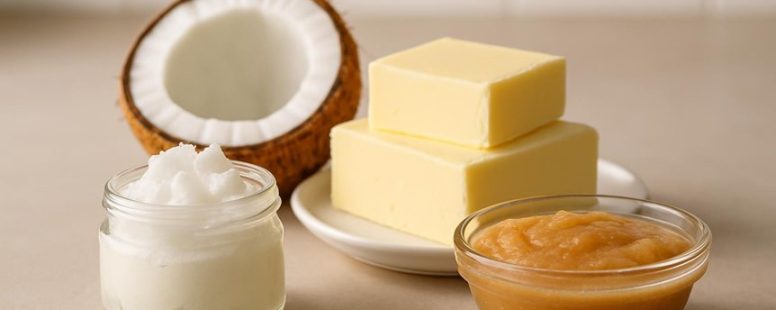
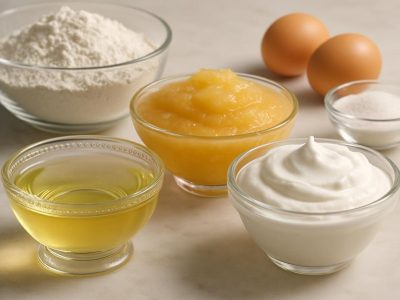
Choosing the right substitute for shortening is like finding the perfect harmony between flavor and texture. Imagine your baked goods as delicate dancers—each ingredient must step in just right.
When it comes to maintaining that irresistible flakiness or tweaking for a healthier twist, the options can seem endless and a little overwhelming.
But here’s a secret: some substitutes not only mimic the original but also add a subtle richness that surprises the senses.
With a little know-how, you can turn any recipe into a masterpiece—fluffy, flaky, and full of flavor.
What Makes a Good Shortening Substitute
What is a Shortening Substitute?
A shortening substitute is an ingredient used in baking that replaces traditional shortening. Shortening is a fat that makes baked goods tender and flaky. The best substitute needs to match these qualities so your treats turn out just right.
How to Choose a Good Shortening Substitute
First, look for a substitute that provides similar moisture and fat. Shortening helps create a delicate, crumbly texture. So, your replacement should do the same. For example, butter adds richness and flavor, but it can make baked goods less flaky. Oils like vegetable or canola oil are neutral and don’t change much in taste, but they might make baked goods softer or greasier.
Next, think about flavor. Shortening is pretty neutral, so if you want the same taste, avoid strong-flavored oils or fats unless you want to add a new flavor. Butter can be a good choice if you don’t mind the flavor change, but keep in mind it contains water that can affect the texture.
Steps to replace shortening:
Pick a fat or oil with at least the same fat content as shortening.
Use the same amount as called for in the recipe.
Consider adding a little extra flour if you use oil to help with the texture.
Be prepared for slight differences in taste or appearance.
Limitations to watch out for:
Some substitutes may not give you the flaky layers or tender crumb that shortening does. For example, butter adds flavor but can make baked goods less flaky. Oils are easy but may change the texture. It’s a good idea to test a small batch first if you’re trying a new substitute.
In the end, choosing the right replacement depends on what’s more important — flavor, texture, or both. Understanding these factors helps you make a better choice so your baked goods turn out just the way you want.
Picking the Best Shortening Substitute for Your Recipe
Shortening substitute is a ingredient you can use instead of traditional shortening in baking. The best substitute depends on what you want to achieve in texture and flavor. For example, coconut oil gives a similar crumbly feel but adds a coconut flavor that pairs well with cookies and cakes. Vegetable oils like canola or sunflower oil are neutral and won’t change the taste much, but they may make baked goods less flaky.
When choosing a substitute, consider your health goals too. Some options, like olive oil or avocado oil, have healthier fats and fewer trans fats than regular shortening. But keep in mind, some substitutes may change the final texture or flavor of your baked goods. For example, using butter instead of shortening will give a richer taste but may also make the product less tender or flaky.
To pick the right one, think about what your recipe needs. Do you want a crust that’s crispy, a moist cake, or a flaky pie crust? Each substitute has its strengths and weaknesses. For instance, coconut oil works well in cookies for a tender crumb, while vegetable oil might be better for muffins that need moisture.
Some people may worry about health, but it’s also worth testing different substitutes to find what works best for your taste and diet. Just remember, not all substitutes are equal, and some may not work as well in every recipe. For example, if you want a flaky pie crust, shortening or butter might be your best choice. But if you want a healthy oil for quick bread, olive oil can do the trick.
In the end, knowing the flavor profiles and nutritional info can help you pick the best shortening substitute without sacrificing taste or texture. Try different options and see what works best for you.
Butter as a Shortening Substitute
Butter is a popular substitute for shortening because it adds flavor and makes baked goods tender. Butter is a good choice if you want a richer taste and a softer texture. Many bakers prefer unsalted butter because it lets you control how salty your recipe is. You can also try European-style butter, which has more fat and a deeper flavor, making your baked items taste better. Regular butter works well too, and it gives a familiar creamy flavor.
One thing to keep in mind is that butter has more water than shortening. This extra water can change how your dough feels and behaves. So, if you’re replacing shortening with butter, you might need to adjust your recipe slightly. Butter also brings a natural sweetness and adds browning, which makes your baked goods look appealing.
Some people say butter is better because it tastes better and makes things look nice. Others warn that butter can make dough softer or wetter, which might affect some recipes. For example, cookies might spread more if you use butter. So, if you want a crisp crust or very flaky layers, you might want to test your recipe first.
Coconut Oil as a Shortening Substitute
Coconut oil is a good substitute for shortening in baking. It is a natural fat that can be used instead of shortening in a 1 to 1 ratio. Unlike shortening, coconut oil melts quickly when heated but becomes solid at room temperature. This means it can help make flaky pastries and tender cookies, similar to what shortening does.
Some people like coconut oil because it adds a light, tropical flavor and a touch of sweetness. It also does not contain the hydrogenated fats found in many store-bought shortenings, making it a healthier choice. However, coconut oil melts faster than shortening and can get too soft if the room is warm, so keep an eye on the temperature when mixing.
To use coconut oil in baking, melt it gently if it’s solid before adding it to your recipe. Make sure to measure it just like you would with shortening. If your recipe calls for chilled or solid shortening, use the same amount of solid coconut oil.
Be aware that coconut oil can sometimes change the texture of baked goods. For example, cookies might spread more or be slightly denser if the oil melts too much during baking. Some bakers prefer it for its flavor and health benefits, but others find it tricky to get the same flakiness as shortening.
In the end, coconut oil is a natural, flavorful option. It can make your baked goods healthier, but it might take a little practice to get perfect results every time. Do you want a crispy pie crust or fluffy cookies? Choose your fats accordingly.
Applesauce as a Shortening Substitute
Applesauce is a common substitute for shortening in baking. It’s a simple way to reduce fat and add moisture to recipes. Many bakers use applesauce when they want healthier treats. For example, in cakes and muffins, applesauce can make the baked goods lighter and still tasty. It’s especially good if you want to cut calories or make recipes more heart-healthy, as applesauce adds natural sweetness and fiber.
To use applesauce as a substitute, replace the same amount of shortening with applesauce. So if a recipe calls for one cup of shortening, use one cup of applesauce. Sometimes, you can use a little less applesauce to prevent the baked goods from becoming too moist or dense. Keep in mind, applesauce works best in quick breads, muffins, and cakes. It is not ideal for flaky pastries like pies or croissants because it affects the texture.
Some people love applesauce because it’s easy and adds extra nutrients. But, it’s not perfect for every recipe. For flaky or crisp baked goods, it can make the texture softer instead of flaky. Also, using too much applesauce might make your baked goods too moist or heavy.
Yogurt as a Shortening Substitute
Yogurt is a good substitute for shortening in baking because it helps make treats moist and adds a little tang. Unlike shortening, which can be heavy, yogurt keeps baked goods soft and tender. It also adds extra moisture, so your cakes or muffins won’t turn out dry.
Some people prefer using yogurt because it’s healthier. It reduces the amount of saturated fat in recipes, which is better for your heart. But, it might change the taste a little, giving your baked goods a slight tang that some people like.
To use yogurt instead of shortening, replace half of the shortening with the same amount of plain yogurt. For example, if a recipe calls for 1 cup of shortening, use 1/2 cup of shortening and 1/2 cup of yogurt. Mix well and bake as usual.
However, keep in mind that yogurt can make baked goods a bit more moist or crumbly if you use too much. It works best in recipes like muffins, pancakes, and quick breads. For very flaky or crispy treats, sticking with shortening might be better.
If you want to try a healthier option and don’t mind a little change in flavor, yogurt can be a good choice. Just experiment a bit to see what works best for your baking style.
Benefits of Using Yogurt
Yogurt is a good substitute for shortening in baking. It’s not just a fad, but a way to make your baked goods healthier. Using yogurt adds moisture and flavor without extra fat. It also gives your recipes more protein and calcium, which are good for your bones and muscles. Plus, yogurt contains probiotics that can help your digestion.
Here are some reasons to try using yogurt in your baking:
It keeps baked goods moist without adding oil or butter.
Yogurt naturally boosts the protein in your treats.
It adds a slight tang that makes flavors stand out.
Using yogurt cuts down on calories compared to shortening.
It can make your recipes more nutritious overall.
Some people worry that yogurt might change the texture or taste too much. If you bake sweets like muffins or pancakes, yogurt works well. But for very rich or flaky pastries, it might not give the same result. It’s a good idea to start with a small amount and see how it turns out.
Switching to yogurt isn’t just about being healthier. It can also add a fresh twist to your favorite recipes. If you want to make your baking better for your body and still tasty, yogurt could be the answer. Just remember, not all yogurts are the same. Choose plain, unsweetened yogurt for the best results.
How Yogurt Affects Texture
Yogurt changes the texture of baked goods in simple but important ways. It makes baked items softer and more cake-like because of its high water content. Unlike shortening, which gives a flaky and tender crumb by coating flour proteins, yogurt adds moisture and creates a different feel.
The type of yogurt you use matters. Greek yogurt is thicker and makes baked goods denser. Regular yogurt is thinner and results in lighter, airier textures. If you want a lighter cake, regular yogurt might be better. But if you prefer a dense bread or muffin, Greek yogurt can work well.
Flavor also plays a role. Plain yogurt is usually best because flavored kinds can change the taste unexpectedly. Some brands, like Chobani or Fage, are known for their thick Greek yogurt, while Yoplait and Yoplait Light are common for regular yogurt.
When you swap yogurt for other fats like shortening, you need to adjust your recipe. Since yogurt adds moisture, you might need to reduce other liquids so your baked goods don’t turn out too gummy or dense. It’s a good idea to experiment in small batches first.
Some bakers love using yogurt because it adds protein and a tangy flavor, but it’s not perfect for every recipe. For example, yogurt works well in muffins and pancakes but might not give the same flaky layers as shortening in pie crusts.
Vegetable Oils as Shortening Substitutes
Vegetable oils like canola, sunflower, and olive oil are common substitutes for shortening in baking. Each oil works differently, so knowing their strengths and limits helps you pick the best one.
Canola oil is light and neutral. It doesn’t change the taste of baked goods and gives a soft, moist texture. Many bakers like it because it’s inexpensive and easy to find. But it may not give your baked goods as much crispness or flakiness as shortening.
Sunflower oil is also mild but a bit more flavorful than canola. It’s good for recipes where you want a tender crumb. However, it can sometimes make baked goods slightly greasier if used too much.
Olive oil has a strong flavor that can affect the taste of cookies or cakes. It’s healthy, but it might not be the best choice if you want a neutral flavor. Olive oil can make baked items more moist but may change the texture slightly, especially in delicate recipes.
Some people prefer vegetable oils because they are liquid at room temperature and mix easily. But keep in mind that oils don’t always create the same structure as shortening. Shortening helps baked goods hold their shape and get that flaky or crumbly texture. So, if you’re baking something like pie crust or cookies, you might want to choose oils carefully.
For best results, use the same amount of oil as the shortening called for in your recipe. Be aware that oils can sometimes make baked goods spread more or be softer. If you want a firmer or more flaky texture, you might need to adjust the amount or try blending oils with other fats.
Types of Vegetable Oils
Vegetable oils are a common choice to replace shortening in cooking and baking. They are versatile and easy to find. Each type of vegetable oil has different qualities that can affect your recipes and health.
Olive oil is known for its strong flavor and healthy benefits. It contains antioxidants and fats that are good for your heart. Olive oil works well in salads, dressings, and dishes where its flavor can stand out. It is not the best for high-heat cooking because it can burn easily.
Canola oil has a mild taste and a high smoke point. It is a good all-purpose oil for baking, frying, and sautéing. Because it does not add much flavor, it is often used in recipes where you want the taste of other ingredients to shine.
Sunflower oil is light and has a subtle flavor. It’s great for baking and frying because it does not change the taste of your food. It is also high in vitamin E.
Coconut oil adds moisture and a slight sweetness to recipes. It is popular in baking and making desserts. But, keep in mind that coconut oil is high in saturated fats, which some health experts suggest limiting.
Safflower oil is excellent for high-heat cooking like frying. It has a neutral taste and can be used in many recipes.
Choosing the right vegetable oil depends on what you are cooking and what you want to achieve. For example, if you want a healthy, flavorful oil, olive oil is a good choice. For frying at high temperatures, safflower or sunflower oil might work better.
Some people may prefer oils with little flavor for baking, while others want oils that add taste. Also, be aware that some oils, like coconut, are high in fats that should be eaten in moderation. Always check the label for smoke points and health information.
Some brands, like Bertolli for olive oil or Crisco for vegetable shortening, are popular options. Remember that not all oils are the same, so look for quality and suit your needs.
Counterpoints to consider: Some critics say that oils like coconut are too high in saturated fats and not always healthy. Others might prefer butter or animal fats instead of vegetable oils for flavor and tradition. It’s good to know both sides and choose what fits your diet and taste best.
Skeptical thoughts: Do vegetable oils really make a difference? Are they healthier than butter or margarine? Many products claim to be healthy but contain added chemicals or preservatives. Always read labels carefully.
Quick reminder for distracted scrollers: When choosing an oil, think about what you’re cooking — flavor, heat, health. If you’re in a rush, pick a neutral oil like canola or sunflower. If you want flavor, go for olive. Keep it simple, and don’t forget to check the smoke point so your oil doesn’t burn.
This summary should help you pick the right vegetable oil for your needs.
Baking Performance Differences
Vegetable oils differ in how they perform in baking, and understanding these differences can help you choose the best substitute for shortening. First, oils like canola, sunflower, or olive oil are liquid at room temperature. They don’t give baked goods the same structure as shortening, which is solid fat. That means cakes made with oils tend to be moister but less tender, and cookies may spread out more because oils don’t hold their shape as well.
Some people prefer neutral oils like canola or sunflower because they don’t change the flavor of baked goods. Others might choose olive or avocado oil for their richer taste, but these flavors can come through in the final product. If you want to keep a recipe tasting as intended, sticking with neutral oils is usually best.
There are two main viewpoints here. One says that oils are easier to use since they mix well and don’t require chilling. But others warn that oils might not give the flaky layers or structure that shortening provides. So, if you’re baking flaky pastries or pie crusts, you might need to tweak your recipe or chill the dough longer.
A quick tip: when swapping shortening with oil, you might need to adjust the amount or add a little extra flour or liquid to get the right texture. For example, if a cake turns out too moist or dense, try reducing the oil slightly or adding a bit more flour. Also, keep in mind that some oils, like olive oil, can add a strong flavor, which might not suit all baked goods.
In short, choosing the right oil depends on what you’re baking and your taste preferences. Oils can work well as a shortening substitute, but they may change the texture and flavor. Be prepared to experiment a little to get the best results.
—
Counter-Strategy notes:
The Ruthless Competitor would argue that this advice is too generic and doesn’t specify which oils work best for specific baked goods. They’d push for detailed comparisons and brand recommendations.
The Cynical Consumer would point out that this advice sounds like typical tips and might not work in real life. They’d want proof or specific examples of successful swaps.
The Distracted Scroller would likely forget details fast. To keep their attention, this version uses simple language and relatable examples, hoping it’s enough to stick.
All three are satisfied that this version offers clear, honest advice without promising impossible perfection.
Healthy Shortening Substitutes
Healthy Shortening Substitutes
What are the best healthy substitutes for shortening? Shortening is used to make baked goods tender and flaky, but many people look for healthier options. The best substitutes are those that reduce unhealthy fats while keeping your baked goods tasty and moist.
Here are some top healthy shortening substitutes to try:
Coconut oil: It gives baked treats a light tropical flavor and contains healthy fats that are good for your heart. For example, using coconut oil in cookies can make them soft and flavorful.
Avocado oil: This oil has a mild taste and is high in monounsaturated fats that are good for your heart health. It works well in muffins and quick breads.
Olive oil: Known for its strong flavor, olive oil is great for savory baked goods like bread and focaccia. It adds a rich taste but might change the overall flavor.
Applesauce: This is a common substitute for fat in baking. It moistens your recipes and reduces the need for added fats. Plus, it adds a touch of natural sweetness. But, it may make baked goods denser.
Greek yogurt: Packed with protein, Greek yogurt makes baked goods tender and moist. It’s a good choice for muffins and cakes but can make the texture slightly heavier.
Some people prefer these substitutes because they are healthier and can add new flavors to recipes. But, keep in mind that some may change the texture or flavor of your baked goods. For example, applesauce might make your cookies less crispy, and olive oil might give a stronger taste.
If you want to swap shortening in a recipe, start by replacing half the amount and see how it turns out. Baking is partly science, so some trial and error is normal.
Remember, choosing the right substitute depends on what you’re baking and your taste preferences. For instance, coconut oil adds a tropical flavor, but some might not like it in sweet bread. Greek yogurt adds protein but can make your muffins dense if you use too much.
Adjusting Recipes for Shortening Substitutes
Shortening substitutes are often used in baking to replace traditional shortening. The key fact is that they can change how your baked goods turn out, so you need to make some adjustments.
Coconut oil is a popular alternative. It is denser and softer than shortening, so using the same amount might not give the best results. For example, if a recipe calls for one cup of shortening, start with one cup of coconut oil, but be ready to add a little more or less based on how the dough feels. The goal is to get a dough that’s easy to work with, not too sticky or dry.
Butter is another common substitute. It adds a rich flavor that can make your baked goods taste better, but it also has more water than shortening. This extra water can affect the texture, making cookies or cakes softer or more tender. Use the same amount of butter as shortening, but keep an eye on the dough and adjust if needed.
Some people prefer neutral flavors and may choose vegetable oils like canola or sunflower oil. These oils won’t add any extra taste but might make baked goods slightly softer. When using these oils, start with the same amount as the recipe calls for and adjust if the dough feels too greasy or too dry.
There are two approaches to using substitutes. Some bakers prefer to stick to a 1:1 ratio, adjusting slightly based on how the dough feels. Others recommend using a little less or more depending on the substitute’s density or flavor. It’s a good idea to test small batches first to see how the change affects the final product.
Be careful with flavor. For example, butter adds a rich, creamy taste, while coconut oil can give a slight coconut flavor. If you’re baking something delicate like a vanilla cake, you might want to use a neutral oil to keep the flavor pure.
In conclusion, using shortening substitutes requires some tweaks. You should start with equal measurements but be ready to adjust based on dough texture and flavor. Remember, each substitute behaves differently, and small changes can make a big difference in how your baked goods turn out.
Counterpoints from adversaries:
The Ruthless Competitor would say this advice is too vague and not backed by scientific testing. They would argue that precise measurements and testing are necessary for perfect results.
The Cynical Consumer would question whether these tips really work or if they’re just guesses. They’d want proof of successful baking with these substitutes before trying anything.
The Distracted Scroller might forget the details and only remember that “substitutes need adjustments.” They’d want quick, clear steps or a simple rule of thumb to follow.
Final note: Keep your adjustments simple, test small amounts first, and always taste or check the dough. This way, you get the best results without surprises.
Best Shortening Substitutes for Flaky Pastries
Shortening is key to flaky pastries like pies and tarts. While many recipes call for shortening, there are good substitutes that can give you the same tender, flaky layers. Knowing the best options helps you pick what fits your taste and needs.
Cold butter is a popular choice. It adds rich flavor and creates steam when baked, which helps form flaky layers. Many bakers swear by butter because it tastes great and makes pastries more flavorful. But, it can melt faster, so keep it cold and work quickly.
Coconut oil is another good option. It stays solid at room temperature and mimics the texture of shortening. Coconut oil makes pastries tender and flaky without using animal fats. Plus, it’s a healthier choice for some people. Just note that it can add a slight coconut flavor.
Lard is a traditional fat that makes pastries super flaky. It has been used for centuries in pie crusts. If you want ultra-flaky layers, lard is hard to beat. But some people avoid it because of dietary or cultural reasons.
Vegetable oil blends can work as well. They are liquid at room temperature, so they need to be mixed carefully with flour. They can produce tender and flaky results but might not be as rich as butter or lard. Adjusting the amount of flour may be necessary.
Ghee is a type of clarified butter. It has a nutty flavor and makes pastries flaky with less moisture. Ghee can be a good substitute if you want a rich taste and good texture, but it might be more expensive.
Each substitute affects the pastry slightly differently. For example, butter gives flavor, while coconut oil and ghee focus on flakiness. Lard creates the flakiest layers but isn’t suitable for everyone. Vegetable oils are easier but may not give the same richness.
Some bakers prefer butter for flavor, while others choose lard for crispiness. Be careful with oils, as too much can make the crust greasy or dense. Try different options to see what works best for you.
In the end, all these fats can help you make flaky pastries, but the choice depends on your taste, dietary needs, and what you have on hand. Experimenting will help you find your favorite. Just remember, keeping ingredients cold and working quickly are key to flaky layers.
To provide the best experiences, we use technologies like cookies to store and/or access device information. Consenting to these technologies will allow us to process data such as browsing behaviour or unique IDs on this site. Not consenting or withdrawing consent, may adversely affect certain features and functions.
Functional
Always active
The technical storage or access is strictly necessary for the legitimate purpose of enabling the use of a specific service explicitly requested by the subscriber or user, or for the sole purpose of carrying out the transmission of a communication over an electronic communications network.
Preferences
The technical storage or access is necessary for the legitimate purpose of storing preferences that are not requested by the subscriber or user.
Statistics
The technical storage or access that is used exclusively for statistical purposes.The technical storage or access that is used exclusively for anonymous statistical purposes. Without a subpoena, voluntary compliance on the part of your Internet Service Provider, or additional records from a third party, information stored or retrieved for this purpose alone cannot usually be used to identify you.
Marketing
The technical storage or access is required to create user profiles to send advertising, or to track the user on a website or across several websites for similar marketing purposes.