Imagine twirling a forkful of noodles that not only delights your taste buds but also transforms your meal into a vibrant, health-boosting experience.
The search for the perfect pasta substitute often feels like chasing an elusive flavor that hits all the right notes. From gluten-free options that shimmer with lightness, to veggie-based noodles bursting with earthy richness, each choice offers a unique twist.
Some cut carbs, others ramp up protein, and a few surprise you with hidden nutrients. The secret lies not just in the ingredients but in how you cook and pair them.
These alternatives are like culinary chameleons, ready to elevate your dishes and surprise your palate.
Reasons to Choose Pasta Substitutes: Health, Gluten, and Carb Benefits
Pasta substitutes are a good choice for health, gluten issues, and cutting carbs. Here’s why.
First, if you are sensitive to gluten, choosing substitutes like rice noodles or zucchini noodles can prevent stomach problems. Traditional pasta made from wheat has gluten, which can cause discomfort for some people. Many alternatives are naturally gluten-free, making them safer and easier to digest. For example, brands like King Arthur gluten-free pasta offer options that taste good and are gentle on your stomach.
Second, pasta substitutes can help you eat fewer carbs. Reducing carbs can help control blood sugar levels and make it easier to manage weight. Instead of regular pasta, try cauliflower rice or spiralized vegetables. These options have fewer carbs but still fill you up. However, some substitutes might not be as filling or satisfying as traditional pasta, so you might need to add extra protein or healthy fats.
Third, many pasta alternatives are packed with nutrients. They can have more fiber, vitamins, and minerals than regular pasta. For example, chickpea or lentil pasta gives you more protein and fiber. This makes your meal more nutritious and helps keep you full longer. Still, some substitutes may have different tastes or textures that you won’t like. It’s a good idea to try different ones to see what you prefer.
Some people find that pasta substitutes work well for their diet, but others might not like the taste or texture. They can be more expensive or harder to find in stores. Also, not all substitutes are low in calories, so check labels if you want to lose weight.
Top Vegetable-Based Pasta Substitutes to Try
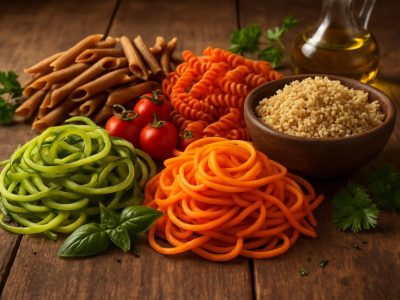
Vegetable-based pasta substitutes are a healthy choice if you want to replace regular pasta with something lighter. These options are often easier to prepare and can add more vegetables to your diet. Zucchini noodles, sweet potato spirals, and cauliflower rice are popular choices. Each one has its own flavor and benefits. For example, zucchini noodles are mild and can be cooked quickly, while sweet potatoes add a touch of sweetness. Cauliflower rice is a great low-carb option.
Some people love these substitutes because they are more nutritious and can help with weight management. But, they also have limitations. For instance, zucchini noodles can become soggy if overcooked, and cauliflower rice might not satisfy everyone’s craving for the chewy texture of real pasta. It’s good to try different options to see which one you like best.
To make vegetable pasta at home, start by washing your vegetables. For zucchini noodles, use a spiralizer or a julienne peeler. For sweet potatoes, peel and spiralize them, then cook in a skillet with a little oil. Cauliflower rice can be made by pulsing cauliflower florets in a food processor until they look like rice, then sautéing them in a pan. These steps are simple and fast, making them easy to add into your meal plan.
Some brands like Veggie Noodle Co. or Spiralizer are popular for making vegetable noodles. They can turn any vegetable into a noodle quickly. Think about trying these if you want to cut down on carbs or just add more veggies to your plate. Just remember, while these substitutes are healthier, they might not be as filling as traditional pasta for everyone.
In the end, vegetable-based pasta options can be a tasty and nutritious swap, but they aren’t perfect for every dish or every person. It’s worth experimenting to find what works best for your taste and health goals.
Zucchini Noodles Benefits
Zucchini noodles are a popular substitute for traditional pasta. They are made by spiralizing fresh zucchinis using a tool called a spiralizer. These noodles are low in calories and carbs, making them a good choice for people watching their weight or following low-carb diets. Unlike regular pasta, zucchini noodles don’t contain gluten, so they are safe for people with gluten allergies or sensitivities.
Zucchini noodles are packed with vitamins A and C. These nutrients help your immune system and keep your skin healthy. Since they have a mild taste, they go well with many sauces like marinara, pesto, or even garlic and olive oil. They are quick to cook — usually in just a few minutes — which saves time when you’re in a hurry.
Some people worry that zucchini noodles can become watery or soggy if cooked too long. Also, spiralizers can sometimes create a lot of waste if not used carefully. But if you like healthy, light meals, zucchini noodles are a great choice. They are versatile and can be eaten raw or cooked, giving you many options for meals.
Spiralized Sweet Potato
Spiralized sweet potato is a popular vegetable-based alternative to traditional pasta. It is made by twisting sweet potatoes into long, thin strands. This shape makes it great for replacing pasta in many dishes. Sweet potatoes have a natural sweetness and a firm texture that stays well when cooked.
Sweet potatoes are also very healthy. They are high in fiber, vitamins A and C, and antioxidants. These nutrients help boost your immune system and keep your digestion healthy. Some people worry about carbs in sweet potatoes, but they are a good source of slow-digesting carbs, which give you energy longer.
To prepare spiralized sweet potato, you can do simple things. For example, sauté it in a pan with garlic and herbs, or add it to a warm sauce. It cooks quickly and absorbs flavors well. Some people like to bake it for a crispy snack or add it raw to salads for crunch.
However, there are a few things to watch out for. Spiralized sweet potatoes can be tricky to cook evenly. They might become mushy if overcooked, so keep an eye on them. Also, because they are sweet, they might not work well in savory dishes that need a strong, salty flavor.
Cauliflower Rice Alternatives
Cauliflower rice is a popular vegetable-based substitute for traditional rice. It is made by grating or processing cauliflower into small bits that look like rice grains. Many people choose cauliflower rice because it’s low in calories and high in fiber, making it a healthy choice. If you’re looking for other light and low-carb pasta options, here are some good alternatives:
Zucchini noodles, often called “zoodles,” are crunchy and light. They are great for both cold salads and warm dishes. You can make them using a spiralizer or buy them pre-made at the store.
Spaghetti squash naturally pulls apart into long, stringy strands. It has a mild flavor and works well with tomato sauce or other pasta toppings.
Cabbage noodles are slightly chewy and have a subtle sweetness. They are perfect for stir-fries and are easy to prepare.
Some people like these options because they keep meals exciting and healthy. But there are some limits too. For example, zucchini noodles can become watery if overcooked, and cabbage can be a bit bland if not seasoned well.
Choosing the right vegetable substitute depends on your taste and cooking style. Try different options to see which one you like best. Remember, cauliflower rice and these alternatives are just some ways to enjoy pasta without too many carbs. They might not be perfect for everyone but can be a good addition to your healthy eating plan.
Protein-Packed Grain & Legume Pasta Substitutes
Protein-Packed Grain and Legume Pasta: What You Need to Know
Grain and legume pasta are great options if you want more protein in your meals. These pastas usually have more protein and fiber than regular wheat pasta. That makes them more filling and healthier. Some popular types include chickpea, lentil, and black bean pasta. Brands like Banza or Explore Cuisine offer these options. They are a good choice if you want to eat more plant-based protein or have gluten sensitivities.
However, these pastas can taste different from traditional pasta and may have a different texture. Some people find them a bit softer or more crumbly. They also tend to be more expensive. Plus, not everyone likes the flavor of legume-based pastas, especially if you’re used to wheat pasta.
On the plus side, they can help you reach your daily protein goal faster, which is helpful if you are trying to build muscle or stay full longer. For example, one cup of chickpea pasta can have around 13 grams of protein, compared to about 7 grams in the same amount of regular pasta. This makes a big difference if you are watching your protein intake.
Some nutrition experts say these pastas are an excellent swap for traditional pasta, especially for vegetarians. But others warn that they can be high in sodium or added ingredients. Always check the label before buying.
In the end, if you want a tasty way to add more protein and fiber, grain and legume pastas are worth trying. Just remember, they might not taste exactly like what you’re used to, and they can cost a little more. The trick is to see if you like the flavor and texture — and if they fit your budget and dietary needs.
High-Protein Grain Options
High-protein grains are a smart choice if you want a pasta substitute that’s filling and nutritious. They are known for having more protein than regular grains or pasta, which helps build muscles and keeps you full longer. Some grains also add interesting textures and flavors to your meals, making them more exciting.
Here are three of the best high-protein grains to try:
Quinoa: It’s called a complete protein because it has all nine essential amino acids. Quinoa is fluffy and has a slightly nutty taste. You can cook it in broth and use it as a base for salads or bowls that taste like pasta but are healthier.
Farro: This chewy grain is rich in fiber and protein. It has a nutty flavor and works well in soups, salads, or as a side dish. Some people say it’s like a heartier version of rice.
Amaranth: Tiny but powerful, amaranth is packed with protein and has an earthy flavor. It can be cooked into porridge or added to veggie dishes for extra nutrition.
Some people think high-protein grains are the best pasta alternatives, but they do have limitations. For example, they may take longer to cook or have a different texture that some might not like. Also, not everyone needs as much protein, so these grains might be too filling for some or not fit well into certain diets.
If you want to try these grains, here’s a simple step-by-step:
Rinse the grains well under cold water.
Use about 2 parts water or broth for 1 part grain.
Bring it to a boil, then reduce heat and let it simmer until tender.
Fluff with a fork and serve with your favorite toppings or sauces.
Some people might prefer traditional pasta or gluten-free options, so these grains are not for everyone. Also, they can be a bit more expensive or harder to find than regular pasta. But if you’re looking for a nutritious boost, they’re worth trying. Would you prefer grains that cook faster or ones with milder flavors? That choice can make a big difference based on your taste and schedule.
Legume-Based Pasta Benefits
Legume-based pasta is a healthy choice because it contains a lot of protein. Protein helps build muscles and keeps you feeling full longer. These pastas also have more fiber than regular wheat pasta. Fiber is good for digestion and can help control blood sugar levels. Some legume pastas, like chickpea or lentil pasta, have a lower glycemic index. That means they give you steady energy instead of making your blood sugar spike and then crash.
If you want to make your meals healthier without losing flavor or texture, legume pasta is a smart option. They are easy to cook and add variety to your diet. But keep in mind, some people might find them taste a little different or have trouble digesting too much fiber at once.
For example, many people choose brands like Banza or Explore Cuisine for their legume pastas. These brands focus on making nutritious pasta that’s still tasty. Still, they might not be as familiar as traditional pasta, and some may find the texture a bit softer or grainier. So, if you try them, start with small portions to see how your body reacts.
In the end, legume pastas can be a healthy addition to your meals, especially if you want more protein and fiber. Just check the labels and pick the ones you like best. They are not perfect for everyone but can be a good switch from regular pasta.
Nutritional Comparison Highlights
What are the best protein-rich pasta options?
The best choices are chickpea, quinoa, and lentil pasta. They are high in protein, but each has different benefits. Chickpea pasta is very high in protein and fiber, and it’s gluten-free. Quinoa pasta has complete proteins, meaning it has all the essential amino acids your body needs. Lentil pasta is a good source of plant-based protein and iron.
How do these pastas compare?
If you want more protein and fiber, chickpea pasta is a good pick. It supports digestion and muscle health. Quinoa pasta offers a balanced mix of protein and minerals, making it a healthy all-around option. Lentil pasta provides lots of plant protein and iron, which helps your blood stay healthy.
What should you know before choosing?
While these pastas are nutritious, some people might find lentil or chickpea pasta have a stronger taste or different texture. Also, check labels for added ingredients or preservatives. Some brands might be higher in calories or carbs.
Why trust these options?
Many people use chickpea or lentil pasta to boost their protein intake, especially vegetarians. Quinoa is popular because it’s a complete protein, unlike some grains. Still, they are not perfect for everyone. For example, those with legume allergies should avoid chickpea and lentil pasta.
In short, these pasta types can be healthier alternatives, but it’s smart to pick based on your taste and dietary needs. Would you like to see brands or recipes?
Low-Carb and Keto-Friendly Pasta Substitutes
If you want to cut carbs or follow a keto diet, finding good pasta replacements can be hard. Zucchini noodles, called “zoodles,” are a popular choice. They are low in carbs and add a nice crunch to your meal. Plus, zucchinis are full of vitamins. To make perfect zoodles, I use a spiralizer. Here’s a quick tip: peel the zucchini if you want a softer texture. Be careful not to overcook them, because they get mushy fast.
Other options for keto-friendly pasta are shirataki noodles and spaghetti squash. Shirataki noodles are made from konjac root and have almost no carbs. Spaghetti squash is a vegetable that, when cooked, looks like spaghetti. But zucchini is the most versatile because it works well in many dishes and is easy to prepare.
Some people warn that zucchini can become watery if overcooked, so keep an eye on it. Others say that shirataki noodles can have a weird smell or texture if not rinsed well. Both are good options, but zucchini is often the easiest to find and prepare.
If you’re tired of regular pasta or worried about carbs, these substitutes can help you enjoy your favorite dishes without the extra calories. Just remember, no substitute is perfect. Some might taste different or have a different texture. Trying a few options will help you find what works best for you.
Choosing the Right Pasta Substitute for Your Diet
Pasta substitutes are a popular choice for those wanting to cut carbs or follow special diets. But choosing the best one depends on what you need and like. Here’s what you should know:
First, pick options that match your nutrition goals and dietary needs. For example, if you are gluten-free, chickpea or lentil pasta is good because it does not contain wheat. If you want to lower sugar, look for options with fewer carbs. Some brands like Banza make chickpea pasta that is high in protein and fiber, which can help you feel full longer. But remember, not all substitutes taste or feel the same. Some, like spiralized zucchini, are light and fresh, perfect for summer salads. Others, like shirataki noodles, are very low in calories but can have a strange texture if you’re not used to them.
Second, think about how the pasta tastes and feels when you bite into it. Do you prefer a chewy, firm bite or something softer? For example, lentil pasta tends to be thicker and heartier, while veggie spirals are more delicate. Trying different options can help you find what you enjoy most. Keep in mind that some substitutes may not cook the same way as traditional pasta. Always follow cooking instructions carefully to avoid mushiness or undercooking.
Third, experiment with different types of pasta to see what works best for you. Mix and match flavors and textures. For example, you might love chickpea pasta with tomato sauce but dislike it with creamy Alfredo. Using small trial runs can save you money and disappointment. Also, ask yourself if certain substitutes fit your lifestyle. If you’re in a hurry, spiralized veggies cook faster than dried pasta.
Cooking and Serving Pasta Substitutes for Best Flavor
Cooking and serving pasta substitutes well depends on understanding their textures and flavors. Here are some tips to get the best results.
First, know that different substitutes need different cooking times. For example, zucchini noodles, or “zoodles,” are delicate. They have a soft crunch and can get soggy if cooked too long. So, I sauté them just briefly — about 2 minutes — to keep their texture. Chickpea pasta, on the other hand, is sturdier. It can handle longer cooking, around 8 to 10 minutes, to stay firm and not mushy.
Next, pairing sauces correctly makes a big difference. Light sauces like lemon or herb dressings work great with vegetable-based substitutes because they highlight the fresh flavors. Richer sauces like creamy alfredo or tomato-based sauces suit heartier options like lentil or chickpea pasta. If you mismatch, the dish can feel unbalanced, either too bland or too heavy.
Taste as you go. This helps you avoid overcooking or under-seasoning. For example, if zucchini noodles start to soften too much, they lose their crunch. Serving immediately is best because many substitutes soften quickly after cooking. If you wait too long, they might become mushy and lose their appeal.
Some people say that cooking pasta substitutes like traditional pasta is tricky. That’s true — each one has its own needs. For instance, some brands of chickpea pasta may be more delicate than others. It’s good to read package instructions and experiment a little. Also, be aware that overcooking can make substitutes lose their texture, and undercooking might leave them too firm.
In the end, understanding these differences helps you create tasty, satisfying dishes. Whether you want a quick veggie noodle or a hearty lentil pasta, knowing how to cook and serve them properly is key. Do not forget to adjust your sauces and serve them right after cooking for the best flavor and texture.
Finding and Buying the Best Pasta Substitutes Near You
Finding the best pasta substitutes near you depends on what you want and your needs. Here are some simple tips to help you find good options.
First, your local grocery store is a good place to start. They often have fresh seasonal choices like zucchini noodles or spiralized squash. These are cheap, easy to find, and taste good. But, not all stores stock the same items, so you might want to visit a bigger supermarket like Kroger or Safeway.
Second, specialty stores can give you more variety. Places like Whole Foods or local health food stores often carry options like chickpea or lentil pasta. These are high in protein and good if you want a healthier twist. Keep in mind, these can be more expensive and sometimes harder to find.
Third, online shopping is a great way to get hard-to-find substitutes. Websites like Amazon or Thrive Market have many brands and flavors. Plus, they often share tips on how to cook different pasta replacements. But, remember, online orders can take a few days to arrive and sometimes cost more for shipping.
Here’s what I do:
Check your local grocery for seasonal options like zucchini or carrot noodles.
Visit specialty stores for high-protein pasta like chickpea or lentil types.
Search online for rare options and save money with deals.
This mix of shopping methods helps me find tasty, healthy, and affordable pasta substitutes without too much hassle. But be careful—sometimes store brands aren’t as good as name brands, and online options may not match what’s in the picture. Always read reviews before buying.
To provide the best experiences, we use technologies like cookies to store and/or access device information. Consenting to these technologies will allow us to process data such as browsing behaviour or unique IDs on this site. Not consenting or withdrawing consent, may adversely affect certain features and functions.
Functional
Always active
The technical storage or access is strictly necessary for the legitimate purpose of enabling the use of a specific service explicitly requested by the subscriber or user, or for the sole purpose of carrying out the transmission of a communication over an electronic communications network.
Preferences
The technical storage or access is necessary for the legitimate purpose of storing preferences that are not requested by the subscriber or user.
Statistics
The technical storage or access that is used exclusively for statistical purposes.The technical storage or access that is used exclusively for anonymous statistical purposes. Without a subpoena, voluntary compliance on the part of your Internet Service Provider, or additional records from a third party, information stored or retrieved for this purpose alone cannot usually be used to identify you.
Marketing
The technical storage or access is required to create user profiles to send advertising, or to track the user on a website or across several websites for similar marketing purposes.