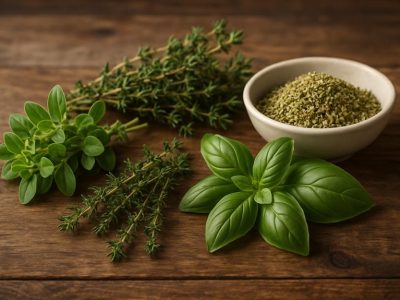
Your recipe’s coming together beautifully, but there it is—thyme, listed boldly in the ingredients. You rummage through your spice rack only to find an empty jar or none at all. Don’t let a missing herb derail your culinary masterpiece. The good news? There are plenty of flavorful substitutes that can step in and save the day.
Why You Might Need A Substitute For Thyme
Thyme is a versatile herb, but situations arise where you can’t use it. Running out during cooking or discovering it’s expired are common issues. If you’re allergic to thyme or dislike its flavor profile, finding an alternative becomes necessary.
Some recipes depend on thyme’s earthy and slightly minty taste. When making dishes like roasted chicken or vegetable soups, missing thyme might affect the final flavor balance if not replaced with a similar herb.
Dietary restrictions can also require substitutions. For example, some people prefer fresh herbs over dried ones for health reasons. In such cases, using other herbs like oregano or marjoram ensures your recipe stays flavorful without compromising dietary preferences.
Cultural cuisine variations often demand substitutes due to ingredient availability differences in certain regions. If you’re preparing Mediterranean dishes outside those areas, local replacements for thyme may be more practical than sourcing imported products.
In emergencies like unexpected guests or last-minute meal preparations, improvising with what’s available is crucial. Basil or parsley could save time while maintaining delicious results.
Best Herbs To Replace Thyme
When thyme is unavailable, several herbs can effectively mimic its earthy flavor profile. These options keep your dish flavorful and aromatic without compromising the intended taste.
Oregano
Oregano offers a similar pungent and slightly bitter taste as thyme. It’s especially suitable for Mediterranean dishes like pasta sauces or roasted vegetables. Use it in a 1:1 ratio to replace thyme in recipes where bold flavors are needed.
For example, adding oregano to a tomato-based stew enhances its depth, making up for the absence of thyme. Fresh oregano works well in marinades, while dried oregano blends seamlessly into soups or casseroles.
Marjoram
Marjoram provides a milder and sweeter alternative to thyme. Its delicate floral notes complement light dishes such as fish, poultry, or creamy sauces. Substitute marjoram at an equal quantity when replicating thyme’s flavor.
If you’re preparing chicken broth or sautéed zucchini, marjoram’s subtle aroma ensures balance without overpowering other ingredients. Opt for fresh marjoram if available for more vibrant results.
Rosemary
Rosemary delivers a stronger pine-like fragrance compared to thyme but shares its earthy undertones. This herb pairs excellently with hearty meats like lamb or beef and starchy sides such as potatoes.
Use half the amount of rosemary when substituting it for thyme due to its robustness. For instance, sprinkle minced rosemary on baked salmon instead of thyme for a sharper herbal kick that’s still harmonious with the dish.
Savory
Savory resembles thyme with its peppery yet slightly minty flavor profile. Both summer savory (milder) and winter savory (stronger) can act as substitutes depending on your recipe’s requirements.
Add savory in place of thyme in stuffing mixes or bean dishes where warmth and spice are essential components. For example, incorporating summer savory into lentil soup enriches the overall taste without overshadowing other spices used in the mix.
Non-Herbal Alternatives
Non-herbal substitutes can replicate thyme’s flavor profile using spice blends or combinations. These options are particularly useful when fresh or dried herbs aren’t available.
Thyme-Flavored Spice Blends
Spice blends replicating thyme’s flavor work well in recipes requiring its earthy and minty notes. A combination of ground cumin, paprika, and a pinch of lemon zest mimics thyme’s complexity. For example, use this mix in roasted vegetables to achieve a similar aromatic depth. If you’re cooking soups or stews, adding an equal mix of onion powder and garlic powder with this blend enhances savory dishes effectively.
Experimenting with ratios ensures the best match for your dish. Start with 1/2 teaspoon per tablespoon of thyme needed, adjusting based on taste preferences.
Italian Seasoning Mix
Italian seasoning is a convenient alternative containing dried thyme along with oregano, basil, rosemary, and marjoram. This pre-mixed blend complements pasta sauces, pizza toppings, or marinades seamlessly.
Replace 1 tablespoon of thyme with the same amount of Italian seasoning for balanced flavors in Mediterranean-style dishes. Check the label to confirm there’s no salt if your recipe already includes it heavily; otherwise, you may unintentionally over-season the dish.
Cooking Tips For Using Thyme Substitutes
Consider the flavor profile of your dish before choosing a thyme substitute. Dishes with earthy, savory notes like stews or roasted meats pair well with oregano or rosemary. For lighter dishes such as salads or seafood, marjoram’s subtle sweetness works better.
Adjust quantities based on the intensity of the herb you’re using. When replacing thyme with rosemary, use half the amount to avoid overpowering flavors. If substituting with Italian seasoning, match it in equal proportion but taste for salt levels since blends may include added sodium.
Combine multiple substitutes for complexity if thyme’s unique balance is crucial to your recipe. In soups, mix marjoram and parsley to replicate thyme’s mild earthiness while adding freshness. For baked dishes like stuffing, blending summer savory and sage can achieve a similar depth.
Incorporate fresh herbs strategically when dried ones are unavailable. Fresh basil adds brightness to Mediterranean sauces; but, its strong aroma means it shouldn’t be overused where subtler flavors are needed.
Experiment cautiously by introducing substitutes gradually into recipes that rely heavily on thyme’s role. Taste frequently during cooking to ensure the chosen herb aligns harmoniously with other ingredients without altering the intended outcome significantly.
When Not To Substitute Thyme
Substituting thyme isn’t always appropriate, particularly in dishes that rely on its distinct flavor. Certain recipes depend heavily on thyme’s unique earthy and minty taste to achieve their intended profile.
Classic French Cuisine
Thyme is a primary component in herbes de Provence and bouquet garni, essential in traditional French dishes like coq au vin or ratatouille. Using substitutes can alter the depth and authenticity of these recipes.
Hearty Meat Dishes
Roasts, stews, or braised meats often gain complexity from thyme’s robust aroma. Replacing it with milder herbs may fail to provide the same balance alongside rich ingredients like red wine or garlic.
Infused Oils and Marinades
Fresh thyme releases oils that impart intense flavor when steeped into olive oil or marinades for seafood or lamb. Substitutes might not replicate this precise infusion process.
Preservation Recipes
Pickling brines or cured meat rubs use thyme for its aromatic properties and preservative qualities. Altering ingredients could affect both flavor stability and shelf life.
Medicinal Uses
If you’re using thyme for herbal teas, remedies, or respiratory relief due to its thymol content (a natural antiseptic), alternatives won’t offer identical health benefits.
Avoid substitutions if maintaining authentic taste profiles is critical to a recipe’s success or if specific functional properties are necessary; instead, prioritize sourcing fresh or dried thyme directly where possible.
Conclusion
Finding yourself without thyme doesn’t have to derail your cooking plans. With a variety of substitutes available, you can still achieve flavorful and aromatic dishes by choosing the right alternative that suits your recipe. Whether it’s oregano, marjoram, or even a creative spice blend, there’s always an option to keep your meals delicious.
By considering flavor profiles and adjusting quantities thoughtfully, you’ll maintain balance in your dishes while experimenting with new combinations. While some recipes call for the distinct essence of thyme, being flexible ensures you’re always prepared to adapt without compromising taste.
To provide the best experiences, we use technologies like cookies to store and/or access device information. Consenting to these technologies will allow us to process data such as browsing behaviour or unique IDs on this site. Not consenting or withdrawing consent, may adversely affect certain features and functions.
Functional
Always active
The technical storage or access is strictly necessary for the legitimate purpose of enabling the use of a specific service explicitly requested by the subscriber or user, or for the sole purpose of carrying out the transmission of a communication over an electronic communications network.
Preferences
The technical storage or access is necessary for the legitimate purpose of storing preferences that are not requested by the subscriber or user.
Statistics
The technical storage or access that is used exclusively for statistical purposes.The technical storage or access that is used exclusively for anonymous statistical purposes. Without a subpoena, voluntary compliance on the part of your Internet Service Provider, or additional records from a third party, information stored or retrieved for this purpose alone cannot usually be used to identify you.
Marketing
The technical storage or access is required to create user profiles to send advertising, or to track the user on a website or across several websites for similar marketing purposes.