Best Substitute for Tarragon: Top Alternatives for Perfect Flavor in Any Dish
Picture crafting a dish, and the recipe calls for tarragon—that delicate herb with its subtle anise-like flavor. You reach into your spice rack, only to realize it’s missing. Panic sets in as you wonder if your culinary masterpiece is doomed. But don’t worry; there are plenty of flavorful substitutes that can save the day without compromising your dish’s essence.
What Is Tarragon?
Tarragon is a leafy green herb known for its aromatic flavor and culinary versatility. It belongs to the sunflower family (Asteraceae) and is scientifically classified as Artemisia dracunculus. Native to Eurasia, it’s especially prominent in French cuisine, where it enhances sauces like Béarnaise and adds depth to salads, poultry, and seafood dishes.
There are two main types of tarragon: French tarragon (Artemisia dracunculus var. sativa) and Russian tarragon (Artemisia dracunculoides). French tarragon has a more refined taste with hints of anise or licorice, while Russian tarragon is less flavorful but hardier.
Fresh tarragon leaves are narrow, glossy, and bright green. They’re typically used whole or chopped in recipes. Dried tarragon retains its distinct flavor but tends to be more concentrated; use sparingly when substituting fresh with dried.
This herb also offers mild medicinal properties due to compounds like estragole and coumarin. Historically, it’s been associated with digestion aid and appetite stimulation. While not every dish calls for it explicitly, its unique profile can elevate simple ingredients into complex flavors.
Why Look For A Substitute For Tarragon?
Tarragon may not always be available when you need it, even though its popularity in recipes. Its distinct anise-like flavor can be hard to replicate, but several factors often lead cooks to seek alternatives.
Accessibility Issues
Tarragon isn’t as common as other herbs like parsley or thyme. In smaller grocery stores or regions where French cuisine ingredients are less accessible, finding fresh or even dried tarragon can be challenging. When preparing a recipe that relies on this herb’s unique taste, it’s frustrating if it’s missing from your pantry.
Dietary Preferences and Allergies
Some people might dislike tarragon’s licorice-like undertones. Others could have sensitivities or allergies to components found in the herb. Substitutes allow for customization while maintaining the essence of a dish.
Seasonal Limitations
Fresh tarragon is typically harvested between late spring and early summer. Outside these months, availability dwindles, pushing reliance on dried forms or replacements with similar flavor profiles.
Cost Considerations
Fresh tarragon tends to be more expensive than common kitchen staples due to its limited supply chain. Dried versions last longer but lose intensity over time, making frequent purchases necessary for optimal flavoring.
By understanding these reasons—availability gaps, culinary preferences, seasonal constraints—you’ll see why knowing substitutes for tarragon enhances flexibility in cooking without compromising quality.
Best Substitutes For Tarragon
When tarragon is unavailable, you can still achieve balanced and aromatic flavors in your dishes by choosing the right substitutes. Several alternatives effectively replicate its unique profile.
Fresh Herbs As Alternatives
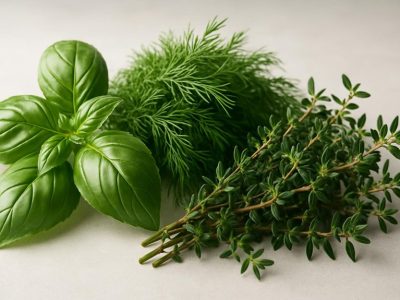
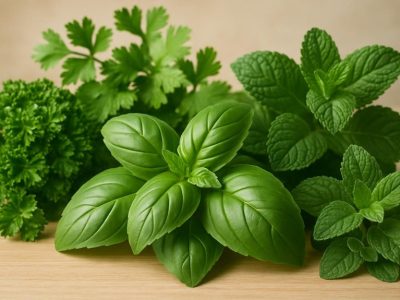
Fresh herbs often closely mimic the flavor of tarragon. Basil provides a sweet yet peppery taste; it pairs well with tomato-based sauces or salads. Fennel fronds, with their mild anise-like flavor, suit seafood dishes or soups. Use fresh fennel sparingly to prevent overpowering other ingredients.
Chervil, another excellent option, shares subtle licorice notes with tarragon and works perfectly in delicate recipes like omelets or vinaigrettes. In recipes where both freshness and aroma are critical, combining equal parts chervil and parsley can provide balance.
Dried Herbs For Replacement
Dried herbs offer concentrated flavors that complement various cuisines when fresh options aren’t available. Dried dill weed brings earthy undertones similar to tarragon but lacks sweetness; it’s great for marinades or creamy dressings.
Dried oregano, although more robust, adds depth to Mediterranean-inspired dishes like roasted vegetables or poultry rubs. If using oregano as a substitute, reduce the quantity to avoid overwhelming lighter recipes.
Another versatile choice is dried marjoram, which resembles mild citrus combined with herbaceous warmth—ideal for seasoning stews or casseroles requiring complexity without bitterness.
Spice Blends And Combos
Spice blends combine complementary flavors that emulate tarragon’s profile while enhancing overall dish appeal. Anise seeds replicate tarragon’s signature licorice note; crush them into fine powder before adding them to sauces or broths.
Italian seasoning blends work well in pasta-based meals due to their mix of basil, oregano, rosemary, and thyme—though less sweet than pure tarragon flavors. To customize intensity levels further within your recipe framework: pair Italian seasoning with fennel seed for enhanced authenticity!
Using Tarragon Substitutes In Recipes
Tarragon substitutes can seamlessly replace the herb in many recipes, preserving flavor complexity and culinary balance. Knowing how to use them ensures your dishes remain flavorful and satisfying.
Tips For Balancing Flavors
Start by understanding the substitute’s flavor profile. For example, fennel fronds mimic tarragon’s anise-like notes but have a milder sweetness. Adjust the quantity based on this difference—use slightly more if the substitute is weaker or less if it’s stronger.
Combine herbs for depth. Mixing basil with a pinch of anise seeds replicates tarragon’s unique aroma while adding layers to sauces or marinades. Taste as you go to avoid overpowering other ingredients.
Consider acidity and seasoning when using dried alternatives like marjoram or oregano, since they often pair well with lemon juice or white wine vinegar for brightness. This step enhances harmony in creamy dressings or soups.
Common Recipes That Use Tarragon Substitutes
Chicken dishes benefit from chervil’s delicate taste, which complements white meat without overshadowing it. Swap fresh tarragon for chervil in chicken salad recipes.
In béarnaise sauce, blend dried dill weed with a hint of parsley to maintain its herbal richness when fresh tarragon isn’t available.
Seafood pairs beautifully with fennel fronds due to their subtle licorice undertones; try them in salmon baked with olive oil and garlic.
For vinaigrettes, Italian seasoning offers complexity resembling tarragon’s warmth. Mix it into olive oil and mustard-based dressings over green salads for balanced aromatics.
Conclusion
When tarragon isn’t an option, knowing the right substitutes can save your recipe and keep your dishes flavorful. With a variety of fresh herbs, dried alternatives, and spice blends at your fingertips, you’ve got plenty of ways to preserve depth and aroma in your cooking.
By understanding each substitute’s unique qualities and adjusting them thoughtfully, you’ll ensure every meal remains satisfying and well-balanced. With these options in mind, missing tarragon no longer has to disrupt your kitchen creativity.

- Fbm Competitors - October 19, 2026
- When Is Best for Pregnancy Test - October 18, 2026
- Equitybee Competitors - October 17, 2026
by Ellie B, Site Owner / Publisher