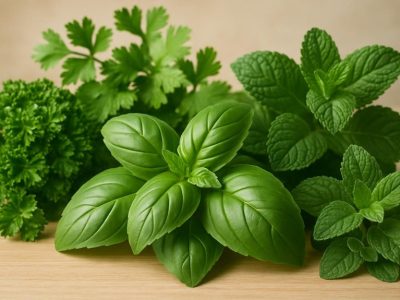
Running out of oregano in the middle of your culinary masterpiece can feel like losing the heartbeat of your dish. Its earthy aroma and subtle bitterness weave through recipes like a secret ingredient, transforming simple ingredients into something extraordinary.
But fear not—there are surprising allies in the herb world that can step in without disrupting your flavor harmony. Choosing the right substitute can be like finding a hidden gem—preserving your dish’s essence while unlocking new layers of taste.
Plus, some alternatives even add a fresh twist, turning your cooking into an unexpected adventure.
Why You Need an Oregano Substitute
Oregano is a popular herb used in many recipes, but sometimes you might need a substitute. The reason is simple—you might run out of it or want a different flavor. Oregano has a strong, earthy taste that can be slightly bitter and peppery. It adds a unique flavor to dishes like pizza, pasta, or salads.
If you don’t have oregano, you can use other herbs that are similar in taste or aroma. For example, thyme and marjoram are good options. Thyme has a slightly minty flavor, while marjoram is milder and sweeter. Both can mimic oregano’s flavor in most recipes. Basil or Italian seasoning also work, but they bring a different taste, so keep that in mind.
You also need to think about health benefits. Oregano is rich in antioxidants and has anti-inflammatory properties. If you replace it, you might miss out on those perks. So, when choosing a substitute, consider what flavor you want and if you want to keep some of the health benefits.
Some people warn against using too much sage or rosemary as substitutes. They have strong flavors that can overpower a dish. Also, if you are cooking for someone with allergies or sensitivities, check the herb’s ingredients first.
Here are a few simple steps to find the perfect oregano substitute:
Identify what flavor you want in your dish.
Choose an herb that matches that flavor—like thyme or marjoram.
Start with a small amount, taste, and add more if needed.
Remember that some herbs change the dish’s overall taste, so don’t overdo it.
In the end, using the right substitute depends on your taste and what you have available. Sometimes, experimenting can lead to a new favorite flavor. Just be careful not to overpower your dish with herbs that are too strong or different.
Would you like to learn about specific brands of Italian seasoning or how to grow herbs at home? Those can help you always have fresh options ready.
Key Flavor Traits of Oregano Substitutes
Oregano is a popular herb known for its warm, slightly bitter, and peppery flavor with a hint of mint. If you need to replace it, you should look for herbs that share these key traits. For example, herbs like marjoram, thyme, or basil can work, but each has its own flavor and strength. Marjoram is milder and sweeter, while thyme adds earthiness, and basil brings a fresh, sweet note. Sometimes, mixing herbs like marjoram and thyme can better mimic oregano’s complex taste.
When choosing a substitute, think about how you cook. If you simmer a sauce, you might want herbs that hold their flavor well. Roasting vegetables calls for herbs that stand up to heat. Remember, no single herb can perfectly match oregano’s full flavor. Using a blend of herbs can help fill in the gaps and give your dish depth.
Some people warn that substitutes may change the flavor of your dish slightly. For example, basil is sweeter and can make your dish more aromatic, but it might not have the same peppery bite. Always taste as you go and adjust accordingly.
In the end, understanding oregano’s flavor traits helps you select the best substitute. Whether you’re using it in a pizza sauce or grilled veggies, these tips can help you keep your meals tasty and vibrant without the original herb. Keep in mind, experimenting with herb blends can be fun and rewarding, but don’t expect perfect replacements every time.
Best Oregano Substitutes: An Overview
Oregano is a popular herb used in many dishes, but sometimes you run out of it. Knowing good substitutes helps keep your cooking on track. The best oregano substitutes are herbs that have similar flavors and health benefits.
Herbs like marjoram, thyme, and savory are great choices because they share aromatic qualities with oregano. For example, marjoram has a mild, sweet flavor that works well in Italian recipes. Thymes bring a slightly earthy taste, and savory adds a peppery note. When using dried herbs instead of fresh, remember that dried herbs are stronger. So, cut down the amount you add — a little goes a long way.
To get the most flavor from these substitutes, add them early in the cooking process. This helps their flavors mix into the dish fully. If you add them too late, their taste might not develop enough.
Some people worry about health benefits when swapping herbs. Oregano has antioxidants and anti-inflammatory properties, which are good for your body. Marjoram and thyme also have health benefits, so they’re good choices if you want to keep your meal healthy. But keep in mind, they won’t taste exactly the same as oregano.
There are a few downsides to substitutes. For example, marjoram is milder and might need a little extra to match oregano’s flavor. Also, some herbs like savory can be a bit stronger, so start with less and add more if needed.
Basil as an Oregano Substitute
Basil is a good substitute for oregano when you don’t have the real thing. Oregano is known for its earthy, bitter taste, but basil has a sweeter, slightly peppery flavor. This makes basil a useful replacement in many recipes, especially Italian and Mediterranean dishes.
If you want to use basil instead of oregano, here are simple steps. First, use about the same amount of basil as the recipe calls for oregano. For example, if a recipe asks for one teaspoon of oregano, use one teaspoon of chopped fresh basil or half a teaspoon of dried basil if fresh isn’t available. Second, add the basil early in cooking, so it can release its flavor. Third, taste the dish after adding basil, because it can change the flavor slightly.
Keep in mind that basil and oregano are not perfect match-ups. Basil is sweeter and less bitter, so it can change the taste of your dish. Some people prefer the strong, earthy flavor of oregano for pizza and pasta sauces. Others find basil’s flavor more delicate and fresh.
A warning is that basil’s flavor can fade if cooked too long. Also, fresh basil has a brighter taste than dried basil, so whenever possible, use fresh. But if you only have dried, use less since dried herbs are more concentrated.
Flavor Profile Comparison
Basil and oregano are both herbs from the mint family, but their flavors are quite different. Basil tastes sweeter, more peppery, and aromatic. Oregano, on the other hand, has a more earthy and pungent flavor with a slightly bitter note. Because of these differences, basil doesn’t perfectly replace oregano if you want the same zest. Still, basil can work well in dishes when oregano isn’t available, especially in Mediterranean recipes.
When you think about pairing herbs, basil goes well with tomatoes, garlic, and olive oil. These ingredients are also common with oregano in dishes like pasta and pizza. Basil adds a fresh brightness that oregano lacks, but it will change the overall flavor of the dish.
If you want to use basil instead of oregano, consider these tips: start with a small amount and taste before adding more. This way, your dish won’t become too sweet or overwhelming. Keep in mind that basil is milder and sweeter, so it’s best for dishes that need a fresh, aromatic touch.
Some people might prefer other substitutes like thyme or marjoram if they want a flavor closer to oregano. These herbs have a more similar earthiness but are less pungent. Remember, no herb can exactly mimic oregano’s boldness, so choose based on what flavor you prefer in your dish.
Best Culinary Uses
Basil is a herb that adds a sweet and aromatic flavor to dishes. It is best used in recipes where a fresh, bright taste is needed. For example, basil works well in Italian tomato sauces or Mediterranean salads. It is also good in herb mixes like Italian seasoning, giving a different but nice flavor compared to oregano.
Basil is more common in Italian and Thai foods. If you cook dishes that need oregano’s strong, earthy taste, basil might not be the best choice. It can feel out of place in those recipes.
To use basil as a substitute, add it carefully. It is best in dishes that are fresh or only lightly cooked. For instance, adding basil just before serving preserves its bright flavor. If you cook it too long, the flavor can fade.
Some people prefer basil in certain dishes and avoid it in others. For example, if you want a dish with a strong, bitter oregano taste, basil may not work. But if you want a dish with a sweet, fresh flavor, basil can be a good alternative.
Thyme as an Oregano Substitute
Thyme is a good substitute for oregano when you want a similar flavor in your dishes. It has an earthy taste with a hint of mint, which pairs well with many recipes, especially in Mediterranean and Italian cooking. For example, if you are making spaghetti sauce or grilled meats, thyme can replace oregano.
When using thyme instead of oregano, use about three-fourths of the amount called for. So if a recipe needs one teaspoon of oregano, try using about three-fourths of a teaspoon of thyme. This helps keep the flavor balanced so one doesn’t overpower the other.
Some people prefer thyme because it has a more subtle taste, while others find it less bold than oregano. Keep in mind that thyme is a little different and might change the flavor slightly. It works well in many dishes but might not be the best choice if you want that strong oregano flavor.
Flavor Profile Comparison
Thyme and oregano are both herbs used in cooking, but they have different flavors. Thyme is milder and less intense, while oregano is stronger and more pungent. Thyme tastes like a gentle earth with hints of mint and lemon, making it good for adding a subtle herbal touch. Oregano, on the other hand, has a sharper, peppery smell that can stand out more in dishes.
If you want a softer herb flavor, thyme is a good choice. It won’t overpower other ingredients, so it works well in soups, stews, or poultry. Oregano is better when you want a bold, punchy flavor, like in pizza or tomato sauces.
Some cooks like to swap thyme for oregano when they want a more gentle flavor, but it’s not perfect for every dish. Oregano’s strong taste can sometimes take over, especially if you use too much. Also, thyme and oregano are different in texture and aroma, so your dish may change a bit.
Culinary Uses and Pairings
Thyme is a herb with a mild, earthy flavor that tastes slightly minty. It is often used as a substitute for oregano because they share some similar uses in cooking. Thyme’s gentle taste works well in many dishes, especially when you want a subtle herb flavor.
When choosing thyme instead of oregano, think about the dish. Thyme pairs nicely with garlic and lemon, making it good for soups, roasted vegetables, and Mediterranean recipes. It also blends well with herbs like rosemary and basil, which help bring out its flavor without overpowering the dish.
Oregano has a bolder, peppery flavor that stands out more. If you want a dish with a punch of flavor, oregano might be better. But if you want a lighter, more balanced taste, thyme is a good choice. It helps keep the flavors smooth and fresh.
Some cooks find thyme useful because it can be added early in cooking without losing its flavor. However, thyme is not a perfect match for oregano in every dish. For example, in a pizza sauce or Greek salad, oregano’s strong punch is often needed. Using thyme might make the flavor less intense, which could be a problem for those dishes.
Substitution Ratios Guide
Thyme can be used as a substitute for oregano, but you need to adjust how much you use. Thyme has a different, earthier flavor that can change your dish. Here are some simple tips to help you swap thyme for oregano without ruining your recipe:
First, use three-fourths of a teaspoon of dried thyme for every teaspoon of dried oregano. If you’re using fresh thyme, double the amount—meaning one and a half teaspoons of fresh thyme equals one teaspoon of dried oregano.
Next, add thyme slowly and taste as you go. Thyme’s flavor is stronger than oregano’s and can easily overpower your dish if you add too much at once.
Finally, you can mix thyme with a little bit of marjoram or basil. These herbs help copy oregano’s complex flavor and make your dish taste more balanced.
Some people say thyme works well as a substitute, but it might not be perfect for every recipe. For example, if you’re making a pizza or Italian sauce, oregano has a unique flavor that thyme can’t fully replace. So, be aware of these limitations.
In the end, these simple ratios will help keep your dish tasty when you don’t have oregano. Just remember, experimenting is okay, but always taste as you go.
Marjoram: The Closest Oregano Substitute
Marjoram is a herb that is similar to oregano but has a milder flavor. It is often used as a substitute because it won’t overpower dishes like oregano can. Marjoram has a sweet, gentle taste that works well in recipes like roasted vegetables, soups, and sauces. If you want to replace oregano with marjoram, use the same amount. Just remember, because marjoram is softer and less pungent, your dish might taste a little less bold but still flavorful. Some cooks prefer marjoram for its subtlety and balanced taste. However, keep in mind that it may not give you the strong punch that oregano does, so it’s best when you want a gentle herb flavor. Using marjoram as a substitute can be a good idea if you want a more nuanced taste in your cooking.
Using Italian Seasoning as an Oregano Substitute
When you run out of oregano, Italian seasoning can be a good substitute. It’s a mix of herbs like basil, thyme, rosemary, marjoram, and oregano itself. This blend gives your dishes a flavorful boost, making up for the missing oregano.
Here’s why many cooks like to use Italian seasoning instead of oregano alone:
Flavor balance: The mix keeps the herbal taste of oregano but adds more depth. It makes your food taste richer and more complex, like adding a variety of spices in one scoop.
Aroma nuances: The different herbs in Italian seasoning make your dish smell inviting, not just oregano’s simple scent.
Versatility: It works great in many dishes such as pasta sauces, soups, and roasted vegetables. Imagine sprinkling it on pizza or stirring it into a marinara sauce—both are easy ways to use it.
Convenience: Instead of buying several herbs separately, you only need one jar. It saves time and space in your spice rack.
But, keep in mind, Italian seasoning is not a perfect match for oregano. If you want a very strong oregano flavor, using just Italian seasoning might make your dish taste a little different than expected. Also, some brands can have more herbs than others, so check the label if you want a specific flavor.
Some cooks say Italian seasoning is a quick fix, but others worry it can mask the true taste of oregano. So, if you love the pure herbal punch of oregano, you might prefer sticking with it or buying a small amount of fresh oregano instead.
In short, Italian seasoning can be a helpful substitute when oregano is missing. It gives a nice flavor and aroma, but remember it’s not exactly the same. Sometimes, a little experimentation is needed to find what tastes best in your favorite recipes.
Oregano Substitutes for Mediterranean Dishes
Oregano is a common herb in Mediterranean cooking, but sometimes you might not have it on hand. So, what is a good substitute? The best alternatives are herbs that give a similar earthy and slightly sweet flavor.
One simple choice is fresh thyme. It has a mild, earthy taste that works well in many dishes. Marjoram is another good option because it also has a sweet, herbal flavor similar to oregano. If you do not have fresh herbs, dried thyme can be used as a substitute too.
Another way to mimic oregano’s flavor is to mix basil and rosemary. This combo offers a complex taste that can replace oregano in many recipes. For example, if you’re making a tomato-based sauce or grilled vegetables, these herbs can help keep the authentic Mediterranean flavor.
Some cooks prefer to combine dried thyme with a pinch of sage. This blend can add depth to your dishes and maintain that traditional flavor profile. Just keep in mind that these substitutes might not taste exactly the same but can work well enough in most recipes.
If you want the most authentic flavor, it is worth experimenting with these herbs. However, be careful because too much of one herb can overpower your dish. Also, some herbs may change the dish’s flavor slightly, so start with small amounts and taste as you go.
Adjusting Quantities When Replacing Oregano
Choosing the right herb to replace oregano is just the first step. Knowing how much to use is equally important to avoid messing up your dish. When adjusting quantities, it’s key to compare the flavor strength of the substitute to oregano.
Here’s what I do:
First, figure out how strong the substitute herb is. Some herbs, like thyme or marjoram, are milder, while others, like thyme, are more intense. If the herb is stronger, use less. If it’s milder, use more.
Second, start with half the amount of oregano called for. For example, if the recipe needs one teaspoon of oregano, try using half a teaspoon first. Taste the dish after adding it.
Third, add more little by little. Keep tasting and adjust until the flavor matches what you want. Be careful not to add too much at once because it can overpower the dish.
Fourth, remember dried herbs are stronger than fresh ones. If you’re using fresh herbs like basil or parsley instead of dried oregano, cut back on the amounts. Usually, use three times more fresh herbs than dried.
Some folks say you can swap herbs freely, but others warn about flavor clashes. For example, if you replace oregano with rosemary, your dish might end up tasting very different because rosemary has a strong, piney flavor. So, pick your substitute carefully.
If you’re in a hurry or experimenting, these tips can help you get the flavor right. But keep in mind, some herbs are not perfect substitutes and might change the dish too much. Always taste as you go.
Storing and Using Fresh vs. Dried Oregano Substitutes
Fresh oregano is best for flavor because it tastes bright and lively. To keep it fresh, wrap the herbs in a damp paper towel and put them in a plastic bag in the fridge. This way, they stay good for about a week. Dried oregano, on the other hand, is easier to store. Keep it in a sealed container away from heat and light, and it can stay good for many months.
When cooking, add dried oregano early so its flavor can spread through the dish. Fresh oregano should be added near the end, so its bright taste stays vibrant. Some people say dried herbs are stronger, but fresh herbs give a fresher taste. Both have their place, but knowing when to use each makes your meals better.
Watch out — dried oregano can lose its flavor if stored poorly. Also, fresh herbs can spoil faster if not stored right. So, if you want the best taste, follow these tips carefully. Would you believe someone who says they keep fresh herbs for a month in the fridge? Probably not. That’s why proper storage matters.
To provide the best experiences, we use technologies like cookies to store and/or access device information. Consenting to these technologies will allow us to process data such as browsing behaviour or unique IDs on this site. Not consenting or withdrawing consent, may adversely affect certain features and functions.
Functional
Always active
The technical storage or access is strictly necessary for the legitimate purpose of enabling the use of a specific service explicitly requested by the subscriber or user, or for the sole purpose of carrying out the transmission of a communication over an electronic communications network.
Preferences
The technical storage or access is necessary for the legitimate purpose of storing preferences that are not requested by the subscriber or user.
Statistics
The technical storage or access that is used exclusively for statistical purposes.The technical storage or access that is used exclusively for anonymous statistical purposes. Without a subpoena, voluntary compliance on the part of your Internet Service Provider, or additional records from a third party, information stored or retrieved for this purpose alone cannot usually be used to identify you.
Marketing
The technical storage or access is required to create user profiles to send advertising, or to track the user on a website or across several websites for similar marketing purposes.