10 Best Substitute for Oregano: Flavorful Alternatives for Every Recipe
Your recipe calls for oregano, but your spice rack’s empty. Sound familiar? That tiny herb, with its bold earthy flavor and a hint of peppery zest, often feels irreplaceable. Yet, the culinary world is brimming with flavorful alternatives that can rescue your dish without missing a beat.
Why Look For A Substitute For Oregano?
Oregano might not always be within reach when cooking. Limited pantry supplies, dietary restrictions, or a personal preference for different flavors can create the need to explore alternatives. If you’re out of oregano, using a substitute ensures your recipe retains its intended depth and complexity.
Diverse cuisines often call for spices with overlapping profiles. Mediterranean dishes frequently feature oregano, but other herbs like thyme or marjoram can replicate its earthiness if necessary. Similarly, Mexican recipes use oregano for authenticity; but, cilantro or Mexican oregano may serve better depending on the dish’s profile.
Freshness also impacts flavor intensity. Dried oregano has a more concentrated taste compared to fresh leaves. When unavailable in either form, experimenting with substitutes offers an opportunity to improvise while maintaining balance in your dish.
Cultural influence shapes ingredient choices too. In Italian cuisine, basil complements tomato-based sauces where oregano is traditionally used. Exploring such variations allows you to adapt without losing harmony in flavors.
A substitute may even align better with health goals. For instance, some individuals avoid specific herbs due to allergies or sensitivities but find safer options like parsley that still contribute mild herbal nuances.
Best Substitutes For Oregano
When oregano isn’t available, several versatile herbs and blends can replicate its earthy, peppery flavor. Each option complements specific dishes, ensuring your recipe retains its intended taste.
Basil
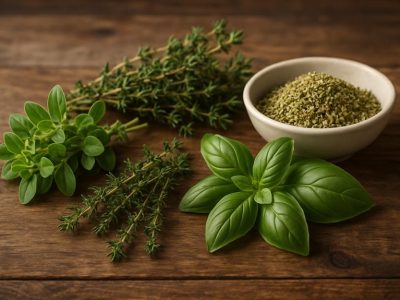
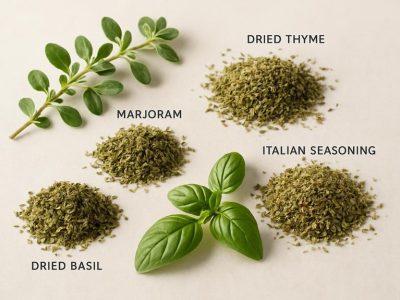
Basil provides a sweet yet slightly peppery profile that’s ideal for Italian dishes like pasta sauces or pizza toppings. It lacks oregano’s earthiness but adds freshness to tomato-based recipes. Use fresh basil leaves for garnishes or dried basil when cooking. Replace oregano with an equal amount of dried basil in soups or marinades for a balanced flavor.
Thyme
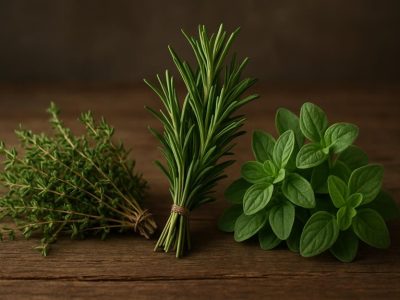
Thyme offers a subtler earthiness with slight floral undertones, making it suitable for Mediterranean dishes such as roasted vegetables or chicken. Dried thyme is potent; use half the quantity compared to oregano to avoid overpowering other flavors. Combine thyme with rosemary for seasoning meats or stews where depth is needed.
Marjoram
Marjoram closely mimics oregano’s mild spiciness but has a sweeter, more delicate aroma. It’s excellent for recipes requiring subtle herbal notes, like salad dressings or light broths. Substitute 1:1 in recipes calling for either fresh or dried oregano. Enhance marjoram by pairing it with parsley in Middle Eastern-inspired cuisine.
Italian Seasoning
Italian seasoning combines herbs like oregano, basil, rosemary, and thyme into one blend that suits various cuisines beyond Italian fare. Sprinkle it on grilled vegetables or mix into meatballs and lasagna fillings when you need convenience without compromising authenticity. Adjust salt levels since some blends include added sodium.
Fresh Vs. Dried Oregano Substitutes
Fresh and dried oregano differ in flavor intensity, texture, and application. Choosing the right substitute depends on whether your recipe calls for fresh or dried oregano.
Fresh Oregano Substitutes
- Basil: Sweet and slightly peppery, fresh basil works well in tomato-based sauces or Caprese salads. Use a 1:1 ratio for substitution.
- Marjoram: Closely resembles oregano’s mild spiciness with a hint of sweetness, making it ideal for Mediterranean dishes like roasted vegetables or soups. Replace in equal quantities.
- Cilantro: Offers a bright citrusy undertone suitable for Mexican dishes like tacos or salsas. Adjust the quantity to avoid overpowering flavors.
Dried Oregano Substitutes
- Italian Seasoning: A mix containing oregano, thyme, basil, and rosemary; perfect for pasta sauces or baked casseroles when convenience is key.
- Dried Thyme: Provides earthy subtleness that complements meat marinades and stews effectively; use half the amount as its flavor is stronger than oregano’s when dried.
- Dried Marjoram: Delivers similar herbal warmth without overwhelming other ingredients—great for seasoning bread doughs or stuffing mixtures.
Cooking Tips When Using Oregano Substitutes
- Balance flavors
Keep the overall flavor profile of your dish intact when using substitutes. For example, if replacing oregano with basil, its sweetness may alter the taste balance in savory recipes. Adjust other seasonings like salt or pepper to maintain harmony.
- Start small
Begin with a smaller quantity of the substitute herb and adjust gradually. Dried thyme or marjoram can be overpowering if used excessively, especially in soups or sauces.
- Match cuisines
Align the substitute with the cuisine you’re preparing. Use cilantro for Mexican dishes as it complements bold spices, while marjoram suits Mediterranean recipes due to its mild spiciness.
- Combine herbs
Combine multiple substitutes to mimic oregano’s complexity. A mix of thyme and parsley works well for roasted vegetables or tomato-based sauces.
- Consider texture and form
Use fresh herbs like basil or cilantro sparingly in cooked dishes since their delicate leaves wilt quickly under heat, unlike dried versions that infuse slowly over time.
- Experiment cautiously
Experimentation keeps your cooking creative but stay cautious with strong-flavored alternatives like rosemary; they might dominate subtle dishes such as marinades or dressings.
- Adjust cooking times
Add delicate fresh herbs at the end of cooking for maximum aroma while incorporating robust dried substitutes earlier so they release full flavors during simmering stages.
- Taste frequently
Conclusion
Running out of oregano doesn’t have to disrupt your cooking. With so many versatile substitutes available, you can easily find an herb that complements your dish while adding its own unique flair. Whether you’re using thyme, marjoram, basil, or a blend like Italian seasoning, there’s always a way to achieve the flavor balance you’re aiming for.
Experimenting with different herbs not only solves the problem but also enhances your creativity in the kitchen. By carefully considering flavor profiles and substitution ratios, you’ll ensure your recipes remain delicious and satisfying. Let each substitute inspire new culinary possibilities!

- Fbm Competitors - October 19, 2026
- When Is Best for Pregnancy Test - October 18, 2026
- Equitybee Competitors - October 17, 2026
by Ellie B, Site Owner / Publisher