Running out of tarragon can feel like losing a secret ingredient that transforms a dish into something extraordinary. Its delicate, licorice whisper adds a subtle magic that’s hard to replicate, yet a few herbs come surprisingly close—each offering their own twist on the flavor.
Choosing the right substitute depends on whether you want a gentle hint or a bold punch. Did you know that some herbs not only mimic tarragon’s taste but also bring an unexpected freshness that brightens your cooking?
Before you settle for a makeshift fix, explore these hidden gems that can turn your culinary improvisation into a flavorful masterpiece.
Best Tarragon Substitutes: Herbs That Mimic Its Flavor
Tarragon is a herb with a distinctive flavor that’s hard to totally copy. If you want a good substitute, there are a few herbs that come close in taste.
Fennel fronds or anise hyssop are great options because they give a mild licorice flavor similar to tarragon. They work well in sauces, salads, and cooked dishes. Have you ever used fennel in your cooking? It’s often used in Italian dishes, and it mimics tarragon’s taste nicely.
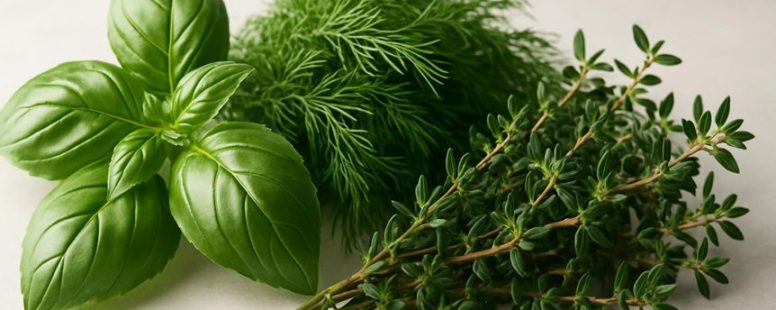
Basil, especially Thai basil, is another good choice. It adds a sweet and slightly spicy flavor that can replace tarragon in many recipes. Some people like to swap basil in for tarragon in chicken or vegetable dishes because it adds a fresh note.
Chervil is a lesser-known herb that offers a light, slightly anise-like flavor. It’s perfect in salads or light sauces. If you enjoy experimenting with herbs, chervil can give your dishes a taste close to tarragon without using the real thing.
Keep in mind, though, these substitutes aren’t exact matches. Fennel and anise hyssop are probably the closest, but they still have their own unique qualities. Basil and chervil work well in certain dishes but might change the overall flavor a bit.
If you want to try these herbs, start small. Add a little at a time and taste as you go. This way, you can find the best substitute for your recipe. Whether you’re making a salad, a sauce, or a main dish, these herbs can help you keep that flavor profile without needing tarragon.
Kitchen Spices You Can Use Instead of Tarragon
If you don’t have tarragon in your spice cabinet, don’t worry. There are other spices that can give your dish a similar flavor. Tarragon has a unique anise- or licorice-like taste, but some common spices can do the job too.
One good alternative is dill. It has a fresh, slightly grassy flavor that pairs well with chicken and fish. Another option is fennel seeds. They have a mild licorice taste that is close to tarragon’s, especially when crushed and added to recipes. Basil and oregano can also work, but they have a different taste, so use them carefully.
If you want a quick swap, try a mix of dried herbs like thyme and parsley. They won’t give the exact flavor but can add a similar herbal note to your dish.
Some people warn that using the wrong substitute may change the flavor too much or not give the same aroma. Others say it’s okay to experiment, especially if you don’t want to run to the store.
Anise Flavor Alternatives
Anise flavor is a sweet, aromatic taste often used in cooking and baking. If you don’t have tarragon, you can find other ingredients that give a similar flavor.
One good substitute is anise seeds. They have a mild licorice flavor that can replace tarragon in many recipes. Fennel fronds are another option because they also have a subtle licorice scent. You can chop fennel leaves and add them to salads or soups for a similar taste.
Star anise and licorice root are more intense but can work if used carefully. Star anise is a spice shaped like a star and is common in Asian dishes. Licorice root is a dried root that has a strong, sweet flavor. Use small amounts because they can overpower your dish.
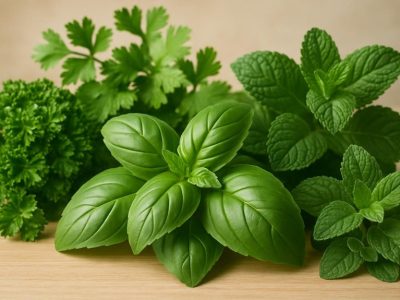
Caraway seeds are less like anise but still add a earthy, slightly sweet flavor that can work in some recipes. If you want a fresh, herbaceous note, dill weed, basil leaves, or mint leaves can brighten your dish even if they don’t taste exactly like anise. They add different but pleasant flavors.
Some people prefer to try different spices to keep their dishes flavorful, especially if tarragon is not available. Just remember, star anise and licorice root are very strong, so add them little by little. Fennel and anise seeds are milder and safer options.
In the end, experimenting with these ingredients can help you maintain a similar flavor profile. Think about what flavors you want and choose accordingly. For example, if you want a subtle licorice hint, anise seeds might be best. If you want a fresh, green note, try dill or basil.
Herbs With Similar Notes
Herbs with similar notes to tarragon are those that share a light sweetness and a hint of anise or licorice flavor. These herbs can be used as substitutes when you don’t have tarragon, or if you want to try different tastes in your cooking. Fennel fronds and dill are popular choices because they both have subtle licorice-like flavors that work well in many dishes. For example, fennel adds a sweet, slightly spicy flavor, while dill gives a fresh, tangy taste.
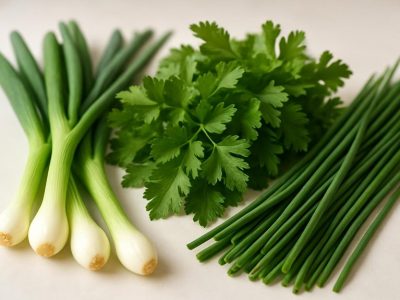
To use these herbs as tarragon substitutes, you can experiment by pairing fennel with parsley or dill with chives. These combinations can mimic tarragon’s aroma and flavor, helping you keep the original feeling of a recipe. For example, if a recipe calls for tarragon in a chicken salad, you might use chopped fennel fronds or dill instead.
It’s good to remember that while these herbs are similar, they are not exact replacements. Fennel and dill bring their own unique flavors. Sometimes, they may change the dish slightly. So, it’s best to start with small amounts and taste as you go.
Some cooks find that using these herbs gives a fresh twist to familiar dishes. Others warn that they might not perfectly match tarragon’s complex flavor. If you want a close match, fennel and dill are your best bets. If you’re open to experimenting, they can add interesting new flavors to your kitchen.
Common Culinary Spice Swaps
If you run out of tarragon while cooking, don’t worry. Some spices can work as good substitutes, even if they don’t taste exactly the same. Here are a few options that can help keep your dish flavorful:
First, fennel seeds are a solid choice. They have a mild licorice flavor similar to tarragon’s anise taste. For example, if you’re making a chicken salad, fennel can add that fresh, herbal touch. Just use a small amount so it doesn’t overpower your dish.
Next, dried dill can be a good replacement. It has a fresh, slightly tangy flavor. Imagine adding dill to a fish dish or a creamy sauce — it gives a bright finish. Keep in mind, dill has a distinct taste, so it works best in recipes where that flavor fits naturally.
Basil is another option. It adds a sweet, peppery flavor. Think about using basil in tomato sauces or salads. It won’t mimic tarragon exactly but can give a nice flavor boost. Be careful not to use too much, as basil can be overpowering if you’re not careful.
Lastly, thyme can work as well. It has earthy, slightly minty hints that can balance savory foods. For instance, thyme pairs well with roasted vegetables or meat dishes. Use it sparingly because it can dominate if you add too much.
Some people might prefer one substitute over another depending on what they’re cooking. For example, fennel works great in Mediterranean recipes, while dill is perfect for seafood. But remember, none of these spices are perfect matches for tarragon, so your dish might taste a little different. Experiment to see what works best for your taste buds.
Would you try these swaps? Or do you think it’s better to wait until you can get real tarragon? Either way, these options can help you keep your dishes tasty without missing a beat.
Why Tarragon’s Flavor Is So Hard to Copy
Tarragon’s flavor is hard to copy because it has a special taste that’s hard to imitate. It combines herbal notes with hints of anise, which is a flavor similar to licorice, along with a subtle sweetness and bitterness. This unique blend makes tarragon stand out.
One reason it’s tough to duplicate is that growing tarragon requires specific conditions. It needs well-drained soil and moderate weather. If these aren’t just right, the flavor can change. This is why even herbs that are related, like sage or basil, can’t match tarragon’s delicate taste.
Tarragon has been used for centuries, especially in French cooking. Chefs rely on its complex flavor for sauces and dressings. They expect a certain balance of sharpness and softness that few other herbs can give. If you try to replace it, you might get close, but it will never be quite the same.
Some brands sell tarragon flavor in bottles, but it’s not always accurate. You can try growing your own, but remember that the taste depends a lot on the soil and climate. If you want the real thing, fresh tarragon from a good herb garden will always give you the best flavor.
In the end, tarragon’s unique taste is like a rare jewel. It’s not just about copying the flavor but understanding how it’s grown and used in cooking. That’s why it’s so hard to perfectly replicate.
How to Choose the Right Tarragon Substitute for Your Dish
How to Pick the Best Tarragon Substitute for Your Dish
Tarragon is a unique herb with a sweet, anise-like flavor. If you don’t have tarragon, choosing the right substitute is key to keeping your dish tasty. Here are steps to help you find the best replacement:
Know the main flavor you need. Is it sweet, bitter, or spicy? For example, if your dish depends on tarragon’s sweet, licorice taste, look for herbs that share that quality.
Consider how strong the flavor should be. If tarragon’s flavor is subtle in your recipe, pick a milder herb. If it’s bold, choose something more intense.
Think about aroma. Do you want something fresh and herbal, or earthy? Fresh basil gives a different smell than dried marjoram.
Match how the herb works with other ingredients. If your dish has fish, a mild herb like basil might work better. If it’s a hearty stew, something stronger like fennel can fit.
For example, if your recipe relies on tarragon’s anise notes, fennel fronds or anise seeds are good options. If you want a gentle flavor, try basil or marjoram. Remember, no substitute will taste exactly like tarragon, so taste as you go and adjust.
Some people also use dill or cilantro, but these have very different flavors. Always think about what you want the herb to do in your dish before choosing.
Warning: Some substitutes can change the flavor too much. For example, basil is milder and sweeter, so it might not work in all recipes calling for tarragon. Also, dried herbs are stronger than fresh, so use less.
In conclusion, pick a substitute based on flavor, aroma, and how it matches your dish. Testing small amounts first can save your meal from being ruined. And remember, sometimes it’s better to wait and buy tarragon if you want the authentic taste.
Fresh vs. Dried Tarragon Substitutes: What You Need to Know
Fresh tarragon has a bright, slightly sweet flavor, while dried tarragon is more concentrated and sometimes a bit bitter. Knowing how these differ helps you pick the right substitute for your dish. For example, if a recipe calls for fresh tarragon, using dried instead might make the flavor too intense or different.
If you want to substitute dried tarragon for fresh, remember that dried is about one-third as strong. So, for every tablespoon of fresh tarragon, use about one teaspoon of dried. Adding too much dried tarragon can overpower the dish or make it taste bitter.
To use fresh tarragon, chop it finely and add it toward the end of cooking. Dried tarragon can be added earlier, as it takes longer to release its flavor. Both have a shelf life: fresh tarragon lasts only a few days in the fridge, while dried can sit in your pantry for up to a year if kept dry and sealed.
Some people prefer fresh because it gives a lighter taste, but dried tarragon is handy when fresh isn’t available. Keep in mind, dried tarragon may lose its flavor over time, so check the smell before using.
In the end, whether you choose fresh or dried tarragon, think about what your dish needs. Fresh adds brightness, but dried can be more convenient. Just remember the right quantity and how long each type keeps. This way, your cooking stays flavorful, no matter what you have in your spice cabinet.
Flavor Differences Explained
Fresh and dried tarragon taste different, even though they share some flavor notes. Knowing these differences helps you choose the right one for your dish. Fresh tarragon has a bright, licorice-like flavor that’s lively and slightly sweet. It’s like biting into a fresh herb from the garden. Dried tarragon, on the other hand, loses some of that brightness and becomes more earthy and bitter. It’s like tasting a more concentrated version but less fresh.
Here’s what I noticed:
Fresh tarragon has a crisp, light, almost sweet aroma. It makes dishes feel fresh.
Dried tarragon tastes deeper and more muted, with a hint of bitterness.
Using fresh herbs leaves a clean, bright finish in your food.
Dried herbs add more flavor but can lack the nuance of fresh.
Knowing these differences helps me pick the right tarragon depending on what I’m cooking. For example, if I want a fresh, bright flavor in a salad or light sauce, I pick fresh. If I need a strong, concentrated taste in a stew, dried might work better. But be careful—dried tarragon can sometimes taste too bitter if used in excess.
Some cooks say dried tarragon is a good substitute because it’s easier to store and lasts longer. Others warn that it’s not quite the same and can change the flavor of your dish. So, while dried tarragon is convenient, it may not give you that same fresh, bright taste you get from the fresh herb.
In the end, both have their place. Just remember that fresh tarragon is more vibrant. Dried tarragon is more intense but can be dull or bitter if not used carefully. Choosing the right one depends on what flavor you want and how you’re cooking.
Usage Tips For Substitutes
Fresh and dried tarragon have different flavors and strengths. To keep your dish tasting good, you need to use them carefully when swapping.
If you’re using fresh tarragon, add a little more because it is milder. For example, if a recipe calls for one teaspoon of dried tarragon, use about one and a half teaspoons of fresh. Fresh tarragon also works best when added near the end of cooking. This keeps its bright, fresh flavor from fading.
If you’re using dried tarragon instead of fresh, use less. Since dried herbs are stronger, start with about two-thirds of the fresh amount. Dried herbs need longer cooking time to release their full flavor, so add them earlier in the cooking process.
Some dishes need different amounts of tarragon. Light sauces might need only a small pinch, while hearty stews can handle more. Think about how strong you want the flavor to be and adjust accordingly.
There are two sides to this. Some cooks prefer fresh tarragon because it keeps its bright flavor longer, but it can be more expensive and harder to find. Others like dried because it lasts longer and is easier to store, but it might overpower if used too much.
Shelf Life Comparison
Fresh and dried tarragon substitutes do not last forever. Knowing how long they stay flavorful can help you avoid bland dishes. Fresh herbs like basil or dill usually stay good in the fridge for about a week if stored properly. Dried herbs, however, can keep their flavor for up to a year if kept in a cool, dark place.
Here are some simple tips to make your herbs last longer:
Wrap fresh herbs in a damp paper towel and put them in a sealed container.
Store dried herbs in airtight jars away from heat and sunlight.
Keep dried herbs dry to prevent mold.
Write the date on your herb jars so you know how old they are.
Some people say dried herbs are best used within six months, while others believe they can last up to a year without losing much flavor. But if dried herbs get exposed to heat or sunlight, they may lose their taste faster.
Fresh herbs can sometimes last longer if you change the water or store them in a cooler spot. Still, after about a week, their flavor starts to fade.
Using herbs within their recommended time helps your dishes taste better. But if you notice a loss of aroma or flavor, it’s time to replace them. Both fresh and dried herbs have their limits, so check before adding them to your recipes.
Do you really want bland food? Keep track of your herbs and store them properly. That way, you get the most flavor every time.
How to Adjust Tarragon Amounts When Using Substitutes
When you need to substitute tarragon in a recipe, it’s key to adjust the amount carefully. Tarragon has a unique flavor—slightly sweet, anise-like, and mildly peppery. Not all herbs match its taste or strength. For example, if you use fennel or basil, which can be stronger or milder, you’ll want to change the amount. I usually start with half the amount of a stronger herb to prevent overpowering the dish. If the herb is milder, like oregano, I add a little more. Tasting as you go helps make sure the flavor stays balanced. Remember, small adjustments make a big difference. Sometimes, a tiny bit too much of a substitute can change the whole dish. So, take your time and taste often when replacing tarragon.
Flavor Pairings That Work Well With Tarragon Substitutes
Tarragon substitutes work best when you adjust the amount and understand their flavor profiles. Since tarragon has a mildly sweet, anise-like taste, it’s helpful to pair substitutes with ingredients that enhance or complement this flavor.
For example, if you use fennel or dill as substitutes, try adding lemon zest for brightness. Garlic can add depth, while chives bring a mild onion note. Parsley helps bring freshness to the dish. These pairings balance the herbal sweetness and keep the dish tasting just right.
When replacing tarragon, aim to keep the flavors in harmony so the dish doesn’t lose its original character. Sometimes, a little extra lemon or garlic can make a big difference. It’s also good to remember that some substitutes, like fennel, are stronger than tarragon, so start with less and add more if needed.
Some cooks prefer dill because it’s similar in flavor, but it can be overpowering if used too much. Others might choose parsley for a milder touch. It’s a matter of understanding what each herb adds and adjusting based on your taste.
Keep in mind, trying to mimic tarragon perfectly is tough. Both dill and fennel can be good options, but they won’t taste exactly the same. Use your judgment and taste as you go. That way, you’ll get a delicious result that feels balanced and fresh.
Tips for Experimenting With Tarragon Alternatives in Your Cooking
Tarragon is a flavorful herb often used in cooking, but sometimes you need a good substitute. The best alternative depends on what you’re cooking and what flavor you want. For example, if you like the sweet, anise-like taste of tarragon, fennel or anise can work well. If you want a more subtle herbal flavor, basil or dill might be better choices.
When trying out substitutes, start with small amounts. Add a little, then taste and decide if you want more. This helps you avoid overpowering your dish. For example, if you’re making a chicken salad, add a pinch of fennel or basil, taste, and see if it feels right. Remember, tarragon has a unique taste that’s hard to copy exactly. So, combining herbs like fennel with a tiny bit of basil can help mimic that complexity.
It’s smart to take notes on what you use and how it tastes. This way, you can remember what worked best for different recipes. Keep experimenting by layering flavors or mixing herbs to find what fits best. For example, mixing fennel with a touch of basil can give you a flavor similar to tarragon without overwhelming the dish.
But be careful. Some substitutes may not work well in all recipes. For example, fennel has a strong flavor that might overpower delicate dishes. Also, different brands of herbs can taste different, so choose fresh or high-quality dried herbs when possible. Remember that no substitute can perfectly replace tarragon, but with patience, you can get close enough to make your meals tasty.
To provide the best experiences, we use technologies like cookies to store and/or access device information. Consenting to these technologies will allow us to process data such as browsing behaviour or unique IDs on this site. Not consenting or withdrawing consent, may adversely affect certain features and functions.
Functional
Always active
The technical storage or access is strictly necessary for the legitimate purpose of enabling the use of a specific service explicitly requested by the subscriber or user, or for the sole purpose of carrying out the transmission of a communication over an electronic communications network.
Preferences
The technical storage or access is necessary for the legitimate purpose of storing preferences that are not requested by the subscriber or user.
Statistics
The technical storage or access that is used exclusively for statistical purposes.The technical storage or access that is used exclusively for anonymous statistical purposes. Without a subpoena, voluntary compliance on the part of your Internet Service Provider, or additional records from a third party, information stored or retrieved for this purpose alone cannot usually be used to identify you.
Marketing
The technical storage or access is required to create user profiles to send advertising, or to track the user on a website or across several websites for similar marketing purposes.