Phormium Vs Libertia: Which Is Right For Your Garden?
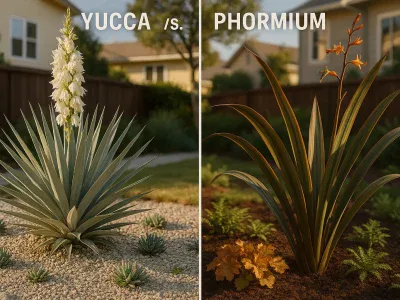
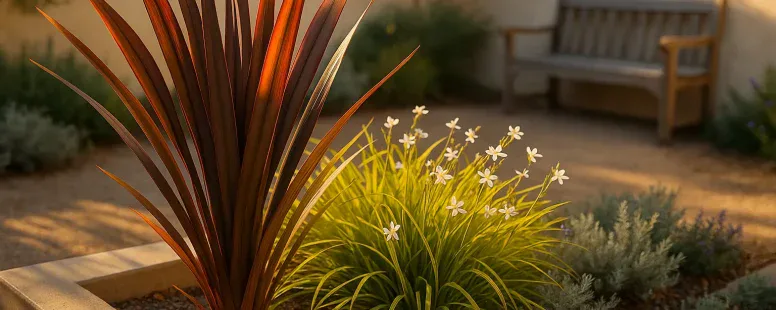
Phormium vs Libertia presents a clear choice: bold architectural drama or airy, grasslike grace. When you stand in front of a planting bed, the two genera offer contrasting silhouettes, Phormium’s sword-like leaves that cut a room of air versus Libertia’s narrow, arching blades and delicate star flowers. Both bring evergreen structure, long season interest, and low-maintenance appeal, but they suit different sites, styles, and aims. Read on to learn the practical differences, vivid design uses, and honest trade-offs so you can pick the plant that fits your climate, soil, and design intent.
What Are Phormium And Libertia?
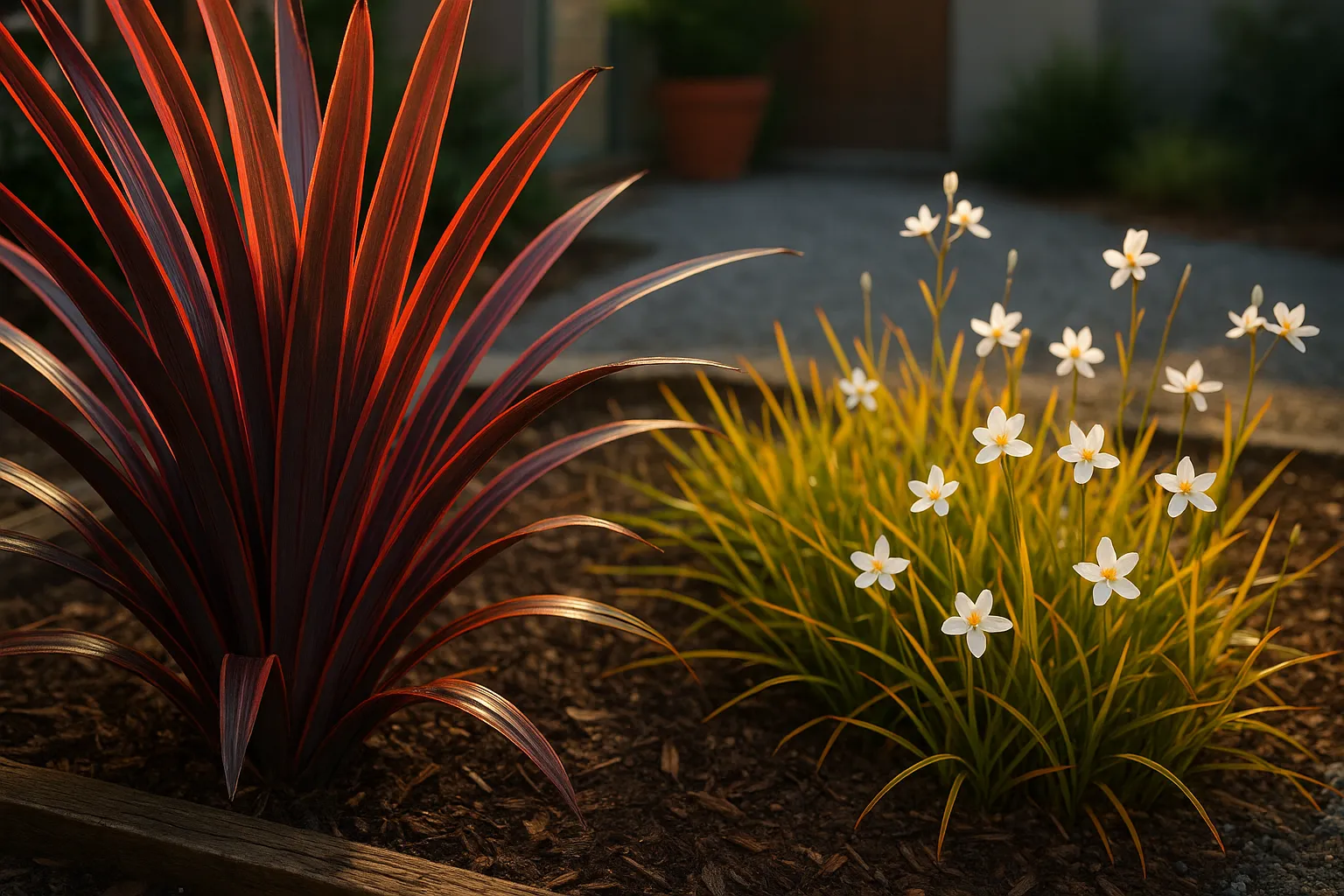
Fact: Phormium and Libertia are two distinct genera that serve different roles in the garden. Phormium (New Zealand flax) are evergreen, clump-forming perennials in the family Asphodelaceae with dramatic, straplike leaves. Libertia are evergreen, rhizomatous perennials in the iris family (Iridaceae) with fine, grasslike foliage and delicate white flowers.
Origins And Key Species
Phormium originates from New Zealand. Key species include Phormium tenax and Phormium cookianum: both were central to Māori culture for fiber and weaving. Libertia originates from New Zealand, South America, and nearby islands. The most common garden species is Libertia peregrinans and Libertia ixioides. The Royal Horticultural Society and the USDA both list Phormium and Libertia with clear hardiness ranges, Phormium generally suits USDA zones 8–11, while many Libertia tolerate zones 7–10 depending on the species.
Typical Varieties And Cultivars To Know
Phormium offers colorful cultivars: ‘Yellow Wave’ (gold leaves), ‘Platt’s Black’ (near-black foliage), and ‘Jester’ (red-striped). Libertia cultivars include Libertia peregrinans ‘Gold Finger’ (gold-toned leaves) and Libertia ixioides ‘Taupo Blaze’ (slightly broader foliage). When you choose, note named cultivars often change cold tolerance and leaf color. I once planted a Phormium ‘Jester’ in a small courtyard and failed to protect it from an unexpected late frost: the leaves blackened but the crown recovered, lesson learned: some Phormium take hits but regrow slowly.
Key Differences At A Glance
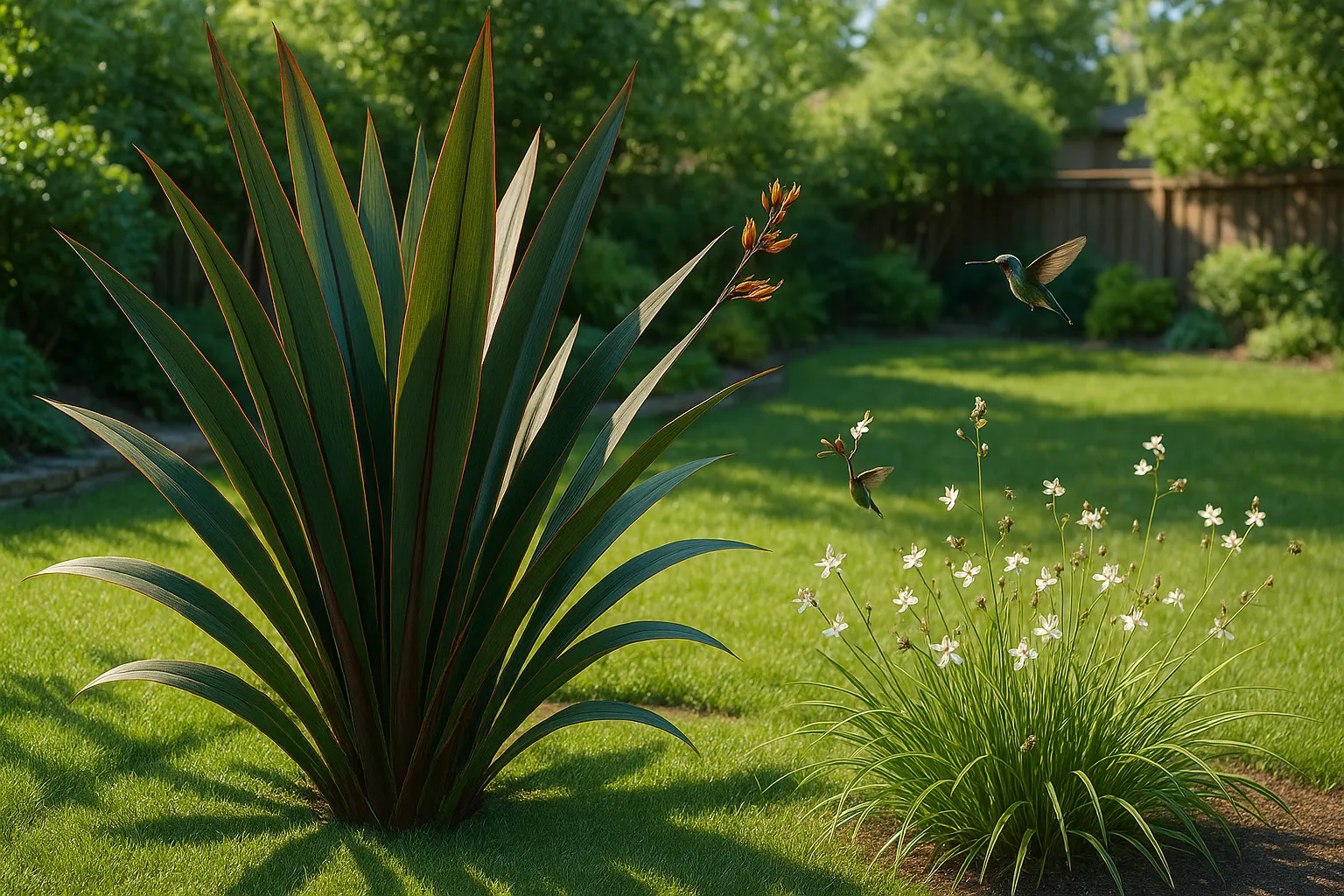
Fact: The most obvious differences are leaf form, flower show, and overall scale, Phormium is bold, Libertia is refined.
Foliage, Form, And Texture
Phormium has wide, swordlike leaves that rise in fan-shaped clumps. The texture reads coarse at close range: you will notice its boldness across a lawn. Libertia has narrow, linear leaves that arch softly and create a fine, grassy texture. Use Phormium when you need an architectural pillar: use Libertia when you want a soft edge or movement in breeze.
Flowers, Seasonal Interest, And Blooming Time
Phormium produces tall flower spikes with tubular flowers that hummingbirds and bees may visit: blooms appear sporadically, often in spring and summer. Libertia produces panicles of white, star-shaped flowers in late spring to early summer: the display is airy and extends interest without heavy weight. Libertia’s seed pods and lingering flower stems add winter structure in mild climates.
Size, Growth Rate, And Lifespan
Phormium can grow 3–6 feet tall and wide (some cultivars smaller). Growth rate is medium: crowns can persist for a decade or more if healthy. Libertia usually ranges 1–3 feet tall and spreads by rhizome to form colonies: it often establishes faster and can outfill a border in 2–3 seasons. If you want a long-lived focal plant, Phormium gives longevity and stature. If you want quick groundcover or slope control, Libertia spreads and fills faster, but crowns may need renewing after many years.
Growing Requirements And Hardiness
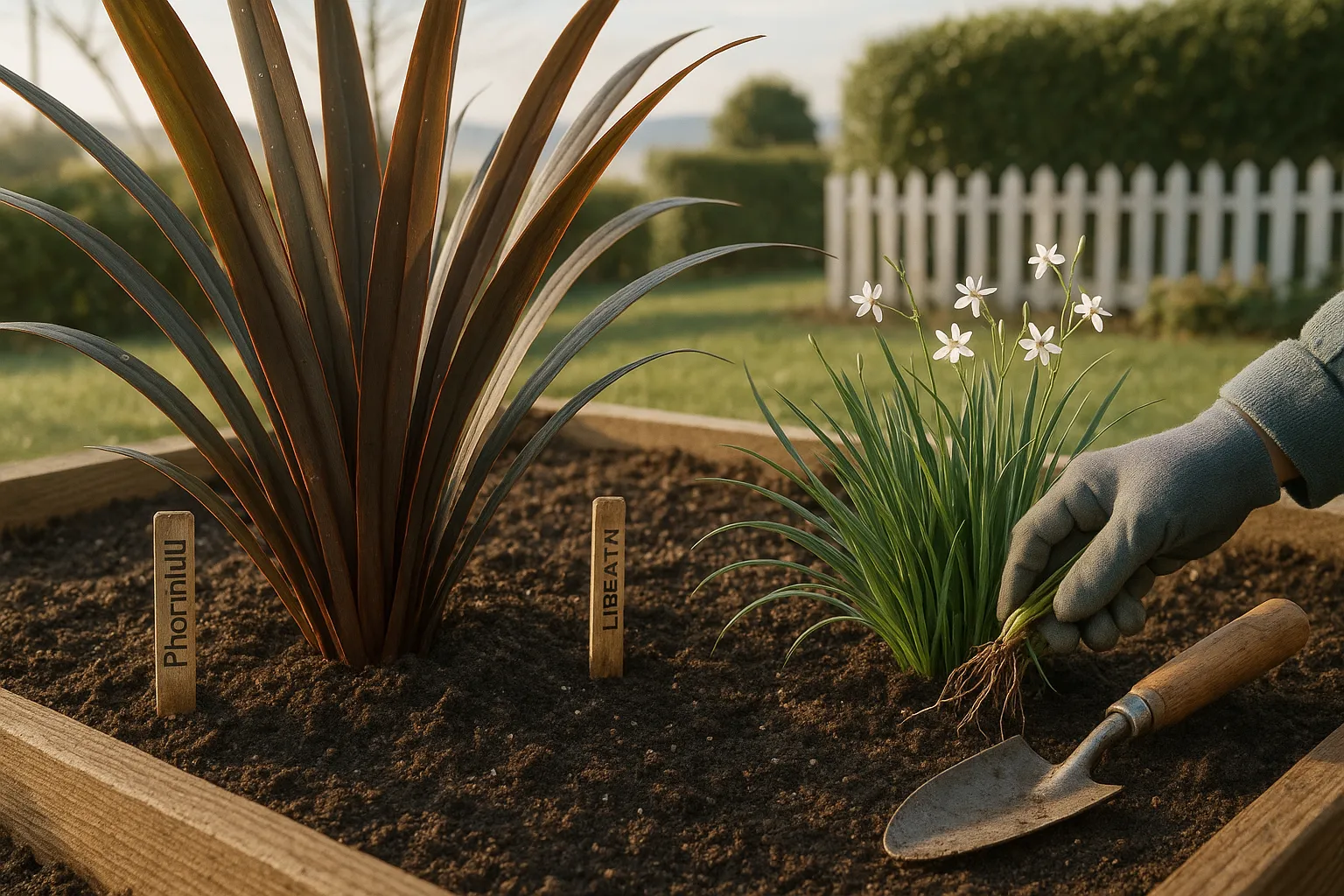
Fact: Both plants prefer well-drained soil, but their tolerance to drought, cold, and salt varies.
Soil, Drainage, And pH Preferences
Phormium prefers fertile, well-drained soil with average moisture: it tolerates a range of pH from slightly acidic to neutral. Libertia prefers well-drained, humus-rich soil and tolerates slightly acidic to neutral pH as well. Both suffer in waterlogged soils: poor drainage invites crown rot. If your soil is heavy clay, raise the bed or add grit and compost. A neighbor once planted Libertia into compacted clay without amendment: many shoots died back until they added grit and compost, soil matters.
Light, Water Needs, And Drought Tolerance
Phormium performs in full sun to part shade: brighter leaf colors deepen in sun. It tolerates moderate drought once established but appreciates regular water in hot summer. Libertia tolerates full sun to light shade: it is more tolerant of cooler, damper conditions and often handles light shade better than Phormium. Libertia can tolerate dry spells but prefers consistent moisture during establishment.
Climate Zones, Cold Tolerance, And Wind/Coastal Performance
Phormium suits mild maritime climates and coastal sites well: many cultivars tolerate salt spray. Cold hardiness varies, some Phormium are hardy to USDA zone 8, others less. Libertia species can be hardy to zone 7 and handle cooler inland climates better than many Phormium. Both cope with wind: Phormium’s stiff leaves resist wind damage, while Libertia’s low profile reduces wind stress on its foliage.
Propagation And Establishment Tips
Phormium propagates by division of the crown or by seed for breeding work: divide in spring to avoid root shock. Libertia spreads by rhizome: you divide clumps in spring or autumn and can propagate from seed though seedlings vary. When you plant either, add organic matter, set crowns slightly high in garden beds to improve drainage, and water well for the first season. A common mistake is planting crowns too deep, this can invite rot and slows establishment.
Landscape Uses And Design Ideas
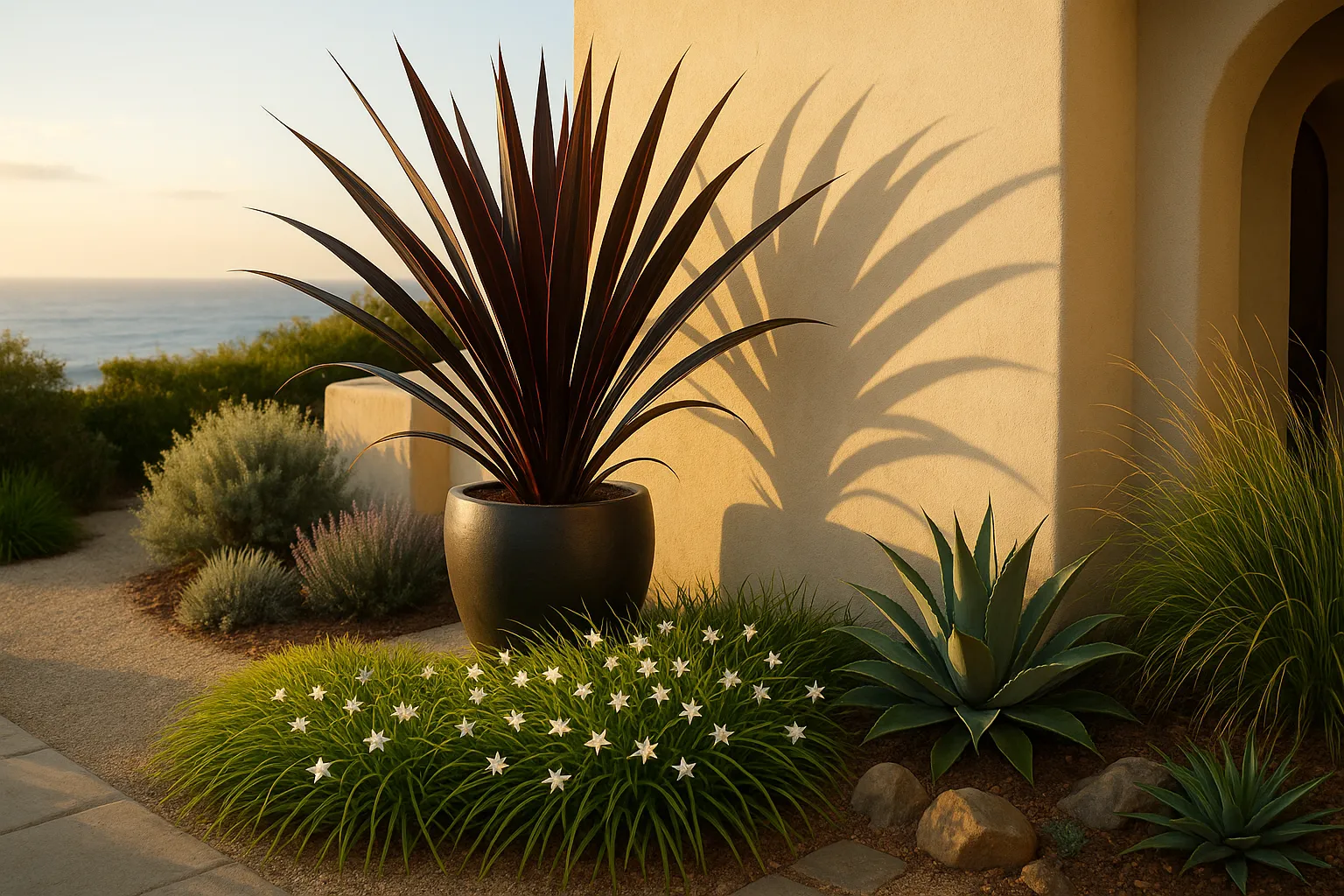
Fact: Phormium reads as architectural punctuation: Libertia reads as a soft textural filler.
Architectural Focal Points And Structural Planting
Use Phormium as a focal point near entries, courtyards, or beside patios where the upright form frames views. Consider grouping Phormium of different colors for dramatic contrast against pale walls. Pair Phormium with succulents like Agave or standard grasses like Miscanthus for contrast in leaf width and texture.
Mass Planting, Borders, And Groundcover Roles
Use Libertia for mass planting along beds, under small trees, or on slopes. Its rhizomatous habit stabilizes soil and forms a carpet of foliage and white flowers. Combine Libertia with Lavandula or low-growing Hebe for Mediterranean-style borders. When you plant Libertia en masse, it muffles foot traffic noise and creates moving texture in the breeze.
Containers, Rock Gardens, And Coastal Schemes
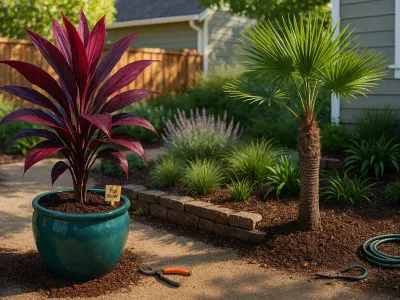
Phormium works well in large containers as a single specimen or thriller plant: choose a cultivar that fits container size. Libertia fares well in containers too, and in rock gardens where its finer texture complements stone. Both perform well in coastal schemes, Phormium withstands salt spray and strong winds, Libertia tolerates salt and cooler maritime conditions: mix them with Artemisia or Echium for coastal palettes.
Maintenance, Pests, And Problems
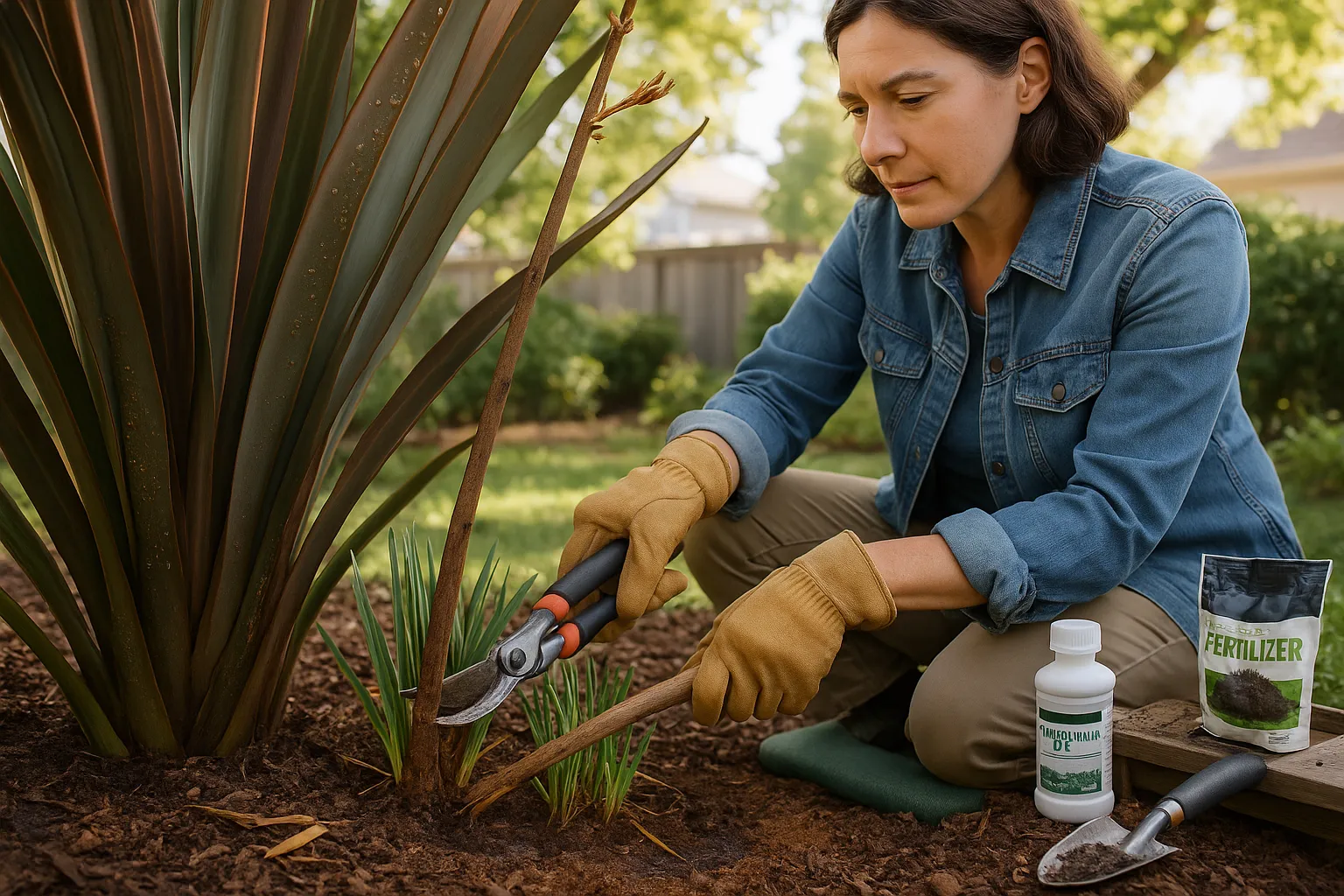
Fact: Maintenance is low but targeted care prevents decline, watch drainage, crown health, and pests.
Pruning, Division, And Seasonal Care
You should remove damaged leaves from Phormium to keep the crown tidy: cut old flower stalks at the base. Divide Phormium every 5–10 years if the center dies back. Libertia benefits from trimming the foliage to the ground every few years to renew growth and remove old stems. Light mulching helps retain moisture, but avoid heavy, wet mulch that sits against crowns.
Common Pests, Diseases, And Stress Symptoms
Phormium can suffer from scale insects, mealybugs, and Phormium rust in some regions: scale shows as sticky honeydew and sooty mold. Libertia is generally pest-resistant but can show crown rot in poorly drained soils and occasional slug damage to new shoots. Both genera show yellowing leaves when overwatered or under-supplied with nutrients. Be honest: I once skipped feeding Libertia for two seasons and it greened up slowly: fertilizer matters in lean soils. Use an imidacloprid or horticultural oil for severe scale (follow local guidelines), and improve drainage to combat rot.
How To Choose: Practical Decision Guide
Fact: Match plant choice to site, scale, and purpose, Phormium for bold structure, Libertia for texture and spread.
Choosing By Site Conditions And Purpose
If your site is windy, coastal, or needs a strong focal point near an entry, choose Phormium. If you need erosion control, a low maintenance filler, or underplanting beneath small trees, choose Libertia. For colder inland gardens that see brief frosts, Libertia often survives where Phormium struggles.
Choosing By Aesthetic Goals And Garden Style
For modern, minimalist, or contemporary gardens, Phormium’s sculptural leaves pair well with concrete and gravel. For cottage, Mediterranean, or informal mixed borders, Libertia adds delicate white flowers and soft movement. If you want color contrast, pick a colorful Phormium cultivar: if you want an understated, long-flowering understory, pick Libertia.
Quick Planting And Care Checklist (At-A-Glance)
- Site: full sun to part shade for both: adjust by cultivar.
- Soil: well-drained, amend heavy clay with grit and compost.
- Water: regular for first season: Phormium tolerates dryer summer once established, Libertia prefers steadier moisture.
- Hardiness: Libertia generally tougher in cool zones: Phormium better in mild maritime climates.
- Maintenance: remove dead leaves, divide every few years, and avoid sitting water at crowns.
- Propagation: divide crowns (Phormium) or rhizomes (Libertia) in spring.
If you’re still unsure, try both in small test beds and observe performance for a year, microclimates matter and your garden will tell you which plant thrives. Try mixing them too: Phormium gives the backbone: Libertia softens the base. That combination often wins.

- WxWidgets Alternatives for Cross-Platform GUI Development - October 22, 2026
- Best Tpu - October 21, 2026
- Mikrotik Product Comparison - October 20, 2026
by Ellie B, Site Owner / Publisher