Weigela Vs. Kolkwitzia: Which Shrub Is Right For Your Garden?
You can get big spring drama with either Weigela or Kolkwitzia, but they bring different kinds of charm to your yard. One offers bold, trumpet-like flowers that scream for hummingbirds: the other sends out soft, bell-shaped blooms that smell faintly sweet and melt into a cottage-garden scene. Both shrubs reward you with seasonal interest and relatively low fuss, yet they ask for slightly different sites, pruning routines, and patience. Read on to see the clear, practical differences so you choose the shrub that suits your soil, sun, and schedule.
Quick Comparison At A Glance
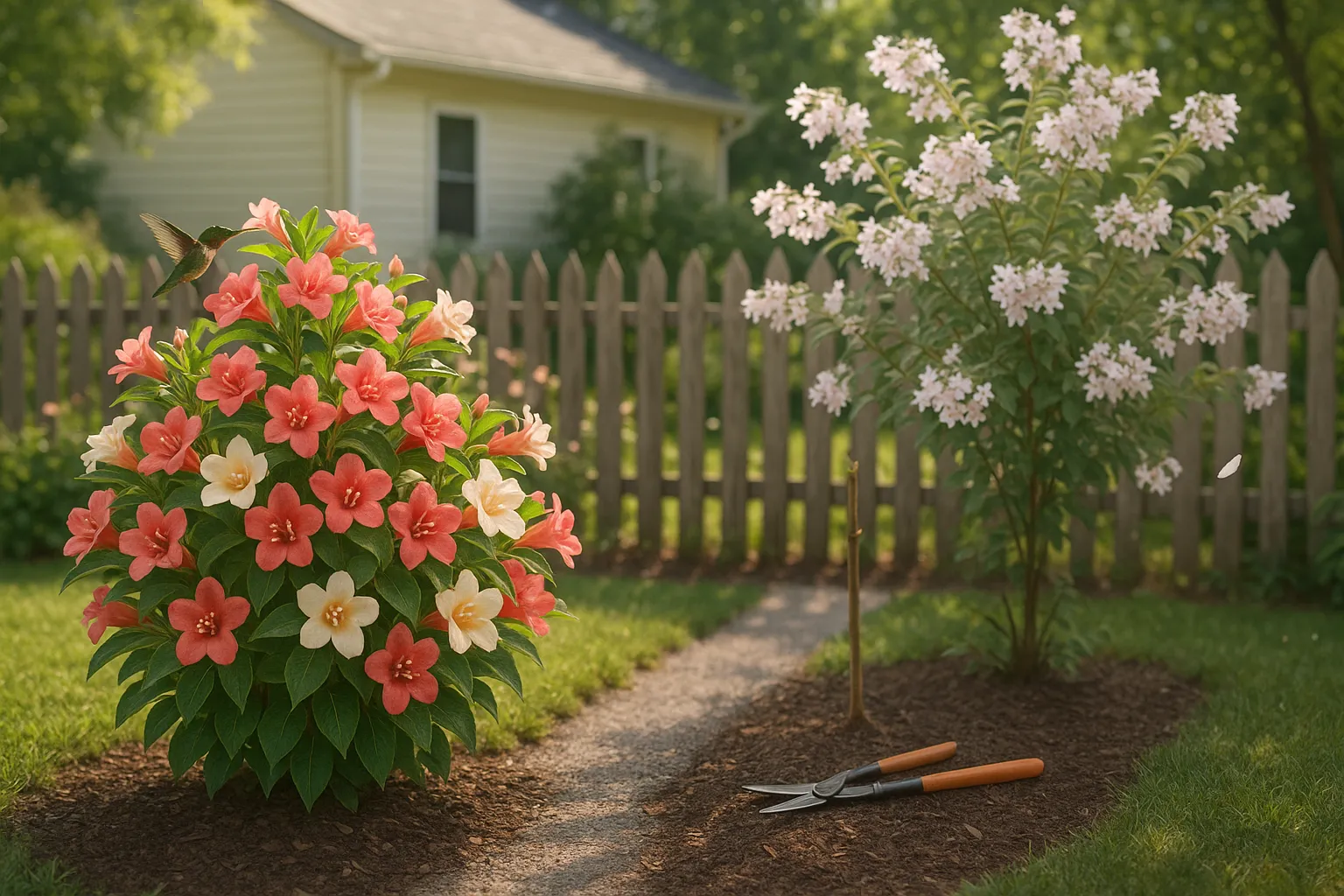
Fact: Weigela grows faster and flowers more profusely, while Kolkwitzia offers softer texture and a sweeter scent.
- Appearance: Weigela usually has larger, trumpet-shaped flowers in shades of pink, red, or white. Kolkwitzia (commonly called beauty bush) has smaller, bell-shaped pink flowers with a delicate fragrance.
- Size: Most Weigela cultivars reach 3–8 feet: Kolkwitzia typically matures at 6–10 feet with a more open habit.
- Hardiness: Both tolerate USDA zones roughly 4–8, though specific cultivars vary.
- Care: Weigela tolerates a wider range of soils and benefits from regular pruning to encourage rebloom: Kolkwitzia likes well-drained soil and needs thinning rather than hard cutting.
- Best use: Choose Weigela for hummingbird attraction and mass color: choose Kolkwitzia for airy texture and scented borders.
This quick snapshot helps you match the plant to your goal. If you want bold color and wildlife, lean Weigela. If you want soft form and old-fashioned scent, lean Kolkwitzia.
Botanical Background And Native Ranges
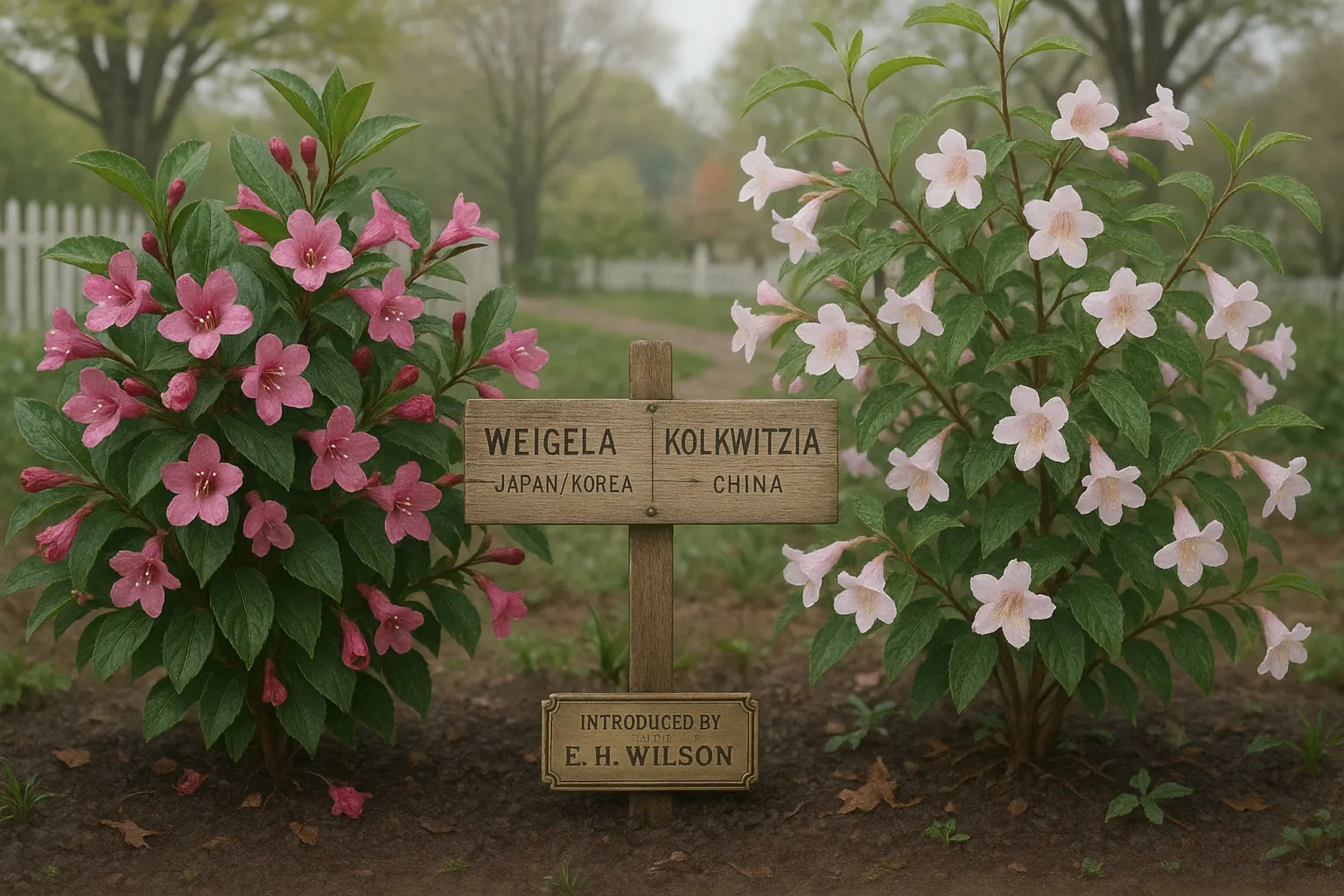
Fact: Weigela is native to East Asia: Kolkwitzia is native to China.
Weigela (genus Weigela, family Caprifoliaceae) originated in Japan, Korea, and parts of China. Hybridization in the 19th and 20th centuries created many cultivars you see in garden centers. Kolkwitzia amabilis, the single species in its genus, comes from western China and entered western gardens in the late 1800s: plant explorers like Ernest Wilson helped introduce it to Europe and North America.
Both genera adapted to temperate climates. The Royal Horticultural Society and USDA list several cultivars that perform well in cool to warm temperate zones. These shrubs became garden staples because they tolerated a variety of soils and flowered reliably after cold winters.
Key Differences In Appearance
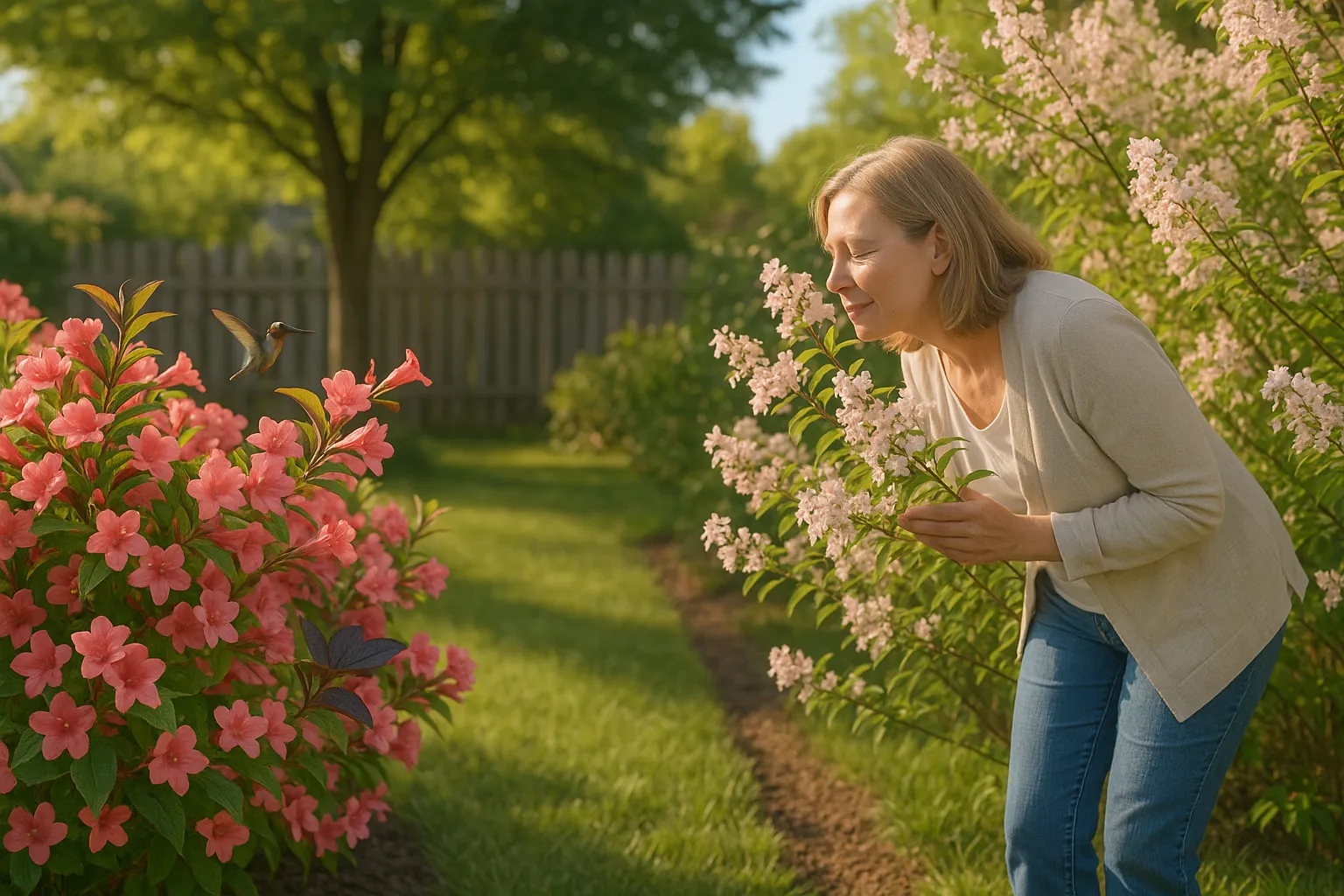
Fact: Flower form and foliage texture give the easiest visual clues between the two shrubs.
Flowering, Fragrance, And Seasonal Interest
Weigela produces large, tubular flowers that bloom in late spring and often rebloom lightly in summer. Hummingbirds prefer Weigela because its flower shape fits their feeding style. Kolkwitzia flowers in mid to late spring in clusters: they give a soft perfume you notice when you step close. You will see a concentrated display on Kolkwitzia: Weigela can offer a longer season with repeat flushes.
Foliage, Size, And Growth Habit
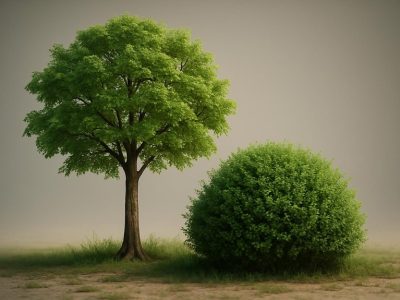
Weigela leaves tend to be ovate and can vary from green to bronze depending on cultivar. Some newer varieties (for example, ‘Midnight Wine’ or ‘Variegata’) add color interest with purple foliage or white margins. Kolkwitzia has thin, ovate leaves that age to a fine, open texture and give the shrub its airy look. Weigela usually forms a mounded shrub: Kolkwitzia spreads and can become a loose, multi-stemmed forming screen.
Growth Rate, Lifespan, And Mature Dimensions
Weigela grows moderately fast and reaches mature size in 3–6 years: expect 3–8 feet. Kolkwitzia grows at a similar pace but often ends taller and wider, six to ten feet, if left unpruned. Lifespan for both is decades with proper care: but Kolkwitzia can become woody and sparse without occasional rejuvenation.
Growing Conditions And Care Needs
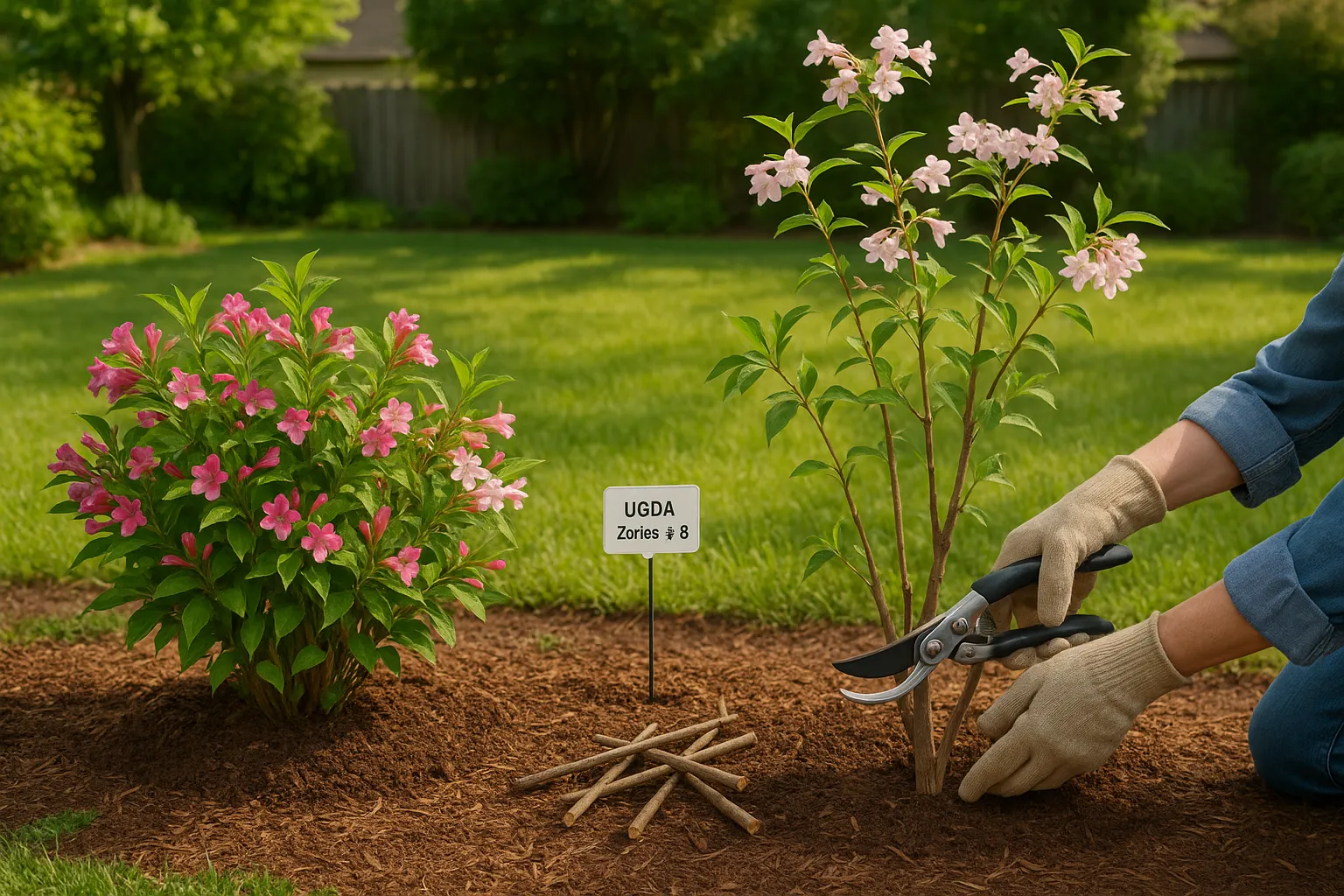
Fact: Both shrubs prefer full sun for best flowering but tolerate partial shade: soil drainage matters most.
Soil, Light, And Climate Tolerance
Plant Weigela and Kolkwitzia in full sun for maximum flowers. You can place them in light afternoon shade in warmer climates to protect foliage. Both do best in well-drained loam: Kolkwitzia dislikes heavy, waterlogged soil more than many Weigela cultivars do. Check USDA hardiness ratings for specific cultivars: many Weigela and Kolkwitzia types survive zone 4 through 8.
Watering, Feeding, And Mulching Guidelines
Water new plants regularly for the first season so roots establish. After that, both shrubs tolerate moderate drought, but Weigela rewards consistent moisture with better rebloom. Feed in early spring with a balanced slow-release fertilizer or a compost top-dress. Add 2–3 inches of organic mulch to conserve moisture and reduce weeds: keep mulch off the main stems to prevent rot.
Pruning: Timing And Techniques For Best Bloom
Prune Weigela immediately after flowering. Fact: Weigela blooms on previous season’s wood, so late pruning removes next year’s flower buds. Remove 20–30% of the oldest stems at soil level to stimulate new growth and keep plants compact.
Prune Kolkwitzia by thinning older, woody stems in late winter or early spring before new growth starts. Avoid heavy pruning into old wood because Kolkwitzia forms few new basal shoots: instead, remove a few old canes each year to maintain openness. A common mistake gardeners make is cutting Kolkwitzia hard in fall, this reduces the next spring’s bloom, and it can stress the shrub.
Common Pests, Diseases, And Troubleshooting
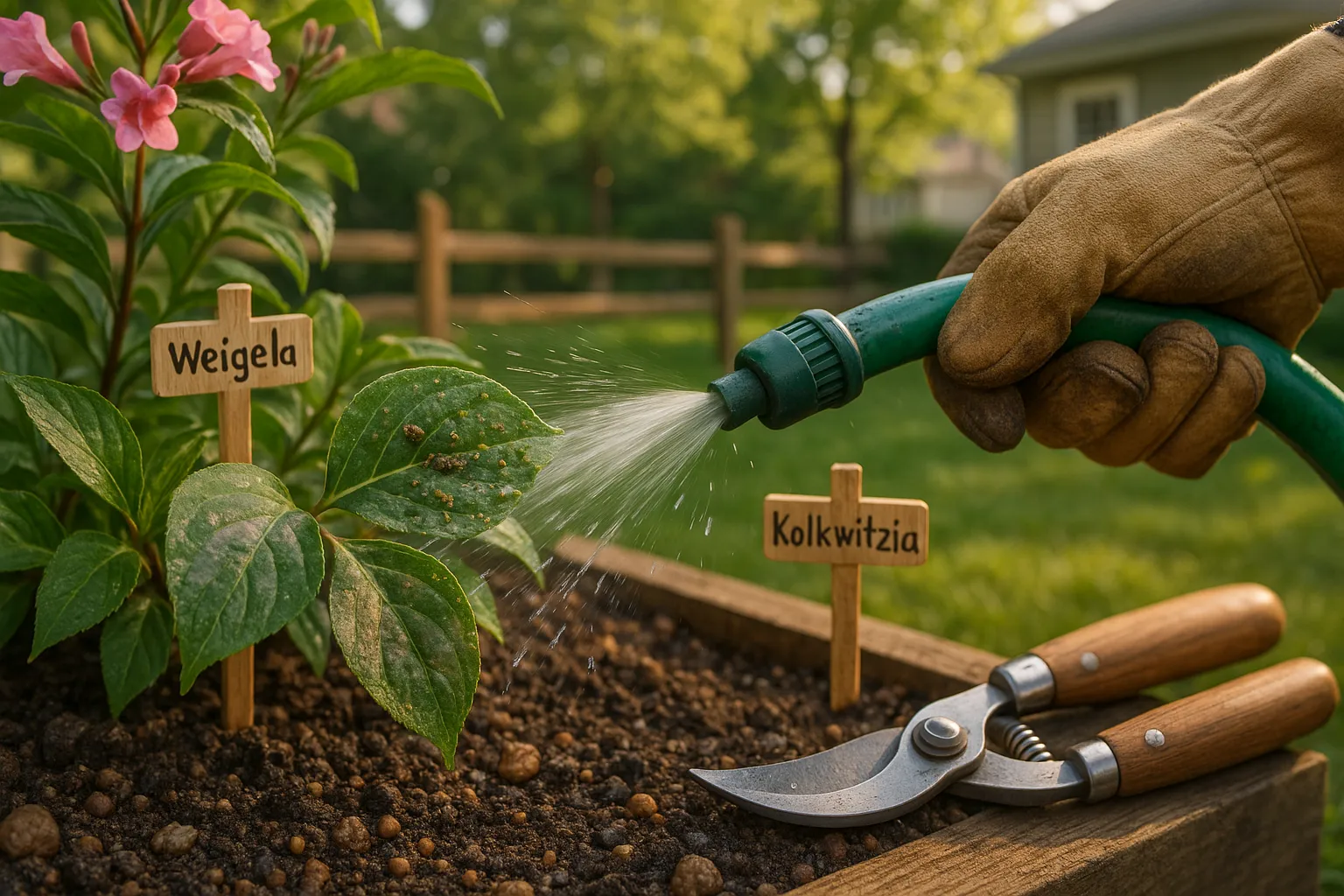
Fact: Both shrubs are low on serious pests, but they can suffer from scale, aphids, and fungal leaf spots.
Scale insects and aphids feed on new shoots and can reduce vigor. You can blast them off with a strong hose or use insecticidal soap for persistent infestations. Powdery mildew may appear on leaves in humid sites: improve air flow and avoid overhead watering. Root rot occurs when drainage is poor, raise beds or amend soil with grit if water pools.
If you see sparse flowering, check pruning time and sun exposure first. Many gardeners misjudge bloom loss and blame soil or fertilizer when the real cause is late pruning or heavy shade.
Landscape Uses And Design Ideas
Fact: Use Weigela for color accents and Kolkwitzia for soft screens and cottage edges.
Container And Small Garden Options
Weigela adapts to containers well: choose dwarf varieties like ‘Little Prince’ or ‘Wine & Roses’ to keep size in check. Use a free-draining potting mix and place containers in full sun. Kolkwitzia rarely suits small pots because it spreads: but, careful pruning and root restriction can keep a compact form for a few seasons.
Hedging, Mass Planting, And Mixed Borders
Plant Weigela in groups for a hummingbird magnet hedge. Space plants 3–5 feet apart for a dense display. Kolkwitzia works well in loose hedges or mixed borders where you want height and scent without a rigid form. Pair both shrubs with daisy-like perennials, Nepeta, or boxwood for contrast in texture and prolonged season interest.
Propagation And Planting Advice
Fact: You can propagate both shrubs from cuttings: Weigela also layers easily.
Propagation By Softwood Cuttings And Layering
Take softwood cuttings of Weigela in late spring to early summer. Use a rooting hormone and a sterile, well-drained medium like perlite and peat. Keep humidity high and avoid direct harsh sun until roots form. Kolkwitzia roots from hardwood cuttings taken in late fall or from semi-ripe cuttings in summer: success rates vary, but you can often strike cuttings with patience. Layering works well for both: bend a low branch to the ground, wound the bark slightly, pin it and cover with soil: roots will form in a season.
Planting Tips And Establishment Care
Dig a hole twice the width of the root ball and the same depth. Mix native soil with compost to improve structure. Plant so the crown sits just at soil level: firm gently and water thoroughly. Stake only if the plant flops: most establish without support. Watch irrigation the first year: keep soil moist but not saturated until roots spread.
How To Choose Between Weigela And Kolkwitzia
Fact: Choose Weigela when you want repeat color and hummingbird visits: choose Kolkwitzia when you want airy form and scent.
Decision Checklist Based On Site, Purpose, And Maintenance
- Sun: Full sun favors both, but partial shade reduces Weigela rebloom, if your site is shady, pick Kolkwitzia.
- Soil: If drainage is poor, prefer some Weigela cultivars: if soil is sandy and well-drained, Kolkwitzia thrives.
- Size: For small gardens choose dwarf Weigela: for screening or loose hedges choose Kolkwitzia.
- Maintenance: If you want low-maintenance pruning, Kolkwitzia needs gentler thinning: if you enjoy shaping and periodic pruning to encourage rebloom, Weigela fits better.
Recommended Cultivars For Specific Needs
- For hummingbirds and repeat bloom: Weigela ‘Sonic Bloom Pink’ and Weigela ‘Florida Flame’.
- For compact containers or small beds: Weigela ‘Wine & Roses’ and ‘Bristol Ruby’.
- For scent and cottage style: Kolkwitzia amabilis ‘Pink Cloud’ and ‘Grace Sibley’ (noted for heavier perfume and good vigor).
Be honest with yourself about time and space. I once left a Kolkwitzia in heavy shade and wondered why it sulked for three years, lesson learned: match plant to place, not wishful thinking. If you still can’t decide, plant one of each on opposite sides of the yard to compare their habits firsthand.

- Top Free Alternatives to VTube Studio for Streamers - October 24, 2026
- Software Development Models Comparison: SDLC Frameworks - October 23, 2026
- WxWidgets Alternatives for Cross-Platform GUI Development - October 22, 2026
by Ellie B, Site Owner / Publisher