Imagine you’re standing in your garden, trowel in hand, ready to plant your favorite flowers. You reach for the soil and suddenly wonder, “Is this the right kind?” The world of soil can be surprisingly intricate, and choosing between garden soil and potting soil isn’t as straightforward as it seems.
Garden soil, rich and earthy, might seem like the obvious choice for all your planting needs. Yet, potting soil, with its light, airy texture, offers a different set of benefits. Each type of soil has unique properties tailored for specific gardening scenarios. Understanding these differences can transform your planting success and lead to thriving, vibrant plants. So, let’s dig deeper into what sets these two soils apart and how to make the best choice for your garden.
Understanding Soil Types
Soils aren’t all the same. Knowing the difference can make a big impact on your garden’s health.
What Is Garden Soil?
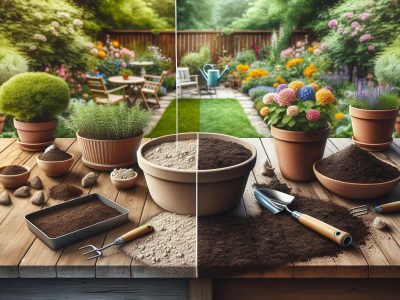
Garden soil is the stuff you find in your backyard. It’s your good ol’ earth mixed with organic matter. Often, it includes decomposed leaves, manure, and compost. This soil is usually heavier and more compact. It might contain clay, sand, silt, or loam. It can be full of nutrients, but it might also be riddled with pests or weeds. Can you picture that? Rich, dense, earthy smell—yep, that’s garden soil! So if you’er digging around in your garden, you’re likely working with this type.
What Is Potting Soil?
Potting soil isn’t really soil. Surprise, right? It’s actually a soilless mix. It typically includes peat moss, perlite, and vermiculite. This mix may also have some organic materials like composted bark or coir fiber. Potting soil is light and airy, giving roots the room to breathe. It drains well and reduces the chances of pests and diseases. Think of it as a vacation home for your plants, probably cleaner and less crowded than garden soil. You’ll often use potting soil in containers and indoor plants. So next time youre repotting, you’ll know this is your go-to!
Composition and Texture
Choosing between garden soil and potting soil affects plant growth significantly. Each has unique components and textures.
Components of Garden Soil
Garden soil’s a combination of sand, silt, and clay. It may contain organic matter like decomposed leaves, compost, and manure. The presence of these nutrients provides a fertile environment. Yet, this mix might also harbor pests and weeds, posing some risks. It’s dense, which can affect drainage and aeration.
Components of Potting Soil
Potting soil, more accurately a soilless mix, contains materials like peat moss, perlite, and vermiculite. It’s light, airy, and ensures good drainage. These components help prevent root rot and provide excellent support for container plants. Potting soil might lack nutrients that plants need, so it often comes fortified with fertilizers. Unlike garden soil, it reduces the risk of pests, cause it’s sterilized.
Choosing the right soil involves understanding specific plant needs and considering the growing environment.
Nutrient Content
Curious about what’s feeding your plants Keep reading to jump into the nutrient differences between garden soil and potting soil. Let’s break it down.
Nutrients in Garden Soil
Garden soil ain’t just dirt It’s usually packed with nutrients like nitrogen, phosphorus, and potassium. These nutrients come from organic matter like leaves and compost. Nutrients can make your plants thrive, unless you see a weed or two trying to join the party. But, remember, the nutrient content varies depending on where you scoop it from. So, you might find yourself playing detective to figure out if your garden soil has everything your green buddies need.
Ever wondered if your soil’s got the goods Ask a local extension office or get a soil test done. Don’t trust garden myths, your plants deserve the best.
Nutrients in Potting Soil
Potting soil isn’t what you might imagine its actually more like a fancy smoothie for your plants. Made from stuff like peat moss, perlite, and vermiculite, potting soil provides a fluffy home for roots, with good drainage. But here’s the catch, it doesn’t always come loaded with nutrients. Manufacturers often add fertilizers to give it a nutrient boost. These fortified mixes probably contain balanced nutrients but this might not last forever your plants may still need additional feeding down the road.
Is it worth the extra care Absolutely With a bit of attention, your potted plants can flourish in their own cozy little world.
Water Retention and Drainage
When picking soil for your garden or containers, water management is crucial. Let’s jump into how each soil type handles water.
Water Retention in Garden Soil
Garden soil, with its mixture of sand, silt, and clay, offers varying water retention based on its composition. Clay-heavy garden soils retain water well but drain poorly, potentially causing root rot. Conversely, sandy soils drain fast but may dry out quickly, leaving plants thirsty. The key is to find a balance. If your garden soil is dense, adding organic matter like compost can improve both water retention and drainage.
Water Retention in Potting Soil
Potting soil’s designed for optimal water retention and drainage. Made from materials like peat moss, perlite, and vermiculite, it provides an airy structure that holds adequate moisture while allowing excess water to drain away. This prevents the soggy roots syndrome often seen in overwatered garden soil. But, potting soil may dry out quicker than one might expect, especially in hot weather, and might require more frequent watering.
Ideal Uses and Applications
Understanding when to use garden soil or potting soil can make your gardening experiences more fruitful and less frustrating. Each type of soil has its advantages, and their best uses vary depending on your planting needs.
Best Uses for Garden Soil
Garden soil’s rich, nutrient-dense composition makes it ideal for in-ground planting. It’s like the heavyweight champion of soil types, packed with organic matter that can support a wide variety of plants, such as:
Flower Beds: Garden soil works great in flower beds where its density helps anchor plants and retain moisture. But, if your soil is too clayey, adding compost can improve drainage.
Vegetable Gardens: This soil’s nutrient richness is perfect for vegetable gardens. Its ability to hold nutrients like nitrogen, phosphorus, and potassium can result in a bountiful harvest.
World Planting: Trees, shrubs, and perennials thrive in garden soil. Its organic content helps establish strong root systems, although periodic soil testing can ensure nutrient levels are adequate.
Best Uses for Potting Soil
Potting soil isn’t just for the birds; it’s designed for containers and indoor planting, bringing ease and flexibility to gardening. It’s made up of lightweight materials like peat moss and perlite, making it easy to manage and perfect for:
Indoor Plants: Potting soil is sterile, reducing the risk of pests and diseases indoors. Its lightweight nature allows for easy relocation when needed.
Container Gardens: Whether it’s hanging baskets or patio pots, potting soil provides excellent drainage, preventing root rot while keeping plants hydrated. You might find yourself watering more often in the summer, though.
Starting Seeds: This soil is great for germinating seeds. Its fine texture allows delicate seedlings to push through easily. Mixing a bit of vermiculite or perlite can enhance its lightness even more, encouraging root growth.
Use the right type of soil for the right application, and you’re likely to see healthier plants and superior growth. Each soil type has its strengths and constraints, making the choice between garden soil and potting soil essential for successful planting.
Cost and Availability
So, you’re ready to start your garden project, huh Well, one of the first things you’ll notice about garden soil and potting soil is the price tag hanging off them bags. Generally, garden soil is cheaper than potting soil. You can often find garden soil locally, in bulk, or even from your own backyard. It’s not rare to get a scoop from a local farm or your neighborhood garden center. Sometimes, garden soil might even be free if you’re lucky enough to dig it up yourself.
Potting soil but, has a different story. It’s specially formulated, and this can make it cost a bit more. You typically find it in bags at garden centers, big-box stores, or online. The cost of potting soil depends on the brand and what’s in the mix—higher-quality potting soils with added nutrients and better aeration materials are likely to cost more.
Here’s something to think about—availability. Garden soil might be everywhere you look, but getting just the right kind of garden soil might be tricky. If your local soil’s got too much clay, sand, or whatever, you may need to spend some extra bucks to improve it for your plants.
Potting soil is convenient because it’s consistent and ready to use. No need to tweak it much before filling your pots. It’s available year-round, and you can easily pick it up during a quick store run or get it delivered to your door.
So, how big’s your project Think about that when choosing between garden and potting soil. Small projects with potted plants? Potting soil might be your pick even if it costs more. A big vegetable garden might call for loads of garden soil, adjustments and all.
When it comes to cost and availability, it isn’t just about the money. It’s also about how accessible and ready-to-use the soil is.
Conclusion
Choosing between garden soil and potting soil depends on your specific gardening needs. Garden soil is ideal for in-ground planting, offering rich nutrients but requiring careful management to avoid pests and ensure proper drainage. Potting soil, on the other hand, is perfect for containers and indoor plants, providing excellent drainage and a sterile environment, though it may need additional nutrients over time.
By understanding the unique characteristics and applications of each soil type, you can make informed decisions that promote healthier plants and more successful gardening outcomes. Whether you’re planting in a garden bed or a container, selecting the right soil is crucial for achieving optimal growth and vibrant blooms.
To provide the best experiences, we use technologies like cookies to store and/or access device information. Consenting to these technologies will allow us to process data such as browsing behaviour or unique IDs on this site. Not consenting or withdrawing consent, may adversely affect certain features and functions.
Functional
Always active
The technical storage or access is strictly necessary for the legitimate purpose of enabling the use of a specific service explicitly requested by the subscriber or user, or for the sole purpose of carrying out the transmission of a communication over an electronic communications network.
Preferences
The technical storage or access is necessary for the legitimate purpose of storing preferences that are not requested by the subscriber or user.
Statistics
The technical storage or access that is used exclusively for statistical purposes.The technical storage or access that is used exclusively for anonymous statistical purposes. Without a subpoena, voluntary compliance on the part of your Internet Service Provider, or additional records from a third party, information stored or retrieved for this purpose alone cannot usually be used to identify you.
Marketing
The technical storage or access is required to create user profiles to send advertising, or to track the user on a website or across several websites for similar marketing purposes.