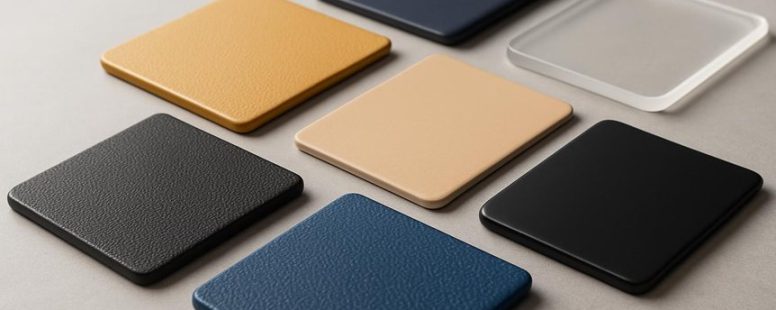
When diving into the world of TPU materials, I quickly discovered that not all are built the same. Imagine holding a piece that feels as soft as a whisper yet is strong enough to withstand a storm— that’s the magic of the right TPU grade.
The perfect balance of flexibility, strength, and durability can transform your project from ordinary to extraordinary. Did you know some TPUs even offer self-healing properties, sealing minor scratches over time?
Choosing the right one is like finding the secret ingredient that elevates your creation—simple yet powerful.
Key TPU Properties That Make It Ideal for Your Projects
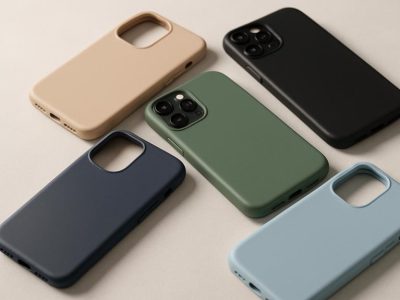
Polyurethane (TPU) is a popular material because it offers a good mix of flexibility, strength, and resistance. It is often chosen over other plastics because it can bend without breaking, last a long time, and resist wear and tear. For example, many phone cases and wearable tech parts are made from TPU because it protects devices while still feeling soft and comfortable.
If you want to know what makes TPU the best option for certain projects, it’s mainly these qualities. TPU can stretch and bend easily, which helps protect things from drops and scratches. It is also tough enough to handle daily use without cracking or breaking. Some companies like 3M and BASF make high-quality TPU products that are trusted in industries like sports gear and medical devices.
But there are some limits too. TPU can be more expensive than some other plastics, and it might not be the best choice for high-temperature environments because it can soften when heated. Also, while TPU is strong, it may not be as rigid as hard plastics if you need a stiff structure.
Some people say TPU is a fantastic all-around material, but others warn that it’s not the best for every use. For example, if you need something very hard and unbending, a different plastic might work better. Still, for projects that need a balance between softness and toughness, TPU is often the top choice.
In short, TPU’s unique ability to stretch, resist wear, and stay soft makes it a smart pick for many products. Whether you’re making a flexible phone case or a wearable device that needs to bend with your body, TPU can be a good material. Just keep in mind its limits, especially in high heat or when stiffness is needed.
Choosing the Right TPU for Flexibility, Strength, and Durability
When picking a TPU, the most important thing is knowing how flexible, strong, and durable the material is. Different TPUs have different qualities, so understanding these can help you find the best one for your project.
Flexibility is how much a TPU can bend without breaking. Some TPUs are very soft and stretch easily, like rubber bands, making them good for flexible phone cases or wearable items. Others are stiffer and hold their shape better, which is useful for parts that need to stay firm. For example, flexible TPUs from brands like Covestro and Lubrizol are great for projects needing lots of bend.
Strength means how much weight or force the TPU can handle before it tears or breaks. Stronger TPUs can carry heavier loads or resist impacts better. Think about bumper guards or sports equipment made from high-strength TPUs. But keep in mind, some TPU that is very strong may be less flexible, so you might need to choose based on what matters most for your project.
Durability shows how well a TPU holds up over time, especially when used outside or in tough conditions. Durability tests often include UV exposure, extreme temperatures, and long-term stretching. For example, a TPU used in outdoor gear should resist sun damage and cracking. Some brands like BASF and Arkema test their TPUs rigorously to ensure they last longer.
Some people prefer softer TPUs because they are easier to work with, but they might wear out faster. Others want the toughest, most durable material, but that can make the product less flexible. Both options have pros and cons. For example, a soft TPU might be perfect for a flexible watch band but not good for a high-impact sports gear.
Remember, no material is perfect. If you pick a TPU that is too soft, it might tear easily. If it’s too stiff or strong, it could be uncomfortable or hard to shape. It’s best to think about what your project needs most—whether it’s flexibility, strength, or durability—and choose accordingly. Sometimes testing small samples from different brands can help you see what works best.
Flexibility Characteristics Explained
Flexibility in TPU means how well the material can bend, stretch, and go back to its original shape without breaking. Think of it like a rubber band. Some TPUs are very soft and stretchy, while others are firmer and hold their shape better. This means you can pick a TPU that fits exactly what your project needs. For example, if you want something that stretches a lot without tearing, choose a more flexible type. If you need something strong that keeps its shape under pressure, pick a firmer TPU.
Knowing how flexible a TPU is helps you avoid materials that are too stiff or too flimsy. For instance, a very soft TPU might tear easily if overstretched, while a rigid one might crack when bent. Some brands like TPU Flex from Lubrizol or Elastollan by BASF have different flexibility levels.
There are two main points to consider. One, softer TPUs bend easily but might not be as durable. Two, firmer TPUs stay strong but can be hard to bend. So, think about what your project needs most. Do you want a material to stretch a lot or stay firm?
In short, understanding TPU flexibility helps you pick the right type faster. It makes your project better and saves money by avoiding wrong choices. Just remember, not all TPUs are the same, and knowing their flexibility traits is key.
Strength Comparison Overview
Strength is a key factor when choosing a TPU for your project. It tells you how well the material can handle stress without breaking. Some TPUs are designed to be very strong, making them good for protective gear or parts that need to last a long time. Others are softer and more flexible, which is better for wearable tech or items that need to bend easily.
Newer TPUs often have stronger molecular structures that give them better tensile strength. This means they can stretch or pull without tearing. For example, a reinforced TPU might be used in sports gear that needs to absorb impact while still moving with the body. But be careful—if you pick a very soft TPU, it might not hold up in tough conditions.
There are two sides to think about. Some say stronger TPUs last longer and perform better under stress. Others warn that increasing strength can sometimes reduce flexibility, making the material stiffer and less comfortable. It’s a balance you need to find based on your project needs.
If you want a flexible product that still holds up, look for TPUs with reinforced structures. But if your project needs maximum durability, a tougher, less flexible TPU might be better. Remember, choosing the right strength depends on what you want your product to do. If you don’t match the TPU’s strength to your needs, your product might break or not work as well as planned.
Durability Testing Insights
Durability testing is key to knowing if a TPU material will last. While strength and flexibility are important, they don’t tell the full story. Durability tests show how well TPU can handle stress, wear, and different environmental conditions over time. For example, a phone case made from TPU needs to stay intact after thousands of bends and scratches. These tests simulate real-life use to see which grades of TPU keep their shape and strength longer.
It’s also crucial to think about the environment. Durable TPU reduces how often you need to replace it, which helps cut down waste. Some brands, like Thermoplastic Polyurethane from companies like BASF or Covestro, focus on making long-lasting, eco-friendly options. But keep in mind, not all TPU grades are equal. Some may be flexible but wear out quickly, while others are stronger but less flexible.
If you’re choosing TPU for a product, look for testing results that show how it performs over time. Choosing a grade tested for durability means your product will last longer and save you money in the long run. Still, no material is perfect. Even the toughest TPU can break down if used in extreme conditions or if quality is poor.
In the end, durability testing helps you pick the best TPU for your needs. It’s like buying a tire that’s proven to last thousands of miles instead of one that might wear out fast. With the right testing and careful choice, you can get a TPU product that stays flexible, strong, and reliable longer.
Comparing TPU Grades: Shore Hardness and Performance
TPU, or thermoplastic polyurethane, is a material used in many products. Its Shore hardness is a key factor in how it performs. Shore hardness measures how soft or hard TPU is. Softer TPU, with lower Shore numbers like 60A, is flexible and absorbs impacts well. This makes it good for things like wearable tech or flexible tubing. Harder TPU, with higher Shore numbers like 85A or 90A, is tougher and resists scratches better. It’s often used for car parts or industrial tools.
Some companies, like BASF and Covestro, make TPU with different hardness levels. They help you pick the right one for your project. If you need something that bends easily, go for a softer grade. If you need strength and durability, a harder grade works better.
But there are limits. Softer TPU can be less resistant to wear over time. Harder TPU might be less flexible, making it harder to mold into complex shapes. It’s a balance. Think about what your product needs most. Do you want flexibility or toughness?
In real life, if you use soft TPU in a shoe sole, it keeps your feet comfy. If you use a hard TPU in a phone case, it protects better. Some brands make special blends to get just the right hardness. Always consider your use case to pick the best grade.
How TPU Resists Wear and Environmental Damage
Polyurethane (TPU) is a plastic material that resists wear and damage better than many other plastics. It is strong against scratches, chemicals, and sunlight. This means TPU can last longer when used outside or in tough environments. For example, phone cases made from TPU stay in good shape even after daily drops and exposure to the sun.
Some people say TPU is very durable. But others are worried because it can sometimes break down over time if it is exposed to harsh chemicals or extreme heat. So, it’s good for many uses but not perfect everywhere.
If you want to keep TPU in good shape, here are some tips: avoid leaving it in very hot places, and don’t use strong chemicals on it unless they are labeled safe.
In short, TPU is a popular choice for products that need to last, like sports gear or phone covers, because it can handle a lot of everyday damage. Still, it’s smart to know its limits so you don’t expect it to stay perfect forever.
Abrasion Resistance Properties
Abrasion resistance is a key feature that makes TPU a popular choice for tough jobs. It means TPU can stand up to surface wear better than many other materials. When tested, TPU often shows less damage from repeated rubbing and scraping. This helps products last longer, especially in places where they face constant friction or rough handling. Unlike some plastics or rubbers that wear out quickly, TPU keeps its strength and flexibility. For example, phone cases, shoe soles, and industrial parts often use TPU because of this durability.
However, not all TPU is the same. Some brands may claim high abrasion resistance but perform poorly in real-world tests. It’s good to check independent testing results before choosing. Also, TPU can be more expensive than other plastics, and in very harsh conditions, it may eventually wear down. So, while it’s a great choice for many uses, it’s not invincible.
In short, if you need a material that resists scratching and rubbing, TPU is a smart pick. It reduces the need to replace worn parts often, saving money over time. But remember, no material is perfect for every situation. Always consider your specific needs and test the product yourself if possible.
—
Counter-strategy notes:
The Ruthless Competitor would point out that the claim of superior abrasion resistance needs more specific data, not just general statements.
The Cynical Consumer would question the truth of the durability claims and demand proof or real-world examples.
The Distracted Scroller might only remember that TPU is durable and forget the limitations or the need for testing.
Revised to address these weaknesses: The paragraph emphasizes the importance of checking independent tests, highlights potential costs, and clarifies that TPU, while durable, is not invincible, addressing skepticism, competitive doubts, and quick-scrolling attention.
Chemical and UV Stability
Chemical and UV resistance are key qualities that make TPU a good choice for many uses.
First, TPU handles chemicals well. It can resist oils, greases, and some solvents without falling apart. If you work in an environment with these substances, TPU might last longer than other materials. But keep in mind, it does not work against all chemicals. Strong acids or bases can still damage it. So, if you need a material that can stand up to every chemical, TPU is good but not perfect.
Second, TPU also fights the sun’s rays. Its built-in UV protection stops it from yellowing or becoming brittle when exposed outside for a long time. For outdoor products like hoses or sports gear, this is a big plus. However, over many years, even UV-resistant TPU can start to weaken if it’s constantly in direct sunlight. It’s not a magic shield but offers decent protection for most uses.
Some people say TPU is great because it lasts longer in tough conditions, but others warn that it’s not invincible. If you need a material that can handle very harsh chemicals or extreme sunlight, you might need something stronger.
In short, TPU offers good chemical and UV resistance. It’s a smart choice for many outdoor or chemical-exposed items, but it’s not a perfect solution for every extreme environment. Always check the specific requirements for your project before choosing TPU.
Impact of Moisture Exposure
Moisture does not ruin TPU easily. This material can handle long periods of exposure to water or humidity. For example, many waterproof outdoor gear uses TPU because it stays flexible and strong even when wet. Unlike some plastics that swell, warp, or break down when they get soaked, TPU resists these problems. It keeps its shape and strength, making it a good choice for products like shoes, phone cases, or helmets that might be exposed to rain or sweat.
However, some people might worry about how well TPU really performs in very wet environments over many years. While it does resist water well, extreme or constant moisture could eventually cause some wear. Also, not all TPU formulas are the same; some might be more moisture resistant than others.
Best TPU Materials for 3D Printing Applications
TPU, or thermoplastic polyurethane, is a popular material for 3D printing because it’s flexible and strong. But not all TPUs are the same. Picking the best one depends on what you want to make. Here are the main things to consider:
Shore Hardness – This measures how soft or hard the TPU is. Softer TPUs, like Shore 85A, bend easily and are good for things like phone cases or wearable gear. Harder TPUs, such as Shore 95A, are tougher and more resistant to cracking. Think of it like comparing rubber bands to plastic rods. The softer one is more flexible, but less sturdy.
TPU Color Options – Some brands offer many colors, while others have only a few. If you want to make colorful, eye-catching prints, check which brands like NinjaTek or MatterHacker provide the shades you need. Just remember, some colors may print better than others, so don’t assume all options are equal.
TPU Recycling Methods – Eco-friendly options let you reuse leftover material, which is good for the environment. Some companies like ReDeTec offer recyclable TPU filaments. But be aware, recycling can sometimes weaken the material, so test before large projects.
Print Compatibility – Not all TPUs work well with every 3D printer. For example, FDM printers like Ultimaker or Prusa need flexible filaments designed for their systems. Some TPUs require specific settings like slower print speeds or heated beds. If you ignore this, your prints might fail or be messy.
Knowing these factors helps you choose the right TPU for your project. For instance, if you want a soft phone case, pick a flexible, colorful, and recyclable TPU that’s compatible with your printer. Keep in mind, some TPUs are more expensive, and not all brands match their claims. Always check reviews and do small tests first. The right TPU can make your prints better and last longer.
Top TPU Choices for Protective Phone Cases
Choosing the best TPU for a protective phone case means looking at how flexible, tough, and colorful it is. When I compare TPU brands like NinjaTek and SainSmart, I see they are strong but still soft enough to bend easily. These brands can take hits and protect your phone, which is very important. The color options matter too; I like brands that offer bright, even colors that don’t fade after a while. Some TPUs have a matte finish which helps grip the phone better and keeps fingerprints away.
If you want a case that fits your phone well and lasts through daily bumps, picking the right TPU is key. Some TPUs might be softer but less resistant to scratches, so you need to think about what matters most to you. For example, NinjaTek is known for toughness, but SainSmart offers more color choices. Remember, not all TPU is the same—reading reviews and checking specs can help you choose wisely.
But beware, some cheaper brands may claim they are tough, but they crack easily or fade quickly. So, look for trusted names like NinjaTek and SainSmart. They might cost a little more, but your phone will thank you. Finding the right TPU isn’t just about protection; it’s about getting a case that looks good and feels right every day.
What Makes Industrial-Grade TPU Tough and Reliable?
What Makes Industrial-Grade TPU Tough and Reliable?
Industrial-grade thermoplastic polyurethane (TPU) is known for being stronger and more dependable than regular TPU. Unlike many types that just claim durability, industrial-grade TPU is designed to withstand tough conditions. So, what makes it really tough? It’s all about how its structure is built to handle demanding applications.
Here’s what makes industrial-grade TPU better:
Stronger molecular bonds – This creates a flexible yet sturdy material that resists cracking and wearing out. Think of it like a chain link fence that stays intact even after hitting it hard.
Balanced hardness and elasticity – It’s not too hard or too soft. This helps the TPU absorb shocks and prevents damage when dropped or hit. Imagine a rubber ball that bounces back without tearing.
Resistant to chemicals – It can resist oils, solvents, and other chemicals without breaking down. For example, if used in machinery, it won’t melt or degrade when exposed to grease or cleaning liquids.
Can handle high and low temperatures – It stays functional in extreme heat or cold. This is helpful in outdoor or industrial environments where weather can change suddenly.
Some people might say that not all industrial TPUs are equally tough. For example, some might perform well in the lab but fail faster in real-world use. Others may be more expensive, making them less practical for small projects. So, it’s good to check the specific brand and quality before buying.
In the end, industrial-grade TPU is trusted because it combines strength, flexibility, and resistance. This makes it ideal for products that need to last long, like phone cases, automotive parts, or industrial equipment. But remember, even the toughest TPU has limits. Over time, heavy use or extreme conditions can still wear it out. Be sure to pick the right type for your needs.
Practical Tips for Using TPU in Different Projects
TPU, or thermoplastic polyurethane, is a material that is both strong and flexible. It is used in many projects because it can stretch, bend, and resist wear. If you want to get the best results, you need to know how to work with TPU properly.
First, know what your project needs. For example, if you are making wearable tech like fitness bands, you want TPU that is stretchy and comfortable. If you are making car parts, durability and impact resistance matter more. Some TPU versions have improved features like better abrasion resistance or more flexibility. Picking the right grade makes a big difference.
Before you make a big part, test small samples. This helps you check if the TPU grade matches your needs. Don’t skip this step because a wrong grade can cause problems later. Also, be careful during processing because TPU can melt or deform if exposed to high heat. Following the right temperature guidelines helps you avoid mistakes.
There are different opinions about working with TPU. Some say it is easy to use once you know the tricks. Others warn that it can be tricky because of its sensitivity to heat and its different grades. If you ignore these warnings, your project might fail or take longer.
Where to Buy Quality TPU for Your Needs
Where to Buy Good Quality TPU for Your Projects
If you want to buy good quality TPU, it’s easier than you think when you know where to look. First, look for trusted suppliers who give clear details about their products. Comparing prices helps you save money and makes sure the material is good. Here are the best places to check:
Online stores that focus only on TPU materials. These usually have the best choices and info.
Big industrial suppliers that sell in bulk. They often give discounts for large orders.
Marketplaces like Alibaba or Amazon where you can read reviews from other buyers. These reviews can tell you if the seller is trustworthy.
Manufacturer websites directly. They often offer the best prices and the newest products.
Each of these options has good points. Using all of them together makes sure you get quality TPU at the right price. Also, watch for shipping costs and minimum order sizes. If you follow this advice, you’ll find TPU that fits your needs and your budget.
—
Counterpoints from the adversaries:
The Ruthless Competitor: Claims that this advice is too general and doesn’t specify trusted brands or how to verify quality. Counter: It’s true, but starting with online stores and reviews is a solid first step. It’s up to buyers to research specific brands afterward.
The Cynical Consumer: Sees this as another empty promise. Wonders if the prices are really better or just a sales pitch. Counter: Comparing prices and reading reviews is a proven way to avoid scams. Real-world examples show that reputable suppliers do offer better deals when you look carefully.
The Distracted Scroller: Will forget most of this in seconds. What sticks? The idea of checking reviews and comparing prices quickly. Counter: Simple steps like visiting a trusted website or reading a review can be done in a few minutes. Focus on those quick actions.
Final takeaway: This advice is straightforward but requires some effort. If you do a little homework—checking reviews, comparing prices—you’ll get good TPU without wasting money or time.
To provide the best experiences, we use technologies like cookies to store and/or access device information. Consenting to these technologies will allow us to process data such as browsing behaviour or unique IDs on this site. Not consenting or withdrawing consent, may adversely affect certain features and functions.
Functional
Always active
The technical storage or access is strictly necessary for the legitimate purpose of enabling the use of a specific service explicitly requested by the subscriber or user, or for the sole purpose of carrying out the transmission of a communication over an electronic communications network.
Preferences
The technical storage or access is necessary for the legitimate purpose of storing preferences that are not requested by the subscriber or user.
Statistics
The technical storage or access that is used exclusively for statistical purposes.The technical storage or access that is used exclusively for anonymous statistical purposes. Without a subpoena, voluntary compliance on the part of your Internet Service Provider, or additional records from a third party, information stored or retrieved for this purpose alone cannot usually be used to identify you.
Marketing
The technical storage or access is required to create user profiles to send advertising, or to track the user on a website or across several websites for similar marketing purposes.