Nepeta Six Hills Giant vs. Walker’s Low
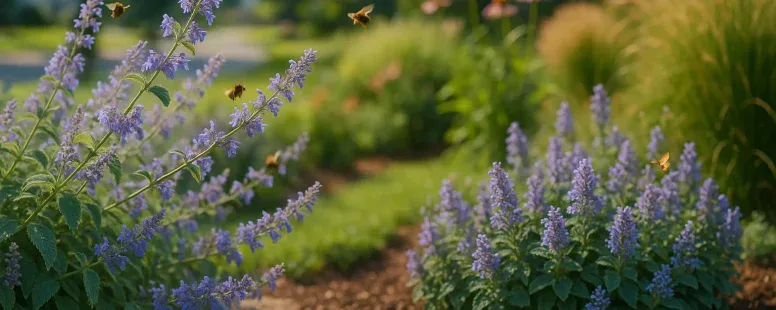
Both Nepeta Six Hills Giant and Walker’s Low give you long-lasting lavender-blue blooms and gray-green foliage, but they behave differently in the garden. Which one fits your space, pollinator goals, and maintenance style? Picture a sunny border where bees hum over frothy mounds, one plant spills dramatically, the other holds a neat, compact line. That visual difference matters: you’ll either want a bold, sprawling statement or a tidy, dependable performer. Below you’ll find clear side-by-side facts, real planting tips, and honest trade-offs so you can pick the Nepeta that works in your yard.
Quick Comparison Snapshot
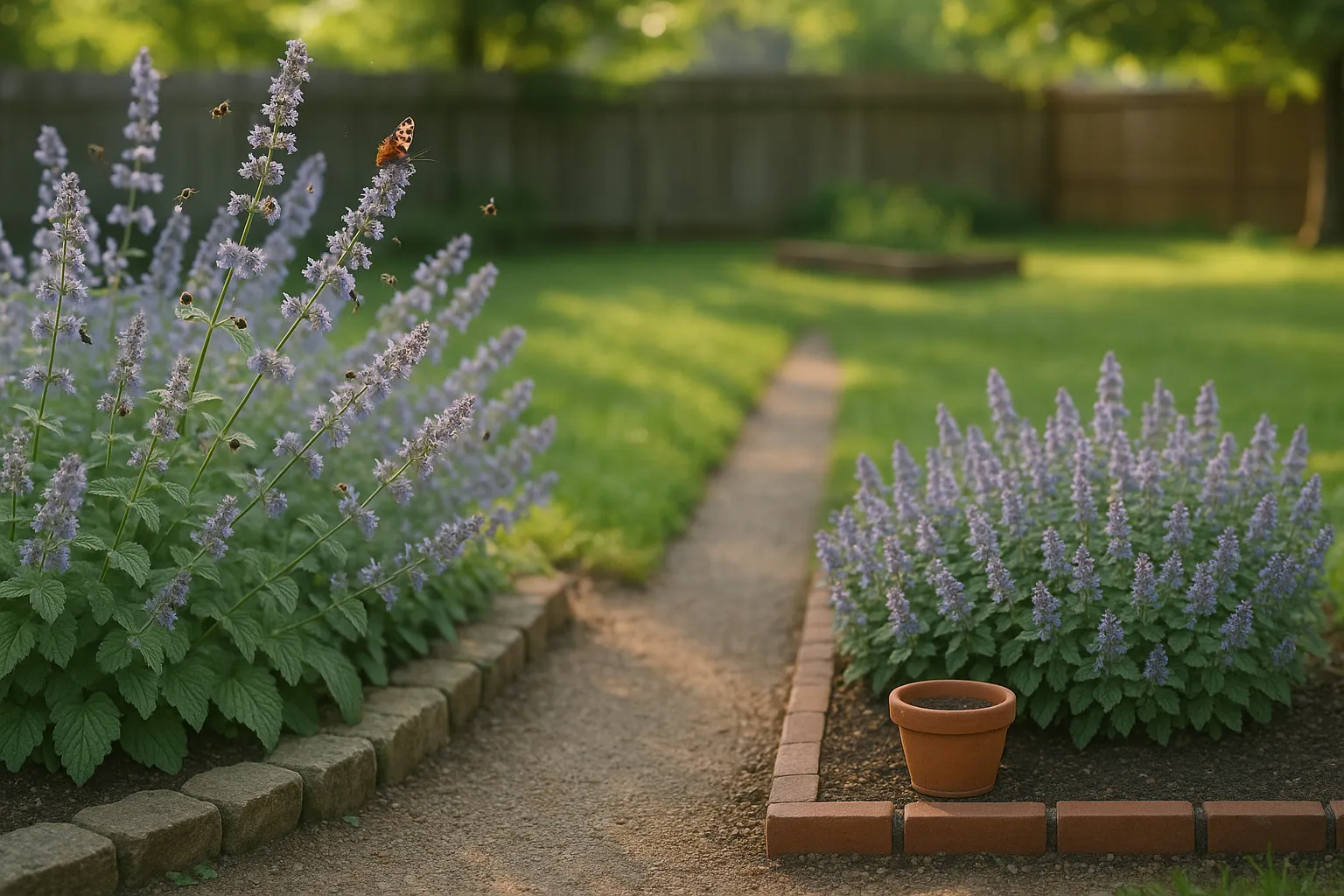
Fact: Six Hills Giant grows larger and spreads more: Walker’s Low stays more compact and controlled.
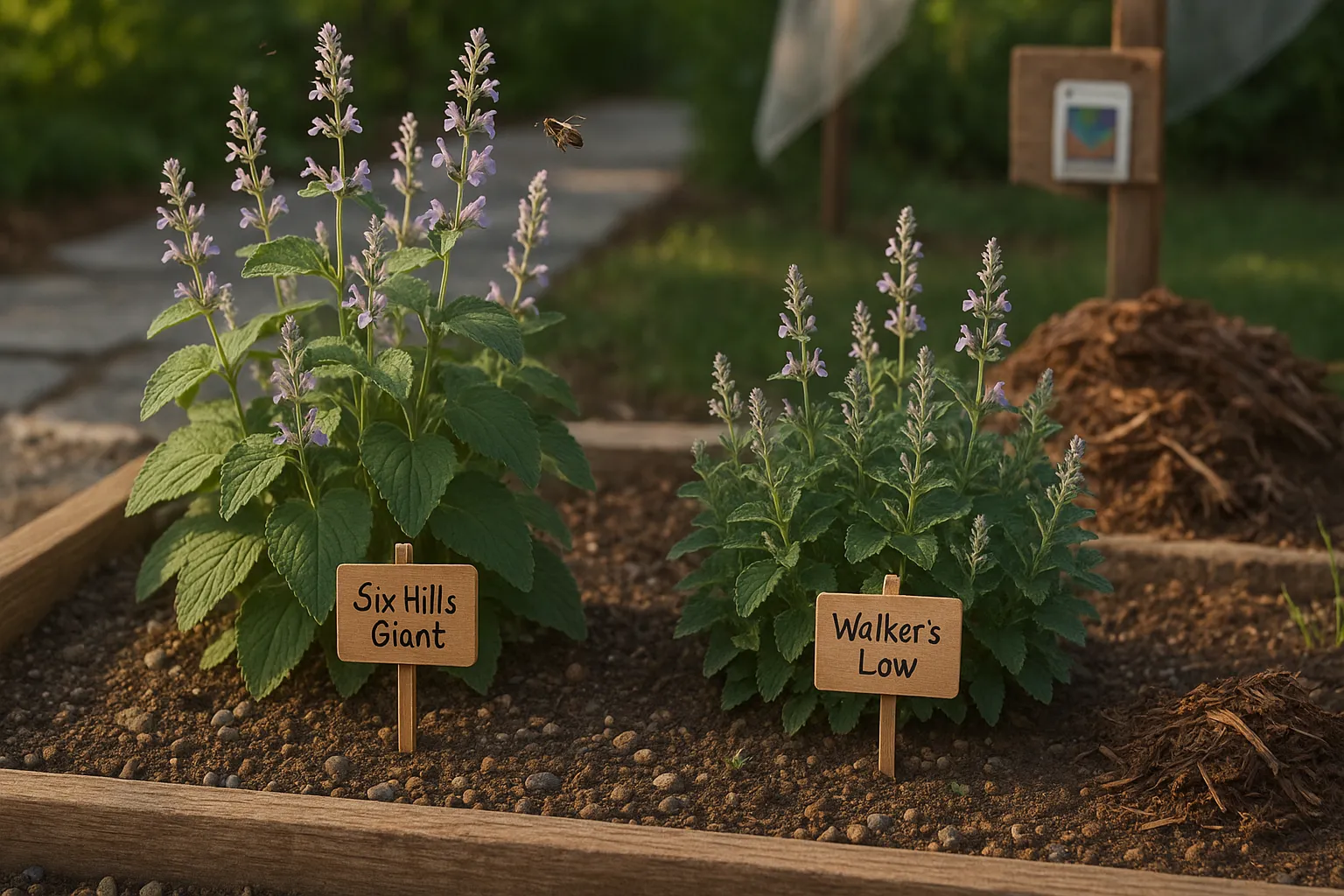
Six Hills Giant: tall, arching stems: strong spread: excellent for massing and naturalized edges. Walker’s Low: lower, clump-forming habit: tidy mounds that fit tight borders and containers. Both bloom from late spring into summer and attract bees and butterflies.
Ask yourself three quick questions to choose: Do you want a dramatic, meadow-like mass (pick Six Hills Giant)? Do you need a low-maintenance, tidy edging plant (pick Walker’s Low)? Do you plan to place it in a container or crowded border (favor Walker’s Low for containers)?
Named entities: Nepeta × faassenii ‘Six Hills Giant’, Nepeta × faassenii ‘Walker’s Low’, USDA Hardiness Zones referenced later for planning.
Appearance And Growth Habit
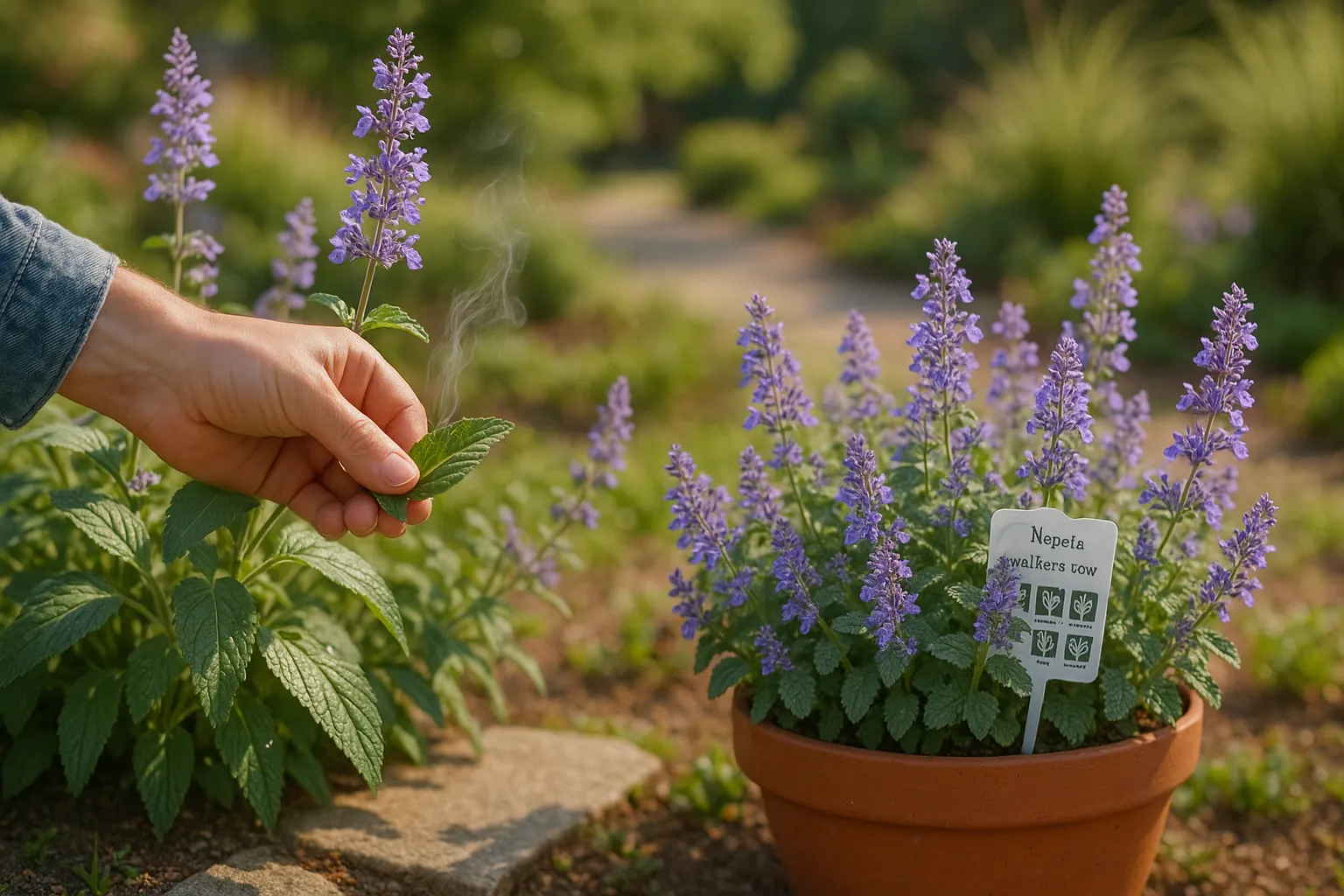
Fact: The two cultivars differ in silhouette and branching pattern.
Foliage, Flowering, And Seasonal Behavior
Six Hills Giant shows elongated, aromatic leaves that release a clean, minty scent when crushed. You’ll see tall flower spikes rising above the foliage with lavender-blue tubular flowers. Walker’s Low produces denser, smaller leaves and a higher ratio of blooms to leaf visible at peak season. Both flower mainly in late spring and early summer: both often rebloom if you deadhead.
Seasonal behavior is straightforward. Both die back in harsh winter and resprout in spring: Six Hills may flop in heavy summer rains because of its arching stems, while Walker’s Low keeps a tidy mound most seasons.
Size, Spread, And Landscape Form
Fact: Six Hills Giant reaches roughly 18–24 inches tall and 24–36 inches wide, while Walker’s Low usually sits at 12–18 inches tall and 18–24 inches wide.
Six Hills Giant forms a loose, spreading mound with arching flower stems that can spill into adjacent plants. Use it where a softer edge is useful. Walker’s Low forms a tighter, rounded clump: you can place it in a front border or a mixed container without crowding neighbors. If you need exact figures for your region, check plant tags from nurseries like Monrovia or Proven Winners: regional plastic pots often list expected spread and height.
Hardiness, Climate Adaptability, And Soil Preferences
Fact: Both cultivars are hardy and drought-tolerant once established, suited to similar climates.
USDA Zones: Both do well from Zones 4–8 under typical nursery guidance. In Zone 9 you may need afternoon shade. In cold Zone 4 conditions, mulch to protect crowns.
Climate adaptability: You can grow them in continental, maritime, or temperate climates. They tolerate heat if they get good drainage: they do not like wet feet in winter.
Soil preferences: Both prefer well-drained loam or sandy soils with neutral to slightly alkaline pH. If your soil is heavy clay, amend with compost and grit or plant on raised beds. They handle poor soil better than many ornamentals: low fertility often improves flowering because the plants put energy into blooms rather than vegetative growth.
Named entities: USDA Plant Hardiness Zone Map, local extension services for soil testing and pH adjustment.
Care Requirements And Maintenance
Fact: Both Nepetas are low-maintenance, but pruning and site choice affect lifespan and appearance.
Pruning, Deadheading, And Longevity
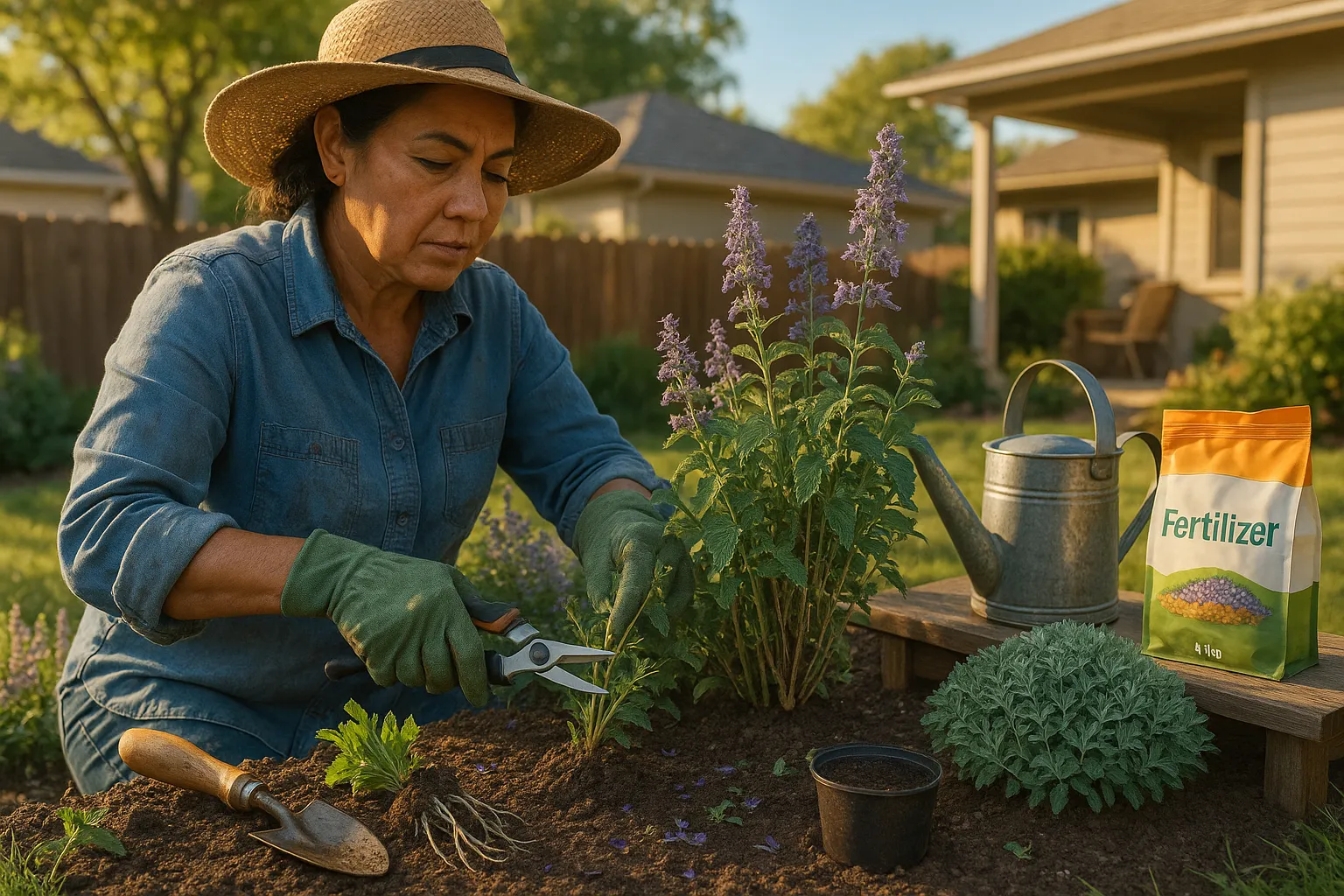
Start with a clear practice: prune after first bloom. Cut Six Hills Giant back by about one-third to one-half to encourage a second flush and reduce flopping. Walker’s Low responds well to a tidy trim to keep a compact mound.
Division: both plants benefit from division every 3–4 years to refresh vigor. If you let plants go woody at the center, they will slowly decline: division restores young, vigorous crowns.
Longevity: Nepeta can live many years with light care, but neglect shortens lifespan. I once left a Six Hills Giant unpruned for three seasons: it became leggy and produced fewer flowers. After dividing it, the plant rebounded within a season.
Watering, Fertilizing, And Light Needs
Fact: Both prefer full sun and minimal supplemental water once established.
Light: full sun (6+ hours) yields the best flower set. In hotter climates, provide afternoon shade for Walker’s Low if your summers routinely exceed 95°F.
Watering: water regularly for the first season to establish roots, then taper. Deep, infrequent watering encourages strong root growth. Overwatering invites root rot.
Fertilizing: a single, light application of balanced fertilizer in spring is enough. Avoid high-nitrogen feeds: they produce soft growth and fewer flowers. Slow-release granular products from brands like Espoma or Osmocote work well.
Named entities: Espoma, Osmocote.
Landscape Uses And Companion Plants
Fact: Nepetas function as pollinator magnets and low hedges: they pair well with many sun-loving perennials.
Design Ideas For Borders, Pollinator Gardens, And Containers
Borders: Use Walker’s Low as a front-of-border plant, place taller perennials behind it. Six Hills Giant works mid-border or in drifts where you want flow into the lawn.
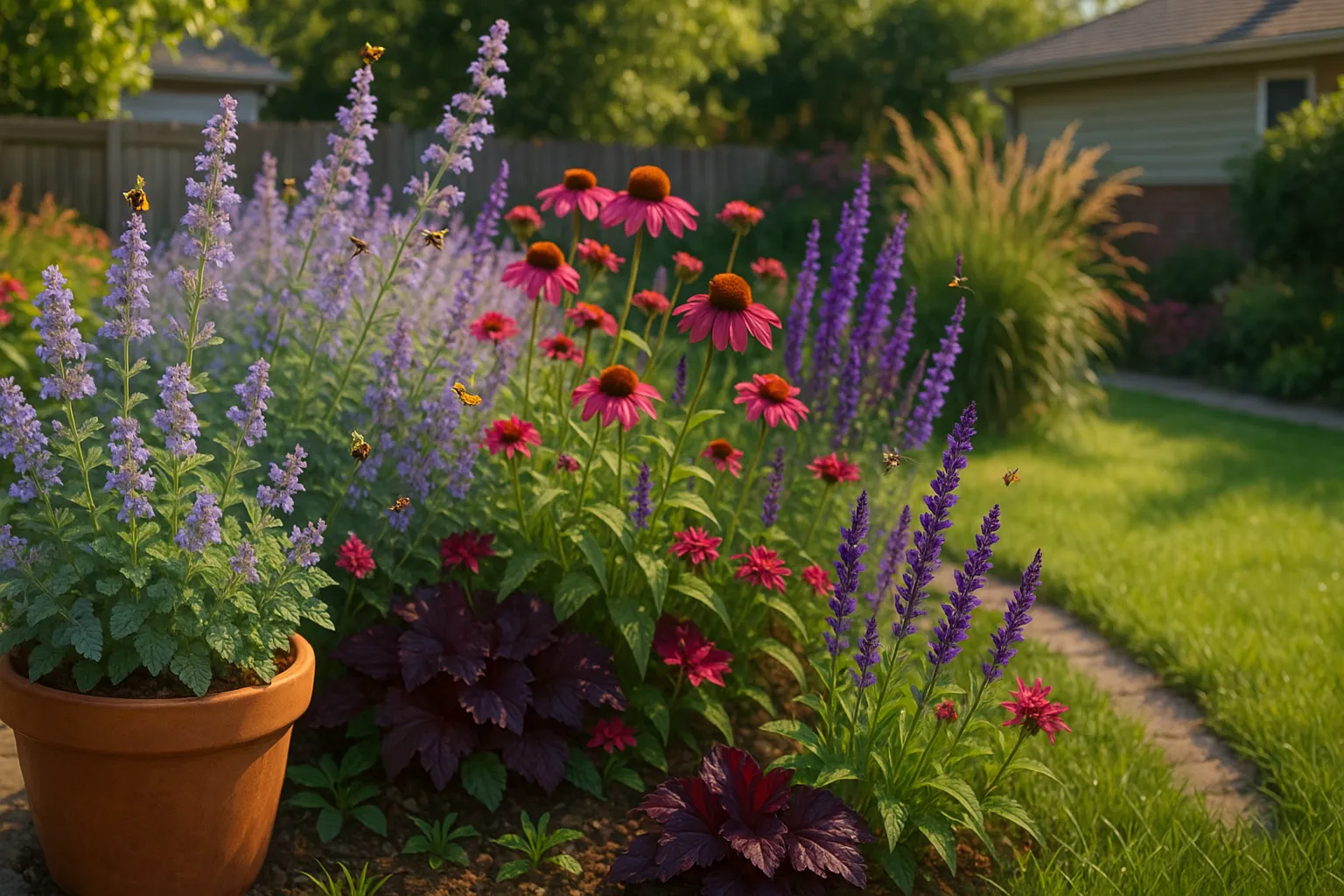
Pollinator gardens: both attract bees, hoverflies, and butterflies. Plant them near Salvia, Echinacea, or Monarda to sustain pollinators across the season.
Containers: choose Walker’s Low for containers, its tidy habit keeps pots neat. Six Hills can go in large, wide containers if you want spilling stems.
Specific pairings: pair Walker’s Low with Heuchera ‘Palace Purple’ for leaf contrast: pair Six Hills Giant with ornamental grasses like Pennisetum alopecuroides for texture play. These combinations provide seasonal interest and support beneficial insects.
Named entities: Echinacea, Monarda, Salvia, Heuchera ‘Palace Purple’, Pennisetum alopecuroides.
Propagation, Availability, And Establishment Tips
Fact: Both propagate easily by division and softwood cuttings: they are widely available at nurseries and online.
Division, Cuttings, And Where To Buy
Division: divide in early spring or fall. Use a sharp spade, separate the crown into sections with healthy shoots and roots, then replant at the same depth. Water well until established.
Cuttings: take 3–4 inch softwood cuttings in late spring. Remove lower leaves, dip in rooting hormone, and place in a free-draining medium. Expect roots in 3–4 weeks under mist or humidity.
Where to buy: find them at regional garden centers, national chains like Home Depot and Lowe’s in spring, or reputable online growers such as Bluestone Perennials and Eden Brothers. Proven Winners lists cultivars and regional suppliers for accurate names and tag information.
Establishment tip: plant so the crown sits at soil level: do not bury the crown. Mulch lightly to suppress weeds but keep mulch away from the crown to avoid rot. Use a slow-release starter fertilizer if your soil test shows low phosphorus.
Common Problems, Pests, And Disease Resistance
Fact: Both cultivars show strong disease resistance but can suffer from root rot in poorly drained soils and occasional pest feeding.
Powdery mildew: can occur in humid conditions: improve air circulation and avoid overhead watering. If needed, apply a fungicide labeled for ornamentals.
Pests: deer usually avoid Nepeta because of scent, but rabbits may nibble young growth. Slugs can feed on tender shoots in damp conditions. Use copper barriers or biological controls for slugs.
Root rot: the biggest threat. Ensure sharp drainage or plant on mounds in heavy soils. If plants yellow and wilt while soil is wet, test for Phytophthora or simply improve drainage.
Disease resistance: general resistance is good, which is why Nepeta remains a favorite in low-input gardens. Still, rotate plant locations if you repeat problems over seasons.
Pros, Cons, And Which Cultivar To Choose Based On Your Garden Goals
Fact: Choose Six Hills Giant for drama and Walker’s Low for control and container use.
Pros of Six Hills Giant: larger presence, excellent for naturalized drifts, strong pollinator appeal, striking when massed. Cons: can flop, may crowd small plants, needs occasional pruning to maintain shape.
Pros of Walker’s Low: compact habit, tidy borders, ideal for containers, reblooms reliably with light deadheading. Cons: less dramatic in large spaces, may need afternoon shade in very hot climates.
Which to choose: If you want a meadow effect or to fill a wide bed, pick Six Hills Giant. If you want a low hedge, front-of-border plant, or container specimen, pick Walker’s Low. If you’re unsure, buy one of each and observe them in your garden microclimate: pairing them creates layered texture and continuous pollinator forage.
Practical warning: avoid planting either in poorly drained low spots: both will decline quickly there. You will get the best performance by matching the plant habit to your garden’s spatial rhythm and maintenance willingness.

- Best Tinkercad Alternative - September 22, 2026
- The Best Free Photoshop Alternatives for Photographers - September 22, 2026
- Best Ylvis Songs - September 22, 2026
by Ellie B, Site Owner / Publisher