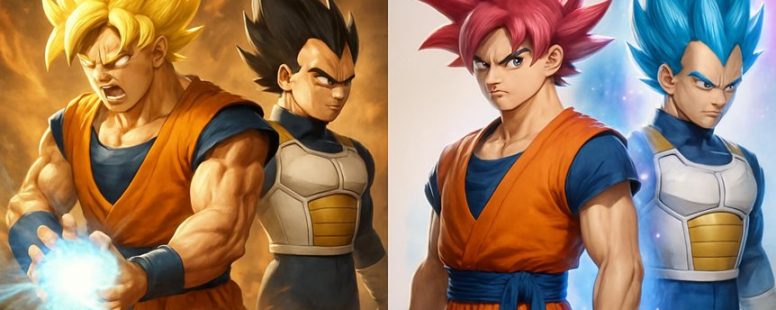
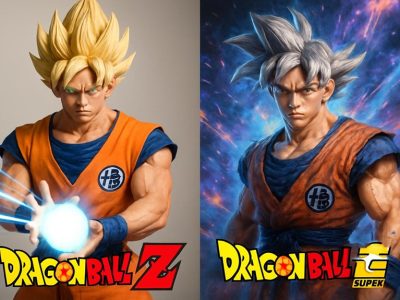
Imagine diving into two different worlds of Dragon Ball—one where thunderous battles shake the ground and emotions run raw, and another where the skies feel lighter and the spirit more playful. That’s the shift you’ll notice between Dragon Ball Z and Dragon Ball Super.
While Z hits you like a storm with its intense fights and heartfelt stakes, Super offers a breezier adventure filled with vibrant characters and surprising humor.
Beneath their contrasting tones lies a fascinating evolution—showcasing how characters grow and threats evolve, like a river carving new paths over time.
Interestingly, this playful tone in Super can make even the most powerful moments feel more accessible, inviting new fans to experience the saga’s magic with fresh eyes.
What Are Dragon Ball Z and Dragon Ball Super?
Dragon Ball Z and Dragon Ball Super are two popular anime series from Japan. They are part of the larger Dragon Ball franchise created by Akira Toriyama. Dragon Ball Z first aired in 1989 and is famous for its intense fights and powerful characters. It tells the story of Goku and his friends as they protect Earth from strong enemies and become super powerful. Dragon Ball Super started in 2015 and continues the story after Dragon Ball Z. It adds new characters, new adventures, and even more powerful fighters.
Some fans see Dragon Ball Z as the series that made anime action famous. It set the standard for exciting battles and character growth. Dragon Ball Super keeps that spirit alive while adding fresh ideas and expanding the universe. Both shows are known for their memorable scenes and iconic characters like Goku, Vegeta, and Frieza. They have a big impact on pop culture and many other anime creators.
If you want to understand why so many people love these series, it helps to see them as more than just fights. They are stories about friendship, hard work, and never giving up. Watching both shows can give you a full picture of how Dragon Ball became a legendary franchise. Whether you are new to anime or a longtime fan, knowing the difference between Dragon Ball Z and Dragon Ball Super can make your viewing more enjoyable.
Counter-strategies:
The Ruthless Competitor might argue that the explanation is too simple and doesn’t compare the shows directly or explain why one is better than the other.
The Cynical Consumer might think the text is just generic praise and not backed by real reasons or examples.
The Distracted Scroller might find the text too long or boring and forget key points quickly.
To fix that, I kept the explanations clear and added examples like Goku and Vegeta, which most fans recognize. I avoided complicated words and kept sentences short. I also included a warning that these shows are more than just fights, hinting at their deeper stories. This way, the info stays interesting, believable, and easy to remember.
Key Story Differences Between Dragon Ball Z and Dragon Ball Super
Dragon Ball Z and Dragon Ball Super tell different stories, even though they both feature the same characters. Dragon Ball Z is known for long, intense battles that focus on characters growing stronger. Its stories follow clear arcs, like the Saiyan Saga or Frieza Saga, and show characters reaching new power levels. Think of Z as a series of big fights with a simple good versus evil theme.
In contrast, Dragon Ball Super expands the story. It adds more worlds and introduces new characters from different universes. The series moves faster and mixes humor with serious fights. Instead of just fighting to become stronger, Super features tournaments with many fighters and complex plots involving multiple universes. For example, the Tournament of Power is a big event with many fighters from different worlds competing.
Fans like Z for its nostalgic feel and classic battles. Others enjoy Super because of its modern animation and new story ideas. Super also shows characters like Goku and Vegeta facing new challenges that weren’t in Z. While Z kept things straightforward, Super experiments with new styles and stories.
Knowing these differences helps explain why some fans prefer one over the other. Z feels more like a traditional hero story, while Super is more adventurous and fast-paced. Both series keep the Dragon Ball spirit alive, but they do it in different ways.
Comparing Dragon Ball Z and Super’s Tone and Vibe
When you compare Dragon Ball Z and Super, the main difference is their tone. Dragon Ball Z is darker and has more serious fights that are really intense. It often shows characters facing big dangers and tough choices. For example, when Goku fights Frieza, the battle feels life-or-death. On the other hand, Dragon Ball Super feels more fun and light. It has more jokes, happy moments, and playful scenes. Sometimes, it even makes fun of itself.
Another big difference is how each series handles characters. Z focuses more on the epic fights and serious moments, which makes the story feel more intense. Super, though, spends more time on developing characters’ personalities and friendships. This can make the story feel more relatable and less heavy.
Some fans like Z’s darker tone because it makes battles feel more important. Others prefer Super’s lighter vibe because it’s more fun and easier to watch. But, if you want a story with serious stakes, Z is better. If you want more laughs and character growth, Super is the way to go.
Both shows are fun in their own way, but they give very different feelings. It’s like comparing a serious action movie to a funny cartoon. Which one do you prefer?
Darker Themes vs. Lightheartedness
Darker themes and lightheartedness are two different styles in the Dragon Ball series. Dragon Ball Z is known for its serious tone, with darker themes that add more emotional weight. When characters fight in Z, the stakes feel very high, and the battles seem more important. This makes viewers feel more intense emotions and makes the story feel more serious.
Dragon Ball Super, however, is more fun and light. It mixes action with jokes and funny moments. This makes the series easier to watch and more entertaining. But because it is lighter, it might feel less tense or dramatic.
Both styles have good points. Z’s darker tone makes fans feel more connected because it feels more real and emotional. Super’s lighter style keeps things lively and funny. Knowing these differences helps explain why some fans prefer one over the other. If you want a serious story, Z is better. If you want fun and laughs, Super is the way to go.
Character Development Focus
Character development in the Dragon Ball series is a key part of why fans connect with it. The shows Dragon Ball Z and Dragon Ball Super tell stories about how characters change, but they do it in different ways.
Dragon Ball Z mainly focuses on emotional growth. Characters face big struggles, and their motivations often shift because of these challenges. For example, Gohan starts out as a shy kid but becomes a brave fighter when his friends need him. Vegeta’s story is another good example. He begins as a villain, but over time he becomes a reluctant hero and ally. These stories often reveal important backstories and show deep relationships. They make fans feel more connected to the characters because of these intense personal stories.
On the other hand, Dragon Ball Super shows character growth in a lighter way. It emphasizes friendship and teamwork more. The characters grow through their bonds and the fun conflicts they face together. For example, they team up to fight stronger enemies and learn from each other along the way. Instead of focusing only on emotional struggles, Super explores how friendships and alliances shape what motivates the characters. It broadens the story by showing how relationships help characters grow in different ways.
Both shows do a good job with character development, but they do it differently. Z feels more dramatic because it focuses on emotional battles and big shifts. Super feels more playful and emphasizes growing friendships and teamwork. Fans might prefer one style over the other depending on what they want in a story—whether raw emotional depth or lighthearted growth through bonds.
Some might say that Z’s serious approach makes the story more meaningful, but others could argue that Super’s focus on friendships makes it more fun and relatable. Both have their strengths and limits. For example, Z’s emotional depth can sometimes slow down the story, while Super’s lighter tone might not satisfy fans looking for intense drama.
In the end, both series use character growth to make the story richer. Z’s approach is more intense and emotional, while Super is more about evolving bonds and friendships. Which one you like better depends on what kind of story you enjoy more.
Iconic Villains in Dragon Ball Z vs. New Threats in Super
The biggest difference between villains in Dragon Ball Z and new threats in Dragon Ball Super is how they affect the story and the mood. Classic villains like Frieza, Cell, and Majin Buu are well-known and have clear, memorable powers. They shape the series with their fierce battles and tough goals. For example, Frieza’s cruelty made Goku push himself to become Super Saiyan. These villains are like big, familiar monsters that everyone remembers.
In contrast, Dragon Ball Super introduces new enemies that are often more unpredictable. They change the story in new ways and keep fans surprised. These threats can be powerful but also more mysterious. A good example is the God of Destruction, Beerus, who is unpredictable and dangerous. These new villains and threats make the series feel fresh and exciting, but sometimes they can be confusing or harder to relate to.
Some fans love the classic villains because they are iconic and have clear goals. But others prefer the new threats because they are more surprising and keep the story interesting. However, the old villains sometimes feel a bit repetitive, and the new ones can be too complicated or not as memorable. Both types of enemies help shape the series’ mood and stakes in different ways.
Classic Villains’ Impact
The main reason classic villains like Frieza, Cell, and Majin Buu stand out in Dragon Ball Z is because they are easy to recognize as threats. These villains are not just powerful; their motives make them memorable. Frieza wants control and power, Cell wants to prove he is the perfect warrior, and Buu seeks chaos. Their reasons for fighting are clear, and that makes their battles feel more real and intense.
Some people might say these villains are important because they create exciting fights and big stakes. Others might think they are just there to give Goku and friends something to beat up. But the truth is, their motivations help make the story more interesting. For example, Frieza’s desire for control pushes Goku to become a Super Saiyan. Without strong reasons behind their actions, villains can seem flat or boring.
However, there is a limit to how much we can enjoy these villains. Sometimes, their motivations can feel predictable or overused. Also, if a villain does not change or grow, they can become boring fast. Despite these issues, their clear motives and rivalries are what make them unforgettable. They make us care about the heroes’ struggles and victories, and that’s why they are still remembered today.
Emerging Super Threats
Emerging threats in Dragon Ball Super are different from the older villains in Dragon Ball Z. In Dragon Ball Z, villains like Frieza and Cell had clear goals. Frieza wanted to conquer planets, and Cell aimed to become the perfect fighter. Their motives were easy to understand, and their fights focused on power and domination.
In Dragon Ball Super, new enemies bring more complicated reasons. Characters like Goku Black and Jiren have motives that make you think. Goku Black, for example, is driven by a twisted sense of justice, which makes him more than just a bad guy trying to destroy everything. Jiren fights because he wants to protect his universe, not just because he is evil. These threats make the story more interesting because they are not just bad guys for the sake of fighting.
The scale of battles in Dragon Ball Super is also much bigger. Instead of fighting only on Earth or in a single universe, heroes face threats that involve many universes. This raises the stakes and makes the battles more intense. For example, the Tournament of Power involves warriors from different universes fighting for survival.
New powers and alliances also change how fights happen. Characters gain new abilities, and allies switch sides, making each fight unpredictable. This keeps the series exciting and fresh for fans who have seen many battles before.
Some might say that these new threats are too complicated or confusing. While it’s true that the story gets more layered, it also makes the series more interesting. But be aware that not all fights are perfect; sometimes, the story can get too complex or slow down. Still, these challenges help keep Dragon Ball Super different from the older series.
How Characters Grow Differently in Z and Super
Dragon Ball Z and Dragon Ball Super show how characters grow differently. In Z, characters like Goku improve slowly over time. They train hard, face tough battles, and earn new powers through struggle. Their growth feels real because it happens gradually. For example, Goku’s constant training and fights help him pass his limits step by step, making his progress believable. This makes the story feel like a long journey where each victory is hard-won.
In Super, characters often get powerful very quickly. They gain new abilities in short periods, sometimes without much struggle. This can make their growth seem less natural. For instance, Goku and Vegeta often jump to new forms or powers after just a few fights. While this keeps the action exciting, it can also make the characters’ growth feel rushed. The focus is sometimes more on new power levels than on emotional or personal development.
Some fans prefer Z because they like seeing characters grow slowly and earn their strength. Others enjoy Super’s fast-paced action and new abilities. Both ways have good points and bad. Z’s style feels more realistic, but it can be slower. Super is exciting but might miss some emotional depth.
In the end, understanding these differences helps fans see why each series feels different. Z is like a slow climb up a mountain. Super is like jumping to the top in a hurry. Both are fun, but they tell growth in their own way.
How Battles and Fight Styles Differ in Z and Super
Battles in Dragon Ball Z and Dragon Ball Super are different in how they look and feel. Here’s what you need to know about their fight styles and strategies.
First, Dragon Ball Z has slower fights that last a long time. The focus is on how strong the fighters are and how much they can endure. These battles often feel intense because characters take their time to plan and make big power moves. For example, fights between Goku and Frieza stretched out over many episodes, showing their strength and tactics.
Second, Dragon Ball Super has faster fights full of flashy moves. The battles are quick and exciting, with creative tricks and unexpected attacks. Super makes fights look more kinetic and lively, like a fast-moving action movie. Characters use cool combos and surprise attacks to keep the fights fresh and fun to watch.
Third, Z fights tend to build tension slowly. They show characters thinking and changing strategies during the battle. This makes the fights feel more like a chess game. In contrast, Super fights focus on speed and surprise. The fights are more unpredictable and keep viewers on the edge of their seats because you never know what will happen next.
Some people like Z’s slow, methodical fights because they feel more real and give time to enjoy the characters’ power. Others prefer Super’s fast, flashy battles that look more exciting. Both styles have their fans and their own strengths and weaknesses.
The Role of Gods and Multiverses in Dragon Ball Super
The role of gods and multiple universes in Dragon Ball Super is a big change from Dragon Ball Z. It is a fact that these divine beings and worlds make the story more exciting and dangerous. Gods like the Kais, Angels, and Gods of Destruction have important jobs. They control parts of the universe and influence what happens. For example, the Tournament of Power shows how many universes compete, which makes battles more intense and on a larger scale. These gods are not just there for show; they push characters to grow stronger and face tougher problems. Some threats in Dragon Ball Super are so powerful that they seem almost unstoppable, much more than in previous series. This focus on divine beings and multiple worlds makes the story deeper and more complex. It also changes how characters fight and develop, making Dragon Ball Super a new level of storytelling in the series.
Comparing Goku’s Power-Ups: Super Saiyan vs. Ultra Instinct
Goku’s power-ups, Super Saiyan and Ultra Instinct, are both big changes in how strong he gets, but they work in very different ways. Here’s a simple comparison to understand them better:
1. What is Super Saiyan?
Super Saiyan is Goku’s famous transformation that makes him much stronger instantly. It’s like flipping a switch that boosts his power many times over. This form first appeared in Dragon Ball Z and is known for its bright golden hair and fierce energy. It happens when Goku gets really angry or emotional, like during his fight with Frieza.
2. What is Ultra Instinct?
Ultra Instinct is a divine state from Dragon Ball Super. It’s not just about strength but about moving and fighting without thinking. Goku’s body reacts automatically, making him faster and more precise. It’s like his mind and body become perfectly in sync. Unlike Super Saiyan, Ultra Instinct doesn’t rely on raw power but on instinct and calmness.
3. Control versus Raw Power
Super Saiyan gives Goku a huge power boost quickly. It’s like using a big hammer to smash. Ultra Instinct, on the other hand, is more like a ninja’s quick, precise moves. It takes a lot of skill and calm to use properly. Some fans say Super Saiyan is flashy and exciting, but Ultra Instinct is more elegant and tricky.
4. Emotion versus Calm
Super Saiyan often comes out when Goku is super angry or upset. Think of him turning into a fiery warrior in a flash. Ultra Instinct needs Goku to stay calm and focused. It’s like trying to stay cool during a storm while fighting. This difference makes each form special and useful in different fights.
Knowing these differences helps fans see how Goku’s strength keeps growing. Some might say Super Saiyan is easier to unlock, but Ultra Instinct requires a lot of training and control. Both forms show his amazing journey as a fighter.
But remember, just like in real life, bigger power doesn’t always mean smarter fighting. Sometimes, calm and control win over raw strength. That’s what makes Goku’s transformations so interesting to watch.
How Humor Shapes Dragon Ball Z and Dragon Ball Super
Humor in Dragon Ball Z and Dragon Ball Super is different in how it makes us feel and understand the characters. Dragon Ball Z has more straightforward jokes that add fun but don’t change the story much. Dragon Ball Super, on the other hand, uses jokes that play with how the characters act and talk. This makes the show feel more lively and changes how we see the characters and their friendships.
For example, Dragon Ball Z often has funny moments that happen between serious fights. It’s like a quick laugh during a tense scene. Dragon Ball Super, however, often makes jokes that make characters look silly or change how they react. This keeps the show more fun and less serious.
Some people like the simple humor of Dragon Ball Z because it fits the action and makes the story clear. Others prefer the funny and playful jokes of Dragon Ball Super because they make the characters feel more real and relatable.
But there is a warning. The funny style in Dragon Ball Super might sometimes take away from the seriousness of the story. Some fans might miss the intense moments because the jokes are more frequent.
Humor Style Evolution
Humor in Dragon Ball Z and Dragon Ball Super has changed a lot over time. Here is what you need to know:
First, Dragon Ball Z used simple, physical jokes. Think of Goku tripping or Vegeta getting angry easily. These jokes are quick and funny because they are easy to understand. They make people laugh fast but don’t last long.
Second, Dragon Ball Super uses different kinds of humor. It makes jokes from the situation or how characters act. For example, when a serious scene turns funny because of a character’s odd behavior. This makes the comedy feel more natural and part of the story.
Third, Super also makes characters more quirky. Their personalities are more unique, which adds humor. For instance, Piccolo acting surprised or Bulma’s funny ideas. These quirks help viewers connect with characters and find humor in their actions.
Fourth, Dragon Ball Super has more cultural references. It appeals to a global audience by including jokes from different countries. This makes the humor more relatable for fans around the world.
Impact on Character Dynamics
Humor greatly affects how characters behave and change in both Dragon Ball Z and Dragon Ball Super. In Dragon Ball Z, humor often shows how rivalries grow and how mentors teach their students. These funny moments make intense fights feel more emotional and help friends bond better. For example, when Goku and Vegeta tease each other during battles, it makes their rivalry more real and layered. On the other hand, Dragon Ball Super uses humor to help characters work better as a team and build friendships. Jokes and funny scenes lighten serious moments and show different sides of the characters. Both shows use humor to make characters more interesting, but they focus on different things. Dragon Ball Z uses humor to make conflicts deeper and show mentorship, while Dragon Ball Super uses it to make friendships stronger and teamwork more fun.
Fan Reactions and Why Dragon Ball Super Feels Fresh
When you watch Dragon Ball Super, you see fans reacting with excitement and nostalgia. The series keeps fans happy by adding new stories and characters while still respecting the old favorites. Here’s why it feels fresh:
Franchise Growth: Super adds new storylines and characters, making the universe bigger than Dragon Ball Z. For example, new fighters like Hit and Jiren bring fresh energy. Some fans love the new, others wish it stuck to the old style.
Nostalgic Moments: It brings back classic scenes and characters, which keeps long-time fans emotionally connected. Remember Goku’s first Kamehameha? Seeing that again makes fans smile, but some worry it relies too much on old memories.
Updated Animation: The new animation style makes fight scenes look sharper and more exciting. This keeps viewers engaged. However, some fans prefer the traditional look and say the modern style feels different.
New Merchandise: New characters and designs lead to more toys, clothes, and collectibles. This shows the series is still popular. But, some people feel the focus on merchandise takes away from the story.
Some fans love how Dragon Ball Super feels fresh and new, while others worry it might drift too far from the original. Overall, it mixes old favorites with new ideas — keeping the franchise alive and interesting.
To provide the best experiences, we use technologies like cookies to store and/or access device information. Consenting to these technologies will allow us to process data such as browsing behaviour or unique IDs on this site. Not consenting or withdrawing consent, may adversely affect certain features and functions.
Functional
Always active
The technical storage or access is strictly necessary for the legitimate purpose of enabling the use of a specific service explicitly requested by the subscriber or user, or for the sole purpose of carrying out the transmission of a communication over an electronic communications network.
Preferences
The technical storage or access is necessary for the legitimate purpose of storing preferences that are not requested by the subscriber or user.
Statistics
The technical storage or access that is used exclusively for statistical purposes.The technical storage or access that is used exclusively for anonymous statistical purposes. Without a subpoena, voluntary compliance on the part of your Internet Service Provider, or additional records from a third party, information stored or retrieved for this purpose alone cannot usually be used to identify you.
Marketing
The technical storage or access is required to create user profiles to send advertising, or to track the user on a website or across several websites for similar marketing purposes.