Tree Versus Bush: the Difference You Can Actually Use
Choosing between a tree and a bush can feel like picking a character for your garden’s story. Do you want a towering guardian that offers shade and privacy, or a lush, buzzing haven that invites birds and butterflies?
Each option shapes your space in unique ways, with benefits that go beyond just looks. Surprisingly, some bushes can act as natural air filters, enhancing your environment in quiet, powerful ways.
Understanding these differences transforms your garden from a simple patch of land into a living, breathing masterpiece—helping you decide what truly fits your vision.
Trees vs. Bushes: What’s the Main Difference?
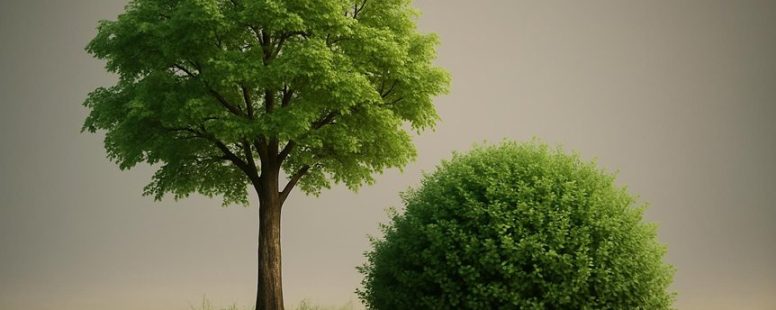
Trees and bushes are both plants that add beauty and greenery, but they have clear differences. The main difference is how deep their roots grow. Trees usually develop roots that go much deeper into the soil. This helps them find water and nutrients in lower layers, making them better at surviving droughts. Bushes, on the other hand, have shallower roots. This makes bushes easier to transplant and care for because you don’t have to dig up as much soil.
Another difference is how they flower. Many trees bloom at specific times of the year and put on a big show of flowers. For example, cherry trees bloom beautifully in spring. Bushes often flower more often or even all year round. They can give a steady splash of color, like roses or hydrangeas.
Knowing these differences can help you pick the right plant for your yard. If you want a big, long-lasting tree that needs less watering once it’s grown, choose a tree. But if you want easy-to-move plants that flower often, bushes are a good choice. Both have their good and bad sides. Trees need more space and time to grow, while bushes are simpler to take care of but might not last as long.
Should You Plant a Tree or a Bush? Key Factors to Consider
Choosing between planting a tree or a bush depends on what you want and your yard’s conditions.
The biggest factor is root spread. Trees usually have roots that grow deep and wide. This can cause problems if they get too close to your house or underground pipes. For example, a large oak tree’s roots can crack a driveway if they spread underneath. Bush roots are more contained and easier to manage. If you want a plant that stays close to the ground and is simple to care for, a bush might be better.
Pest problems are also something to think about. Some bushes attract more pests than trees, or vice versa. If pests are a big issue in your area, choosing a plant that resists pests might save you trouble. For example, some ornamental bushes like boxwoods can get pests easily, while certain trees like maples are less inviting to pests.
Maintenance level is another consideration. If you want something low-maintenance, a small bush is usually easier to care for than a large tree. Trees may need pruning and care over many years, while bushes often need less work. But if you want shade or privacy, a tree’s benefits might be worth the extra effort.
Thinking about your goals helps a lot. Do you want a quick, simple plant or a large, shady one? Do you have underground pipes close to the planting spot? Will pests be a problem? Knowing these things can help you decide. Remember, both trees and bushes have good and bad points, so choose what fits your yard best.
How Do Maintenance Needs Differ Between Trees and Bushes?
Trees and bushes need different types of care to stay healthy. Understanding these differences can help you decide what to do and when.
Trees usually need less frequent pruning than bushes. You might only need to prune a tree every few years to remove dead or broken branches. This keeps the tree safe and healthy. But trees also have big roots that can cause problems if they are not cared for. If a tree is near your house or sidewalk, you should check its roots regularly. Roots can grow into pipes or foundations and cause damage. So, while trees don’t need as much pruning, they need careful root maintenance.
Bushes need more regular pruning. Some bushes may need trimming several times a year. This helps keep their shape and stops them from getting too wild. If you don’t trim bushes, they can become overgrown and harder to manage. Think about a hedge that needs trimming to stay neat. Regular pruning also encourages new growth and keeps pests away.
Both trees and bushes need their roots checked too. For trees, roots are often larger and more spread out. This means you should be extra careful when planting or digging near a big tree. Damaging roots can hurt the tree or even cause it to fall. For bushes, roots are smaller, but they still need to be healthy to keep the plant strong.
Some people might think that trees and bushes need the same care. But understanding their differences can save you time and effort. For example, if you only prune trees once every few years, you might miss the chance to keep your bushes tidy. On the other hand, over-pruning trees can weaken them if done too often.
Which Provides Better Privacy and Shade?
Trees or bushes: Which gives better privacy and shade?
Trees are better if you want lots of shade and some privacy. Their tall height and wide canopies block sunlight and create cooler, more private spaces. For example, a big oak tree in your yard can keep you cool on hot days and hide your patio from neighbors. Trees also attract birds and insects, giving your yard a lively feel.
Bushes are good if you need quick privacy close to your house. They can be shaped to block views while still letting in some sunlight. For example, a row of neatly trimmed boxwoods can hide your windows without making the space dark. Bushes are flexible because they grow faster and can be moved or trimmed easily.
When choosing between the two, think about your space and what you want. Trees need deep, well-drained soil and take years to grow big. Bushes can grow in different soils and grow faster. Shade from trees lasts longer during the day, while bushes give you more immediate privacy.
Both options have good and bad points. Trees give lots of shade and attract wildlife but take time to grow. Bushes are quick and flexible but don’t give as much shade. Your choice depends on how much space you have, your soil, and whether you want shade or privacy first.
How Do Trees and Bushes Affect Your Garden’s Look?
Trees and bushes are key parts of a garden because they change how it looks and feels. They can make a garden look more organized or more natural. Some trees and bushes are tall and strong, giving the garden a sense of structure. Others are smaller and spread out, making the space feel wild and free.
They also offer privacy and protection from the wind. If you want a quiet, cozy spot in your yard, planting bushes or trees can help block noise and keep prying eyes away. For example, a row of evergreen bushes can create a natural wall that hides your yard from neighbors.
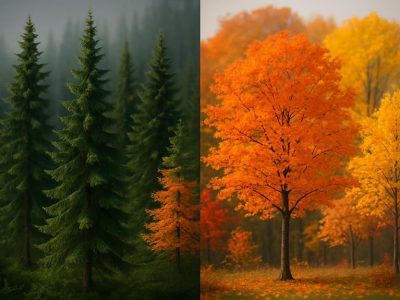
Plus, trees and bushes change with the seasons. In spring and summer, they have bright leaves and flowers. In fall, their leaves turn beautiful colors, and in winter, some trees stay green or have interesting shapes. This makes the garden look different all year round, adding beauty and interest.
Some people love the look of a neat, trimmed garden with carefully pruned bushes. Others prefer a more natural style with wild, free-growing plants. Both ways can work well depending on what you want. But it’s good to remember that trees and bushes need care. They can grow big and block sunlight or create shade where you don’t want it.
Visual Impact and Style
Trees and bushes are key to how your garden looks. They create a strong visual impact and help shape the style of your outdoor space. Trees, with their tall and wide shapes, stand out and make a big impression. They give your garden height and a focal point that catches the eye. On the other hand, bushes are smaller and denser. They add color with flowers or colorful leaves and bring different textures that make your garden more interesting.
Here are some helpful ideas:
- Trees are great for adding height and drawing attention. They help make your garden look more dramatic and balanced.
- Bushes can add pops of color, especially when they bloom with flowers. They also soften the edges of a garden or define specific areas.
- Mixing different textures, like rough tree bark with smooth leaves, makes the garden more lively and full of variety.
- Using both trees and bushes together creates a layered look that makes your garden feel full and inviting.
Keep in mind that while big trees add drama, they also need space and regular maintenance. Some fast-growing trees can become too large quickly, so choose carefully. Bushes are easier to manage but might need trimming often to stay neat.
If you want a garden that is vibrant and full of contrast, combining trees and bushes is a smart choice. They work well together to create a balanced look. But remember, planning your garden with your space and maintenance habits in mind will help keep it looking great over time.
Privacy and Shelter
Trees and bushes both help make your garden more private and protected, but they do it in different ways.
Trees are great for creating natural barriers that block views and wind. They grow tall and wide, giving you a sense of seclusion. Plus, trees attract birds and insects, turning your garden into a lively habitat. For example, planting a row of evergreens like spruces or cedars can give you year-round privacy. One warning is that trees take time to grow, so you won’t see full coverage right away.
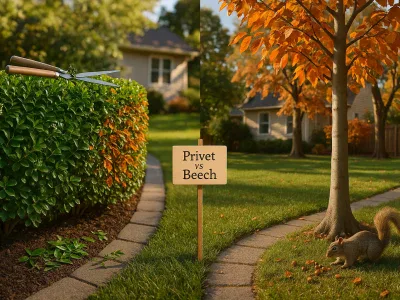
Bushes are a quick way to add privacy at ground level. They can be shaped easily to fit your garden’s look and can be planted closer together for a dense screen. For instance, boxwoods or privets are popular choices because they grow fast and stay full. Bushes also improve soil health over time, just like trees do. However, bushes don’t provide as much shade or wind protection as trees do.
Both trees and bushes can improve your soil and make your garden more attractive. Deciding which to use depends on your space and how much privacy you need. Some people plant a mix of both for a layered, lush look. Keep in mind that trees take longer to grow but can offer better protection, while bushes grow quickly and are easy to shape. Using both can give your garden the best of both worlds.
Foliage and Seasonal Changes
Foliage and seasonal changes are key to making your garden look great all year. Different trees and bushes change color and bloom at different times, giving your garden a fresh look each season.
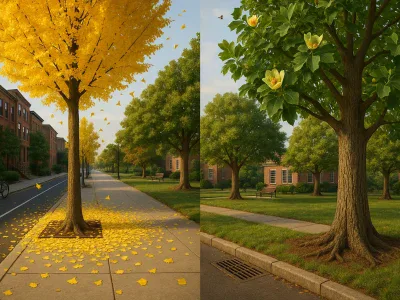
Foliage color is the most noticeable change. Many trees turn bright reds, oranges, and yellows in fall, while some keep their green leaves longer. This change makes your yard look warm and lively. For example, maple trees are famous for their stunning fall colors. Some bushes, like boxwood, stay green all year, giving constant greenery.
Spring is the time for new flowers. Many trees and bushes bloom with colorful flowers that attract bees and butterflies. These blooms add bright patches of color and smell nice. Summer is when foliage gets thick and lush, giving plenty of shade and a vibrant look. Plants like hydrangeas and roses bloom heavily in summer, making the garden lively.
Knowing these seasonal patterns can help you pick the right plants for your garden. If you want a colorful fall, choose trees like maples or sweetgums. For year-round greenery, plant evergreen bushes like holly or juniper. Some plants, like magnolia trees, bloom in spring and keep their leaves all year, offering both color and constant coverage.
Keep in mind that not all plants change at the same time. Some trees may take longer to turn color, and not every bush blooms every year. Also, climate matters. In warmer areas, some plants might stay green longer or bloom more often. So, think about your local weather when choosing your plants.
Environmental Factors: What Matters for Your Choice?
Environmental factors are key when choosing between a tree or a bush for your yard. To decide what is best, you need to compare how each plant fits your space and environment.
One important factor is wildlife habitat. Trees usually give more shelter and places for birds and insects to nest. If attracting wildlife matters to you, a tree might be better. But if you want a quick, easy plant that fits small spaces, a bush can work well too.
Soil quality is also very important. Some plants only grow well in certain soils. Before planting, test your soil’s pH and how well it drains water. If your soil is compacted or holds too much water, a bush might grow better at first. Trees often need better soil conditions and more space.
Sunlight and space are other big factors. Trees need more room to grow tall and wide, while bushes stay smaller. Think about how much sun your yard gets. Some plants need full sun, while others prefer shade. Choose what matches your yard’s conditions to keep your plants healthy.
Understanding your environment helps you make a smarter choice. Remember, a tree may attract more wildlife but needs more care and space. A bush might be easier to handle but offers fewer shelter spots. Both have good and bad points — it depends on what you want and what your yard can support.
Cost and Growth Timeline: What Should You Expect?
Trees cost more at the start but take longer to grow. They can live for many decades and give big benefits in the long run. Planting a tree might cost more money and require more care in the beginning. It can take 10 to 20 years or more for a tree to reach full size. But once it’s grown, it provides shade, blocks wind, and can even increase property value.
On the other hand, bushes are cheaper and grow faster. You can see results in just one to three years. They need less maintenance and can be replaced easily if needed. However, bushes don’t last as long as trees and might need to be replaced sooner.
When comparing costs, think about planting expenses, how much care they need, and how long they last. If you want a quick fix and lower costs, bushes are a good choice. But if you want something that lasts for many years and offers more shade and privacy, trees are better despite the higher initial price.
Some people worry that trees take too long to grow and cost too much. That’s true, but they also add more value and beauty over time. Others prefer bushes because they grow faster and cost less upfront. Both choices have good points and some limits. Think about what you want and how much time and money you have before deciding.

- Mikrotik Product Comparison - October 20, 2026
- Fbm Competitors - October 19, 2026
- When Is Best for Pregnancy Test - October 18, 2026
by Ellie B, Site Owner / Publisher