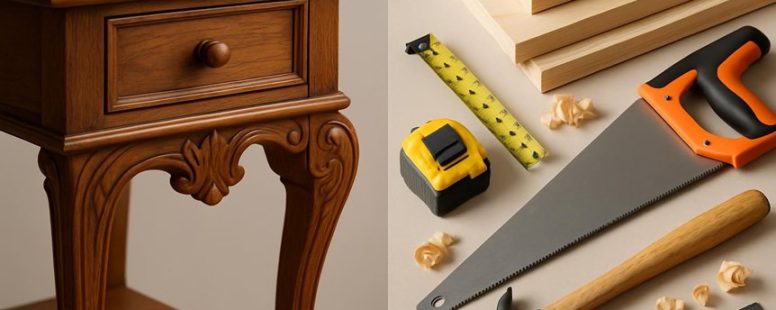
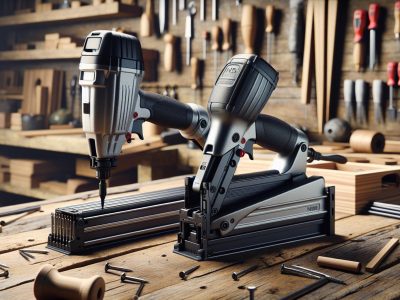
Imagine walking into a workshop where the scent of fresh-cut wood fills the air and the gentle hum of saws creates a symphony of craftsmanship.
Many believe woodworking and carpentry are simply different names for the same craft, but the truth is more fascinating. Deciphering their true differences is like unlocking a secret code that reveals unexpected benefits—such as the ability to turn raw timber into timeless art or sturdy structures.
Understanding these distinct goals and outcomes can transform how you see these skills, whether you’re dreaming of creating beautiful furniture or building a backyard sanctuary.
Ready to uncover what truly sets them apart?
What Are Woodworking and Carpentry?
Woodworking and carpentry are two different crafts that involve working with wood. Woodworking is about making detailed and decorative items like furniture, sculptures, and small crafts. It requires measuring carefully to make sure everything fits and looks good. For example, a woodworker might create a beautiful carved chair or a picture frame. Safety is very important because they use sharp tools and power saws, which can be dangerous if not handled carefully.
Carpentry focuses on building strong structures like houses, decks, or framing. The main goal is to make sure these structures are sturdy and last long. Carpenters work on larger projects and need skills in measuring, cutting, and assembling big pieces of wood. For example, they might build the walls of a house or put together a porch.
Both crafts need attention to detail and safety. Woodworking emphasizes the finish and look of small, decorative items, while carpentry is more about creating strong, safe structures. Knowing the difference helps you understand what tools and skills are needed for each. Both crafts can be rewarding but come with risks, especially when working with sharp tools and heavy materials. Being careful and following safety rules is very important in both types of work.
How Do Their Goals and Purposes Differ?
Woodworking and carpentry have different goals because they serve different purposes. Woodworking is mainly about making art, crafts, and decorative items. People who do woodworking focus on creating beautiful furniture, sculptures, or ornaments. They care about style, skill, and keeping old traditions alive. For example, a woodworker might carve intricate designs into a chair or make a detailed wooden statue. It’s about showing personal talent and making things that look nice.
Carpentry, on the other hand, is about building and fixing things that are useful. Carpenters work on houses, bridges, and other structures that need to be strong and safe. They use different tools like saws, hammers, and drills to put together frameworks and support systems. Their main goal is to make sure buildings last a long time and are safe for people to use. For example, a carpenter might build the frame of a house or repair a broken door.
Some people see woodworking as a way to express creativity and keep traditions alive. Others think carpentry is more about function and making sure buildings are sturdy. Both are important, but they focus on different things. Woodworking can be more artistic, while carpentry is more practical. Knowing these differences helps us understand how each one adds to society—whether through beautiful art or strong, safe buildings.
What Skills and Techniques Are Unique to Each?
Woodworking and carpentry are different skills that focus on different goals. Woodworking is about making detailed and precise items using hand tools. Carpenters mainly work on building things like walls and frameworks using power tools.
In woodworking, the main skills are controlling hand tools like chisels, planes, and saws. These tools help make small, exact pieces. Finishing is also very important in woodworking. This means smoothing surfaces and applying stains or varnishes to make the piece look nice. For example, a woodworker might carve a detailed jewelry box and then sand it smooth before adding a shiny finish.
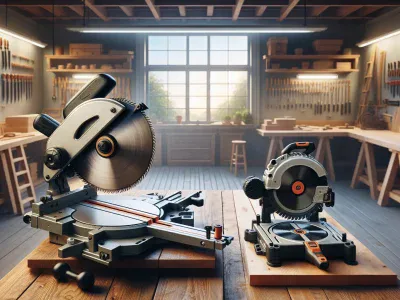
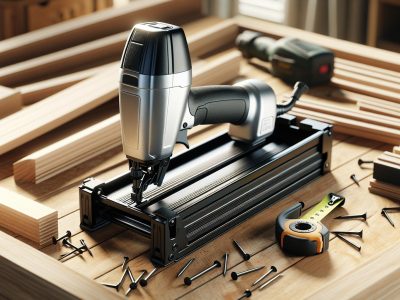
On the other hand, carpentry focuses on building strong structures. Carpenters measure carefully and use power tools like drills, saws, and nail guns to put up walls or roofs. Their goal is to build things fast and correctly so they last a long time. For example, a carpenter might frame a house using a circular saw and a hammer.
Both skills are useful but require different techniques. Woodworkers need to be very precise and pay attention to small details. Carpenters need to be quick and accurate with larger projects. Some people might be good at both, but most focus on one.
If you want to make fine furniture, woodworking skills are best. If you want to build houses or large structures, carpentry skills are more useful. Each has its own tools and methods, and knowing the difference can help you choose what to learn or do first.
What Projects Can You Expect in Woodworking and Carpentry?
In woodworking and carpentry, you can expect a variety of projects that show different skills and goals. For example, building custom furniture like tables and chairs is a common project. These tasks need precise measurements and good finishing skills. Sometimes, people work on home improvement tasks, such as installing shelves or fixing doors. These projects help improve your home and can be done with basic tools like drills and saws.
Another popular type of project is creating decorative woodwork designs. This could include making picture frames or intricate wood carvings. These projects let you use more detailed techniques and show off your creativity.
Some projects are easier for beginners, like making a simple bookcase or small stool. Others, like installing kitchen cabinets, might require more experience and careful planning. If you’re just starting, try small projects first to build your skills and confidence.
Keep in mind that some projects can be challenging. For example, creating complex carvings might take lots of practice and patience. Also, some tasks like installing large cabinets need tools and safety precautions.
There are different opinions on what projects are best for beginners. Some say starting with small, simple projects helps you learn faster. Others believe tackling bigger projects can boost your skills quicker. Either way, always follow safety rules and use the right tools for each job.
Whether you want to make furniture or fix up your house, woodworking and carpentry offer many ways to create useful and beautiful things. Choosing the right project depends on your skill level and what you enjoy most.
Custom Furniture Creations
Custom furniture is any furniture piece made to fit a person’s special needs or style. These projects are usually built with woodworking and carpentry skills. Woodworkers often focus on small, detailed pieces like decorative tables or intricate cabinets. Carpenters tend to make larger, functional furniture like beds or shelves. Both crafts can create beautiful, one-of-a-kind furniture that fits perfectly in a home.
Many people choose to make custom furniture with sustainable woods. This means they pick environmentally friendly materials that do less harm to the planet. For example, some artisans use reclaimed wood from old buildings or furniture. This helps reduce waste and protects forests. Creating furniture with eco-friendly woods can be both beautiful and good for the environment.
If you want to make your own furniture, here are some basic steps: first, decide what kind of piece you want to build. Second, choose the right wood and tools. Third, plan your design carefully. Finally, follow safety rules and take your time to assemble the pieces. It can be fun to see your idea turn into a real piece of furniture.
Some people say woodworking is better for small, artistic projects, while carpentry is best for large, practical furniture. Both have their strengths and limits. For example, detailed woodworking can take longer and require more skill. On the other hand, carpentry can be faster but may lack the fine details of woodworking.
In the end, making custom furniture lets you mix craftsmanship with caring for the environment. Whether you focus more on artistic details or practical designs, you can create pieces that are both beautiful and eco-friendly. Have you ever thought about building furniture yourself? It’s a rewarding way to add unique touches to your home.
Home Improvement Projects
Woodworking and carpentry are both ways to improve your home by working with wood. Woodworking is about making detailed projects like furniture or shelves, while carpentry focuses on larger tasks like building frames, installing cabinets, or making decks. Both skills can be used to fix things or create new features in your house.
Using traditional techniques from history can help make your projects more authentic and last longer. For example, some carpenters still use old methods to build sturdy wooden beams, just like they did decades ago. Many people also choose eco-friendly options, like reclaimed wood or natural finishes, to help the environment. This means you can do good for the planet while creating useful and beautiful parts of your home.
If you want to start a project, it helps to understand what each type of work involves. For instance, carpentry usually needs tools like saws, hammers, and drills, and focuses on the structure of your house. Woodworking might involve more detailed work with smaller tools like chisels and sanders, and often results in furniture that adds style to your space.
Some people warn that woodworking can be tricky if you are new, and mistakes can be costly. On the other hand, carpentry projects might require heavy equipment and more planning. Whether you want to build a new deck or craft a custom bookshelf, knowing the differences helps you decide what skills to learn first.
In the end, both woodworking and carpentry are great ways to improve your home. They let you add personal touches or fix up your space with durable, attractive results. If you enjoy working with your hands and want to create something lasting, these crafts are worth exploring.
Decorative Woodwork Designs
Decorative woodwork designs are a great way to add personality to your home. They can make plain furniture or walls look more interesting and attractive. Two common types of decorative woodwork are carvings and moldings.
Carvings are detailed designs that you cut into wood. You can create patterns, shapes, or even pictures on furniture or wall panels. For example, a carved wooden headboard can become a beautiful feature in a bedroom. If you want to try carving, start with simple shapes like leaves or flowers. As you get better, you can make more complex designs.
Moldings are strips of wood used to frame or decorate parts of your house. They are often used around doors, windows, or ceilings. Moldings can be simple with straight lines or fancy with intricate patterns. For example, crown molding at the top of a wall can make a room look more elegant. Installing moldings is easier with a saw, nails, and some glue. You can find many styles at local hardware stores like Home Depot or Lowe’s.
Some people prefer to focus on carvings because they are more artistic and unique. Others might choose moldings because they can be added faster and cover larger areas. Both types of decorative woodwork can turn plain surfaces into eye-catching features. They are a good way to show off your craftsmanship and give your home a special look.
However, keep in mind that carvings require more skill and patience. If you are new to woodworking, start with simple projects. Moldings are more straightforward but still need careful measuring and cutting. Whether you want to carve intricate designs or just add a simple molding, decorative woodwork can be a fun and rewarding part of making your home beautiful.
Where Do These Crafts Usually Take Place?
Woodworking usually takes place in dedicated workshops. These are special rooms with tools, workbenches, and good lighting, making it easier to focus on detailed projects. People often use brands like Bosch or DeWalt for their tools. It’s like a craft room, but for making furniture, sculptures, or small wooden items.
Carpentry happens mostly on-site at construction sites. Builders come to the location where the house or building is being built. They use portable tools like saws and drills to do tasks like framing walls or installing cabinets. Imagine a builder working outside on a house, measuring and cutting wood right there on the spot. Sometimes it can be messy, and weather can slow down work.
Some people prefer woodworking inside because it’s safer and cleaner. Others like carpentry outside because they can see their work come together in real life. Both crafts need different tools and setups, and understanding where each takes place helps people choose the right one for their project.
Workshop Environments
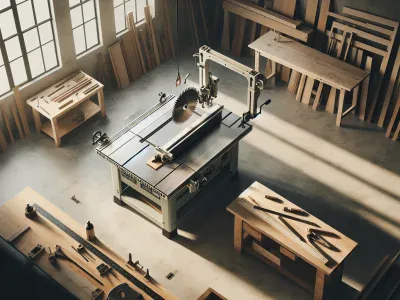
A workshop is a special space where woodworking and carpentry usually happen. These spaces are made to keep people safe and help them work efficiently. Workshops often have good ventilation, bright lighting, and neat organization to stop accidents. Tools are very important here. Taking care of tools with regular cleaning and tuning keeps them safe and accurate to use. Workshops can be in a garage, a small shed, or a big building made just for woodworking. Some are small and used by hobbyists, while others are large and professional. The place you work in can change how good your work is and how safe you stay. A clean and organized workshop makes it easier to focus on your craft and stay safe. Setting up the space right and keeping it in good shape is very important for a safe and productive work area.
On-Site Locations
Woodworking and carpentry projects are done in different places, depending on the type of work. Outdoor projects, like building decks or fences, are usually done right at the site where the project is. This way, workers can assemble and make quick changes on the spot. For example, a carpenter building a fence can see how it fits as they go, saving time and effort.
Restoration work, especially for historic buildings, is often done on-site at the location itself. This is because working with old materials and techniques requires precision and respect for the original design. For instance, restoring a wooden door in a historic house means working where the door is, so the work matches the original style.
Many woodworking projects, such as making furniture or cabinets, happen in a dedicated workshop first. Here, craftsmen can focus on details and use tools more carefully before delivering the finished product. Imagine a furniture maker building a custom table in their workshop, then delivering it to the customer’s home.
The place where work happens depends on what is being made. Quick outdoor jobs are best at the site, while detailed or delicate work often needs a workshop. Knowing where carpentry and woodworking take place helps us understand why some projects are done on-site and others in a shop. Both locations are important and fit different needs.
What Materials and Tools Do You Need?
Materials and tools are the most important things you need before starting woodworking or carpentry projects. The right materials help your work last longer and look better. The main material is quality timber, which is essential whether you are making furniture or building a frame. For woodworking, you should choose timber based on how the wood grain looks, how dense it is, and how well it takes a finish. Carpentry often uses larger and stronger wood pieces that can hold up a structure.
Here are some tools and safety gear you will need:
Hand tools like saws, chisels, and hammers. Saws come in different types, such as hand saws and back saws, each suited for specific cuts. Chisels help shape wood, and hammers are used to drive nails or adjust pieces.
Power tools like drills and sanders. Drills make holes fast and easy, while sanders smooth rough surfaces.
Safety gear including goggles and masks. These protect your eyes from flying wood chips and your lungs from dust.
Knowing how to pick the right timber and how to finish your work well makes a big difference. For example, a good finish can make a plain table look professional. But be careful—power tools can be dangerous if not used right. Always read instructions and wear safety gear.
Some people prefer to buy brands like DeWalt or Makita for power tools because they last longer. Others might choose cheaper tools but need to replace them sooner. Think about what projects you want to do and pick tools accordingly. Starting with basic tools and learning how to use them well is a good way to begin your woodworking or carpentry journey.
How Do Their End Results and Outcomes Compare?
Woodworking and carpentry both create useful and attractive items, but their results are quite different in quality, size, and purpose.
Woodworking is mainly about making small, detailed pieces like fancy furniture, carvings, or decorative items. These projects focus on fine details and beauty. For example, a crafted jewelry box or a carved sculpture shows skill and artistic style. The goal is often to make something look beautiful and unique, reflecting the maker’s personal touch.
Carpentry, on the other hand, deals mostly with building big structures like houses, decks, or framing walls. These projects need to be strong and last a long time. For example, the wooden beams in a new house or the stairs in an office building are typical carpentry results. The main goal is to create things that are practical and sturdy, not necessarily fancy.
Some people like woodworking because it lets them express creativity with detailed work. Others prefer carpentry for the satisfaction of building something large and useful. Both have their strengths and limitations. Woodworking can be time-consuming and expensive if you focus on tiny details, while carpentry needs strong, durable materials and precise measurements for safety.
Can You Combine Skills From Both Crafts?
Combining skills from woodworking and carpentry is a smart way to make better projects. Woodworking usually focuses on detailed, decorative pieces, while carpentry often involves building bigger structures like furniture or frames. When you mix these skills, you can create unique and strong projects.
For example, you can restore old vintage furniture with precise carpentry techniques. This means fixing or rebuilding parts to make the piece look new but keep its original charm. You can also design custom storage units using sustainable materials like reclaimed wood. This helps the environment and makes your pieces special. Another idea is creating decorative woodwork that uses traditional carving or joinery methods. These details make your work stand out.
If you want to combine these skills, here are some steps to follow:
Decide what project you want to make or restore.
Use carpentry skills to build the main structure or repair parts.
Add decorative touches using woodworking techniques like carving or finishing.
Choose eco-friendly materials to make your project more sustainable.
Finish your work with eco-friendly paints or finishes to protect the wood and the environment.
Some people might warn that blending these skills takes time and practice. For example, vintage woodworking often requires patience and careful detail, while carpentry might focus more on strength and precision. Combining them means you need to be good at both, which can be hard for beginners.
Others believe it is worth trying because it opens more creative options. You can make furniture that is both beautiful and durable. Just remember, not every project needs every skill. Sometimes, it’s better to focus on one area and add small woodworking details later.
In the end, combining woodworking and carpentry skills can make your projects more interesting and useful. It takes practice, but it can lead to some really impressive pieces you can be proud of.
Is Woodworking or Carpentry Right for You?
Woodworking and carpentry are two types of jobs that use wood, but they are quite different. Knowing which one is right for you depends on what kind of projects you like and how you prefer to work with wood.
Woodworking is about making detailed and artistic things. For example, you might build furniture, carvings, or decorative pieces. People who enjoy working carefully and paying attention to small details usually like woodworking best. It also needs good tool care and safety rules to avoid injuries. If you like working in a quiet workshop with fine crafts, woodworking could be a good fit.
Carpentry is more about building things on a larger scale. Carpenters often work on houses, decks, or framing structures. This work is more practical and requires understanding safety rules for job sites. If you enjoy working outside or on big projects, carpentry might suit you. It involves using tools like saws, hammers, and drills to put up buildings or repairs.
Both woodworking and carpentry need safety practices and good tool care. But if you prefer making detailed, artistic things, woodworking is better. If you like building and working on big projects, carpentry might be your choice. Think about what kind of work you enjoy and where you want to work most, whether in a workshop or outside. This will help you decide which path to follow.
To provide the best experiences, we use technologies like cookies to store and/or access device information. Consenting to these technologies will allow us to process data such as browsing behaviour or unique IDs on this site. Not consenting or withdrawing consent, may adversely affect certain features and functions.
Functional
Always active
The technical storage or access is strictly necessary for the legitimate purpose of enabling the use of a specific service explicitly requested by the subscriber or user, or for the sole purpose of carrying out the transmission of a communication over an electronic communications network.
Preferences
The technical storage or access is necessary for the legitimate purpose of storing preferences that are not requested by the subscriber or user.
Statistics
The technical storage or access that is used exclusively for statistical purposes.The technical storage or access that is used exclusively for anonymous statistical purposes. Without a subpoena, voluntary compliance on the part of your Internet Service Provider, or additional records from a third party, information stored or retrieved for this purpose alone cannot usually be used to identify you.
Marketing
The technical storage or access is required to create user profiles to send advertising, or to track the user on a website or across several websites for similar marketing purposes.