You’ve probably come across the terms EKG and ECG, leaving you wondering if there’s a difference or if one is simply a typo of the other. These abbreviations might sound like medical jargon, but they hold the key to understanding your heart’s rhythm and electrical activity. Whether it’s a routine check-up or a critical diagnostic tool, these tests play a vital role in modern healthcare.
But why are there two terms for what seems like the same thing? Is one more advanced, or does it depend on where you are in the world? Decoding the mystery behind EKG and ECG not only clears up confusion but also gives you a deeper appreciation for the science that keeps your heart in check. Let’s unravel the story behind these terms and what they truly signify.
What Is An EKG?
An EKG stands for electrocardiogram, an essential test in diagnosing heart conditions. It’s used to measure the electrical activity of your heart. This test detects irregular heart rhythms like atrial fibrillation or conditions such as coronary artery disease.
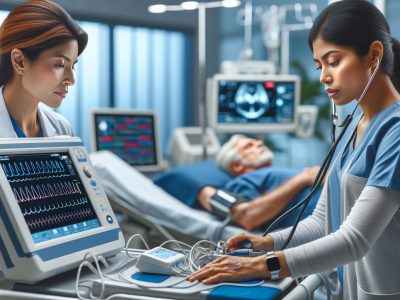
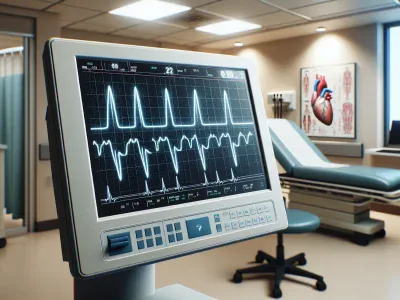
The EKG involves placing electrodes on your skin that transmit electrical signals from your heart to a machine. These electrodes monitor your heartbeat’s electrical impulses, which appear as waveforms on a graph. Healthcare professionals analyze these waveforms to identify abnormalities.
EKGs are often used during annual check-ups or if symptoms like chest pain, fatigue, or shortness of breath occur. For example, if you experience sudden dizziness, a doctor might conduct an EKG to check for arrhythmias. Emergency responders may also rely on EKG readings in critical situations, such as heart attacks, as it provides immediate insights into cardiac function.
What Is An ECG?
An ECG, or electrocardiogram, records your heart’s electrical activity over a specific period. It identifies how fast your heart beats, whether it’s steady or irregular, and detects any abnormalities in its rhythm. Healthcare providers rely on ECGs to diagnose and monitor conditions like arrhythmias, coronary artery disease, and heart attacks.
The procedure is straightforward. Small electrodes are placed on your chest, arms, and legs, which capture the heart’s electrical signals. These signals are displayed as waveforms that represent each heartbeat’s electrical phases. Medical professionals assess these waveforms’ shapes, durations, and intervals for signs of potential issues. For example, a prolonged QT interval might signal a risk for ventricular arrhythmias.
ECGs are non-invasive and safe. They play an essential role during routine exams, pre-surgical assessments, or in cases of symptoms like fatigue, shortness of breath, or fainting. Portable devices, such as wearable heart monitors, have made continuous ECG tracking accessible for individuals at risk.
EKG Versus ECG: Key Differences
Although EKG and ECG appear different, they’re interchangeable terms for the same diagnostic tool: the electrocardiogram. The distinction primarily lies in terminology and historical usage.
Terminology Differences
EKG derives from the German spelling, “Elektrokardiogramm,” while ECG originates from the English term, “electrocardiogram.” Both abbreviations describe the same medical process. The German spelling avoids confusion with “EEG,” which measures brain activity, maintaining clarity in international medical contexts.
Historical Origins
EKG became popular due to Willem Einthoven, a Dutch physiologist who pioneered the electrocardiogram in 1903 and leaned on German terminologies common in scientific literature of the time. ECG gained prominence as English-speaking medical communities adopted the technology, reflecting linguistic preferences rather than functional differences. The gradual adoption of ECG over EKG in English-speaking countries mirrors broader globalization trends in healthcare terminology.
Benefits Of EKG And ECG Tests
Both EKG and ECG tests provide invaluable insights into cardiac health, enabling effective diagnosis and monitoring. These non-invasive tools are essential for proactive heart care.
Understanding Heart Health
EKG and ECG tests map the heart’s electrical signals, revealing underlying conditions that may not present symptoms. By capturing this data, healthcare professionals can evaluate heart function, identify rhythm abnormalities, and assess overall cardiac well-being. For example, these tests detect irregular heartbeat patterns, such as atrial fibrillation, allowing prompt intervention. Regular use of these diagnostics is particularly beneficial for those with family histories of heart disease or chronic conditions like diabetes.
Early Detection Of Heart Conditions
The value of early detection lies in preventing severe complications. EKGs and ECGs identify warning signs of major issues, including coronary artery disease and heart attacks, at early stages. For instance, abnormal waveforms may signal arterial blockages without visible outward symptoms. Early diagnosis reduces the risk of life-threatening events by facilitating timely treatment plans. In emergency settings, these tests quickly assess damage, improving survival rates and outcomes.
Common Misconceptions About EKG And ECG
Confusion surrounding EKG and ECG often arises from their perceived differences, but understanding their true context eliminates any ambiguity.
1. Different Tests, Different Purposes
EKG and ECG are mistakenly assumed to represent two distinct tests. In reality, they’re identical procedures. The difference lies in terminology, with EKG derived from the German “Elektrokardiogramm” and ECG from the English “electrocardiogram.” Both terms refer to the same diagnostic test used to analyze electrical activity of your heart.
2. EKG Is More Accurate
Some believe EKG provides more precise results than ECG. This is incorrect, as both terms relate to the same test, meaning their accuracy is identical. Any perceived difference usually stems from variations in healthcare providers’ communication rather than the test itself.
3. Usability Limited to Medical Professionals
People often think only doctors or nurses can interpret EKG/ECG results. While healthcare providers lead the diagnostic process, devices like portable ECG trackers now allow individuals to monitor heart health regularly. These advancements make heart monitoring accessible outside clinical settings.
4. EKG Is Outdated Terminology
There’s a misconception that EKG is an obsolete term. It’s, but, still widely used, particularly in regions or fields emphasizing German medical traditions. Its usage persists alongside ECG in contemporary healthcare environments globally.
When To Use The Terms EKG Or ECG
Use EKG in contexts where German medical traditions are prominent or historical references to the term “Elektrokardiogramm” are being made. For instance, many medical facilities in Europe, especially Germany, continue to use EKG due to its linguistic origins. If you’re referring to literature, research, or documentation from regions influenced by German-speaking medical communities, EKG would be the preferred term.
Choose ECG in English-speaking medical environments, as “electrocardiogram” is the standard term. Most international medical journals, textbooks, and clinical guidelines adopt ECG for consistency. In hospitals, clinics, and academic discussions occurring in English, ECG aligns with the broader linguistic conventions.
Avoid confusion by considering the audience and setting. For example, patients in the United States are more familiar with ECG, while physicians with training in German-influenced regions might expect EKG. Tailoring terminology ensures clear communication in diverse healthcare scenarios.
Both terms are interchangeable and indicate the same testing procedure measuring heart’s electrical activity, so the decision often rests on linguistic or regional norms rather than functional differences.
Conclusion
Understanding the terms EKG and ECG helps you navigate heart health discussions with confidence. While the terminology may vary, both refer to the same essential diagnostic tool that plays a critical role in identifying and managing heart conditions.
Whether you encounter EKG or ECG, the focus remains on proactive heart care and early detection of potential issues. By recognizing the significance of these tests, you’re better equipped to prioritize your cardiovascular health and make informed decisions alongside your healthcare provider.
To provide the best experiences, we use technologies like cookies to store and/or access device information. Consenting to these technologies will allow us to process data such as browsing behaviour or unique IDs on this site. Not consenting or withdrawing consent, may adversely affect certain features and functions.
Functional
Always active
The technical storage or access is strictly necessary for the legitimate purpose of enabling the use of a specific service explicitly requested by the subscriber or user, or for the sole purpose of carrying out the transmission of a communication over an electronic communications network.
Preferences
The technical storage or access is necessary for the legitimate purpose of storing preferences that are not requested by the subscriber or user.
Statistics
The technical storage or access that is used exclusively for statistical purposes.The technical storage or access that is used exclusively for anonymous statistical purposes. Without a subpoena, voluntary compliance on the part of your Internet Service Provider, or additional records from a third party, information stored or retrieved for this purpose alone cannot usually be used to identify you.
Marketing
The technical storage or access is required to create user profiles to send advertising, or to track the user on a website or across several websites for similar marketing purposes.