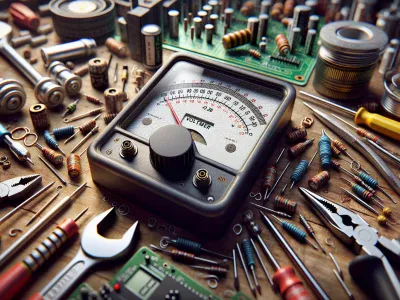
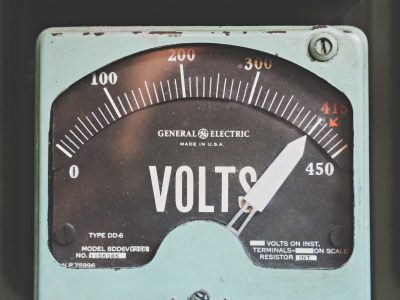
When you flip a light switch or turn on your smartphone, you’re interacting with two distinct yet related fields that power our modern world. Electrical and electronics engineering may sound similar, but they represent fundamentally different approaches to harnessing electricity. Understanding their differences can help you appreciate the technology that surrounds you daily.
While electrical systems primarily deal with the generation, distribution, and utilization of electric power on a larger scale, electronics focuses on controlling the flow of electrons through circuits and components to process information. You’ll find electrical systems in power grids and household wiring, whereas electronics dominate your computer chips and digital devices. This distinction, though seemingly subtle, represents a fascinating divide in how we’ve mastered electricity for different purposes.
Understanding Electrical and Electronics Engineering
Electrical and electronics engineering represent two distinct yet interconnected disciplines within the broader field of engineering. While they share common foundational principles, they diverge significantly in their applications, focus areas, and methodologies.
Electrical engineering primarily deals with large-scale electricity generation, transmission, and distribution systems. Electrical engineers design power plants, transmission lines, and electrical grids that deliver electricity to homes, businesses, and industrial facilities. They’re concerned with high-voltage systems, motors, generators, and the infrastructure that supports our power-dependent society.
Electronics engineering, conversely, focuses on smaller-scale applications involving the manipulation and control of electron flow in circuits. Electronics engineers work with integrated circuits, microprocessors, and semiconductor devices. Their expertise enables the development of computers, smartphones, medical devices, and countless other digital technologies that process information rather than simply transmitting power.
The educational paths for these disciplines reflect their differences. Electrical engineering curricula emphasize subjects like power systems, electromagnetics, and high-voltage engineering. Electronics engineering programs concentrate on digital systems, semiconductor physics, and signal processing. Many universities offer specialized tracks within broader electrical and electronics engineering degrees to accommodate these distinct career paths.
Job opportunities in both fields are abundant but serve different industries. Electrical engineers often work for utility companies, manufacturing facilities, and construction firms. Electronics engineers typically find positions with technology companies, telecommunications firms, and research institutions. Both fields offer competitive salaries, with median annual wages consistently ranking among the highest in engineering disciplines.
AI and automation have transformed both fields, creating new challenges and opportunities. Electrical engineers now integrate smart grid technologies and renewable energy systems into traditional power infrastructure. Electronics engineers continue pushing the boundaries of miniaturization, developing ever-more-powerful chips that consume less power while performing increasingly complex computations.
Even though there differences, these fields increasingly overlap in emerging technologies like electric vehicles, renewable energy systems, and smart homes. Engineers with expertise in both electrical and electronics principles are particularly valuable as technologies continue to converge and evolve.
Electrical Systems: Power Generation and Distribution
Electrical systems form the backbone of modern infrastructure, focusing on creating, transmitting, and utilizing electricity on a large scale. These systems power everything from entire cities to individual homes through carefully designed networks that deliver consistent and reliable electrical power.
Core Components of Electrical Systems
Electrical systems comprise several essential components that work together to deliver power efficiently. Generators convert mechanical energy into electrical energy through electromagnetic induction, producing the initial power that enters the system. Transformers adjust voltage levels for effective transmission, stepping up voltage for long-distance travel and stepping down for safe consumer use. Distribution networks include power lines, substations, and poles that connect power plants to end users. Circuit breakers and fuses serve as protective devices that interrupt current flow during overloads or short circuits. Load centers in homes and businesses distribute power to individual circuits through branded electrical panels from manufacturers like Square D or Siemens.
Applications of Electrical Engineering
Electrical engineering applications span across numerous industries and infrastructure systems. Power plants—including coal, nuclear, hydro, and renewable facilities—generate electricity for regional grids. The transmission network consists of high-voltage lines carrying electricity across hundreds of miles with minimal losses. Smart grids use advanced sensors and digital controls to optimize power distribution and respond to changing demands dynamically. Industrial facilities rely on electrical systems for powering heavy machinery, motor control centers, and factory automation. Residential wiring delivers electricity safely throughout homes, supporting lighting systems, appliances, and HVAC equipment.
Electrical engineers collaborate with urban planners to design lighting systems for roads, parks, and public spaces that enhance safety and visibility. They’ve also revolutionize railway systems through electrified tracks that enable faster, cleaner train transport in metros like New York City’s subway. The field continues growing with innovations in renewable integration, where engineers develop solutions for incorporating solar, wind, and other sustainable sources into existing power grids.
Electronics: Control and Manipulation of Electrons
Electronics engineering focuses on the precise control and manipulation of electrons to process information and perform specific functions. Unlike electrical systems that manage large-scale power, electronics deals with low-voltage circuits designed to amplify, transmit, and process signals.
Basic Components in Electronic Devices
Electronic devices rely on several fundamental components that form the building blocks of modern technology. Semiconductors serve as the foundation of electronics, with silicon being the most common material used in manufacturing. These materials have electrical conductivity between conductors and insulators, making them ideal for controlling electron flow.
Transistors function as electronic switches or amplifiers, controlling current flow through three terminals. These tiny components revolutionized electronics by replacing bulky vacuum tubes, enabling the miniaturization of devices. Today’s microprocessors contain billions of transistors on a single chip.
Integrated circuits (ICs) combine multiple transistors, resistors, and capacitors on a single semiconductor substrate. These complex arrangements perform specific functions and come in various forms:
Microcontrollers: Self-contained systems with processor, memory, and input/output peripherals
Memory chips: Store binary data in forms like RAM, ROM, and flash storage
Signal processors: Manipulate analog and digital signals for audio, video, and telecommunications
Printed circuit boards (PCBs) provide the physical structure connecting electronic components through conductive pathways. These multi-layered boards enable complex circuitry in compact spaces while maintaining electrical isolation between components.
Modern Electronic Applications
Electronic technology permeates virtually every aspect of contemporary life through diverse applications. Smartphones represent the convergence of multiple electronic systems, including processors, memory, radios, and sensor arrays in a handheld device. These powerful computers use specialized chips to process voice, data, and visual information simultaneously.
Medical electronics has transformed healthcare delivery through diagnostic and therapeutic devices. Examples includes:
MRI machines that use strong magnetic fields and radio waves to create detailed images
Pacemakers that monitor and regulate heartbeats through tiny implantable circuits
Glucose monitors that provide continuous readings through miniaturized sensors
The Internet of Things (IoT) connects everyday objects through electronic sensors and communication modules. Smart home systems integrate lighting, security, and climate control through networked electronic controllers. Industrial IoT applications monitor equipment performance, enabling predictive maintenance and improved efficiency.
Automotive electronics has evolved from basic ignition systems to comprehensive vehicle management. Modern cars contain dozens of electronic control units (ECUs) that regulate engine performance, safety systems, and entertainment features. Advanced driver-assistance systems rely on numerous sensors and processors to enhance safety through features like automatic emergency braking and lane departure warnings.
The field of electronics continuous to advance with innovations in quantum computing, neuromorphic chips that mimic brain function, and flexible electronics that can bend without breaking. As devices become smaller, more powerful, and more energy-efficient, electronic systems will increasingly blend seamlessly into our environment.
Key Differences Between Electrical and Electronics
Electrical and electronics engineering represent distinct branches with fundamental differences in their applications, components, and principles. These differences manifest across several key areas that define each discipline’s unique focus and approach to technological problems.
Power vs. Signal Processing
Electrical systems primarily handle power transfer and distribution, focusing on efficiently moving electrical energy from source to destination. Power generation plants, transmission lines, and industrial motors all exemplify electrical engineering’s emphasis on energy movement. For instance, the national power grid that delivers electricity to homes and businesses operates on electrical engineering principles.
Electronics systems, in contrast, concentrate on signal processing and information manipulation. These systems use controlled electrical signals to represent, process, and transmit data. Your smartphone processes millions of digital signals per second, converting voice waves into electronic data during calls. Similarly, computers manipulate binary signals to execute complex calculations and display results through sophisticated processing architectures.
Voltage Levels and Current Requirements
Electrical systems typically operate at higher voltage levels and handle larger currents than electronics systems. Power distribution networks commonly use voltages ranging from 120V in homes to 765kV in high-voltage transmission lines. Industrial electrical equipment often requires currents measured in amperes or even hundreds of amperes to function properly.
Electronics systems function at substantially lower voltages, typically between 1.5V to 24V, with modern microprocessors operating at less than 1V internally. Current requirements for electronic devices are measured in milliamperes or microamperes. Your laptop charger converts high-voltage electrical power (120V) to low-voltage electronic power (19V) suitable for delicate electronic components. This fundamental difference necessitates the use of transformers and voltage regulators when connecting electronic devices to electrical power sources.
Size and Scale Considerations
Electrical components and systems tend to be physically larger due to their need to handle higher power levels. Power transformers in substations can weight several tons, while industrial motors often require specialized installation equipment. The wiring in electrical systems must be sufficiently thick to accommodate large currents without overheating.
Electronic components have evolved toward miniaturization, with modern transistors measuring just nanometers in size. A single silicon chip might contain billions of transistors yet measure less than a square centimeter. This miniaturization has enabled the creation of powerful computing devices that fit in your pocket. The trend toward smaller, more efficient electronic components continues to drive innovations in wearable technology and implantable medical devices where space limitations are critical considerations.
Career Paths and Educational Requirements
Career options in electrical and electronics engineering offer diverse paths with specialized educational requirements. These fields provide opportunities across numerous industries, each with distinct skill sets and knowledge bases.
Electrical Engineering Careers
Electrical engineering careers center on the generation, transmission, and distribution of electrical power. Power systems engineers design and maintain infrastructure like power plants, transmission lines, and distribution networks. Protection engineers focus on implementing safety measures in electrical systems, ensuring equipment operates reliably without damage.
Job roles in electrical engineering include:
Utility engineers working with power companies to manage electricity delivery across regions
Building services engineers designing electrical systems for commercial and residential structures
Renewable energy specialists developing solar, wind, and hydroelectric power systems
Railway electrification engineers creating power systems for train networks
Educational requirements typically include a bachelor’s degree in electrical engineering with coursework in circuit analysis, power systems, electromagnetics, and control systems. Many employers value professional engineering (PE) licensure for positions involving public safety or infrastructure. Advanced positions often require a master’s degree specializing in power systems or high-voltage engineering.
The median annual salary for electrical engineers is $103,390, with jobs projected to grow 3% through 2031 according to the U.S. Bureau of Labor Statistics.
Electronics Engineering Specializations
Electronics engineering careers revolve around designing and developing electronic circuits and systems for information processing and control. This field encompasses numerous specializations that shape our digital world.
Key specializations in electronics engineering includes:
Computer hardware engineering creating processors, memory systems, and computer architecture
Telecommunications engineering developing network infrastructure, wireless technologies, and communication systems
Consumer electronics design building smartphones, televisions, gaming consoles, and other devices
Embedded systems engineering creating specialized computing systems within larger mechanical or electrical systems
Biomedical electronics designing medical devices, imaging systems, and monitoring equipment
Educational paths for electronics engineers typically begin with a bachelor’s degree in electronics engineering or electrical engineering with an electronics concentration. Coursework covers digital systems, analog electronics, semiconductor physics, and signal processing. Many roles require proficiency in programming languages and hardware description languages like VHDL or Verilog.
The industry demands continuing education as technologies evolve rapidly. Professional certifications such as the Certified Electronics Technician (CET) or specialized certifications in areas like Radio Frequency (RF) design enhance career prospects. Electronics engineers earn a median annual salary of $101,780 with particular demand in telecommunications, aerospace, and medical technology sectors.
The Convergence of Electrical and Electronics in Modern Technology
Hybrid Systems and Integrated Solutions
Hybrid systems combine electrical and electronics engineering principles to create sophisticated technological solutions. Smart grids integrate traditional electrical infrastructure with electronic monitoring systems, enabling real-time power management and efficient energy distribution. Electric vehicles (EVs) represent another prime example of this integration, using high-voltage electrical systems for propulsion while sophisticated electronic controls optimize battery usage and vehicle performance. The Tesla Model 3’s power management system exemplifies this convergence, using electronic microcontrollers to regulate electrical current flow between battery packs and motors.
IoT and Connected Devices
IoT devices bridge the gap between electrical and electronic systems by connecting physical infrastructure to digital networks. Smart home systems like Nest thermostats connect to your electrical heating systems while using electronic processors to learn usage patterns and optimize energy consumption. Industrial IoT applications monitor electrical equipment performance through electronic sensors that detect temperature variations, vibration patterns, and power fluctuations. These connected systems transform static electrical infrastructure into responsive networks that adapt to changing conditions and user preferences.
Renewable Energy Technologies
Renewable energy systems demonstrate the essential partnership between electrical and electronics engineering. Solar power installations convert sunlight into electricity through photovoltaic cells (electronics) and then distribute this power through traditional electrical systems. Power inverters serve as critical transition points, using electronic components to convert DC electricity from solar panels into AC electricity compatible with standard electrical grids. Modern wind turbines rely on electronic control systems to adjust blade pitch and generator output based on wind conditions, maximizing efficiency within larger electrical distribution networks.
Automation and Control Systems
Electronic control systems now manage complex electrical infrastructure in manufacturing, transportation, and urban environments. Programmable Logic Controllers (PLCs) direct electrical machinery in factory settings, enabling precise automation of assembly lines and production processes. Building management systems integrate electronic sensors with electrical systems to control lighting, heating, and security based on occupancy patterns and environmental conditions. These integration points create smoother, more efficient operations while reducing energy consumption and maintenance requirements.
Conclusion
Understanding the distinction between electrical and electronics engineering helps you navigate today’s technology world more effectively. While electrical systems power our world through high-voltage networks and infrastructure electronics systems process information through low-voltage circuits and components.
These fields maintain their unique identities yet increasingly converge in cutting-edge technologies like smart grids electric vehicles and IoT devices. Both disciplines are essential to modern innovation with promising career prospects.
Whether you’re considering a career path evaluating technology or simply satisfying curiosity the synergy between these two fields drives our technological future. As renewable energy and smart systems continue to evolve these disciplines will work in tandem developing solutions that power and control our increasingly connected world.
To provide the best experiences, we use technologies like cookies to store and/or access device information. Consenting to these technologies will allow us to process data such as browsing behaviour or unique IDs on this site. Not consenting or withdrawing consent, may adversely affect certain features and functions.
Functional
Always active
The technical storage or access is strictly necessary for the legitimate purpose of enabling the use of a specific service explicitly requested by the subscriber or user, or for the sole purpose of carrying out the transmission of a communication over an electronic communications network.
Preferences
The technical storage or access is necessary for the legitimate purpose of storing preferences that are not requested by the subscriber or user.
Statistics
The technical storage or access that is used exclusively for statistical purposes.The technical storage or access that is used exclusively for anonymous statistical purposes. Without a subpoena, voluntary compliance on the part of your Internet Service Provider, or additional records from a third party, information stored or retrieved for this purpose alone cannot usually be used to identify you.
Marketing
The technical storage or access is required to create user profiles to send advertising, or to track the user on a website or across several websites for similar marketing purposes.