Spotting a small creature in the wild can feel like deciphering a secret code. Skunks and polecats, with their similar shapes and mysterious presence, often blur together in the blink of an eye. But knowing how to tell them apart is like finding a hidden key—unlocking a clearer understanding of nature’s clever designs.
From their striking looks to subtle behaviors, quick recognition can save you from surprises and help you appreciate these animals’ unique charm. Surprisingly, learning to identify them at a glance can also turn a fleeting encounter into a fascinating story you’ll remember.
How to Identify Skunks and Polecats in the Wild
Skunks and polecats are two different animals you might see in the wild, and knowing how to tell them apart can help keep you safe. Here are some clear tips to identify each one.
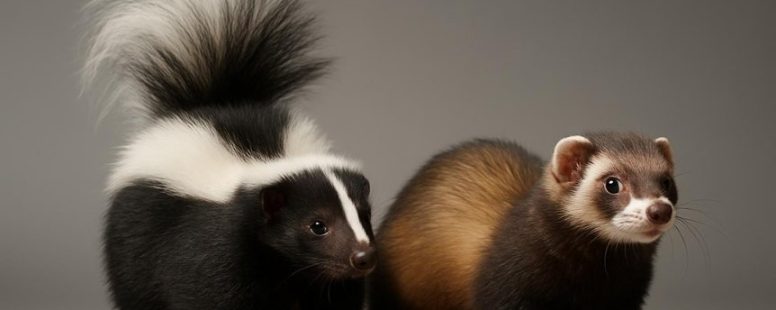
First, skunks usually have bold black and white fur with a thick stripe running down their back. These stripes are very noticeable and make skunks easy to spot from far away. They often walk slowly and may lift their tail as a warning when they feel threatened. Skunks are most active at dusk and night, and you might see them in gardens or near trash cans.
Polecats, also called European polecats, look different. They are mostly dark brown or black all over, with a light-colored face mask that looks like a mask or a band across their face. Unlike skunks, polecats do not have the black-and-white stripes. They are smaller and more slender, and they tend to be more shy around people.
If you see these animals while walking your dog or in your backyard, stay calm and watch carefully. Look for the stripes on a skunk or the mask on a polecat. Remember, skunks are more likely to spray if they feel scared. So, it’s best to keep your distance and not try to touch them.
Some people might confuse a polecat for a skunk, especially since both can have dark fur. But the key difference is the markings. Skunks have striking stripes, while polecats have a face mask and plain dark fur. Knowing these signs helps you stay safe and appreciate these animals from a distance.
In real life, a neighbor once saw a skunk in their garden and thought it was a polecat because it was dark. But when they looked closer, the bold stripes told them it was a skunk. Recognizing these differences can avoid surprises or unwanted spray.
Skunks vs. Polecats: Key Physical Differences
Skunks and polecats are different animals, and you can tell them apart by their looks. Skunks usually have bold fur patterns. They are mostly black with a big white stripe running down their back and tail. Their fur is smooth and looks uniform, making the white stripe stand out. Polecats, however, have a more mixed or speckled coat with patches of brown, black, and yellowish colors. They don’t have the sharp contrast that skunks have.
When you look at their tails, skunks have big, bushy tails that look like plumes. They often hold their tails high, making them easy to spot. Polecats have shorter, thinner tails that are less bushy and harder to see. These differences in fur patterns and tail shapes help you quickly tell which animal is which.
Some people might confuse polecats with skunks, but if you remember their fur and tail differences, it gets easier. For example, if you see a black animal with a big white stripe and a fluffy tail, it’s likely a skunk. If the animal has a mottled coat and a shorter tail, it’s probably a polecat. Keep in mind, both animals can be tricky to identify from far away or in low light. It’s always best to look closely and compare these features to be sure.
When and Why Do Skunks and Polecats Spray?
Skunks and polecats spray only when they feel really threatened. Skunks use a strong smell from their anal glands to scare away predators. They spray mainly as a defense, and their spray can last for days. Polecats, on the other hand, secrete musk that they use to mark their territory or when they are in danger. They do not spray as often as skunks and usually only spray if they feel truly threatened. The smell of a skunk is very powerful and can make people gag, while polecat musk is less intense and more like a warning scent. Both animals prefer to warn first before spraying. When they do spray, it is a clear sign they are feeling in danger.
Behavioral Traits That Help Tell Them Apart
Skunks and polecats are animals that can spray bad-smelling liquid when they feel threatened. But they act very differently in other ways. Knowing these behaviors can help you tell them apart even from far away.
Skunks are more social animals. They often mark their territory with urine to communicate with other animals. You might see them doing this openly and more often than polecats. For example, a skunk might spray little spots around its den to warn others to stay away. Skunks also tend to have simple courtship routines. They usually mate without fighting much, so their mating behaviors are less aggressive.
Polecats, on the other hand, are more solitary. They do not mark their territory as openly as skunks. When it comes to mating, polecats are often more aggressive and territorial. Male polecats will fight each other to win mates, and their mating rituals are more fierce. If you see animals fighting or acting very territorial, they might be polecats.
Knowing these clues can help you figure out which animal you’re seeing. For example, if you spot frequent urine marking and social behavior, it is likely a skunk. If you see aggressive fighting over mates and a more secretive nature, it is probably a polecat. Remember, both animals can spray, but their behaviors tell you a lot about what they are like.
Where Do Skunks and Polecats Live? Habitats and Ranges
Skunks and polecats are different animals with different homes, and knowing where they live can help you tell them apart. Skunks are better at living near humans. They often make their homes in parks, gardens, and neighborhoods. You might see them at night rummaging through trash or looking for food in yards. Skunks are very adaptable, meaning they can live almost anywhere, including cities and suburbs.
Polecats prefer more wild places. They usually live in forests, grassy fields, and thick bushes called hedgerows. They tend to stay away from towns or cities and are mostly active at night too. Because of where they live, polecats are less likely to be seen in busy neighborhoods.
Knowing their habitats can help you tell them apart. If you see an animal in a city or a garden at night, it is probably a skunk. If it is in a wooded or rural area, it is more likely a polecat. Both animals are nocturnal, so they come out when it is dark. But their homes are different, so their habitats give clues about which animal you might see.
What Do Skunks and Polecats Eat? Their Diets Explained
Skunks and polecats have different diets because they live in different places and have different ways of finding food. Skunks are omnivores, which means they eat both animals and plants. They eat insects, small mammals, fruits, and plants. This makes sense because skunks are opportunistic eaters, meaning they will eat whatever food is available. For example, they might forage through trash or dig in the dirt for insects. Their black and white fur acts as a warning to predators, signaling their strong scent if they feel threatened.
Polecats mainly hunt small mammals, insects, and birds. They are good at catching fast-moving prey because they rely on their sharp senses and quick movements. Their scent glands produce a musky smell when they feel threatened, but they don’t use this smell to catch food. Instead, their fur is usually darker and more muted, helping them hide in the bushes or undergrowth. This helps them stay safe while they hunt.
Some people wonder if these animals can eat the same foods. While skunks are more flexible and eat many different things, polecats focus more on small animals and insects. Both animals use their scent glands for defense, not for hunting food. Their diets and how they protect themselves show how they are suited to their own homes and ways of living.
Tips for Safely Recognizing Skunks and Polecats
Skunks and polecats are animals that can sometimes look similar, but you can tell them apart by their appearance and behavior. Recognizing these animals safely helps you avoid getting sprayed or bitten.
Skunks are best known for their bold black and white color patterns. They often have a white stripe running down their back and a white patch on their tail. When a skunk feels threatened, it will raise its tail and spray a strong smell that can reach several feet. If you see a skunk with its tail up and a confident stance, it is warning you to stay back.
Polecats, on the other hand, usually have darker brown fur with pale markings on their faces. They tend to leave scent marks from their anal glands but do not raise their tails like skunks do. Instead, polecats will often hide or run away when they sense danger.
To tell them apart, look at their color patterns and how they act. Skunks often give a clear warning by raising their tails and showing contrasting black and white fur. Polecats tend to stay low and avoid confrontation, leaving scent marks without the dramatic tail display.
Are Skunks and Polecats Dangerous? Safety Tips You Should Know
Skunks and polecats are wild animals that can be dangerous if they feel threatened. They mainly attack when they are scared or cornered. These animals can spray a strong, foul-smelling liquid that can cause irritation in your eyes and nose. They can also bite if they think you’re a threat.
To stay safe, watch for signs that an animal is upset, like hissing, growling, or puffing up. If you see one nearby, stay calm and give it space. Never try to scare or catch a skunk or polecat because that may make it spray or attack.
If you encounter one, move away slowly and quietly. Keep pets on a leash and away from these animals too. It’s a good idea to avoid walking in areas where these animals live, especially at night when they are more active. Remember, they are not naturally aggressive but will defend themselves if they feel threatened.
Knowing how to spot and stay clear of skunks and polecats can keep you safe. Always respect wild animals and keep your distance. That way, you can enjoy nature without putting yourself or animals at risk.
Potential Defensive Mechanisms
Skunks and polecats have strong ways to defend themselves when they feel threatened. They often show signs they want to be left alone. For example, skunks rely on their spray to keep predators away. Before they spray, they usually lift their tail and stomp their paws. This is a warning sign for animals and people to stay back. If a skunk feels cornered, it can spray a smelly liquid that causes irritation and discomfort.
Polecats, on the other hand, do not spray as often. Instead, they emit a musky odor that can make animals and people uncomfortable. Sometimes, they become aggressive if they are trapped or feel very threatened. Recognizing these warning signs, like a raised tail or a strong smell, can help you stay safe.
The best way to avoid getting sprayed or attacked is to give these animals space. If you see a skunk or polecat showing signs of being defensive, it’s best to stay away. Respect their boundaries and do not try to touch or corner them. Remember, these animals are just trying to protect themselves, so being cautious can prevent a surprise spray or bite.
Recognizing Warning Signs
Recognizing warning signs from animals like skunks and polecats is important for staying safe. These animals often show clear signals when they feel threatened. For example, they may puff up their fur or raise their tails to look bigger. This is a warning that they might attack if they feel cornered.
Another sign is a strong, musky smell coming from their scent glands. If you notice this smell, it’s best to keep your distance. Both skunks and polecats use these signals to warn others they are feeling scared or defensive.
Some people think these signs are enough to avoid trouble. But remember, animals can sometimes act unpredictably. For example, a skunk might only spray if it feels truly threatened, not just because you are nearby. So, it’s good to be cautious and respect their warnings.
If you see a skunk or polecat with puffed-up fur or a raised tail, it’s best to stay calm and slowly back away. Recognizing these signs early helps you avoid getting sprayed or bitten. Always keep in mind, their warning signals are meant to protect them, so respecting these cues is very important.
In short, paying attention to their behavior can help you stay safe. Whether you see a puffed-up animal or smell a strong musk, these are signs to give animals space. Being alert and respectful can prevent an unwanted encounter.
Safe Encounter Strategies
Skunks and polecats usually stay away from people, but knowing how to act if you meet one can keep you safe. If you are outside at night or looking for plants in the city, here are some simple steps to follow. First, stay alert because these animals are most active at night. Second, move slowly and avoid quick movements that can scare them. Third, give them plenty of space and don’t try to touch or scare them. If you see a skunk or polecat and it looks like it might spray, don’t get closer. Instead, back away very slowly. Running can make them spray because it signals danger. Keep a safe distance and wait until they move away. If you are near where these animals live, carry a flashlight so you can see where they are hiding. Be respectful of their space and avoid bothering them. Following these simple steps can prevent problems and help you stay safe. Remember, these animals want to stay safe too, so giving them room is the best way to avoid trouble.
Myths and Facts About Skunks and Polecats
Many people think they know about skunks and polecats, but some ideas are not true. It’s good to clear up these myths and learn what these animals are really like. Let’s look at some common misconceptions and what the facts are.
First, many believe skunks and polecats are the same animals. Actually, they are different. Skunks are native to North and South America and are known for their strong-smelling spray. Polecats are found in Europe and Asia and are related to ferrets. They look similar but have different behaviors and habitats.
Another myth is that skunks and polecats always spray when they feel threatened. In truth, they usually give warnings first, like stomping their feet or raising their tails. Spray is a last resort because it takes time for them to recharge their scent glands after spraying. If you see one of these animals, it’s best to stay calm and give them space.
Some people think skunks are dangerous and will attack humans. That’s not true most of the time. Skunks try to avoid people and only spray if they feel cornered or threatened. They are shy animals that prefer to stay away from humans. However, if a skunk gets scared and feels trapped, it might spray or even bite.
Many believe polecats are dirty or carry diseases. While polecats do hunt small animals like rodents, they are not dirty animals. They keep themselves clean and are usually healthy. Still, wild animals can sometimes carry diseases, so it’s best to admire them from a distance and not try to touch them.
Some folks think skunks and polecats are pests that should be removed from neighborhoods. But these animals play a helpful role in controlling pests like insects and rodents. They help keep nature balanced. If they come near your home, it’s better to enjoy them from afar and avoid disturbing them.
Common Misconceptions Clarified
Skunks and polecats are often misunderstood animals. The main fact is that their smell is not always a sign of aggression. Usually, they give a warning before spraying. Their spray is a last resort, not something they do immediately. When a skunk feels threatened, it often lifts its tail and stomps to warn others. Only if the threat continues will they spray a strong-smelling liquid. This spray can reach up to ten feet and is meant to scare away predators. So, their odor defense is actually a strategic warning tool, not just an automatic reaction.
Many people think polecats are always aggressive or shy animals. But in reality, they have specific mating seasons and behaviors. During breeding time, they become more active and may show more interest in mates. Outside of this time, they tend to be solitary and cautious. Understanding this helps us see them as natural animals with cycles, instead of creatures that are constantly hostile.
Some misconceptions suggest skunks and polecats spray whenever they feel threatened. But they usually try to warn first and only spray if they are backed into a corner. This shows that they prefer to avoid conflict when possible. Knowing these facts can help us view them as animals that prefer peace, not animals that are always aggressive.
Species Similarities Explored
Skunks and polecats are often mistaken for each other because they look and act very similar. But there are clear differences that can help tell them apart.
First, both animals are about the same size and have similar fur colors, usually dark with lighter markings. They both mark their territory using scent. They also have special scent glands that produce smelly oils. This helps them defend themselves from predators.
However, the biggest difference is in how they use their scent. Skunks spray a very strong and bad-smelling liquid when they feel threatened or during mating season. This spray can cause eye irritation and smells for days. Polecats, on the other hand, also use scent to defend themselves, but they mostly rely on grooming and other behaviors. They rarely spray like skunks do.
Both animals groom themselves, but for different reasons. Skunks clean their fur to stay healthy, while polecats groom to keep their scent glands clean and maintain hygiene.
Some people believe skunks and polecats are the same because they share body size, fur color, and scent habits. But knowing their differences, especially in spraying behavior, helps us see they are separate animals.
If you ever see one in the wild, remember that skunks can spray a powerful smell, while polecats usually rely on their scent and grooming to stay safe. Understanding these facts helps clear up myths and makes it easier to tell them apart.
Myths Versus Reality
Skunks and polecats are not the same animals, and it’s important to know the difference. Many people think they can keep polecats as pets like skunks, but this is not safe or legal. Skunks are sometimes kept as pets because they are less aggressive and easier to care for, if they are handled properly. Polecats, on the other hand, are wild animals. They can become aggressive and might carry diseases. Trying to tame a wild polecat can be dangerous for both the animal and the owner.
Some folks believe they can domesticate polecats just like skunks. But in reality, wild animals like polecats are not meant to be pets. They have natural instincts that can make them unpredictable. Plus, catching and selling wild animals is illegal in many places and can hurt wild populations. For example, illegal trafficking of polecats harms ecosystems and can spread diseases.
People should understand that skunks are generally less aggressive and easier to care for if they are treated properly. Recognizing these facts helps prevent misunderstandings and illegal trade. Respecting animals’ natural behaviors is important. Trying to keep wild animals as pets can lead to injuries or health problems for both humans and animals.
In short, skunks and polecats are different. Skunks can sometimes be kept as pets, but polecats are wild animals best left in nature. Always remember that wild animals may seem cute or interesting, but they are not meant to be kept as pets.
To provide the best experiences, we use technologies like cookies to store and/or access device information. Consenting to these technologies will allow us to process data such as browsing behaviour or unique IDs on this site. Not consenting or withdrawing consent, may adversely affect certain features and functions.
Functional
Always active
The technical storage or access is strictly necessary for the legitimate purpose of enabling the use of a specific service explicitly requested by the subscriber or user, or for the sole purpose of carrying out the transmission of a communication over an electronic communications network.
Preferences
The technical storage or access is necessary for the legitimate purpose of storing preferences that are not requested by the subscriber or user.
Statistics
The technical storage or access that is used exclusively for statistical purposes.The technical storage or access that is used exclusively for anonymous statistical purposes. Without a subpoena, voluntary compliance on the part of your Internet Service Provider, or additional records from a third party, information stored or retrieved for this purpose alone cannot usually be used to identify you.
Marketing
The technical storage or access is required to create user profiles to send advertising, or to track the user on a website or across several websites for similar marketing purposes.