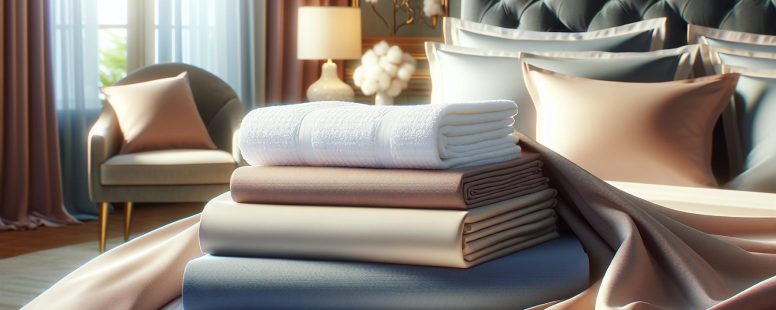
Imagine wrapping yourself in a fabric so luxurious it feels like a gentle embrace, promising comfort and elegance. When it comes to premium bedding and towels, Egyptian and Turkish cotton reign supreme, but how do you choose between these two indulgent options? Each offers unique qualities that elevate your everyday essentials, making the decision more than just a matter of preference.
Whether you’re after the silky smoothness of Egyptian cotton or the plush, quick-drying charm of Turkish cotton, understanding their differences is key. From durability to texture and even how they age over time, these fabrics offer distinct benefits that cater to different lifestyles. By the end, you’ll know exactly which one deserves a place in your home.
What Sets Egyptian Cotton Apart?
Egyptian cotton is renowned for its exceptional quality, offering unmatched softness and durability. This cotton type stands out due to its premium fibers and unique growing conditions.
Origins And Production
Egyptian cotton comes primarily from the fertile Nile River Valley, where the climate promotes longer growing seasons. The plants yield extra-long staple fibers, sometimes over 1.5 inches in length, which contribute to the fabric’s luxurious texture. Harvesting is often done by hand to maintain the integrity of these fine fibers. This meticulous process ensures fewer impurities in the final product.
Key Qualities And Benefits
Egyptian cotton is celebrated for its strength, softness, and absorbency. Due to its long fibers, fewer joins are needed during the spinning process, resulting in smoother, stronger threads. This composition supports superior breathability and allows the material to retain vibrant colors through prolonged use. Fabrics made from Egyptian cotton, such as bed sheets, typically last longer with proper care and resist pilling.
For example, 400-thread-count Egyptian cotton sheets feel softer and more durable compared to other types of cotton at similar thread counts. The material improves with each wash, becoming even softer over time while maintaining its structural quality.
Common Uses
Egyptian cotton is a popular choice for high-end bed linens, shirts, and luxury towels. Its rich texture and long-lasting quality make it a favorite in five-star hotels worldwide. When seeking opulent bedding or refined apparel, you often encounter products boasting 100% Egyptian cotton labels as an assurance of premium craftsmanship.
Exploring Turkish Cotton
Turkish cotton offers exceptional softness and impressive absorption capabilities, making it a versatile choice for various household textiles. Originating from Turkey’s Aegean region, it combines high-quality fibers with durable construction.
Origins And Production
Turkish cotton is grown predominantly in the Aegean region. The warm climate and nutrient-rich soil contribute to producing long-staple fibers, comparable in quality to Egyptian cotton. Hand-picking ensures these fibers retain their natural strength and longevity.
Manufacturers use ring-spun mechanisms to enhance the fibers’ durability. This process results in smoother, finer threads, providing the fabric with a luxurious appearance and feel. The minimal processing helps maintain its inherent softness. Turkish textile production adheres to sustainable practices, focusing on high-quality outputs.
Key Qualities And Benefits
Turkish cotton’s primary feature is its ability to strike a balance between absorbency and quick drying. Towels made from this cotton absorb water effortlessly, making them ideal for bathrooms and spas. After use, they dry faster than other cotton types, preventing mildew growth.
Unlike Egyptian cotton, Turkish cotton becomes softer with every wash. This quality enhances user comfort without sacrificing durability. The moderate weight also makes Turkish cotton towels less bulky yet highly functional. Vibrant dye retention ensures the fabric retains its appealing aesthetic over time.
Common Uses
Turkish cotton is prevalent in towels, robes, and lightweight blankets. For instance, you’ll find it featured in high-end spa towels, known for their plushness and water-wicking capabilities. Peshtemal towels, a traditional Turkish product, highlight its versatility, serving as beach towels, shawls, or even picnic blankets.
In bedding, Turkish cotton sheets and duvet covers deliver comfort during warmer months, as the fabric remains breathable. Its quick-drying nature is particularly beneficial for travel-friendly linens, ensuring practicality alongside luxury.
Comparing Egyptian Cotton Vs Turkish Cotton
When considering premium fabrics, Egyptian and Turkish cotton set the standard for luxury and practicality. Each offers unique benefits based on your preferences.
Durability And Softness
Egyptian cotton emphasizes enduring strength and extensive softness due to its extra-long staple fibers. Products like Egyptian cotton sheets feel increasingly soft with repeated washing, ensuring a long-lasting silky texture. Its durability stems from hand-harvested fibers, which reduce impurities during production. For instance, a 400-thread-count Egyptian cotton sheet can maintain its quality after years of use, even with frequent laundering.
Turkish cotton, while equally soft, focuses on lightweight durability. It doesn’t match the silky smoothness of Egyptian cotton but compensates by becoming softer with usage. Towels made from Turkish cotton last through consistent use while maintaining plushness. Their moderate weight adds practicality for items such as robes and spa-quality towels.
Absorbency And Breathability
Egyptian cotton excels in breathability due to its dense molecular structure. This property makes it ideal for warm climates, where enhanced air circulation ensures comfort. Thanks to its heightened absorbency, items like Egyptian cotton bath towels hold more water without feeling overly heavy.
Turkish cotton has a unique edge in balancing absorbency and quick drying. For example, a Turkish cotton towel absorbs water effectively but dries faster, reducing mildew risks. This quick-drying feature makes it a popular choice for travel-friendly linens or gym towels. Its breathable fibers allow for versatile uses in changing climates.
Price And Accessibility
Egyptian cotton products often sit at the higher end due to their exclusive quality and labor-intensive production process. Luxury brands frequently incorporate Egyptian cotton in sheets and apparel, targeting those who value premium experiences.
Turkish cotton offers accessible luxury, catering to a broader market without compromising basic quality. It’s more readily available in mid-range products like towels and lightweight blankets, balancing cost with usability. While both remain luxury options, many find Turkish cotton more affordable for everyday items.
Which One Should You Choose?
Selecting between Egyptian and Turkish cotton depends on your preferences and specific needs. Both types offer distinct benefits, excelling in different areas such as durability, absorbency, and practicality.
Factors To Consider
Purpose of Use
Choose Egyptian cotton for luxurious, long-lasting bed linens and towels. Its extra-long fibers, silky texture, and durability make it ideal for high-quality sheets or premium bath towels often used in luxury hotels. Turkish cotton suits lightweight towels, spa essentials, and travel-friendly linens because of its quick-drying properties.
Climate and Region
Opt for Egyptian cotton in warm climates since its dense fibers ensure premium breathability. Its softness and long-lasting quality perform better in areas with consistent humidity. Turkish cotton, but, excels in versatility; its fast-drying capabilities make it the best option for regions or settings prone to dampness.
Budget Constraints
While Egyptian cotton products come with a premium price tag reflecting their exceptional quality and labor-intensive production, Turkish cotton provides affordability without compromising luxury. Select Turkish cotton for quality materials at a more accessible price point.
Recommendations Based On Needs
For Everyday Use
Turkish cotton stands out for frequent use. Its lightweight and quick-drying properties benefit busy households or individuals who require low-maintenance yet soft materials for daily textiles like bathrobes or towels.
For Ultimate Luxury
Egyptian cotton surpasses expectations for luxury seekers. It’s the top-tier pick for individuals who prioritize sumptuous softness, durability, and exquisite designs in bed linens and high-end bath sets.
Travel and Portability
Turkish cotton’s lightweight and compact designs make it an excellent choice for travel essentials. Towels made from this cotton absorb moisture efficiently and dry faster than their counterparts, reducing the risk of mildew and unpleasant odors.
Durability and Longevity
If longevity is a priority, lean towards Egyptian cotton. Products retain their softness, structural integrity, and vibrant colors even after multiple washes. Turkish cotton softens over time but prioritizes versatility over extended durability.
Align your choice with the intended purpose and environment for optimal satisfaction.
Conclusion
Choosing between Egyptian and Turkish cotton eventually depends on your personal preferences and lifestyle needs. Both offer a blend of luxury and functionality, but their unique qualities cater to different priorities. Whether you value long-lasting softness or lightweight versatility, there’s a perfect option for you.
Consider how you’ll use your linens or towels and what features matter most. Egyptian cotton delivers timeless elegance and durability, while Turkish cotton combines practicality with a touch of indulgence. By aligning your choice with your specific needs, you can enjoy the comfort and quality these premium cottons provide.
To provide the best experiences, we use technologies like cookies to store and/or access device information. Consenting to these technologies will allow us to process data such as browsing behaviour or unique IDs on this site. Not consenting or withdrawing consent, may adversely affect certain features and functions.
Functional
Always active
The technical storage or access is strictly necessary for the legitimate purpose of enabling the use of a specific service explicitly requested by the subscriber or user, or for the sole purpose of carrying out the transmission of a communication over an electronic communications network.
Preferences
The technical storage or access is necessary for the legitimate purpose of storing preferences that are not requested by the subscriber or user.
Statistics
The technical storage or access that is used exclusively for statistical purposes.The technical storage or access that is used exclusively for anonymous statistical purposes. Without a subpoena, voluntary compliance on the part of your Internet Service Provider, or additional records from a third party, information stored or retrieved for this purpose alone cannot usually be used to identify you.
Marketing
The technical storage or access is required to create user profiles to send advertising, or to track the user on a website or across several websites for similar marketing purposes.