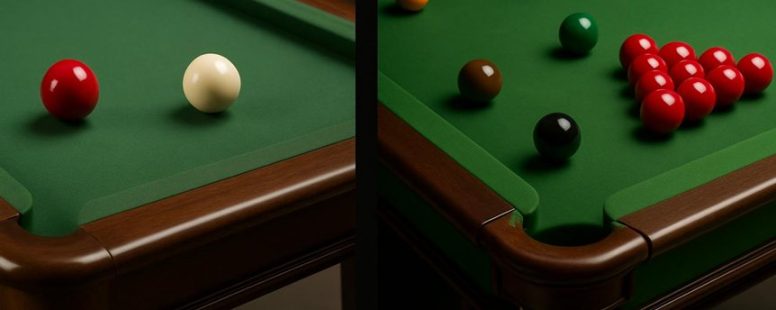
Imagine the quiet tension in a game of billiards, where a single move can shift the entire tide of the match. Though billiards and snooker share roots like siblings in a family tree, they branch into worlds that demand different mental dances—space, timing, and risk become your guiding stars.
From the freedom of each shot to the size of the table and the weight of scoring pressure, tiny choices early on can set the course for the entire game. Surprisingly, mastering these subtle differences can unlock a sharper edge and a new level of control—like wielding a secret key to unlock hidden opportunities on the felt.
If you’re ready to see how small adjustments early in a frame can change everything, let’s dive deeper.
The Core Differences Between Billiards and Snooker
Billiards and snooker are both cue sports played on a similar table, but they are quite different in how they are played. Billiards is mainly about hitting the balls in a specific order to make caroms, which means bouncing balls off each other or the sides. The goal is to score points by making these caroms, and players have more freedom in choosing their shots. It’s like a puzzle where you decide the best way to hit the balls for the most points.
Snooker, on the other hand, focuses on potting balls in a set order. Players must hit the colored balls into pockets in a strict sequence, starting with the reds. This game requires careful planning and risk management because missing a shot can give the opponent an advantage. Think of it like a chess game, where each move has to be thought out very carefully.
The mental side of these games is also different. Billiards players often focus on position and sequence, while snooker players need to think ahead about what balls to pot next and avoid fouls. Handling pressure and recovering from mistakes are key parts of snooker, especially during tight matches.
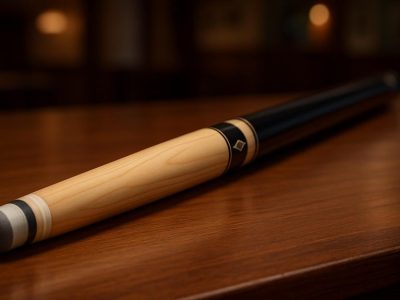
Equipment is important too. Both games use cues, tips, and chalk, but players need reliable gear to keep their shots consistent. If your cue tip is worn out, your shots can become unpredictable. Regular maintenance of your equipment helps keep the game fair and fun.
Choosing between billiards and snooker depends on what you like. Billiards might suit you if you enjoy freedom and creativity in shots. Snooker might be better if you like planning and strategic thinking. Why not try both games and see which one fits your style better? Just remember, both games can be challenging but rewarding once you get the hang of them.
How Table Size, Balls, and Pockets Shape Play
Table size, ball sets, and pocket shapes are more than just background details in pool. They directly change how you play the game. Knowing how these elements affect your shots can help you choose better strategies.
Table size is a big factor. Larger tables give you more space to move, which can make controlling the cue ball harder. Smaller tables make aiming easier but require quicker decision-making. When the table is big or small, your stance and how you position your body change. You may need to adjust your bridge or follow-through to hit the ball accurately. For example, on a big table like a tournament-sized one, you might take more time lining up shots. On a smaller table, quick reflexes matter more.
Ball sets also impact how the game plays. Heavier balls tend to rebound more accurately, helping with precise shots. Lighter balls can be faster and might slide more, making control trickier. The material of the balls affects how they bounce and how the cue ball travels after contact. For instance, using high-quality resin balls like Aramith can give more consistent rebounds than cheaper plastic ones. This affects how much control you have over your shot and how fast the cue ball moves after hitting.
Pocket shapes matter too. Wider pockets make it easier to sink balls but can lead to more mistakes if you are not careful. Tighter pockets require more precision but reward players who can aim well. Some players prefer wider pockets for casual play or practice, while professionals often favor tighter pockets for challenge. Think of pocket shape as a risk level — wider pockets are like open doors, easier to go through, but with more chances of missing.
Scoring Systems and How They Influence Shot Choice
Scoring systems are a key part of snooker and pool because they decide how players choose their shots. Different point values make players think about whether to play it safe or go for a risky shot. For example, if a ball is worth more points, players might take a chance to score big, even if the shot is harder. But if the points are low, they might play it safe to keep their lead.
Knowing the scoring helps players plan their moves. They ask themselves: Is it worth risking a difficult shot to get a lot of points? Or is it better to play it safe and build their score slowly? For instance, in snooker, the black ball is worth seven points, so players often aim for it when they are close to winning. But if they are behind, they might try a risky shot to catch up.
Some players prefer to play safe and take fewer risks, especially when they are ahead. Others go for high-stakes shots to finish the game quickly. Both ways have good and bad points. Playing safe can keep you in the game longer, but sometimes you miss your chance to win. Going for a risky shot can win the game fast, but if you miss, your opponent gets an easy chance to score.
In the end, understanding how scoring affects shot choice helps players decide when to be careful and when to take a chance. It’s like balancing on a tightrope—sometimes you need to be steady, and other times you need to jump for success. Knowing when and how to do each can make the difference between winning and losing.
Scoring Influence On Shots
Scoring systems are a way to decide which shots to take in pool or billiards. They give points for good shots and penalties for mistakes. These scores influence how I choose my shots because I need to think about risk and reward. If I am ahead, I might play safer. If I am behind, I might take bolder shots to catch up. The rules about locking out certain shots also matter, as they affect my options and strategy.
For example, if I want to keep my lead, I might aim for easier shots that give me steady points. But if I am trying to catch up, I might risk a tricky shot that could give me a big score. I also choose my cue stick based on what I need to do. A lighter cue helps me with touch shots, while a heavier cue gives me more power for tough shots. This choice depends on my current score and the situation on the table.
When I explain these choices to others, it makes the game more fun. People enjoy hearing how I decide between safe and risky shots and how my cue stick helps me. Watching my thought process can turn spectators into players who understand the game better.
Some players prefer to stay safe and focus on consistent points. Others go for big risks, hoping for a win. Both ways can work, but it’s important to know when to switch between them. Sometimes, a small mistake can lose the game, so being smart about scoring pressure is key.
Target Values For Play
Setting target values for play means turning the scoring system into clear goals on the table. This helps you see which shots move you closer to winning and which ones don’t. Think of points as milestones — when you reach them, you’re closer to victory. For example, if your goal is to reach 50 points, every shot that gets you closer counts. Picking shots that push those milestones forward keeps you on track.
Having clear targets helps you stay calm, especially when the game gets tricky. Even if a rack doesn’t go as planned, knowing your goals keeps you focused. It’s like having a map in a maze — you always know where you want to go.
You should also think about the other player’s mindset. If a shot needs a safety, weigh the risks and rewards carefully. Will it give your opponent an easy shot? Sometimes, taking a safe shot is better than risking a foul. Also, paying attention to your equipment matters. Good cues and clean cloth help you shoot more accurately and feel confident.
Risk-Reward Shot Choices
Risk and reward shape every shot you choose in pool, especially when the scoring system makes you think about certain goals. The rules of the game influence whether you go for aggressive shots, play safe, or try to position the cue ball better. The main idea is to balance earning points with how hard the shot is and the chance of missing. A scoring system that rewards long, flashy shots might make you take risks. On the other hand, some rules favor consistent, safe play. You can feel this when you control the cue ball, apply chalk properly, and line up your shot correctly.
Here are some tips to help:
Focus on easy, high-percentage shots first. Save the risky shots for when you are close to your goal or milestone.
Use steady cue ball control and chalk to keep your shots accurate. This helps with follow or stun shots.
After each shot, think about where the cue ball will go next. Good position helps you avoid tricky escapes and keeps your game simple.
Some players prefer to play safe early and only take risks later when they need to catch up. Others like to play bold from the start. Both ways work, but be careful. Taking too many risks can cost you points if you miss. Practice helps you feel when a shot is worth the risk and when it’s better to play safe.
In short, understanding the scoring rules and adjusting your shots accordingly can improve your game. Practice control, chalk use, and shot planning to make smarter choices on the table.
Positioning and Strategy: What to Prioritize in Each Game
Shot selection and positioning are the most important parts of playing billiards and snooker well. The best players pick their shots carefully and plan where the cue ball will go next. This means choosing the right target ball and controlling the cue ball’s path so that the next shot is easier. For example, if you want to leave yourself a good angle for the next shot, you might aim differently on your current shot.
Balancing attack and position is key. Sometimes, it’s better to go for a difficult shot if it puts you in a good position for the next one. Other times, making a simple shot and keeping control is smarter. Think of it like a chess game—each move should help set up your next move.
There are two main ways to approach this. One is to focus on making the shot and then controlling the cue ball to stay in a good spot. The other is to plan several shots ahead, thinking about how each shot affects your next move. Both ways work, but they need practice to get right.
A warning is that trying to always go for the hardest shot can backfire. If you miss, you might leave your opponent a good chance. On the other hand, always playing safe might make the game slow and less exciting. Finding the right balance depends on your skill level and how the game is going.
In short, good shot selection and smart positioning help you control the game. They’re like a driver steering carefully through traffic—each move should keep you in the best position to win.
Shot Selection Priorities
Shot selection in billiards or snooker is about choosing the right shot based on the table layout. The goal is to balance risk and reward while keeping your position good for the next shot. Here are the key points to help you make better choices during your game:
Decide if you should play safe or go for an aggressive shot. Look at the table and pick a clear plan. For example, if a risky shot might leave you in trouble, it’s better to play safe. But if an easy shot can set up a good next shot, go for it. Always commit to your plan so you don’t waste shots trying to do too much.
Focus on cue ball control. It’s not just about sinking the ball today. Think about where the cue ball will end up after your shot. Good control helps you set up easier shots later. For example, if you want to leave yourself a clear shot on the next ball, control the cue ball’s speed and angle carefully.
Keep calm under pressure. When the table gets tricky and risks increase, stay calm and deliberate. Rushing can lead to mistakes. Take your time to line up shots and think about your next move. Staying focused helps you play better and avoid costly errors.
Great players practice routines that help them stay consistent. They don’t rely on luck but on steady habits. Remember, sometimes a simple, safe shot is better than trying a risky fancy shot that might fail.
Positioning Fundamentals Focus
Positioning is about more than just where the cue ball ends up. It’s about setting up your next shot before you hit the ball. The goal is to choose positions that make your next shot easier and give you more options. Think about angles, how hard you hit the ball, and the layout of the table. For example, if you’re potting a ball, plan where the cue ball will go afterward so you’re ready for your next shot.
In snooker, safety is key. You want to leave your opponent with tough shots while keeping your options open for your own break. When choosing lines, consider your cue stick. A stiffer shaft delivers more power, which helps for long shots. A softer cue gives better control for delicate touches.
Chalk is also important. Applying chalk evenly helps prevent miscues, especially on thin cuts. If you forget to chalk properly, your shot might go off course. Practicing these choices helps you become more consistent and reliable on the table.
Some players focus only on making the shot, but good position can make the game much easier. For example, if you leave the cue ball close to the next ball, you won’t have to move it far and risk missing. But remember, sometimes safety shots are better than risky positions. They can stop your opponent from getting easy scores.
Rules, Rhythm, and Safety: How Play Pace Changes
Rules, rhythm, and safety are all important in billiards and snooker. The pace of the game can change depending on the situation. When the table is hot, meaning players are making good shots and the game is fast, I slow down my tempo. This helps me make sure my shots stay precise and the game stays fair. Changing the pace isn’t random. I think about how long a rack will take and pick shots that match that timing.
Safety is always a key part. I use careful techniques when I set up my shot, aim, and stroke the ball. Moving at a steady speed helps prevent mistakes and accidental hits. For example, if I see a tricky shot coming up, I slow down to avoid hitting the wrong ball or pocketing the cue ball.
Knowing when to slow down is important. If I need to keep my position on the table or avoid cue misfires, I take my time. Controlled follow-through and a good stance also help keep the game safe, especially when the table is crowded with balls close together.
Talking with my opponent is helpful too. Good communication keeps things polite and makes the game more predictable. If I let them know I am planning a tricky shot or need a moment, it makes the game smoother for everyone.
Some players prefer to play fast, especially when they are confident. Others like to take their time to make sure every shot is perfect. Both ways have their pros and cons. Fast play can keep the game exciting, but it also risks mistakes. Slow play gives more control, but it can make the game feel slow for others.
Translating Technique From One Game to the Other
Translating technique from one game to another is about more than copying moves. It’s about changing your ideas to fit the rules and table size of billiards and snooker. This helps you play better in both games.
First, cue alignment is key. In both billiards and snooker, you need to line up your cue with the target. But the angle changes because the tables are different. The size of the table, the size of the balls, and the angles of the pockets all matter. For example, hitting a ball in snooker might need a different stance than in billiards. Focus on where you want to hit the ball and keep your cue aimed there. Practice lining up shots in both games so your aim stays steady.
Next, stroke consistency is very important. No matter what game you play, a smooth and steady stroke helps you hit the ball well. Even if your follow-through looks different, the feeling of a smooth stroke should stay the same. When switching between billiards and snooker, you might change how tightly you hold the cue or how high your bridge is. These small changes help with how the cue hits the ball and make your shots more accurate.
To get better at this, practice focusing on your intent. Don’t just copy the mechanics exactly—think about what you want to do with each shot. This way, your aim stays reliable, and your skills can move easily from one game to the other. For example, if you learn to aim carefully in billiards, you can adapt that same focus when playing snooker, even if the shots look different.
Some players may find it easier to stick to the same routines, while others prefer adjusting their style for each game. Both ways work if you practice enough. Be aware, though, that trying to copy every move exactly might not work because the tables and rules are different. Instead, focus on the main ideas—aiming, stance, and stroke—so you can switch between billiards and snooker without losing confidence or consistency.
Practice Drills That Bridge Billiards and Snooker
Practicing drills that connect billiards and snooker helps players improve skills they can use in both games. The key skills are aiming, stance, and stroke. Start with simple drills that focus on these skills and change the setup to suit each game. For example, in snooker, the balls are smaller and the table is bigger, so adjusting your stance helps you stay comfortable. In billiards, the focus might be on controlling the cue ball more precisely.
One good drill is the stop-and-align. In this drill, pause to check your aim, then gently hit the cue ball to stop exactly where you want it. This helps you develop control and accuracy. Another useful drill is target-path practice. Set up markers on the table and aim at different spots to practice cue ball routes. This improves your ability to plan shots and control the cue ball’s path.
Speed-control sequences are also helpful. Practice hitting the cue ball with different amounts of power. This helps you keep the cue ball steady and predictable, whether you want it to roll slowly or quickly. These drills may seem simple, but they build a strong foundation for better play.
When practicing, keep your equipment in good shape. Clean your cue tip regularly and chalk before each shot. Check the cloth on the table for wear, because worn cloth can make the ball roll unevenly. Good maintenance helps you make consistent shots and improves your overall game.
Some players worry about switching between billiards and snooker. They might find it tricky to adjust their stance or aiming style. The best approach is to practice both regularly and focus on what stays the same. Over time, you will notice your position play gets cleaner and your speeds become steadier, no matter the table.
Which Discipline to Focus on Based on Your Goals
Choosing which discipline to focus on depends on your goals. If you want to improve your accuracy, then working on cue ball control in snooker might be best. If you prefer faster play, focusing on pace and shot speed in billiards could suit you better.
Snooker emphasizes precise positional control and safety shots. It’s great if you want to master careful planning and accuracy. Billiards, on the other hand, rewards quick thinking and consistent shot-making. You might focus on developing a steady rhythm and confidence for faster games.
Your choice affects how you practice. If accuracy is your goal, spend time on drills that improve cue ball control, like shot placement and safety plays. For speed, practice routines that increase your shot speed and decision-making under pressure.
Don’t forget about equipment maintenance. Keep your cues, chalk, and balls in good shape. This helps improve your accuracy and makes playing more reliable. Also, stay calm during games. Building routines and trusting your skills help you perform well under pressure.
Think about what matters most to you. Do you want to play carefully or quickly? Once you pick a focus, create practice drills that match that goal. For example, if safety play is your goal, practice safety shots and positional control daily. If speed is your aim, work on quick shot routines and decision speed.
To provide the best experiences, we use technologies like cookies to store and/or access device information. Consenting to these technologies will allow us to process data such as browsing behaviour or unique IDs on this site. Not consenting or withdrawing consent, may adversely affect certain features and functions.
Functional
Always active
The technical storage or access is strictly necessary for the legitimate purpose of enabling the use of a specific service explicitly requested by the subscriber or user, or for the sole purpose of carrying out the transmission of a communication over an electronic communications network.
Preferences
The technical storage or access is necessary for the legitimate purpose of storing preferences that are not requested by the subscriber or user.
Statistics
The technical storage or access that is used exclusively for statistical purposes.The technical storage or access that is used exclusively for anonymous statistical purposes. Without a subpoena, voluntary compliance on the part of your Internet Service Provider, or additional records from a third party, information stored or retrieved for this purpose alone cannot usually be used to identify you.
Marketing
The technical storage or access is required to create user profiles to send advertising, or to track the user on a website or across several websites for similar marketing purposes.