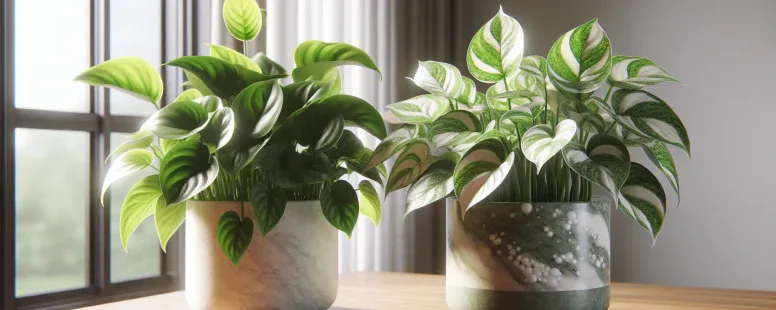
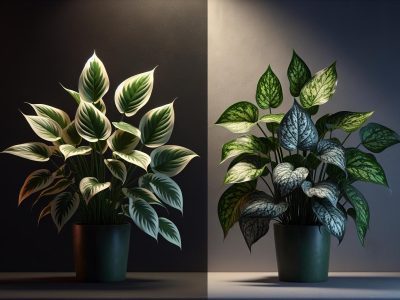
Picture this: you’re at a plant shop, drawn to the lush greenery and intricate patterns of pothos plants. Two varieties catch your eye—N’Joy and Pearls and Jade. At first glance, they seem almost identical, their creamy white variegation dancing across green leaves. But as you lean in closer, subtle differences begin to emerge, leaving you curious about what sets them apart.
Understanding these distinctions isn’t just for plant enthusiasts; it’s key to helping your leafy companions thrive. From growth habits to care needs, each variety brings its own unique charm to your indoor jungle. Whether you’re deciding which one suits your space or simply want to impress fellow plant lovers with your knowledge, diving into their differences will make all the difference.
Overview Of Njoy And Pearls And Jade Pothos
Njoy and Pearls and Jade pothos are variegated varieties of Epipremnum aureum. While both share similar features, they differ in appearance, growth habits, and care requirements.
What Is Njoy Pothos?
Njoy pothos is known for its compact growth and striking white-and-green variegation. The leaves have irregular patches of creamy-white mixed with deep green hues, creating a bold contrast. These plants typically grow slower compared to other pothos varieties due to their high variegation levels, which limit chlorophyll production.
Its smaller leaves make it ideal for tight spaces like shelves or desks. Njoy thrives in bright indirect light but can tolerate lower light conditions if necessary. Overwatering is a common issue with this variety; ensure the soil dries out between waterings.
What Is Pearls And Jade Pothos?
Pearls and Jade pothos features delicate patterns of white, green, and gray on its foliage. Unlike Njoy, this variety has thinner streaks of coloration along the edges and occasional splashes of silver-gray tones throughout the leaves.
This plant tends to grow slightly faster than Njoy because it retains more green areas for photosynthesis. It’s well-suited for hanging baskets or trailing displays due to its vining nature. Bright indirect sunlight enhances its variegation while preventing leaf burn from direct exposure.
Visual Differences
N’Joy and Pearls and Jade pothos exhibit distinct visual traits, even though their shared lineage. Recognizing these differences helps you appreciate each plant’s unique charm.
Leaf Coloration And Variegation
N’Joy pothos displays bold white-and-green variegation with sharp contrasts. White patches dominate its leaves, often covering large sections without blending into the green. This stark pattern makes it a standout choice for minimalist aesthetics.
Pearls and Jade pothos features softer variegation patterns with white, green, and gray tones. The colors intermingle across the leaf surface, creating a marbled effect. Speckles of gray add depth to its appearance, making it ideal for spaces needing subtle elegance.
Size And Shape Of Leaves
N’Joy pothos has smaller leaves compared to other varieties within Epipremnum aureum species. Its foliage is oval-shaped with smooth edges that contribute to its compact look.
Pearls and Jade pothos produces slightly larger leaves that are more elongated in shape. The wavy margins give an impression of texture, enhancing its decorative appeal in trailing or hanging arrangements.
Growth Habits And Requirements
N’Joy and Pearls and Jade pothos exhibit distinct growth habits influenced by their variegation patterns. Understanding their light, watering, and growth preferences is essential for maintaining healthy plants.
Light Requirements
Both varieties thrive in bright, indirect light to maintain vibrant variegation. N’Joy pothos benefits from consistent exposure to indirect sunlight due to its high white variegation, which limits chlorophyll production. Insufficient light can lead to faded colors or slower growth.
Pearls and Jade tolerates slightly lower light levels but achieves optimal coloration with filtered sunlight. Its green patches allow it to photosynthesize more effectively than N’Joy in medium-light environments. Direct sun should be avoided for both types as it causes leaf scorch.
Watering Needs
N’Joy requires careful watering practices because of its susceptibility to root rot caused by overwatering. Allow the top 1-2 inches of soil to dry out before rehydrating the plant. Droopy leaves often indicate either under-watering or excessive moisture retention.
Pearls and Jade prefers a similar approach but may tolerate slightly more frequent watering due to its balanced green-to-variegated ratio, aiding photosynthesis. Always ensure pots have adequate drainage holes; stagnant water harms roots regardless of variety.
Growth Rate
N’Joy grows at a slower pace compared to Pearls and Jade because its higher variegation reduces energy production through photosynthesis. Expect compact vines that are ideal for small spaces or tabletop displays when choosing this variety.
Pearls and Jade exhibits moderate growth rates thanks to increased green areas on its foliage enabling better energy conversion. This makes it suitable for hanging baskets or larger trailing arrangements where faster coverage is desired within indoor setups like living rooms or offices.
Care And Maintenance
Proper care ensures the health and longevity of both N’Joy and Pearls and Jade pothos, enhancing their aesthetic appeal. While these varieties share similarities, their specific maintenance needs vary slightly.
Pruning And Propagation
Pruning helps maintain shape and manage growth for both varieties. Trim stems using clean scissors to remove faded or yellowing leaves. For N’Joy, its slower growth means you prune less often compared to Pearls and Jade, which may need regular trimming due to its faster rate. Remove overgrown vines in Pearls and Jade if it starts looking untidy.
Propagation works similarly for both types. Cut 4–6 inch long stem segments with at least two nodes; ensure one node remains submerged when placed in water or soil. Within 3–4 weeks, roots typically emerge under bright indirect light conditions. This method preserves variegation patterns in the new plants.
Common Pests And Problems
Pests like spider mites, mealybugs, and scale insects occasionally affect these pothos varieties. Inspect leaves regularly for small webs (spider mites) or cottony clusters (mealybugs). Wiping affected areas with neem oil or insecticidal soap can control infestations effectively.
Overwatering poses a bigger threat than pests for N’Joy due to its lower chlorophyll content making it more sensitive to root rot. Ensure soil dries out between watering sessions as soggy soil damages roots quickly.
In contrast, although Pearls and Jade can tolerate slightly moister conditions because of its greener foliage aiding photosynthesis balance overwatering still causes leaf yellowing if unchecked.
Which One Is Right For You?
Choosing between N’Joy and Pearls and Jade pothos depends on your preferences, space, and care routine. If you want a compact plant with bold white-and-green variegation, N’Joy offers a striking appearance that fits minimalist designs or smaller spaces. Its slower growth makes maintenance easier but requires consistent bright indirect light for vibrant foliage. Overwatering may harm it easily, so careful watering practices are essential.
For larger arrangements or trailing displays, Pearls and Jade might suit you better. With its soft marbled variegation of white, green, and gray tones, this variety adds elegance to any setup. Its slightly faster growth rate means trimming is more frequent but allows it to thrive in diverse decor styles. While tolerant of lower light levels, bright indirect sunlight enhances its colors without risking leaf burn.
Consider your lifestyle when deciding. If limited time for plant care aligns with your routine, N’Joy’s slow pace could be ideal. On the other hand, if you enjoy actively maintaining plants or prefer cascading aesthetics for shelves or baskets, Pearls and Jade complements those needs well.
Conclusion
Choosing between N’Joy and Pearls and Jade pothos comes down to your personal style, space, and care habits. Both offer unique charm and beauty, making them standout additions to any indoor garden. By understanding their differences in appearance, growth habits, and maintenance needs, you can select the perfect variety that complements your lifestyle and enhances your home. Whether you prefer bold contrasts or soft elegance, these pothos varieties are sure to bring life and character to your space.
To provide the best experiences, we use technologies like cookies to store and/or access device information. Consenting to these technologies will allow us to process data such as browsing behaviour or unique IDs on this site. Not consenting or withdrawing consent, may adversely affect certain features and functions.
Functional
Always active
The technical storage or access is strictly necessary for the legitimate purpose of enabling the use of a specific service explicitly requested by the subscriber or user, or for the sole purpose of carrying out the transmission of a communication over an electronic communications network.
Preferences
The technical storage or access is necessary for the legitimate purpose of storing preferences that are not requested by the subscriber or user.
Statistics
The technical storage or access that is used exclusively for statistical purposes.The technical storage or access that is used exclusively for anonymous statistical purposes. Without a subpoena, voluntary compliance on the part of your Internet Service Provider, or additional records from a third party, information stored or retrieved for this purpose alone cannot usually be used to identify you.
Marketing
The technical storage or access is required to create user profiles to send advertising, or to track the user on a website or across several websites for similar marketing purposes.