Understanding the Difference Between Edible and Poisonous Mushrooms: A Guide to Safe Foraging
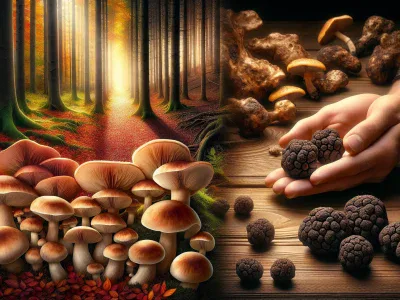
Imagine wandering through a lush forest after a rainfall, the earthy aroma filling the air as mushrooms of every shape and color sprout from the ground. They look enchanting, almost magical, but how do you know which ones are safe to eat? The world of mushrooms is as fascinating as it is dangerous, with some varieties offering gourmet delights while others hide lethal toxins beneath their caps.
The line between edible and poisonous mushrooms isn’t always obvious. A seemingly harmless mushroom could cause severe illness, while another might be a culinary treasure. Learning to distinguish the two isn’t just a survival skill—it’s an art rooted in knowledge and awareness. Whether you’re a curious forager or simply fascinated by nature’s mysteries, understanding these differences can help you appreciate the beauty and complexity of fungi without risking your health.
Understanding Mushrooms
Mushrooms belong to the fungi kingdom and exist in diverse ecosystems globally. They play vital roles in nature but require careful identification when consumed.
What Are Mushrooms?
Mushrooms are the fruiting bodies of certain fungi species, emerging to release spores. They thrive in various habitats, including forests, grasslands, and decaying organic matter.
Edible types, like button mushrooms and shiitake, offer nutrients, including vitamins B and D, fiber, and antioxidants. Poisonous ones, such as Amanita phalloides (death cap), contain toxins that may cause organ failure or death. Some mushrooms, like the hallucinogenic Psilocybe genus, alter perception due to psychoactive compounds.
While mushrooms may look similar, their chemical compositions differ significantly. For example, edible chanterelles resemble toxic jack-o’-lantern mushrooms. This similarity highlights the risk of relying solely on appearance when identifying wild varieties.
Importance Of Identifying The Difference
Proper identification prevents accidental poisoning and ensures safe consumption. Over 100 types of toxic mushrooms have been identified, according to the North American Mycological Association (NAMA). These toxins, such as amatoxins and gyromitrins, vary in lethality and symptoms, ranging from gastrointestinal distress to death.
Foraging requires expertise or guidance from mycologists or reliable field guides. The European practice of using “mushroom color” as a sole identifier has proven unreliable, contributing to incidents of poisoning. It’s safer to study characteristics like shape, gill pattern, and spore prints instead.
Cultivating edible species minimizes risks while promoting sustainable use. Consider growing oysters or enoki as safe, nutrient-rich options.
Characteristics Of Edible Mushrooms
Edible mushrooms exhibit specific features that help distinguish them from their poisonous counterparts. Identifying these traits is vital to ensure safe consumption and maximize their culinary and health benefits.
Physical Features
Edible mushrooms often have smooth caps and uniform coloration, though exceptions do exist. For instance, button mushrooms (Agaricus bisporus) appear white and firm with tightly closed gills, while chanterelles (Cantharellus cibarius) showcase a bright yellow to orange hue with ridged, fork-like gills. Poisonous varieties may sometimes mimic these features, making close examination necessary.
The stipe, or stem, of edible mushrooms is typically sturdy and solid. Shiitake mushrooms (Lentinula edodes) demonstrate this with their thick, fibrous stem supporting a wide brown cap. Edible types frequently emit a mild or earthy scent. Amanitas, a dangerous genus, can emit an unpleasant or chemical-like odor. Observe textures—soft, tender caps often indicate edibility, while slimy or greasy textures might raise suspicion.
Varieties And Common Examples
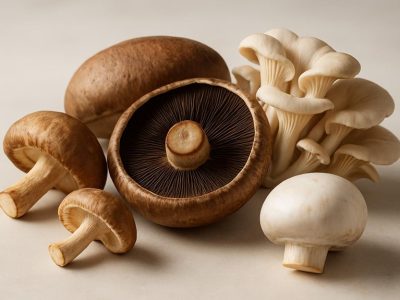
Globally, edible mushrooms vary in type and appearance. Common examples include oyster mushrooms (Pleurotus ostreatus), known for their delicate, fan-shaped caps, and enoki mushrooms (Flammulina velutipes), famous for their long, thin stems and small caps. These varieties thrive cultivated, reducing confusion with wild toxic species.
Porcini (Boletus edulis) mushrooms, highly prized in European cuisine, possess a thick stem and brown, sponge-like cap underside. Morels (Morchella spp.) display a honeycomb structure and come in earthy tones. Contrast this with the deceptive death cap (Amanita phalloides), which can mirror edible species with its pale green motive.
Nutritional Benefits
Edible mushrooms are rich in vitamins, minerals, and bioactive compounds. For example, they provide vitamin D, potassium, and selenium, essential for bone health and cellular function. Shiitake mushrooms contain lentinan, noted for potential immune-boosting properties. They are also low in calories, making them suitable for weight-conscious diets.
Their high protein content makes them perfect for vegetarians. Oyster mushrooms offer amino acids akin to animal proteins. They are also good sources of antioxidants; reishi mushrooms, although medicinal more than culinary, exhibit adaptogenic benefits by reducing oxidative stress. Always ensure proper identification to enjoy these nutrients safely.
Characteristics Of Poisonous Mushrooms
Recognizing poisonous mushrooms requires careful observation, as many share similarities with edible species. Toxic varieties often exhibit specific traits that aid in identification.
Physical Features
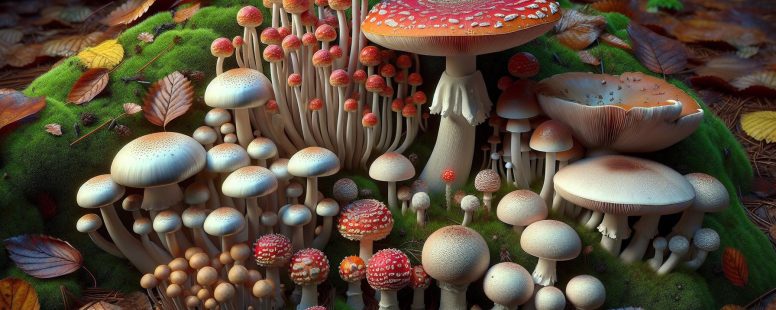
Poisonous mushrooms frequently possess vibrant, irregular shades, such as bright red caps with white flecks as seen in Amanita muscaria (fly agaric). Some toxic types show uneven or warty surfaces, distorted gills, or a slimy texture. Caps in species like Galerina marginata (deadly galerina) may appear dull but hide dangerous attributes.
Distinguishability can diminish if species mimic edible options. For example, the smooth cap of the death cap (Amanita phalloides) imitates edible Asian straw mushrooms. Observing spore prints or stem-base rings helps, but these methods demand expertise.
Toxic Compounds And Effects
Poisonous mushrooms produce toxic compounds that vary in severity. Amanitoxins, found in species like the death cap, target liver cells and may cause irreversible damage or organ failure. Muscarine, present in the Clitocybe and Inocybe genera, triggers excessive saliva, tears, and sweating within minutes of ingestion.
If consumed, symptoms range from nausea to hallucinations or seizures, depending on the toxins. Recognizing these possible effects allows for quicker intervention.
Common Poisonous Varieties
The death cap, responsible for 90% of fatal mushroom poisonings, grows globally in woodlands. Fly agaric, with its iconic red cap, causes delusions and physical discomfort rather than death. Destroying angel (Amanita bisporigera) appears angelic but contains fatal toxins akin to those in the death cap.
Other species, like false morels (Gyromitra spp.), mimic edible mushrooms yet release monomethylhydrazine, a deadly toxin. Avoid consuming any mushroom without expert confirmation to prevent exposure to these hidden dangers.
Key Differences Between Edible And Poisonous Mushrooms
Identifying edible mushrooms requires attention to specific traits that distinguish them from their poisonous counterparts. Factors like appearance, smell, texture, and growth environment play crucial roles in proper identification.
Appearance And Identification Tips
Edible mushrooms often feature consistent physical traits. For instance, oyster mushrooms show smooth, uniquely fan-shaped caps, while the enoki variety has small, uniformly white caps and slender stems. Poisonous mushrooms, such as the fly agaric, exhibit vibrant colors like red with white spots, rough textures, or irregular shapes. Death caps, although lacking bright colors, mimic edible species like puffballs during early stages, leading to confusion. Focus on details like cap smoothness and spore prints for clearer identification. Mushrooms producing a vibrant green or white spore print often signify toxicity.
Smell And Texture
Edible mushrooms generally emit mild, earthy scents, which may remind you of freshly dug soil. For example, the aroma of shiitake mushrooms carries a slight woodsy note. Poisonous mushrooms often produce pungent or unpleasant odors. The stinkhorn, though not lethal, exemplifies this with its foul, decaying smell. Texture is another indicator—edible varieties feel firm and dry, while toxic ones may have slimy caps or sticky-like residues, especially after rainfall.
Growth Environment
Edible mushrooms thrive in specific controlled or natural conditions. Oyster mushrooms grow on tree trunks, while morels appear in forested areas with moist soil. Poisonous fungi, like Amanita species, often inhabit similar environments but may favor locations with dense leaf litter or rotting wood. Avoid harvesting mushrooms from contaminated sites, such as near industrial areas, as they absorb pollutants regardless of their edibility.
Safety Measures When Foraging Mushrooms
Foraging mushrooms offers an exciting opportunity to connect with nature but requires significant caution to avoid potential risks. Adopting proper safety measures is essential for identifying edible varieties while steering clear of poisonous species.
Best Practices
Learn from experts or field guides, not assumptions based on visuals, when identifying mushrooms. Many poisonous species resemble their edible counterparts, leading to dangerous misidentifications.
Inspect physical features thoroughly. Check cap shape, color consistency, stem textures, and gill arrangements. For example, the gills of edible mushrooms like chanterelles run down the stem, unlike the free gills of toxic species like Amanita.
Avoid consuming wild mushrooms without 100% certainty, even if they’re found in seemingly pristine environments. Toxic compounds in species like the death cap or destroying angel can’t be neutralized by cooking.
Focus on regions known for safe varieties. Areas without heavy contamination from industrial pollutants reduce the risk of picking toxic mushrooms.
Confirm species details with multiple sources, combining knowledge from books, mobile apps, and reliable online databases like MushroomExpert.com. Cross-referencing minimizes room for error.
Tools And Resources For Identification
Use a high-quality field guide tailored to your region. Books featuring clear images, such as “Mushrooms Demystified” by David Arora, help compare traits between edible and poisonous species.
Carry a smartphone app designed for mushroom foragers; tools like iNaturalist integrate image recognition and expert forums for real-time assistance.
Include a magnifying glass and a small knife in your kit. The magnifier assists in examining spore colors and surface details, while the knife lets you obtain clean samples for further inspection.
Take photos of mushrooms in their growth habitat. Documenting surroundings, including nearby plants and soil types, allows experts to better assist with species identification.
Seek advice from local mycological societies or clubs. Groups like the North American Mycological Association host workshops and guided foraging trips where you’ll learn practical skills alongside seasoned foragers.
Conclusion
Understanding the differences between edible and poisonous mushrooms is essential for anyone interested in foraging or enjoying wild fungi. By prioritizing safety and arming yourself with reliable knowledge, you can avoid the risks associated with toxic species.
Rather than relying on assumptions, focus on detailed identification and seek guidance from trusted resources or experts. With careful observation and the right tools, you can confidently explore the intriguing area of mushrooms while ensuring your health and well-being remain protected.

- Router Software Comparison: OpenWrt vs. DD-WRT vs. PfSense - September 21, 2026
- Best Cdm of All Time - September 20, 2026
- Bgc Competitors - September 20, 2026
by Ellie B, Site Owner / Publisher