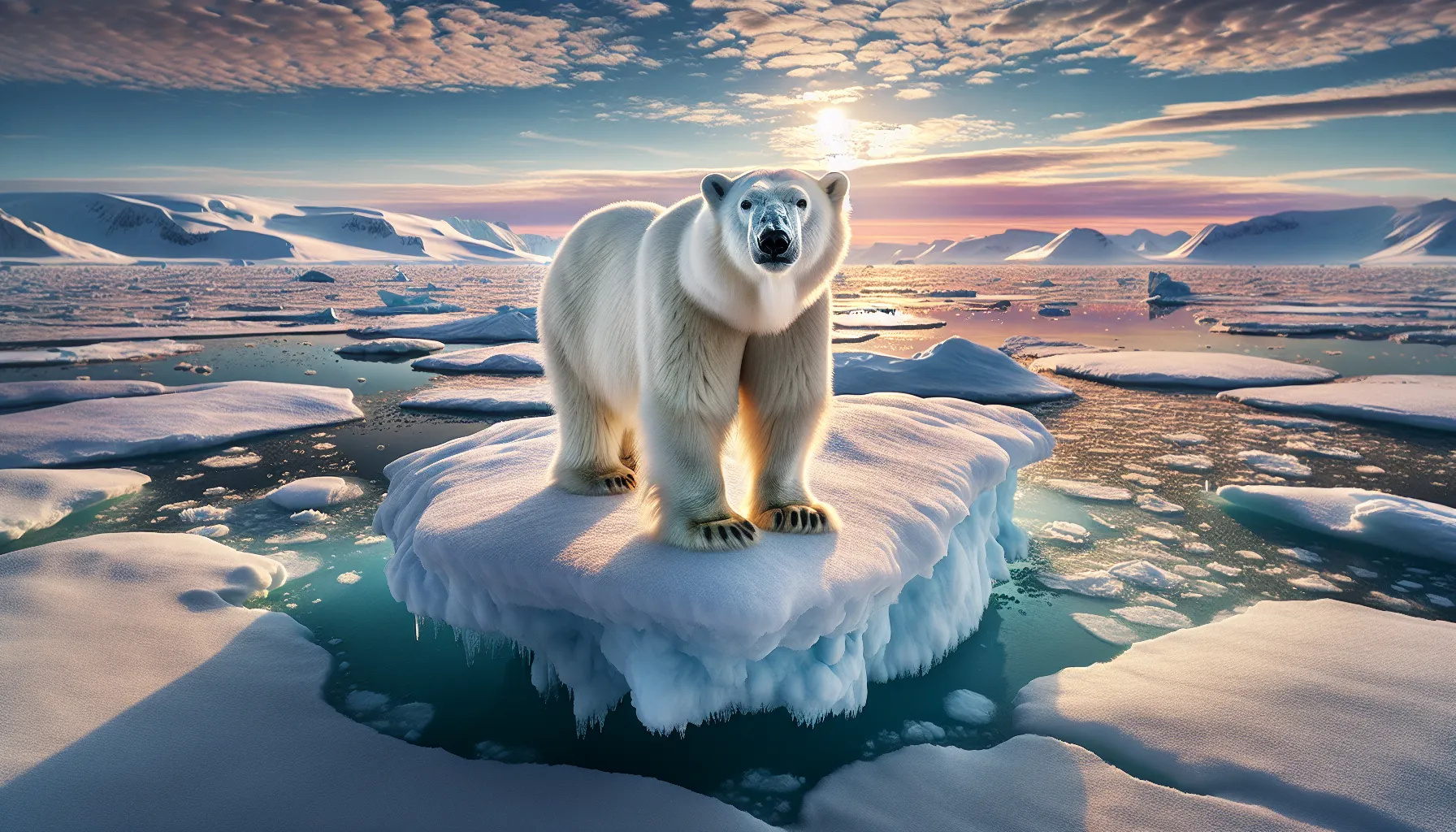
Bears are among the most iconic wildlife species, symbolizing a deep connection to nature’s extremes. Two of the most fascinating species are the polar bear and the Kodiak bear. Even though their shared classification in the same broad family, these bears are distinct in terms of their adaptations and way of life. Understanding these differences not only deepens appreciation for these majestic creatures but highlights the intricate balance of ecosystems they inhabit.
Introduction to Polar Bears
Physical Appearance and Adaptations
Polar bears are easily recognizable through their thick white fur, which camouflages them against the Arctic snow and ice. Their elongated bears and larger paws are specialized for swimming and traversing icy terrains with ease. These adaptations help them to thrive in their often unforgiving environment.
Habitat and Geographical Range
Native to the Arctic regions, polar bears inhabit areas dominated by sea ice, relying on this platform for hunting seals, their primary food source. Their range spans across the northern hemisphere’s extreme latitudes, mainly Greenland, Alaska, and parts of Norway.
Behavior and Diet
Polar bears are solitary hunters, primarily feeding on seals, which provide the fat necessary for sustenance in their cold habitat. Their behaviors are strongly tied to the availability of sea ice, influencing their hunting success and overall survival.
Introduction to Kodiak Bears
Physical Characteristics
Kodiak bears, a subspecies of the brown bear, carry a distinct appearance characterized by their large size and muscular frame, coupled with dense, shaggy fur that varies in color. Known as the world’s largest terrestrial carnivore, their sheer bulk sets them apart.
Natural Habitat and Distribution
Found exclusively in the Kodiak Archipelago in Alaska, these bears inhabit a temperate environment with lush forests, rivers, and meadows. Their geographic isolation has contributed to their evolutionary adaptations and behavior.
Feeding Habits and Behavior
Omnivorous by nature, Kodiak bears have a varied diet, ranging from fish to berries. Seasonal changes influence their foraging patterns, and they spend considerable time preparing for hibernation by consuming large amounts of food.
Comparative Analysis of Polar Bears and Kodiak Bears
Similarities in Physical and Behavioral Traits
Both types of bears share robust builds and impressive strength, evolutionarily tailored to their environments. They exhibit intriguing similarities in their ability to adapt to seasonal changes and a capacity for efficient resource use.
Key Differences in Ecology and Adaptations
Polar bears, adapted to marine life, diverge significantly from the terrestrial and forest-oriented Kodiak bears. This is particularly evident in their dietary habits, limb structure, and thermal adaptations.
Interactions with Their Ecosystems
Both bears play keystone roles within their respective habitats. Polar bears regulate seal populations within the Arctic, while Kodiak bears contribute to the nutrient cycle through foraging within terrestrial ecosystems.
To provide the best experiences, we use technologies like cookies to store and/or access device information. Consenting to these technologies will allow us to process data such as browsing behaviour or unique IDs on this site. Not consenting or withdrawing consent, may adversely affect certain features and functions.
Functional
Always active
The technical storage or access is strictly necessary for the legitimate purpose of enabling the use of a specific service explicitly requested by the subscriber or user, or for the sole purpose of carrying out the transmission of a communication over an electronic communications network.
Preferences
The technical storage or access is necessary for the legitimate purpose of storing preferences that are not requested by the subscriber or user.
Statistics
The technical storage or access that is used exclusively for statistical purposes.The technical storage or access that is used exclusively for anonymous statistical purposes. Without a subpoena, voluntary compliance on the part of your Internet Service Provider, or additional records from a third party, information stored or retrieved for this purpose alone cannot usually be used to identify you.
Marketing
The technical storage or access is required to create user profiles to send advertising, or to track the user on a website or across several websites for similar marketing purposes.