Picture this: you’re halfway through cooking a comforting casserole or creamy pasta dish, only to realize you’re out of mushroom soup. That rich, earthy flavor and velvety texture seem irreplaceable—but don’t worry, they’re not. Whether you’re avoiding mushrooms for dietary reasons or simply ran out, there are plenty of creative substitutes that can deliver the same satisfying depth to your recipes.
Why Consider A Substitute For Mushroom Soup?
Dietary restrictions often make mushroom soup unsuitable for some individuals. Whether you’re avoiding dairy, gluten, or mushrooms themselves due to allergies or intolerances, substitutions can help maintain flavor and consistency without compromising dietary needs.
Flavor preferences also play a role. Not everyone enjoys the earthy taste of mushrooms; in such cases, using alternatives like cream-based soups or vegetable broths allows you to tailor recipes to your liking.
Availability issues arise when mushroom soup isn’t on hand. Homemade substitutes using ingredients like fresh mushrooms, onions, and heavy cream provide similar textures and flavors with minimal effort.
Health-conscious choices drive others to seek substitutes. Store-bought mushroom soups often contain high sodium levels and preservatives. Preparing replacements at home gives control over nutritional content while ensuring fresher ingredients.
Cultural variations influence recipe adaptations as well. Different cuisines may use locally available ingredients instead of canned mushroom soup, broadening culinary possibilities while respecting traditional methods.
Common Ingredients In Mushroom Soup And Their Roles
1. Mushrooms
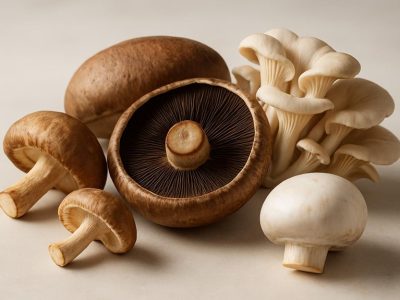
Mushrooms form the base of mushroom soup, providing an earthy flavor and meaty texture. Varieties like button, cremini, or shiitake are common in recipes. These fungi contribute umami, enhancing the soup’s depth.
2. Cream
Cream adds richness and a velvety consistency to the soup. It balances the earthiness of mushrooms with its smooth texture and mild flavor. If cream isn’t available, milk or plant-based alternatives can replicate this role.
3. Onions
Onions offer sweetness and aromatic depth when sautéed at the start of cooking. Yellow onions are often preferred for their balanced flavor profile that complements mushrooms well.
4. Garlic
Garlic introduces a pungent aroma that enhances the savory notes in mushroom soups. Minced garlic is typically added while sautéing onions for even distribution throughout.
5. Butter or Oil
Butter imparts a creamy mouthfeel and aids in cooking other ingredients without sticking. Oils like olive oil are common substitutes if dairy isn’t suitable, maintaining similar functionality.
6. Flour or Thickening Agents
Flour thickens traditional mushroom soups by creating a roux when cooked with butter or oil before liquid additions like broth or milk occur.
7. Broth (Vegetable/Chicken)
Broths act as the primary liquid base for dilution while adding layers of flavor complexity—vegetable broth keeps it vegetarian-friendly; chicken broth deepens flavors further but alters dietary compatibility.
Top Substitutes For Mushroom Soup
Mushroom soup can be replaced with several versatile options that suit various diets and preferences. Whether you’re avoiding mushrooms or simply out of stock, these substitutes provide similar flavors and textures.
Cream-Based Substitutes
Rich, creamy soups like cream of chicken or cream of celery replicate the texture of mushroom soup. Cream of chicken offers a savory depth, while cream of celery brings a lighter vegetable note. Use these in casseroles, sauces, or pasta dishes for seamless flavor integration.
Heavy cream mixed with sautéed onions and garlic creates a quick homemade option when thickened with flour. Adding herbs like thyme enhances the aroma.
Dairy-Free Substitutes
Coconut milk delivers a creamy consistency without dairy. Combine it with vegetable broth for soups or sauces needing nutty undertones. Cashew cream blended with sautéed mushrooms adds richness to plant-based recipes.
Almond milk thickened with cornstarch is another alternative for those avoiding dairy. Pairing it with garlic powder mimics some earthy flavors found in mushroom soup.
Canned Alternatives
Canned potato soup acts as a neutral base that you can season to match your dish’s needs. Blend canned butternut squash soup for sweeter tones in recipes requiring complementary ingredients.
Vegetable broth combined with canned white beans works well as an easy substitute by pureeing them together for thickness and smoothness.
Homemade Recipes
Sauté chopped mushrooms in olive oil until browned; blend them into vegetable broth and thicken using cornstarch or flour slurry for authentic results at home. Stirring in nutritional yeast boosts umami flavor if desired.
Tips For Choosing The Right Substitute
Consider Dietary Needs
Ensure the substitute aligns with your dietary restrictions. For example, opt for dairy-free options like coconut milk or cashew cream if lactose intolerant. Choose low-sodium alternatives if you’re monitoring salt intake.
Match Flavor Profiles
Select substitutes that mimic mushroom soup’s earthy and savory taste. Sautéed mushrooms blended with vegetable broth replicate the essence well, while nutritional yeast enhances umami flavors in plant-based dishes.
Assess Texture Requirements
Match the consistency of your recipe by using thickening agents like flour or cornstarch when substituting with lighter liquids such as almond milk or chicken broth.
Prioritize Availability
Use ingredients you already have on hand to save time and effort. Cream of chicken or celery soup works as quick replacements in many recipes without compromising flavor.
Experiment With Homemade Versions
Create custom substitutes tailored to your dish by blending sautéed onions, garlic, and mushrooms into a creamy base using heavy cream or non-dairy alternatives like oat milk.
Adapt To Cultural Preferences
Incorporate local ingredients based on traditional recipes where mushroom soup isn’t common, such as potato-based soups or lentil purées in international cuisines.
Test Small Quantities First
Avoid wasting resources by testing new substitutes in smaller batches before committing them to entire recipes, especially for unfamiliar ingredients like cashew cream or butternut squash soup.
Read Recipe Context Carefully
Identify whether mushroom soup is used primarily for flavor, texture, or both to choose an appropriate alternative that fulfills its role effectively in your dish.
Conclusion
Finding a substitute for mushroom soup doesn’t have to be complicated. With so many options available, you can easily tailor your choice to suit your recipe, dietary needs, or personal taste. Whether you go for a creamy alternative, a dairy-free option, or a homemade blend, there’s always a solution that works.
Don’t hesitate to get creative and experiment with flavors and textures to achieve the perfect balance in your dish. By understanding what role mushroom soup plays in your recipe, you’ll confidently choose an alternative that enhances your cooking without missing a beat.
To provide the best experiences, we use technologies like cookies to store and/or access device information. Consenting to these technologies will allow us to process data such as browsing behaviour or unique IDs on this site. Not consenting or withdrawing consent, may adversely affect certain features and functions.
Functional
Always active
The technical storage or access is strictly necessary for the legitimate purpose of enabling the use of a specific service explicitly requested by the subscriber or user, or for the sole purpose of carrying out the transmission of a communication over an electronic communications network.
Preferences
The technical storage or access is necessary for the legitimate purpose of storing preferences that are not requested by the subscriber or user.
Statistics
The technical storage or access that is used exclusively for statistical purposes.The technical storage or access that is used exclusively for anonymous statistical purposes. Without a subpoena, voluntary compliance on the part of your Internet Service Provider, or additional records from a third party, information stored or retrieved for this purpose alone cannot usually be used to identify you.
Marketing
The technical storage or access is required to create user profiles to send advertising, or to track the user on a website or across several websites for similar marketing purposes.