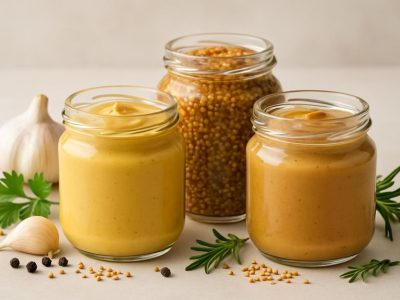
Your recipe calls for Dijon mustard, but the jar in your fridge is empty. Sound familiar? That tangy, sharp kick of Dijon can elevate a dish from ordinary to unforgettable, and now you’re wondering how to replicate it without rushing to the store. Don’t worry—you’ve got options hiding right in your kitchen.
What Is Dijon Mustard?
Dijon mustard is a type of prepared mustard originating from the city of Dijon in Burgundy, France. It’s known for its smooth texture and sharp, tangy flavor profile that enhances various dishes like salad dressings, marinades, and sauces. The traditional recipe includes brown or black mustard seeds mixed with white wine or verjuice (the acidic juice of unripe grapes).
Unlike yellow mustard, Dijon has a more refined taste due to its unique blend of ingredients. Its pale yellow color and creamy consistency make it versatile in both cooking and as a condiment. Many chefs prefer it for its ability to balance acidity and spice without overpowering other flavors.
If you’re exploring substitutions, understanding the defining characteristics—like its mild heat and slightly savory undertones—can guide you toward suitable alternatives.
Why Look For A Substitute For Dijon Mustard?
Finding a substitute for Dijon mustard can be necessary in various situations. Whether it’s due to dietary needs, unavailability, or taste preferences, alternatives can help maintain the balance of flavors in your recipes.
Dietary Restrictions
Some individuals avoid Dijon mustard because of ingredients like white wine or verjuice. If you’re following a gluten-free diet, certain brands may not meet your requirements since their wine-based components could contain traces of gluten. Vegan diets might also exclude traditional Dijon mustard if it contains animal-derived products during processing. Checking labels is essential when addressing such restrictions.
Availability Issues
Dijon mustard isn’t always stocked in every pantry or grocery store. If you’re cooking and realize it’s missing, using substitutes like yellow mustard mixed with white vinegar or honey can replicate its tanginess. Specialty stores might carry it more frequently than average supermarkets. In remote areas, sourcing French-made Dijon could be challenging due to limited import options.
Personal Preferences
You might dislike the sharpness or pungency of traditional Dijon mustard and prefer milder condiments instead. Recipes that include creamy dressings or marinades often adapt better to substitutions like mayonnaise blended with ground mustard seeds for a subtler flavor profile. Customizing replacements ensures dishes align with your preferred taste without compromising quality.
Best Substitutes For Dijon Mustard
When you’re out of Dijon mustard, there are several substitutes that can replicate its tangy, sharp flavor. Each alternative offers a unique taste profile to complement your dishes.
Yellow Mustard
Yellow mustard works as a mild substitute for Dijon. Its tanginess is less pronounced, but it blends well in recipes requiring balance. Combine yellow mustard with a splash of white wine or vinegar to mimic the complexity of Dijon. For example, use this mix in salad dressings or marinades.
Spicy Brown Mustard
Spicy brown mustard brings robust heat and texture. It pairs better in hearty dishes like sandwiches and meats due to its coarser grind and bold flavor. If you want extra spice while retaining some tanginess, this is an ideal option.
Honey Mustard
Honey mustard combines sweetness with subtle acidity. It’s suitable for sauces and glazes where sweetness enhances the dish’s overall flavor. Mix honey mustard with a teaspoon of vinegar if you’re aiming for more acidity similar to Dijon.
Whole Grain Mustard
Whole grain mustard provides texture along with a sharp bite. This substitute fits well in recipes where visual appeal matters, such as gourmet sandwiches or cheese boards. The intact seeds offer bursts of flavor that differ slightly from smooth Dijon.
Stone Ground Mustard
Stone ground mustard closely resembles Dijon in both texture and taste but has a milder profile depending on the brand used. It’s versatile enough for most recipes calling for Dijon, including creamy sauces or vinaigrettes.
Wasabi Or Horseradish
Wasabi or horseradish adds intense heat rather than tangy flavors but can act as an unconventional replacement when spiciness suits your dish—like in seafood dips or spreads. Use sparingly since their potency may overpower other ingredients if overused.
Homemade Dijon Mustard Alternatives
Creating a substitute for Dijon mustard at home is simple. By combining common pantry items, you can replicate its tangy, sharp flavor to enhance your recipes.
Recipe Using Common Ingredients
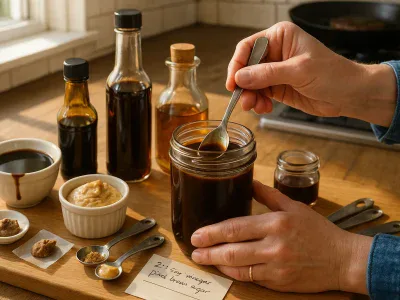
To make a basic alternative, mix 2 tablespoons of yellow mustard with 1 tablespoon of white wine or vinegar. Add a pinch of sugar to balance the acidity if needed. If you prefer more complexity, stir in half a teaspoon of ground mustard seeds or garlic powder for extra depth. This blend works well in salad dressings and marinades.
For another option, combine 1 tablespoon of mayonnaise with 1 teaspoon of dry mustard powder. Incorporate lemon juice or apple cider vinegar for added brightness. Use this as a sandwich spread or dip.
Adjusting Flavor Profiles
Customizing the flavor lets you match Dijon’s unique taste profile. For spicier notes, increase the amount of ground mustard seeds or add horseradish sparingly. To mimic Dijon’s smoothness, blend your mixture thoroughly until creamy.
If sweetness suits your dish better, include honey or maple syrup in small increments while tasting frequently to avoid overpowering other ingredients. When aiming for a milder result, reduce acidic components like vinegar and use water instead.
Tips For Using Dijon Mustard Substitutes
Using Dijon mustard substitutes effectively ensures your dishes retain their intended flavor profile. Adjust the substitute’s quantity and ingredients to match the tanginess, spice, or sweetness of Dijon mustard.
Pairing With Specific Dishes
Choose substitutes that complement the dish you’re preparing. For salad dressings, mix yellow mustard with white wine vinegar for a lighter alternative. Spicy brown mustard works well in marinades for red meat due to its robust flavor. Honey mustard can enhance chicken recipes by adding both sweetness and tang.
When making sauces or soups, use stone ground mustard as it’s closest in texture and taste to Dijon. Whole grain mustard adds visual appeal and texture to charcuterie boards or sandwiches. For Asian-inspired dishes, wasabi provides heat but should be tempered with soy sauce to avoid overpowering other flavors.
Balancing Acidity And Spice
Replicate Dijon’s balance by adjusting acidity and spice levels in substitutes. Combine yellow mustard with lemon juice or vinegar to create a sharper taste if the substitute feels too mild. Add freshly ground black pepper or a pinch of cayenne for extra spice when using milder options like mayonnaise-based mixtures.
If using honey mustard, reduce sugar content elsewhere in the recipe to prevent excessive sweetness disrupting your dish’s overall flavor profile. When substituting with horseradish or wasabi, dilute them first before blending into recipes requiring subtle heat rather than intense spiciness.
Conclusion
Running out of Dijon mustard doesn’t have to derail your recipe. With a variety of substitutes available, you can easily replicate its distinctive tang and spice using ingredients you likely already have. Whether you prefer the boldness of spicy brown mustard, the sweetness of honey mustard, or even a homemade blend tailored to your taste, there’s an option for every dish and palate.
By experimenting with different combinations and adjusting flavors to suit your needs, you’ll ensure your meals retain their intended balance. The next time you’re in a pinch, trust these alternatives to deliver the depth and versatility that Dijon mustard brings to the table.
To provide the best experiences, we use technologies like cookies to store and/or access device information. Consenting to these technologies will allow us to process data such as browsing behaviour or unique IDs on this site. Not consenting or withdrawing consent, may adversely affect certain features and functions.
Functional
Always active
The technical storage or access is strictly necessary for the legitimate purpose of enabling the use of a specific service explicitly requested by the subscriber or user, or for the sole purpose of carrying out the transmission of a communication over an electronic communications network.
Preferences
The technical storage or access is necessary for the legitimate purpose of storing preferences that are not requested by the subscriber or user.
Statistics
The technical storage or access that is used exclusively for statistical purposes.The technical storage or access that is used exclusively for anonymous statistical purposes. Without a subpoena, voluntary compliance on the part of your Internet Service Provider, or additional records from a third party, information stored or retrieved for this purpose alone cannot usually be used to identify you.
Marketing
The technical storage or access is required to create user profiles to send advertising, or to track the user on a website or across several websites for similar marketing purposes.