Boxwood Vs. Ilex Crenata: Which Evergreen Shrub Is Right For Your Garden?
You can trim both boxwood and Ilex crenata into a crisp hedge, but they behave differently once they settle into your soil. Picture the hush of a formal garden, clipped edges catching late-afternoon light, the choice between these two evergreens shapes that scene. Boxwood offers classic, glossy leaves and centuries of formal garden history. Ilex crenata (Japanese holly) brings small, round leaves and surprising tolerance for wet sites. This comparison uncovers practical differences you’ll feel at planting, in maintenance chores, and across seasons, plus lesser-known benefits like salt tolerance and pollinator value that might change your pick.
Quick Comparison At A Glance
Key Fact: Boxwood and Ilex crenata serve similar garden roles, but you should choose based on site, disease risk, and the look you want.
Key Differences
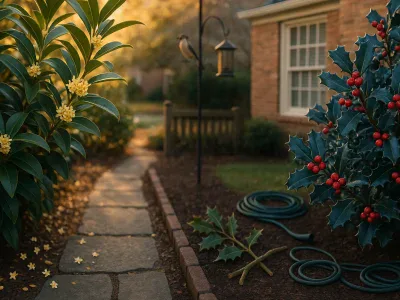
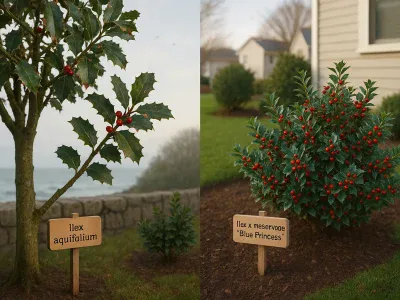
Boxwood (Buxus spp.) has oblong, leathery leaves with a glossy finish. Ilex crenata has small, round to ovoid leaves that look like a tiny holly without spines. Boxwood usually tolerates more shade and dries sites: many Ilex crenata cultivars tolerate wetter soils and some show better salt tolerance. Boxwood suffers from boxwood blight and leafminer pressure: Ilex crenata avoids blight but can get scale and root decline in heavy clay.
Common Similarities
Both species are evergreen in most U.S. zones used in gardens. Both respond well to pruning and form dense hedges, topiary, and container specimens. They produce year-round structure, pair well with perennials, and suit formal and informal designs. Both attract inspection by homeowners because they occupy the same stylistic niche: tight, green structure that frames beds and paths.
Appearance And Growth Habits
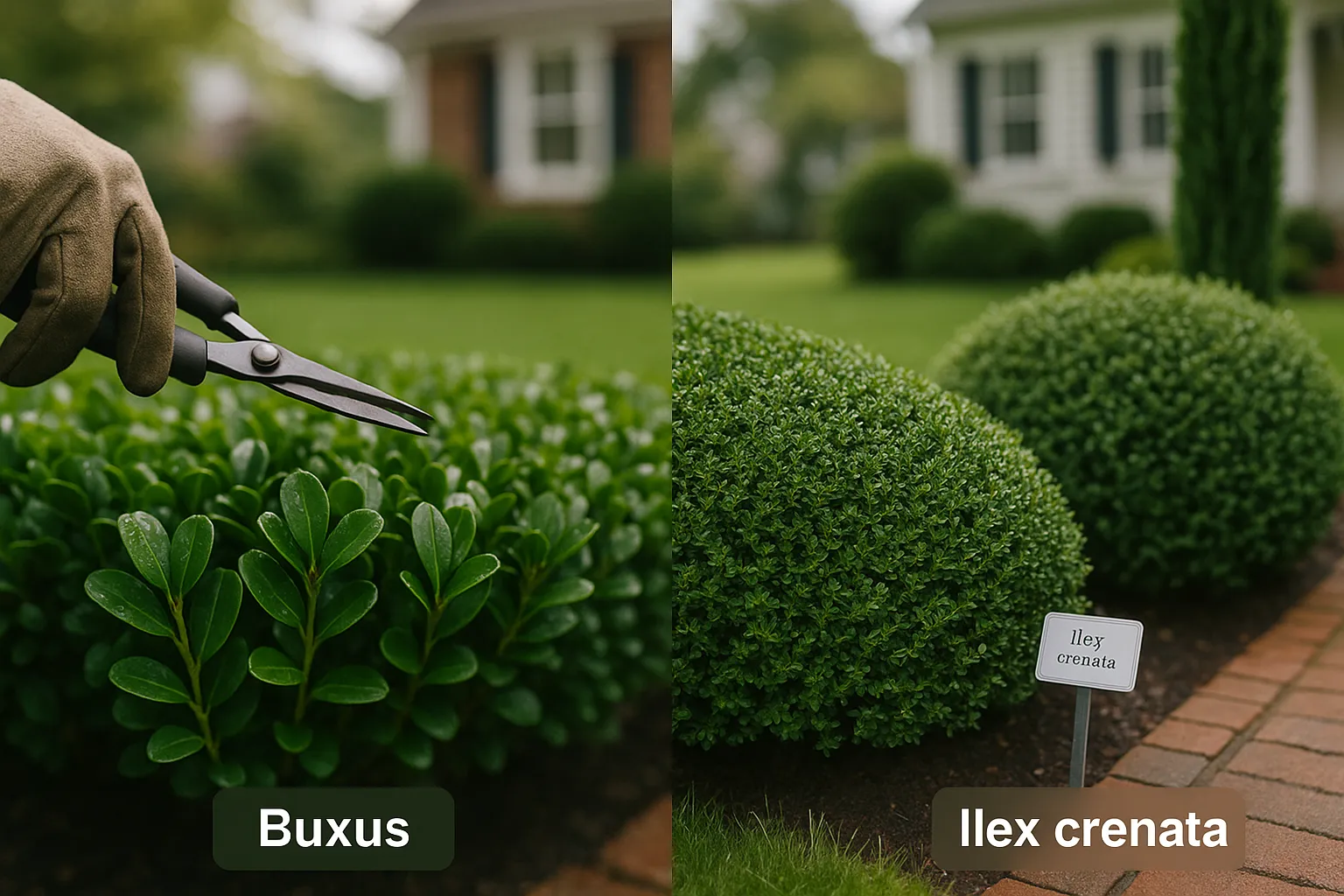
Key Fact: Leaf morphology and natural form determine the visual effect each shrub creates in your garden.
Leaf Shape, Texture, And Color
Boxwood leaves are typically 1–2 inches long, glossy, and smooth. Ilex crenata leaves range from 0.25–1 inch, matte or slightly glossy, often more uniform in size. You’ll notice boxwood leaves have a thicker cuticle: they hold sheen after rain. Ilex leaves feel thinner and create a finer-textured mass when planted en masse.
Natural Form, Mature Size, And Growth Rate
Boxwood species like Buxus sempervirens or B. microphylla vary from 2 to 20+ feet depending on cultivar. Growth rate tends to be slow to moderate. Ilex crenata cultivars commonly range 2–8 feet with moderate growth. If you want a fast fill, neither is particularly quick: you’ll need patience. But this slow growth helps keep formal shapes with less pruning.
Popular Cultivars And Varietal Differences
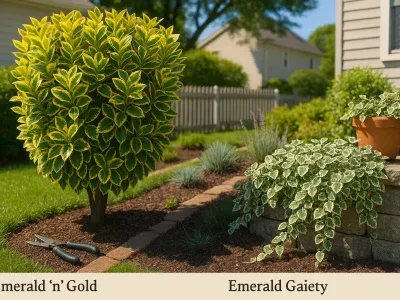
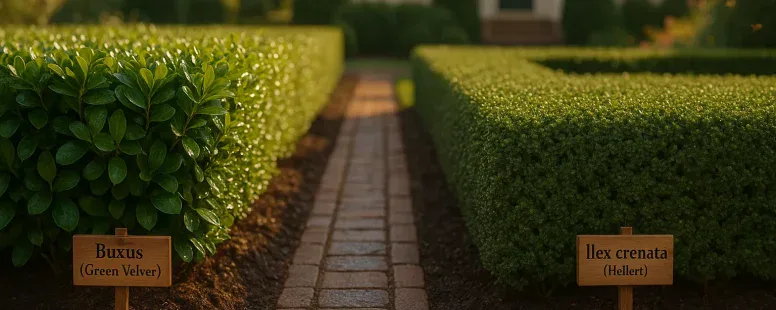
Named boxwoods: ‘Green Velvet’, ‘Wintergreen’, ‘Suffruticosa’. They differ in hardiness and leaf size. Ilex crenata popular types: ‘Convexa’, ‘Helleri’, ‘Sky Pencil’ (a narrow columnar form). ‘Green Velvet’ tolerates compacted soils: ‘Helleri’ makes a dense low hedge. Choose named cultivars for predictable size and disease tolerance.
Climate, Hardiness, And Site Selection
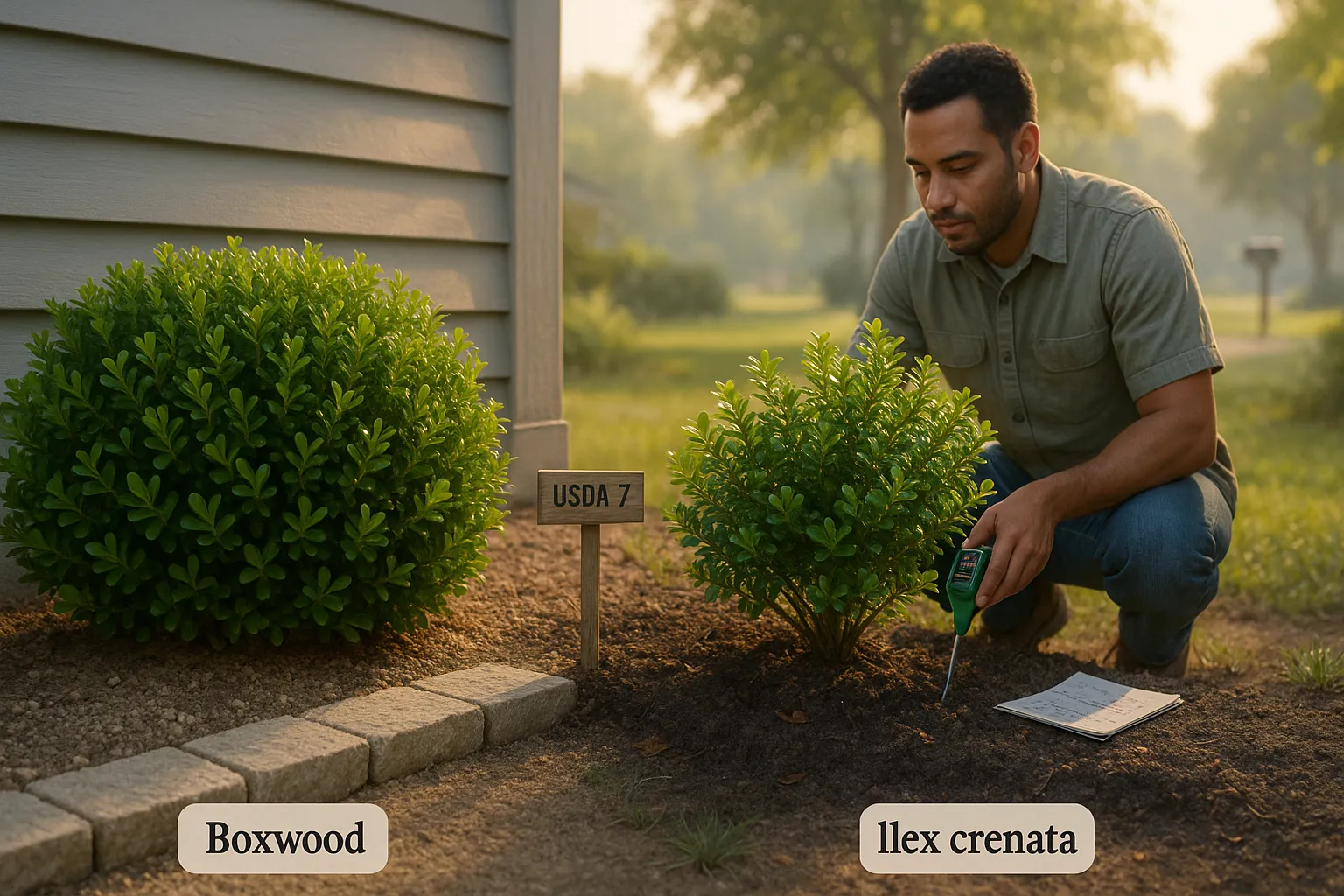
Key Fact: USDA hardiness and local microclimate decide long-term success more than aesthetics.
USDA Hardiness, Cold Tolerance, And Heat Performance
Boxwood cultivars span USDA zones roughly 5–9: some microphylla types reach zone 10. Ilex crenata generally fits zones 6–9. In colder sites choose hardy boxwood cultivars or plan extra winter protection for Ilex. In hot, humid southern climates boxwood may struggle with fungal disease: Ilex crenata often performs better in warm, wet summers.
Light Preferences And Microclimate Considerations
Boxwood tolerates deep shade well and often keeps color with less sun. Ilex crenata prefers part sun to full sun for best density. Plant boxwood on north or east sides of buildings: plant Ilex where it gets morning sun and afternoon shade in hot regions. Avoid low-lying frost pockets for both shrubs.
Soil Requirements And Drainage Needs
Boxwood prefers well-drained, neutral to slightly alkaline soil. Ilex crenata tolerates a wider pH range and handles heavier, seasonally wet soils better. Both dislike standing water: if your site floods in spring, favor Ilex or improve drainage. Fact: adding organic matter improves both species’ root health within a season.
Planting, Watering, And Fertilization
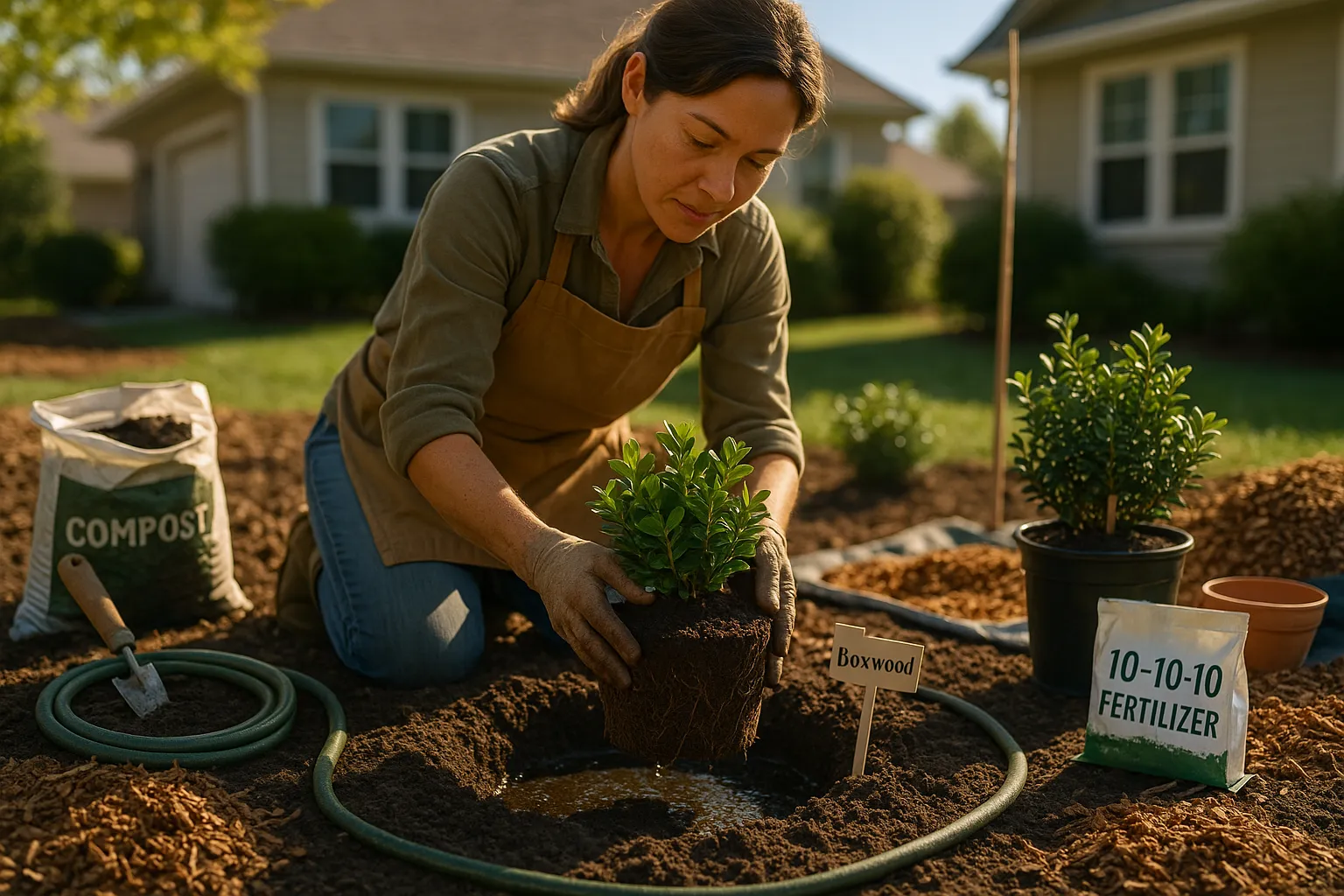
Key Fact: Proper planting and early care set the foundation: both shrubs need consistent moisture while they establish.
Planting Best Practices And Establishment Care
Dig a hole twice as wide as the root ball and no deeper than the root flare. Place the shrub so the top of the root ball sits slightly above native soil level. Backfill with original soil amended with compost if very poor. Water deeply at planting and again in two days. Stake only if the plant sits in windy, exposed sites.
Watering Frequency, Mulch, And Feeding Schedule
Water new plants weekly during the first growing season: more often during drought. Apply 2–3 inches of organic mulch, keeping it pulled back from the trunk to avoid rot. Fertilize in spring with a balanced slow-release fertilizer (e.g., 10-10-10) based on soil test results. You can give a light second feeding in midsummer for Ilex if growth lags: for boxwood keep nitrogen moderate to avoid soft growth that invites pests.
Pruning, Shaping, And Maintenance
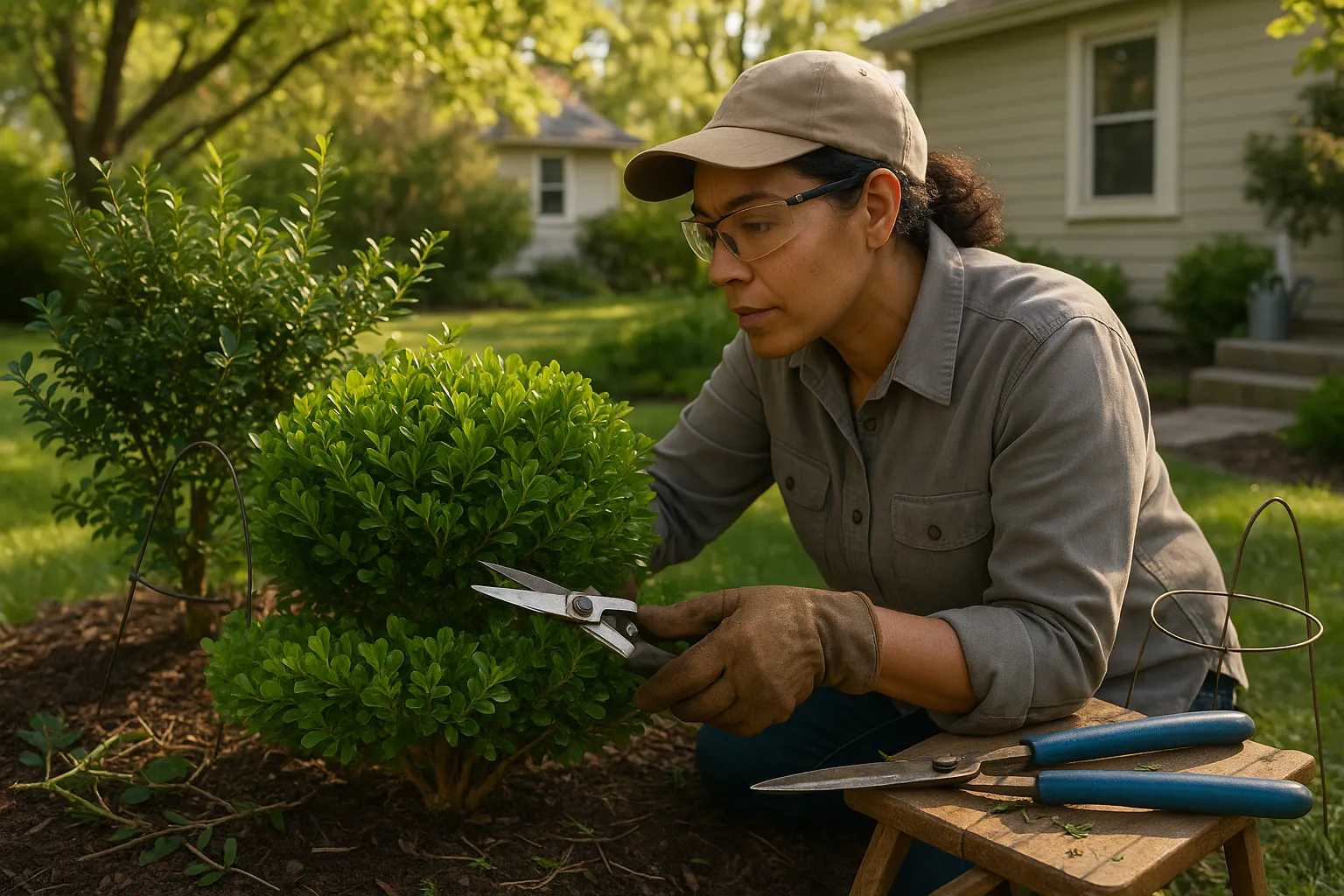
Key Fact: Both shrubs tolerate pruning: timing and technique affect health and shape.
Pruning Timing, Techniques, And Tools
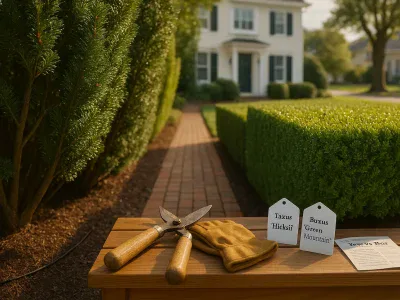
Prune boxwood and Ilex in late spring after new growth hardens. Use clean bypass pruners for small cuts and hedge shears for shaping. Remove dead wood as you see it rather than waiting for scheduled dates. For boxwood, avoid heavy late-season pruning: it can reduce winter hardiness. For Ilex crenata, prune to open the center if air flow is poor.
Keeping Size In Check And Training For Topiary/Hedges
Start training young. Make the base wider than the top for hedges so lower leaves get light. For topiary, make gradual cuts over two seasons rather than severe shearing. Use wire frames sparingly: they help newcomers but can hide poor branch structure. Honest warning: if you over-shear boxwood in hot weather you may stress the plant and invite pests.
Pests, Diseases, And Common Problems
Key Fact: Disease profiles differ sharply: match plant choice to disease pressure in your area.
Boxwood-Specific Issues (Blight, Leafminer, Mites)
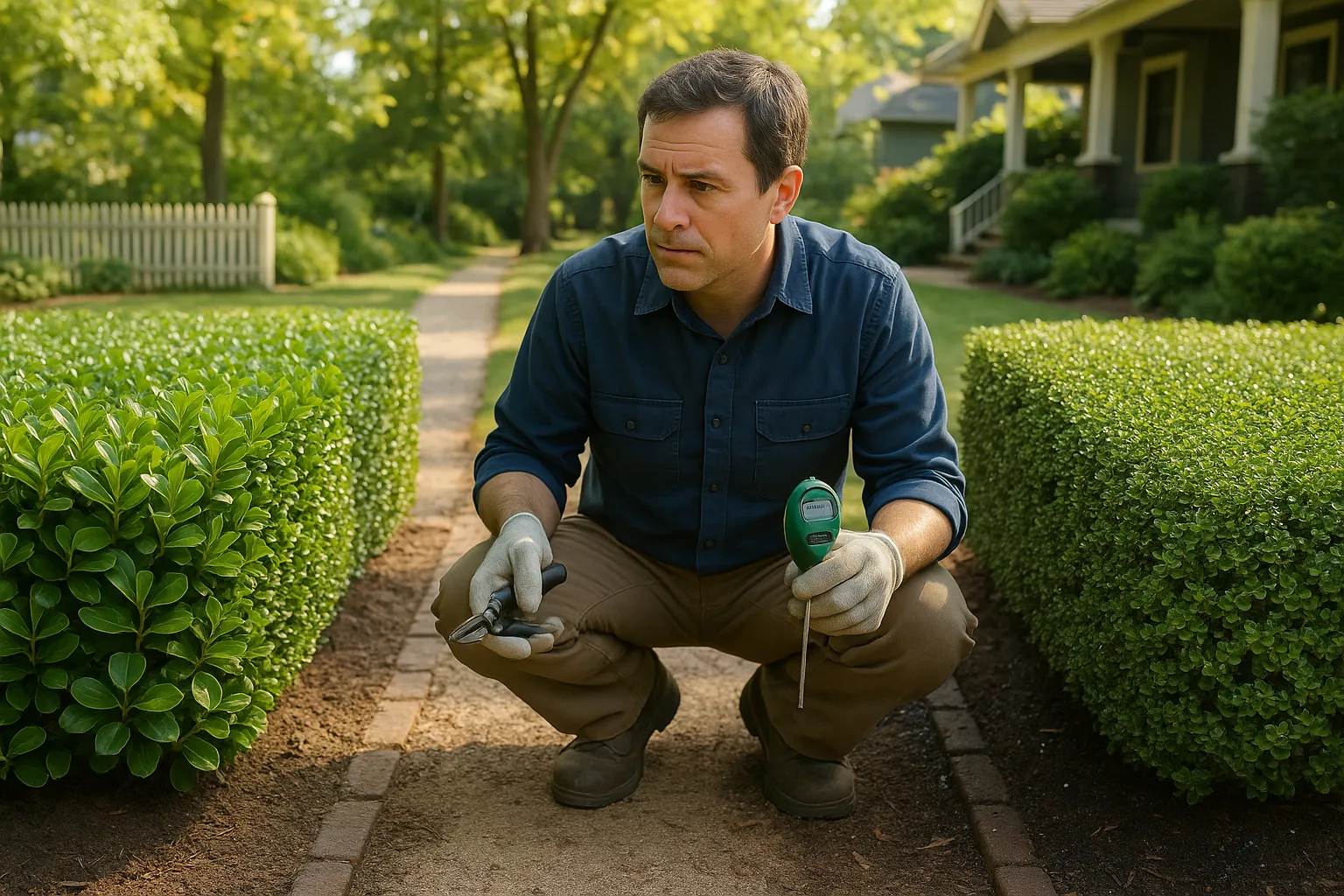
Boxwood blight (caused by Calonectria pseudonaviculata) causes defoliation and stem lesions: it spreads on tools and splashing water. Leafminers and spider mites also attack stressed plants. Inspect annualy for brown spots and rapid defoliation: remove infected material and sanitize tools. Fungicide sprays can reduce spread but won’t cure established blight.
Ilex Crenata Issues (Scale, Root Problems, Winter Burn)
Ilex crenata can host scale insects and suffers root decline in heavy, poorly drained soils. Winter burn shows as browning on wind-exposed sites, especially in young plants. Treat scale with horticultural oil during dormancy and improve drainage to prevent root rot.
Integrated Prevention And Treatment Options
Monitor regularly, encourage strong root systems with proper planting, and manage moisture. Use beneficial insects, sticky traps, and targeted treatments. Sanitize pruners after working on sick shrubs. In severe blight or scale outbreaks, remove and replace with resistant cultivars or alternative species. You will save time later by acting early.
Landscape Uses And Design Ideas
Key Fact: Choose the shrub that fits your design role, formal structure vs. textural contrast.
Formal Hedges, Edging, And Topiary Uses
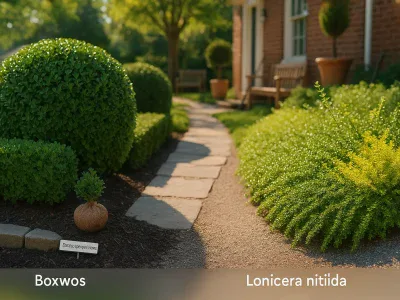
Boxwood remains the go-to for classic parterres and clipped forms. Ilex crenata also suits formal hedges and offers a slightly finer texture for compact designs. Use boxwood for strong, glossy faces along pathways and Ilex for soft, rounded hedges.
Container Planting, Mixed Borders, And Foundation Plantings
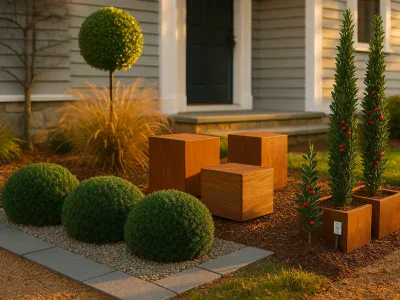
Both work in containers: pick compact cultivars like Buxus microphylla ‘Morris Dwarf’ or Ilex crenata ‘Sky Pencil’ for vertical interest. In mixed borders pair either shrub with seasonal color: hellebores in spring, salvia in summer. Use them near foundations to give year-round structure and hide footings.
Combining With Other Plants And Seasonal Interest
Combine with spring bulbs for early contrast, and with evergreen ferns for texture. Ilex crenata can support late-season pollinators when planted near native shrubs. A candid note: design mistakes often come from planting too close to foundations: leave room for roots and airflow.
Propagation, Availability, And Cost Considerations
Key Fact: Both shrubs propagate readily from cuttings: availability and price vary by cultivar and size.
Propagation Methods: Cuttings, Division, And Nursery Plants
You propagate both by semi-ripe cuttings in summer or hardwood cuttings in late fall. Division is seldom used because both form single crowns. Nurseries sell potted and balled specimens: some mail-order specialists offer grafted or rare cultivars.
Where To Buy, Typical Prices, And What To Look For
Buy from reputable nurseries, big-box stores, or accredited plant dealers. Expect 1–3 gallon container plants to cost $20–$60 depending on cultivar. Larger specimens and specialty cultivars can run $100+. Inspect root health, check for active growth, and avoid plants with yellowing leaves or sticky honeydew (a sign of scale).
A Practical Decision Checklist: Which To Choose For Your Site
Key Fact: Match a shrub to site conditions, maintenance willingness, and design intent.
Site Conditions, Maintenance Commitment, And Design Goals
If your site is shady, slightly alkaline, and you want a classic glossy look, choose boxwood. If your soil stays wet in spring, you need salt tolerance, or you want fine texture with fewer fungal issues, choose Ilex crenata. If you dislike frequent pest checks, neither is zero-maintenance but Ilex often demands less fungicide.
Final Quick Recommendations By Use Case (Hedge, Topiary, Low-Maintenance)
Hedge: Use boxwood for a formal, glossy hedge in well-drained soils: use Ilex crenata where drainage is iffy. Topiary: Boxwood gives a traditional look: Ilex crenata gives a softer, modern look. Low-maintenance: Ilex crenata is often the better pick, though correct planting and early care still matter.
If you’re still unsure, buy one of each and plant them side-by-side. You will learn fast which suits your home microclimate: and you’ll get two different textures in your garden, a small experiment with big returns.

- Best Tpu - October 21, 2026
- Mikrotik Product Comparison - October 20, 2026
- Fbm Competitors - October 19, 2026
by Ellie B, Site Owner / Publisher