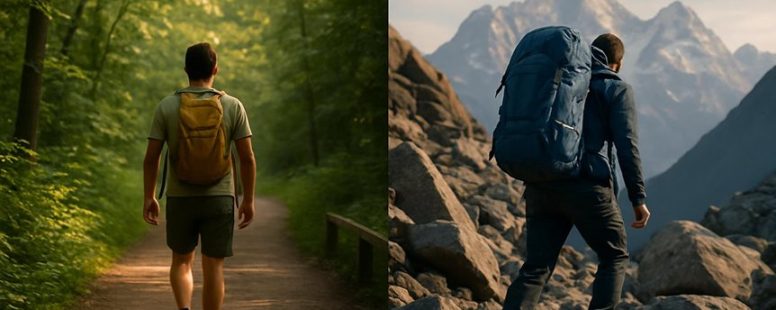
Stepping into the wilderness, you might feel the crunch of gravel beneath your boots or the crisp mountain air filling your lungs. But do you truly know the difference between hiking and backpacking?
Many adventurers confuse the two, mistaking one for the other and ending up unprepared for the trail’s surprises. Understanding these distinctions is like unlocking a secret map—your training becomes sharper, your journey smoother.
Surprisingly, tailoring your prep can boost not just endurance but also your confidence, turning every step into a dance with nature.
Let’s uncover what sets these outdoor pursuits apart and how to gear up accordingly.
Hiking vs Backpacking: What’s the Difference?
Hiking and backpacking are two outdoor activities that many people enjoy, but they are not the same. Hiking means walking on trails or paths, usually for a few hours or a day. It often happens close to home or in parks. When you hike, you focus on walking at different heights and seeing wildlife like birds or deer. For example, a walk through Yellowstone or a stroll in your local park is hiking. It is more relaxed and doesn’t require much planning.
Backpacking, on the other hand, is a longer adventure. It involves carrying all your gear and supplies in a backpack for multi-day trips. Backpackers often go into remote areas or national forests like the Appalachian Trail or the Sierra Nevada. When backpacking, you need to plan for different weather, rough terrain, and food supplies. It is like going on a camping trip that can last several days. Many backpackers bring tents, sleeping bags, and cooking gear to stay comfortable overnight.
Some people think hiking is easier because it is shorter and needs less gear. But backpacking is more demanding since you must prepare for everything and carry your supplies. Both activities can be fun, but they require different skills and levels of effort. If you like a quick walk and wildlife watching, hiking is a good choice. If you want a challenge and enjoy sleeping outside, backpacking might be better.
Both hiking and backpacking teach you to respect nature and keep safety in mind. Remember, whether you walk for a few hours or several days, always leave no trace and be kind to wildlife.
Essential Gear for Hiking and Backpacking: What Do You Need?
When you go hiking or backpacking, having the right gear is very important. It helps keep you safe, comfortable, and makes the trip more fun.
The most important gear includes a strong backpack that can hold all your stuff without breaking. Good hiking shoes or boots are also key because they protect your feet and give you support on rough trails. Wear clothes that match the weather — for example, lightweight clothes for hot days and layers for colder weather. Don’t forget rain gear if it might rain, and sunscreen or a hat to protect you from the sun.
Navigation tools are essential too. Carry a map, compass, or GPS device. These help you find your way if you get lost. Packing lightweight and versatile items is smart because heavy gear can tire you out faster. Think about bringing a small first aid kit just in case you get a scrape or bug bite. A headlamp is useful if your trip takes longer than planned or if you get caught in the dark.
It’s also a good idea to check and clean your gear before each trip. Well-maintained equipment works better and lasts longer. Bring enough food and water to keep your energy up, especially on longer hikes.
Some people worry about safety, and that’s normal. Having the right gear means you are ready for most situations. But remember, no gear can make up for poor planning or rushing. Always plan your route, check the weather, and tell someone your plans before you go. That way, you can focus on enjoying the outdoors instead of worrying about what might go wrong.
Physical Demands of Hiking and Backpacking: How Do They Compare?
Hiking and backpacking are similar but have different physical demands. The main differences are in weight, time, and the kind of ground you walk on. Backpacking usually means carrying a heavier pack and walking for many hours or days. This can make your muscles tired faster and require more stamina. For example, if you carry a 40-pound pack through rocky trails, you will feel it more than just walking with a small daypack.
Hiking is often shorter and lighter. Most day hikers carry only essentials like water, snacks, and a light jacket. Their walks are usually less than a few hours. But hiking on steep hills or uneven paths can still be tough. Backpacking, on the other hand, often involves longer trips on rough terrain, making it harder on your legs and back. The extra weight of a backpack adds more strain, especially when climbing or going downhill.
Some people say backpacking is more demanding because of the load and longer hours. Others say hiking can be just as hard if you go on tough trails or for many miles. Both activities require good physical fitness, but backpacking usually needs more preparation and strength.
If you plan to do either, start by building your strength with shorter walks and gradually add weight. Remember that carrying a heavy pack on steep or uneven trails can cause injuries if you are not careful. Always check your gear and pace yourself. Whether hiking or backpacking, knowing your limits will help you enjoy the adventure safely.
Load Carriage Intensity
Carriage intensity refers to how much effort your body uses when carrying a load during outdoor activities like hiking or backpacking. The main difference between these activities is how much weight you carry and how long you carry it. Backpacking usually means carrying a heavier pack for a longer time, while day hiking involves lighter loads for a shorter period.
Carrying too much weight can cause fatigue or injuries, especially if you walk long distances. To avoid this, it’s important to manage your load carefully. When backpacking, you should distribute the weight evenly across your back and use adjustable straps to make your pack comfortable. For day hikes, you can carry lighter packs but still need to pay attention to how you carry them to prevent strain.
Some people prefer lighter packs because they can hike faster and focus more on the trail. Others find that carrying a heavier load helps them build strength and prepare for longer trips. Both ways, knowing how to carry your pack well makes hiking more fun and less tiring.
If you are new to hiking or backpacking, try practicing good load management. Start with lighter loads and gradually add weight as you get stronger. Always check your straps and pack position before heading out. Remember, the key is to find a balance between carrying enough gear and staying comfortable.
In short, load management and proper carrying techniques are essential for both day hikes and backpacking trips. Managing your load well can help you enjoy your time outside without unnecessary pain or injury.
Duration and Pace Variability
Duration and pace are key factors in hiking and backpacking. How long you stay out and how fast you move affect how hard your body works. Longer trips can cause fatigue and increase the chance of altitude sickness, especially if you change your pace suddenly.
Here are some important points:
The longer you hike, the more your body needs to adjust. While this helps prevent exhaustion, it also means you are exposed to the risks of high altitude for a longer time. For example, hiking for days in the Colorado Rockies requires gradual altitude adjustment to avoid sickness.
Moving at different speeds, like quick climbs or slow descents, puts different muscles under stress. This can make your muscles tired faster and may lead to surprises like sudden wildlife encounters. Imagine rushing up a hill and suddenly spotting a deer or a mountain lion—you need to be ready to react quickly.
Maintaining a steady, moderate pace is often best. It helps prevent overexertion and keeps you prepared for unexpected challenges. For example, when hiking in the Appalachian Trail, hikers find that a consistent pace makes the trip more enjoyable and less tiring, especially if the trail gets steep or rocky.
Some people believe pushing hard at times can help build strength. But it can also increase fatigue and risk injuries. So, it’s good to find a pace that feels comfortable and keeps you moving steadily. Remember, whether you’re climbing mountains or spotting wildlife, a good pace keeps you safe and ready for what comes next.
Terrain and Elevation Challenges
Terrain and elevation changes make hiking and backpacking harder. Different types of terrain and heights require different muscles and energy. For example, mountain trails with rocks and steep slopes need stronger legs and better balance. Climbing up steep hills makes your heart work harder and makes your muscles tired faster. Backpacking over several days on rough, uneven ground adds to these challenges. On flat trails, you don’t use as much effort, but steep climbs can tire you out quickly no matter what. The main difference is how elevation and terrain affect your stamina and muscle use. Whether you hike high up in the mountains or climb gentle hills, knowing what to expect helps you prepare with the right training and gear. This way, your hike can be safer and more fun.
Trail Planning for Hiking and Backpacking: What’s Different?
Trail planning for hiking and backpacking is different mainly because backpacking covers longer distances and multiple days. For backpacking, you need to focus more on navigation, weather, and water sources since you will be away from help for a longer time.
First, you should identify reliable trail markers so you do not get lost. Long trails can sometimes have confusing signs, so knowing how to read trail blazes or markers is key. Next, check weather forecasts carefully. Sudden storms or temperature drops can happen, so you need to be ready for changes. For example, a sunny day can turn cold or rainy overnight.
Planning where to camp and find water is also crucial. I always look at maps and guides before I start. I mark spots for campsites and water sources, especially in remote areas where resupply points are far apart. When planning, think about how weather might change and how you will manage water and food supplies over several days.
Some people say that detailed planning makes a trip safer and more fun. Others warn that unexpected weather or trail conditions can still cause problems even with the best plans. It’s good to be flexible and ready to change your plans if needed.
Training for Hiking: Key Focus Areas You Should Know
The best way to prepare for hiking is to improve your cardiovascular endurance, strength, and flexibility. These help you hike longer distances, stay steady on rocky or uneven trails, and avoid injuries.
First, building stamina means doing activities like brisk walking, jogging, or cycling. These exercises make your heart and lungs stronger so you can hike for hours without getting tired. For example, if you plan to hike in the mountains, practicing uphill walking with a backpack can help get your body ready.
Next, strength training is important for keeping your legs, core, and arms strong. You can do bodyweight exercises like squats, lunges, and push-ups. These help you stay balanced on rough paths. Some hikers also use resistance bands or weights to challenge their muscles. Be careful not to overdo it; too much weight too soon can cause injuries.
Flexibility is equally important because it helps your muscles move easily and reduces the chance of strains. Stretching after your workouts or doing yoga can improve your flexibility. For example, simple stretches like hamstring or calf stretches can make a big difference.
Some hikers might worry about balancing or injury risks. While exercises like balancing on one foot or yoga can help, it’s good to start slow and listen to your body. Too much stretching or strength training too quickly can cause soreness or injury.
Cardiovascular Endurance Building
Building your cardiovascular endurance is key for a good hike, especially when going over tough ground or long distances. Here are some simple steps to improve your stamina:
First, gradually increase how hard you hike. For example, walk up steeper hills or add more distance slowly. This helps your body get used to higher altitudes, where the air is thinner. When you do this, your body learns to use oxygen better and adjusts to altitude changes.
Second, do steady-state cardio exercises like brisk walking or cycling. These help your heart become stronger and more efficient. For example, riding your bike for 30 minutes three times a week can make a big difference. This kind of exercise builds overall endurance so you can hike longer without getting tired too fast.
Third, stay well hydrated. Drink plenty of water before, during, and after hikes. Proper hydration prevents fatigue and dehydration, both of which can ruin a good day outdoors. Remember, if you forget your water, you might end up feeling weak or dizzy, especially at higher elevations.
Some people worry that pushing too hard too fast can cause injury or fatigue. It’s true, so listen to your body. Start slow and increase your effort little by little. Others think that too much cardio can tire your muscles, so balance your training with strength exercises.
In the end, building cardiovascular endurance is about more than just walking longer. It helps your body adjust to altitude and keeps you energized. With consistent effort and good hydration, you’ll find hiking easier and more enjoyable.
Strength Training Focus
Strength training is a key part of getting ready for hikes. It helps you carry heavy backpacks, walk on uneven trails, and stay safe from injuries. The best way to train is to focus on exercises for your legs, core, and back. These areas help keep you balanced and make you more tired less on the trail. For example, squats and lunges build leg strength, while planks and sit-ups improve your core.
Eating the right food supports your training by giving your muscles fuel and helping them recover. Drinking enough water keeps you energized and prevents you from getting too tired. It is good to plan your hydration, especially if you hike long distances or in hot weather.
Some people believe strength training can prevent injuries, but it is also possible to overdo it. Too much lifting without rest might cause strains or soreness. So, it is better to start slow and increase your workouts gradually.
Adding strength work to your routine makes hiking easier and more fun. It also helps you go farther and climb higher without feeling exhausted. Remember, consistent training, good food, and good hydration work together to make your hikes safer and more enjoyable. With time and effort, you will be able to handle tougher trails and enjoy more of the outdoors.
Flexibility and Balance
Flexibility and balance are key to staying safe during hikes. They help prevent falls and injuries. Flexibility means your muscles can stretch easily, which makes walking on uneven paths less likely to cause strain. Balance is about staying steady on rocky or tricky surfaces.
Here are some simple ways to improve these skills:
Do dynamic stretches before your hike. These are quick movements like leg swings or arm circles that warm up your muscles and make them more flexible. For example, before climbing a steep hill, try leg swings to loosen up your thighs.
Try yoga or balance exercises like standing on one foot. Yoga can stretch your muscles and build strength. Balancing on one leg for 30 seconds helps your stability. You could do this while watching TV or during breaks on the trail.
Practice stability drills on uneven ground. Find a small hill or rocky patch and stand or walk on it. This simulates trail conditions and trains your body to stay steady. For example, walking along a rocky path slowly can build confidence in your balance.
Some people may worry about overdoing it. While these exercises are helpful, doing too much can cause soreness or fatigue. Also, if you have joint problems or health issues, check with a doctor before starting new exercises.
Backpacking Skills to Master Before Your Trip
Before you go on a backpacking trip, it’s good to learn some essential skills. These skills can help you enjoy your trip more and stay safe. One important skill is knowing how to handle wildlife encounters. For example, you should keep a safe distance from animals and avoid disturbing them. Watching animals quietly without getting too close is the best way to see wildlife without causing harm or risking safety.
Another key skill is following the Leave No Trace principles. These rules help protect the environment. They include packing out all trash, sticking to designated trails, and not damaging plants or rocks. If everyone practices these habits, nature stays beautiful for future hikers. For instance, imagine a trail covered in trash — it ruins the view and harms animals. But if everyone cleans up after themselves, the trail stays clean and safe for all.
Practicing wildlife safety and Leave No Trace before your trip makes your adventure smoother. It shows respect for nature and can prevent accidents or damage. Some people worry that these rules limit fun, but actually they help keep outdoor spaces healthy and enjoyable. Remember, even small actions like packing out a snack wrapper can make a big difference. So, get familiar with these skills before you hit the trail. They will help you have a fun, safe, and responsible backpacking trip.
How Weight and Pack Management Affect Your Training
Managing the weight of your pack is key to having a comfortable and safe hike. When your pack is too heavy or unbalanced, it can make you tire faster and even cause injuries. To make your hikes easier and better for your body, focus on how you pack and how the weight is spread out.
First, make sure to distribute the weight evenly. If one side of your pack is heavier, it can throw off your balance and strain your muscles. For example, put heavier items like water bottles or food near your back and close to your spine. This helps keep your pack stable and makes walking less tiring.
Second, use compression straps to tighten your gear inside the pack. This keeps everything from shifting around and helps you stay balanced. Imagine trying to walk with a bouncing backpack; it’s uncomfortable and wastes energy. Securing your gear makes your pack feel lighter and more stable.
Some hikers believe that a lighter pack makes training more effective, especially if you want to build endurance. Others worry that packing too light might leave you unprepared for tough situations. For example, if you forget rain gear on a rainy day, it can ruin your trip. So, find a good balance between lightness and having what you need.
Good pack management also helps your body get used to longer hikes. When your pack feels balanced and comfortable, you can hike longer without getting tired. This helps you build strength and stamina for more challenging trips.
In the end, paying attention to your pack’s weight and how you pack it can make a big difference. It can turn a tiring hike into a more enjoyable adventure. So next time you prepare for a hike, think about how you are packing — it might just improve your training and your trip.
Common Mistakes Beginners Make When Preparing for Outdoor Adventures
Many beginners make mistakes because they do not plan carefully before going outdoors. Planning is very important to stay safe and enjoy your adventure. One common mistake is not thinking about wildlife encounters. If you don’t know what animals live in the area, surprises can happen. For example, you might come across a bear or snakes if you are not careful. Learning about local animals and how to act around them helps you stay safe. Some parks, like Yellowstone, have signs telling visitors what to do if they see wildlife.
Another mistake beginners often make is not following Leave No Trace rules. These rules help keep nature clean and safe for everyone. Leaving trash behind or bothering animals can damage the environment. For example, trash can harm animals that eat it by mistake, and trampling plants can hurt their chances to grow back. When you pack your things, make sure to carry out all trash and stay on marked trails. If everyone does this, nature stays beautiful and healthy.
Some people also forget to pack the right gear or check the weather before heading out. Imagine going hiking in the rain with no waterproof jacket. That can make your trip miserable and even dangerous. It’s a good idea to check the weather forecast and bring necessary gear like water, snacks, and a first aid kit.
There are different ways to prepare, but skipping these steps can lead to problems. Some hikers think they don’t need a map or a guide, but getting lost is a real risk. Others ignore safety tips and end up in trouble. So, whether you like hiking, camping, or just exploring nature, planning well can make your outdoor adventures safer and more fun.
Customizing Your Training to Achieve Your Outdoor Goals
Once you have planned your outdoor trip and learned how to stay safe, the next step is to train in ways that help you reach your goals. Here are some key points to consider:
If you might see wildlife like bears or deer, it is best to practice staying calm and not making sudden movements. This helps animals feel less threatened. You can also learn to recognize their signs, like tracks or sounds, so you know when they are nearby. Remember, some people think making loud noises can scare animals away, but it’s always safer to keep your distance and stay quiet.
To build your strength for hiking or backpacking, choose routes that match your planned terrain. For example, if you want to hike in hilly areas, practice walking up and down similar slopes. If you plan to carry a heavy pack, gradually add weight to your training walks. This helps your body get used to the effort and reduces the chance of getting hurt during your trip. Some people prefer flat trails for beginners, but climbing hills makes you stronger faster.
Always follow Leave No Trace principles. This means packing out all trash, staying on the trail, and not disturbing plants or animals. If you like to camp, practice setting up your tent quickly and quietly so you don’t disturb the environment. Some argue that strict rules can be a hassle, but they help keep nature beautiful for everyone. Remember, even small actions like picking up litter can make a big difference.
To provide the best experiences, we use technologies like cookies to store and/or access device information. Consenting to these technologies will allow us to process data such as browsing behaviour or unique IDs on this site. Not consenting or withdrawing consent, may adversely affect certain features and functions.
Functional
Always active
The technical storage or access is strictly necessary for the legitimate purpose of enabling the use of a specific service explicitly requested by the subscriber or user, or for the sole purpose of carrying out the transmission of a communication over an electronic communications network.
Preferences
The technical storage or access is necessary for the legitimate purpose of storing preferences that are not requested by the subscriber or user.
Statistics
The technical storage or access that is used exclusively for statistical purposes.The technical storage or access that is used exclusively for anonymous statistical purposes. Without a subpoena, voluntary compliance on the part of your Internet Service Provider, or additional records from a third party, information stored or retrieved for this purpose alone cannot usually be used to identify you.
Marketing
The technical storage or access is required to create user profiles to send advertising, or to track the user on a website or across several websites for similar marketing purposes.