Best Substitute for Butter in Cookies
Imagine biting into a warm, freshly baked cookie and wondering if that perfect melt-in-your-mouth texture could be achieved without butter. Swapping out butter might seem daunting—like trying to paint a masterpiece with unfamiliar colors—but it opens a world of possibilities.
Beyond dairy-free or lower-fat options, some substitutes can actually enhance the cookie’s flavor and make them stay softer longer. Did you know that certain plant-based oils can add a subtle richness you might not expect?
Choosing the right alternative can turn your baking into a delicious adventure where every bite surprises and delights.
Common Reasons to Use Butter Substitutes in Cookies
Butter is often used in cookies because it gives a rich taste and good texture. But many people choose to use substitutes instead. The main reason is health. Butter has a lot of saturated fat, which can be bad for your heart if you eat too much. Alternatives like olive oil or applesauce can lower the calories and add healthy nutrients. This makes cookies a little better for your body.
Flavor is another reason. Sometimes I want a new taste in my cookies. Coconut oil gives a light tropical flavor, while nut butters like peanut or almond add a deep, rich taste that butter can’t provide. These flavors can make your cookies more interesting.
Substitutes can also help with allergies or special diets. For example, people who are allergic to dairy or want vegan options can still enjoy cookies by using plant-based fats.
However, there are some things to watch out for. Not all substitutes work perfectly. Some might change the cookie’s texture or make it too soft or crumbly. For example, applesauce can make cookies softer, while coconut oil might add a slight flavor you don’t want.
Using butter substitutes can be a good idea for healthier eating and trying new flavors. But it’s also good to know what each one does. Sometimes, sticking with butter is better if you want the classic taste and texture.
In the end, choosing a butter substitute depends on your health goals, taste preferences, and dietary needs. It’s all about finding the right balance for you.
Key Factors When Choosing Butter Substitutes
When choosing a butter substitute for cookies, there are three main things to think about: flavor, texture, and dietary needs.
First, flavor is important. Some substitutes, like margarine or coconut oil, have a nutty or neutral taste. Others, like applesauce or mashed bananas, add sweetness or a fruity flavor. Think about what flavor fits best with your cookie recipe. For example, if you want a rich chocolate chip cookie, butter or coconut oil might work better than fruit purees.
Next, consider texture. Butter helps cookies be tender, chewy, or crispy. If you pick a substitute that is too soft or too thick, your cookies might turn out weird. For example, using oil can make cookies more crispy, while applesauce may make them softer. It’s good to test a small batch before baking a big tray.
Finally, think about dietary needs. Some people are allergic to dairy or want to eat vegan cookies. In that case, options like margarine or plant-based spreads work well. Some substitutes also have less saturated fat, which can be healthier. But be careful, because some options like shortening or coconut oil can be high in unhealthy fats if used too much.
Some bakers like to mix substitutes to get the best results. For example, using half butter and half applesauce can give a good balance of flavor and texture. But remember, not every substitute works perfectly for every cookie. It’s worth experimenting and reading labels to find what fits your needs.
Best Dairy-Free Butter Substitutes for Cookies
Dairy-free butter substitutes are key for making cookies that everyone can enjoy, especially if you have allergies. Here are some of the best options and what they do:
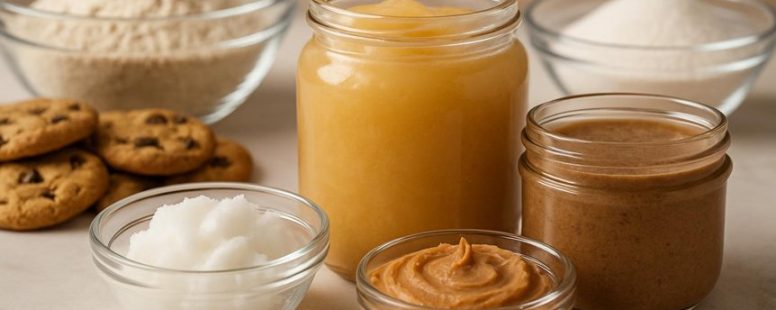
Coconut oil is a popular choice because it gives cookies a rich, buttery feel. It melts easily and adds a slight coconut flavor that many love. Just remember, it can make cookies a bit crumbly if used too much.
Vegan margarine is another good substitute. It’s designed to mimic butter’s texture and flavor. Brands like Earth Balance or Miyoko’s offer reliable options, but some people prefer the taste of coconut oil over margarine.
If you want to add moisture and a little sweetness, applesauce and pumpkin puree work well. They keep cookies soft and give a subtle fruity flavor. These are especially good if you’re trying to cut back on fats or added sugars.
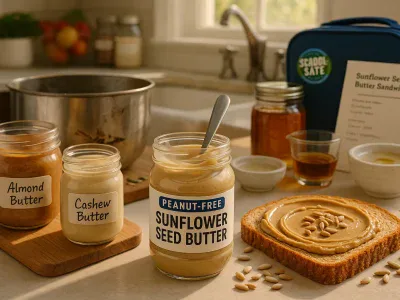
Nut butters like almond or peanut butter add a nutty flavor and some richness. They also make cookies denser and more filling. A warning though—nut butters can overpower delicate flavors or change the texture too much if you’re not careful.
Avocado puree and cashew cream are creamy options that don’t have strong flavors. They keep cookies soft and moist, but they might make your cookies taste slightly earthy. Use sparingly if you want the nutty taste to stay subtle.
For a lighter option, silken tofu can work. It blends smoothly and helps cookies stay soft without adding much flavor. It’s a good choice if you want a neutral, protein-packed substitute.
Flaxseed meal acts as a binder and adds a tiny nutty flavor. It’s often used in vegan baking and can help your cookies hold together better.
Sunflower oil is a neutral-tasting oil that’s easy to mix into cookie dough. It’s good if you want a simple, flavorless fat substitute without changing the taste too much.
Every substitute has its strengths and limits. Coconut oil adds richness but can be too greasy for some. Nut butters bring flavor but might be overpowering. Applesauce keeps cookies moist but makes them softer. Try different options to see which one fits your taste and dietary needs best. Just remember, no substitute is perfect—so some trial and error might be needed to get your cookies just right.
Low-Fat Butter Substitutes for Healthier Cookies
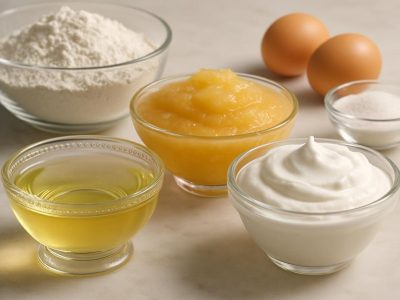
Low-fat butter substitutes are a good choice if you want to make healthier cookies. They help keep your treats moist and tender without adding a lot of fat. Common options include applesauce, Greek yogurt, and mashed bananas. These ingredients add flavor and reduce calories, making your cookies lighter but still tasty. For example, applesauce can give a fruity sweetness, while yogurt adds a tangy taste.
Some people worry that using these substitutes might change how crispy or spread out the cookies are. That’s true — cookies might be softer or less crunchy. To keep a good balance, try replacing only half of the butter with a low-fat substitute first. This way, you can see how it affects the cookies and adjust if needed.
If you want to try different options, start with small amounts. Remember, these swaps can make your cookies healthier but might slightly change their texture. So, if you love crispy cookies, you might need to experiment or find a substitute that works best for you. Overall, low-fat butter replacements are a simple way to enjoy cookies without all the fat. Just keep in mind that they might change the way your cookies turn out, but for many, the healthier choice is worth it.
Oils as Butter Substitutes in Cookies
Using oil instead of butter in cookies is a simple switch that can make a big difference. Oils like coconut, olive, avocado, vegetable, grapeseed, and almond oil can replace butter to keep cookies soft and moist. Coconut oil gives a slight tropical flavor, which can make cookies taste fun and different. Olive and avocado oils add a mild fruity taste, good for cookies with chocolate or nuts. Neutral oils like vegetable and grapeseed don’t change the flavor much, making them great if you want the other ingredients to stand out. Almond oil adds a light nutty flavor, perfect for almond or chocolate chip cookies.
Some people believe oils can make cookies lighter and maybe healthier, but it depends on the type of oil and recipe. Not all oils work perfectly in every cookie. For example, coconut oil can turn solid at room temperature, so it might change the cookie texture if not melted first. Also, using too much oil can make cookies greasy.
If you want a quick and easy way to replace butter without losing taste or softness, oils are a smart choice. Just remember, each oil gives a different flavor, so pick one that matches your cookie recipe. Do you like a little coconut flavor or a neutral taste? That can help you choose the right oil.
Some bakers warn that oils may not work well in all recipes. For instance, cookies made with oil might spread more or turn out a bit softer than with butter. It’s best to try small batches first and see how they turn out. Oils can be a good option, but they aren’t always perfect for every cookie.
In the end, swapping butter for oil can be easier and sometimes healthier, but it’s good to understand the differences. Do you want your cookies to taste like the original or try a new flavor? Either way, oils offer a quick way to change things up in your baking.
How to Adjust Cookie Recipes for Butter Substitutes
Butter is an important part of cookies because it adds flavor and helps give the right texture. When you switch butter with other ingredients, you need to adjust your recipe so the cookies turn out good. For example, if you use oil instead of butter, you should cut back on the liquid a little. That way, the dough doesn’t get too soggy and sticky.
If you decide to use nut butters like peanut or almond, think about their strong flavors. They can change how your cookies taste, so you might want to add a little more sugar to balance it out. Coconut oil is another popular choice. It adds a subtle coconut flavor and can make cookies softer. But it melts faster than butter, so your dough might spread more while baking.
Some butter substitutes, like applesauce or mashed bananas, can make cookies healthier but might also make them softer or denser. You may need to add a bit more flour to keep the cookies from spreading too much.
It’s a good idea to start with small batches when trying a new substitute. Different brands and types behave differently. For example, some brands of coconut oil are solid at room temperature, while others are liquid. Testing small amounts helps you learn how your new ingredient works with your recipe.
Keep in mind that not all substitutes taste the same or behave the same way in baking. Some might make your cookies too greasy or too dry. If you want the best results, look for recipes that specifically say they can use the ingredient you want to try. This can help you avoid mistakes and get cookies that taste great.
In the end, experimenting with butter substitutes can be fun. Just be ready to make small changes and learn from each batch. That way, you’ll find the perfect balance for your favorite cookies.
Tips for Great Cookie Texture With Butter Substitutes
The best way to get cookie texture right when using butter substitutes is to understand how they affect moisture and fat. Different substitutes can change how cookies turn out, so you need to adjust your ingredients carefully. For example, using applesauce instead of butter adds moisture but can make cookies softer. On the other hand, coconut oil melts at a different temperature, which can make your cookies crisper if used correctly.
Here are some steps to help you get the right texture. First, decide what kind of cookie you want—soft and chewy or crispy and firm. Then, pick a butter substitute that matches that goal. For softer cookies, look for substitutes that add moisture, like mashed bananas or yogurt. For crispier cookies, choose options like vegetable oil or melted coconut oil. When mixing, remember to control the amount of liquid. Too much liquid can make cookies spread too much and become mushy, while too little can make them dry and crumbly.
Some bakers say that experimenting with small batches helps find the perfect balance. Others warn that some substitutes, like applesauce, might cause cookies to fall apart or spread unevenly. So, it’s good to read the label of your chosen product and maybe try a quick test batch first.
In the end, getting the right cookie texture with butter substitutes comes down to balancing moisture and fats. Whether you want a tender center or a crispy edge, small tweaks can make a big difference. Just remember, every substitute behaves differently, so don’t be afraid to experiment and learn what works best for your favorite cookie recipe.
Moisture Control Techniques
Moisture control is the key to making cookies with the right texture, especially when you swap out butter. Butter adds moisture, so changing it can make your cookies either too dry or too wet. To keep them just right, you need to understand how ingredients hold moisture.
When you replace butter, adjust the amount of liquids like milk or syrup. For example, if your substitute has less moisture than butter, add a little more wet ingredients to prevent dryness. If it has more moisture, cut back a bit. Also, watch the amount of flour. Flour absorbs moisture and affects how chewy your cookies turn out.
A good trick is to experiment with small batches first. Change one thing at a time and see how your cookies bake. This way, you can find the perfect balance. Some people prefer cookies that are soft and chewy, while others want a crisper texture. Both are possible by controlling moisture carefully.
Keep in mind, not all substitutes behave the same. Some may require more adjustments. For example, coconut oil has less moisture than butter, so you might need to add a touch more milk. On the other hand, applesauce has more moisture, so cut back on liquids.
A word of warning: too much moisture can make cookies spread too much or become soggy. Too little can make them dry and crumbly. It’s a delicate balance that needs practice.
In the end, controlling moisture is about understanding your ingredients and testing different ratios. With patience, you can make cookies that are just as tender and tasty as those made with butter. Or maybe even better—if you get it right.
Balancing Fat Content
The key to replacing butter in cookies is balancing the fat content. Fat affects how cookies spread, chew, or turn crispy. Butter has about 80 percent fat. When you choose a substitute, try to match this as closely as possible. If the substitute has less fat, your cookies might turn out drier and denser unless you change other ingredients.
For example, using margarine or certain oils can change the flavor too. Some oils, like coconut or olive oil, have strong tastes that may clash with your cookie recipe. Others, like vegetable oil, are more neutral. Think about how the flavor and fat ratio work together to get the best taste and texture.
Here are some steps to help you swap butter successfully. First, check the fat percentage of your substitute. Second, match that as close as possible to butter’s 80 percent. Third, adjust other ingredients if your substitute has less fat. For instance, if your oil has only 70 percent fat, you might need to add a little more to keep the cookie moist. Lastly, taste test your dough if you can to see if it feels right.
Some people prefer using different fats because they want a healthier cookie or to avoid dairy. For example, using applesauce or mashed bananas can reduce fat but may change how your cookies turn out. These options work differently and might make the cookies less crispy or more cake-like.
Be aware that not every substitute will work perfectly. Some oils or spreads can make cookies spread too much or stay too dense. So, it’s good to experiment a little. Remember, balancing fat content is crucial, but also consider flavor and texture. With a little practice, you’ll find the right swaps to make tasty cookies without butter.
Texture Enhancing Ingredients
Texture is key when making cookies, especially if you want them to turn out just right. Changing butter with other ingredients can affect how your cookies feel. For example, applesauce or yogurt adds moisture and makes cookies softer. Nut butters, like peanut or almond butter, give cookies more density and chewiness. Eggs or flaxseed meal are also important because they help hold everything together and keep cookies from crumbling. If you want a crispy cookie, adding a little extra sugar or cornstarch can help create that crunch. Each ingredient you swap changes how your cookie feels, so trying different combinations helps you get the perfect texture. Remember, focusing on these texture boosters can make your cookies taste better and feel just right, even without butter.

- The Best TPU Cases to Protect Your Phone in Style - September 27, 2026
- Competitors Rubrik - September 26, 2026
- Best Wuthering Heights Movie - September 26, 2026
by Ellie B, Site Owner / Publisher