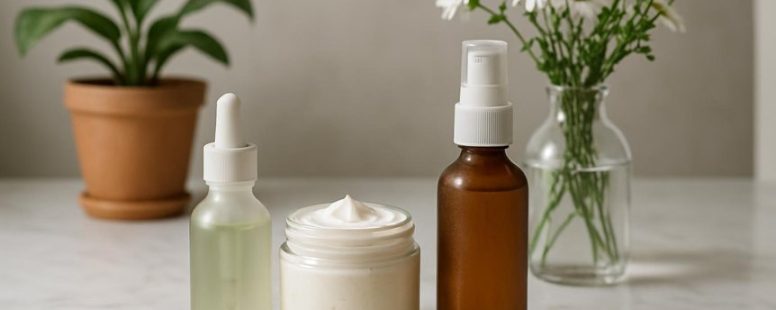
Thinking about smoothing out wrinkles without the sting of Botox? Imagine turning back the clock with options that feel as natural as a breath of fresh air.
From the gentle glide of dermal fillers to innovative high-tech devices, there’s a world of choices that can fit your lifestyle and skin type. Surprisingly, some treatments not only soften lines but also boost your skin’s overall glow—like a secret weapon in your beauty arsenal.
Each method has its own story to tell, and finding the perfect match is like discovering a hidden gem that reveals your most radiant self.
Why Consider Alternatives to Botox for Wrinkle Reduction
Botox is popular for reducing wrinkles, but it’s not the only option. Some people prefer alternatives that better fit their needs and lifestyles. Natural aging is normal, and there are ways to improve skin without injections. These options often work with your skin’s natural process and are gentler. If you don’t like the idea of synthetic substances, that’s okay. Choosing different methods lets you pick what feels right for you. Some treatments are safer, but they might not work as fast or as well as Botox. Trying different options helps you make smart choices about how you want to age and look.
Overview of Popular Botox Alternatives: Fillers, Topicals, Devices, and More
When people look for alternatives to Botox, they want honest options that work well. Here are some of the most common choices and what you should know about them.
What are fillers? Fillers are injections that add volume and smooth out wrinkles instantly. Brands like Juvederm and Restylane are popular. They work well for deep lines or loss of fullness. But keep in mind, fillers are temporary and need repeat treatments every few months. Some people experience swelling or bruising after injections.
What about topicals? Topical treatments like retinoids and peptides are creams or serums you apply daily. They don’t give instant results but help your skin improve over time. Retinoids boost collagen, making skin firmer. Peptides also support skin repair. The downside is that they take weeks or months to show visible changes, and some may cause irritation.
How do devices help? Devices like microcurrent tools or laser therapies are non-invasive options. Microcurrent devices stimulate muscles and tighten skin, similar to a workout for your face. Laser treatments, like those from brands such as Tria or IPL devices, can reduce wrinkles and even out skin tone. These options often require multiple sessions and can be costly. They work best for mild to moderate aging signs but may not replace the need for injections in severe cases.
Can I combine these options? Yes. Using a good skincare routine with treatments like fillers or devices can give better results. But it’s important to know that not every method works equally well for everyone. Some people see great improvements with certain treatments, while others might not see much change. Also, some options may have side effects or limitations, so talking to a dermatologist is smart before starting.
What are the limitations? While these alternatives can be helpful, they might not give the same dramatic results as Botox, especially for deep wrinkles. They also tend to be slower and less predictable. Always check reviews and research brands carefully before trying a new treatment.
Choosing the Right Botox Alternative for Your Needs
Choosing the right Botox alternative means understanding your skin type, the results you want, and how much time you can take off. Not all options work the same way for everyone. Some might work better for fine lines, while others help with wrinkles or skin tightening. It is important to compare these treatments based on how long they last, how much they cost, and how soon you see results. For example, some options like Dysport or Xeomin can give quick results, but others like dermal fillers might last longer. Knowing what you need helps you pick the best choice.
If you’re wondering how to find the right treatment, follow these steps. First, talk to a dermatologist who knows about different options. Second, think about your goals—do you want a quick fix or something that lasts longer? Third, check how much downtime you can handle—some treatments need no recovery time, while others might require you to rest for a few days. Lastly, compare prices and reviews from real people. This way, you can make a smart choice based on facts and your own needs.
There are two sides to consider. Some say Botox alternatives are just as good and cheaper, but others warn they might not work as well or last as long. For example, Botox can last three to four months, while some natural remedies might fade faster. Be careful and don’t believe every promise. Always get advice from a trusted doctor before trying something new.
In the end, choosing the right treatment is like picking the right tool for a job. Think about what suits your skin, your goals, and your lifestyle. Just remember, not every quick fix is permanent, and some options have limits. Do your research and ask questions to find what works best for you.
Skin Type Considerations
Your skin type matters a lot when choosing a Botox alternative. Different skin types react differently to treatments. For example, if you have sensitive skin, some options like chemical peels or laser treatments might cause irritation or allergic reactions. These treatments can be too harsh for easily reactive skin.
Dry skin needs different care. Instead of treatments that only smooth wrinkles, options that boost moisture and help skin stay elastic work better. For oily or combination skin, some treatments might make oily areas worse or cause breakouts. Knowing your skin type helps you pick the best treatment for your needs.
For example, if you have dry skin, a gentle moisturizer or hydrating facial might work better than aggressive laser treatments. But if you have oily skin, you might prefer a light chemical peel to reduce shine.
Some people worry about side effects or skin reactions. It’s good to talk to a dermatologist to understand what works for your skin. Remember, not all treatments are safe for everyone. What works for one person might not work for another.
In the end, understanding your skin type helps you choose a safe and effective alternative. It’s like picking the right shoes — you want comfort and support, not something that causes blisters. Always do research and consult a professional before trying new skin treatments.
Desired Treatment Outcomes
Understanding your skin type is a good first step, but knowing what you want to achieve with treatment helps you pick the best alternative to Botox. If you want gentle, gradual changes, natural options like facial massages or special skincare products can help. For example, using creams with retinol or vitamin C can improve skin tone over time. If you prefer to reduce fine lines without injections, treatments like acupuncture or herbal remedies might work. These are less invasive but may take longer to see results.
On the other hand, if you want more noticeable smoothing, non-invasive procedures such as laser treatments or chemical peels could be better. These options can give quicker results but might cost more or need multiple sessions. The key is to match your goals—whether it’s making your skin smoother, firmer, or reducing wrinkles—with the right method.
Remember, natural remedies may be slow and less dramatic but are safer for sensitive skin. Medical procedures can be faster and more effective but may have risks or side effects. Think about what matters most to you—long-term health or quick fixes.
Choosing the right treatment depends on your personal goals, budget, and lifestyle. When you know what results you want, you can pick an option that fits your needs best.
Duration And Downtime
Some treatments, like dermal fillers, give results that last several months and need little to no downtime. You might see immediate improvements, and you can go back to your day quickly. This is good if you want quick results with minimal interruption.
Other options, such as laser treatments, may last longer but need more recovery time. For example, laser skin resurfacing might take a few days for redness or swelling. You could need multiple sessions too. If you have a busy schedule, these treatments might not be the best choice unless you plan ahead.
Knowing how long a treatment lasts and how much downtime it involves can help you pick the right one. If you want something low-maintenance, look for options with short or no recovery time. But if you don’t mind some downtime for longer-lasting results, those treatments might be worth it.
For example, a person with a busy job might avoid laser treatments because of the redness afterward. On the other hand, someone wanting long-term results might choose a laser despite the downtime. It’s a trade-off between convenience and how long the results last.
Keep in mind that some treatments may not last as long as advertised or could cause more downtime than expected. Always read reviews and talk to a professional before deciding. Knowing what to expect helps you find the treatment that fits your schedule and goals best.
Top Dermal Fillers That Smooth Wrinkles Naturally
Dermal fillers are a popular option for smoothing wrinkles naturally. The most common type is hyaluronic acid fillers. They work by adding moisture and volume to the skin, making wrinkles less visible. This method is often chosen because it can give a fresh look without surgery.
If you want to try dermal fillers, here are some key points. First, pick the right filler for your needs. Hyaluronic acid products like Juvederm and Restylane are well-known brands. They are safe and effective but may need touch-ups after a year. Second, find a qualified doctor or dermatologist. Good training and experience matter because improper injections can cause lumps or uneven results.
Some people say fillers are the best because they give quick results and are less risky than surgery. But others warn that fillers can cause side effects like swelling or bruising. Also, they might not last forever, so you need repeat treatments.
In the end, dermal fillers can help smooth wrinkles naturally, but understand the limits. They work well for mild to moderate lines, but deep wrinkles may need more than just fillers. Always get honest advice from a trusted professional before trying any treatment.
Sources: American Society of Aesthetic Plastic Surgery (ASAPS), 2022.
Popular Natural Fillers
Natural fillers are a simple way to smooth wrinkles without using harsh chemicals. These fillers come from plant extracts like aloe vera, chamomile, and green tea. Many people like them because they are gentle and help the skin stay healthy. For example, aloe vera is known for calming skin, while green tea has antioxidants that fight aging.
Some say natural fillers work by encouraging the skin to make more collagen, which keeps it firm. They can make your skin look smoother and more natural. But they also have limits. Natural fillers may not last as long as synthetic ones, and if you have sensitive skin, you should test them first to avoid irritation.
If you want a safer, more organic way to reduce wrinkles, natural plant extracts are worth trying. They give subtle results that look real, perfect for anyone who wants to look good without using chemicals. Just remember, natural doesn’t always mean better, and results can vary. It’s good to talk to a dermatologist before starting any new skin treatment.
Benefits Of Hyaluronic Acid
Hyaluronic acid is a substance your body makes naturally. It helps keep your skin hydrated and plump. This makes your skin look fresh and smooth. Hyaluronic acid does more than just add moisture. It can gently fill in wrinkles, making you look more awake without looking fake. If you want a simple way to improve your skin without Botox, hyaluronic acid is a good choice. Here is why:
It keeps your skin hydrated: Hyaluronic acid attracts water and holds it, so your skin stays soft and glowing. For example, many face creams contain it because it works well.
It looks natural: When hyaluronic acid fills in wrinkles, it doesn’t freeze your face. You still look like yourself, just refreshed.
It’s safe: Since your body already has hyaluronic acid, there’s less risk of allergic reactions. That’s why many dermal fillers use it.
However, some people worry that hyaluronic acid might not last long. It can fade after a few months and may need repeated treatments. Also, while it’s safe for most, some may experience swelling or redness.
If you want a treatment that hydrates your skin and gives a natural look without the risks of Botox, hyaluronic acid is a good option. Just remember, it’s not a permanent fix, and results can vary from person to person.
Effective Topical Botox Alternatives for Wrinkle Reduction
Topical options can help reduce wrinkles without injections. They are a good choice if you want a gentle, pain-free way to improve your skin.
Serums with ingredients like peptides and antioxidants are popular because they can relax facial muscles and increase collagen. Collagen makes your skin firm and smooth. These serums work gradually, so you need to use them consistently to see good results. Brands like Neutrogena and Olay offer products with these ingredients.
Another option is anti aging oils rich in vitamin E and fatty acids. These oils nourish the skin deeply, making it more elastic and helping fine lines look less noticeable over time. For example, argan oil or rosehip oil are often recommended. They won’t freeze your muscles like Botox, but they can improve your skin naturally.
Some people might worry that these products are not as strong as Botox. That is true. They won’t give instant or dramatic results. Also, not all products work for everyone. You need patience and regular use. Plus, some oils might clog pores or cause breakouts if you have sensitive skin.
If you want to try a non-invasive way to reduce wrinkles, using a mix of topical serums and oils can be a good start. They are easy to add into your daily routine and can help your skin look better over time. Just remember, they won’t work overnight, and results vary from person to person. Always check ingredients and do a patch test before trying new products.
Non-Invasive Botox Alternatives: Devices That Refresh Your Skin
Non-invasive Botox alternatives are devices that can refresh your skin without needles. Two popular options are LED light therapy and microcurrent facial devices. These tools work by stimulating collagen production and tightening muscles, which can give your face a natural lift.
LED light therapy uses different colors of light to target skin issues like wrinkles or dullness. Microcurrent devices send tiny electrical currents to muscles, helping to lift and tone your skin. Some brands like NuFace and Foreo offer popular microcurrent tools.
Many people find that regular use of these devices can brighten their look and smooth out lines. But keep in mind, results are usually subtle and take time. They might not replace the dramatic change of Botox, but they can be good for a natural look without needles.
Some critics say these devices work only a little and need consistent use. Also, not everyone will see the same results. Always read reviews and maybe talk to a skincare expert before buying.
If you want a simple way to refresh your face without injections, these devices are worth trying. Just be patient and realistic about what they can do.
LED Light Therapy
Here’s what LED light therapy does best:
It helps reduce wrinkles by encouraging your skin to make more collagen naturally. Imagine your skin getting a little boost to stay firm and youthful.
It calms redness and fights acne inflammation. If your face often looks angry or irritated, LED therapy can help soothe it.
It makes dull skin glow again. Think of it like giving your tired face a quick wake-up call.
Some people choose LED therapy instead of Botox because it’s gentle and doesn’t involve needles. It’s a quick treatment that fits into most schedules and is safe for many skin types. But, keep in mind, results can vary. Some might see big changes, while others may need several sessions. And it’s not a magic fix for all skin problems.
Sources like the Mayo Clinic say LED therapy is promising, but it’s always good to talk with a dermatologist first. Be cautious if you have certain skin conditions or are pregnant. While many love the results, it’s smart to be skeptical about claims that promise overnight miracles.
Microcurrent Facial Devices
A microcurrent facial device is a tool that uses tiny electric pulses to help your skin look younger and healthier. These devices work by gently stimulating your facial muscles, which can boost collagen production. Collagen is the protein that keeps your skin firm and smooth. Some people use microcurrent devices instead of Botox because they can reduce fine lines and give a slight lift to the face.
These devices are easy to use at home because the sessions are quick and painless. But you need to take care of your device to keep it working well. Clean it after each use and store it in a safe place. This helps it last longer and work better each time.
There are different brands like NuFace and Foreo that make popular microcurrent tools. They are generally safe for most skin types, but some people with metal implants or certain skin conditions should check with a doctor first.
Some folks might see quick improvements, while others might need regular use for weeks to notice a difference. Keep in mind that microcurrent devices don’t replace a visit to a dermatologist or plastic surgeon. They are a good option if you want a simple, non-invasive way to refresh your skin without needles or downtime.
Natural Botox Alternatives: Remedies and Lifestyle Changes to Reduce Wrinkles
Natural ways to reduce wrinkles can work just as well as Botox without needing needles or chemicals. These simple remedies and habits can help improve your skin’s look and feel. Here are three effective methods:
Stay Hydrated and Eat Well: Drinking plenty of water keeps your skin moist and plump. Eating foods high in antioxidants, like berries, nuts, and leafy greens, can help fight damage from free radicals that cause wrinkles. Do you notice your skin looking dull after a day without water? Staying hydrated makes a big difference.
Massage Your Face with Natural Oils: Gently massaging your face with oils such as jojoba or rosehip oil can boost blood flow. This stimulates your skin to make more collagen, which keeps it firm. I started doing facial massages with coconut oil last year, and my skin feels softer and less wrinkled. Have you tried massaging your face before? It’s simple and relaxing.
Protect Your Skin from Sun and Get Enough Sleep: Wearing sunscreen every day shields your skin from harmful UV rays that cause wrinkles. Also, getting good sleep lets your skin repair itself. If you skip sunscreen or stay up late, wrinkles can appear faster. Some folks see real results after just a few weeks of consistent sun protection and sleep.
Keep in mind, natural remedies may take longer to show results compared to Botox. Some people see improvements in a few months, but others might need more time. Plus, these methods aren’t magic cures. They work best when combined with a healthy lifestyle.
While these tips are safe and affordable, they won’t erase deep wrinkles or severe sagging. For those, professional treatments might be more effective. Remember, no method can stop aging completely, but these natural steps can help you look and feel your best.
How Long Do Botox Alternatives Last Compared to Botox?
Botox usually lasts between 3 and 6 months. Alternatives like dermal fillers or natural remedies often last less time or vary a lot from person to person. If you want to compare how long they last, think about your skin type, the treatment you choose, and how you care for yourself. For example, some natural options need regular use to keep results, while some injectable treatments may last a few months but less than Botox. Knowing these differences helps you pick the best option for your goals and how much maintenance you want.
Be aware that some alternatives might not last as long or work as well, especially if you have specific skin issues or lifestyle habits. For instance, natural remedies may need daily or weekly application, while fillers might need touch-ups every few months. Both choices have their good and bad points. Make sure to read reviews or talk to a professional before starting any treatment. Understanding how long each option lasts helps you decide what fits your needs best.
Safety Considerations and Side Effects of Botox Alternatives
Botox alternatives can have safety risks just like Botox itself. It is important to know these risks before trying something new. Here are three main safety points to consider:
Safety protocols – Different treatments have different safety rules. Make sure your provider follows strict guidelines to lower the chances of problems. For example, some clinics use special training or sterile tools. If they skip these steps, your risk increases.
Allergic reactions – Some natural or enzyme-based products might cause allergies. People often share stories about swelling, redness, or itching after using these treatments. Always read reviews and ask your provider about allergy risks before trying.
Long term effects – Newer treatments may not have enough research on their long-term safety. You might get good results now but face unknown problems later. Weigh the benefits against possible future risks — sometimes, waiting for more studies is better.
Some critics say these risks are often overlooked or downplayed. Consumers should be cautious and ask questions. The truth is, no treatment is completely safe, and side effects can happen even with proper care. Always do your research and talk to a trusted medical professional before choosing an alternative to Botox.
How to Find a Qualified Provider for Botox Alternatives
Finding a qualified provider for Botox alternatives starts with understanding what to look for. First, know that credentials matter. A good provider should be licensed and certified specifically for these treatments. This shows they have proper training and follow safety rules. For example, a certified nurse or doctor with experience in non-invasive cosmetic procedures is a safer choice than someone without official credentials.
Next, consider their experience. Ask how many times they have done the treatment you want. The more procedures they perform, the better they understand how to get good results and avoid problems. For instance, if they have done hundreds of botox alternatives, they likely know what works best for different skin types.
Another step is to schedule a consultation. A trustworthy provider will take time to hear your goals, explain your options, and set realistic expectations. Don’t skip this step because it helps you decide if they understand your needs and communicate clearly. For example, some providers might push treatments you don’t need, so always ask questions.
Also, read reviews from past clients. Honest feedback can tell you if others had good experiences or faced issues. For example, if many people complain about feeling rushed or not seeing results, that’s a red flag.
Some may say that experience and reviews aren’t enough. It’s true that credentials don’t guarantee perfection, and some providers might have a lot of reviews but poor safety standards. Always trust your instincts and ask questions about safety procedures.
Finally, beware of promises that sound too good to be true. No treatment can guarantee perfect results. Be cautious of providers who pressure you or skip the consultation. Remember, finding a qualified provider takes time and research. Don’t settle for someone just because they’re nearby or cheaper. Better to wait and choose wisely than to risk poor results or safety issues.
To provide the best experiences, we use technologies like cookies to store and/or access device information. Consenting to these technologies will allow us to process data such as browsing behaviour or unique IDs on this site. Not consenting or withdrawing consent, may adversely affect certain features and functions.
Functional
Always active
The technical storage or access is strictly necessary for the legitimate purpose of enabling the use of a specific service explicitly requested by the subscriber or user, or for the sole purpose of carrying out the transmission of a communication over an electronic communications network.
Preferences
The technical storage or access is necessary for the legitimate purpose of storing preferences that are not requested by the subscriber or user.
Statistics
The technical storage or access that is used exclusively for statistical purposes.The technical storage or access that is used exclusively for anonymous statistical purposes. Without a subpoena, voluntary compliance on the part of your Internet Service Provider, or additional records from a third party, information stored or retrieved for this purpose alone cannot usually be used to identify you.
Marketing
The technical storage or access is required to create user profiles to send advertising, or to track the user on a website or across several websites for similar marketing purposes.